
Introduction to Anime Adaptation Challenges
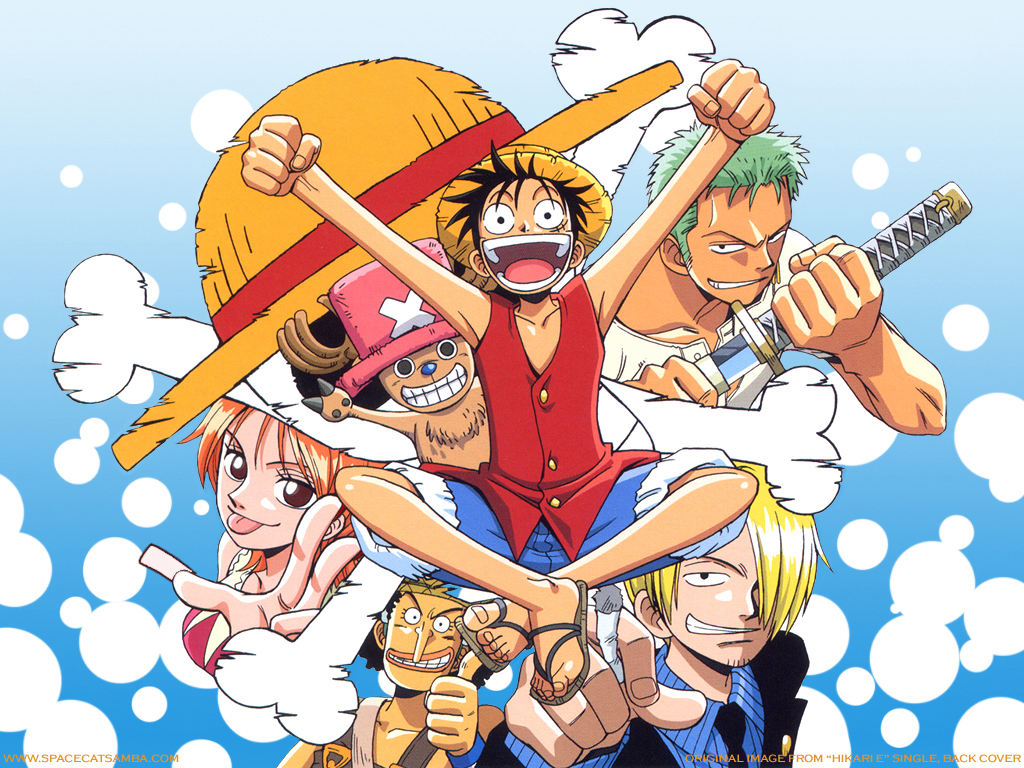
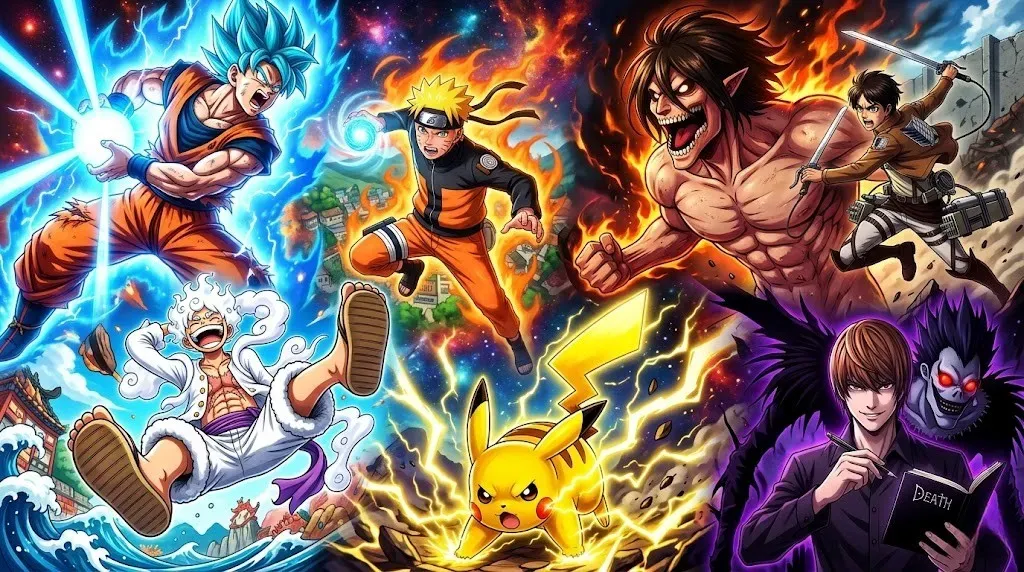
The journey from a beloved manga to a screen adaptation is fraught with complexity. While the global popularity of Japanese media has never been higher, the industry continues to grapple with a recurring question: why do some projects resonate while others falter? The transition involves more than just moving drawings to a digital canvas; it requires a deep understanding of pacing, tone, and the unique expectations of a dedicated fanbase. Understanding why anime adaptations fail is essential for studios aiming to replicate the success of industry titans like One Piece.
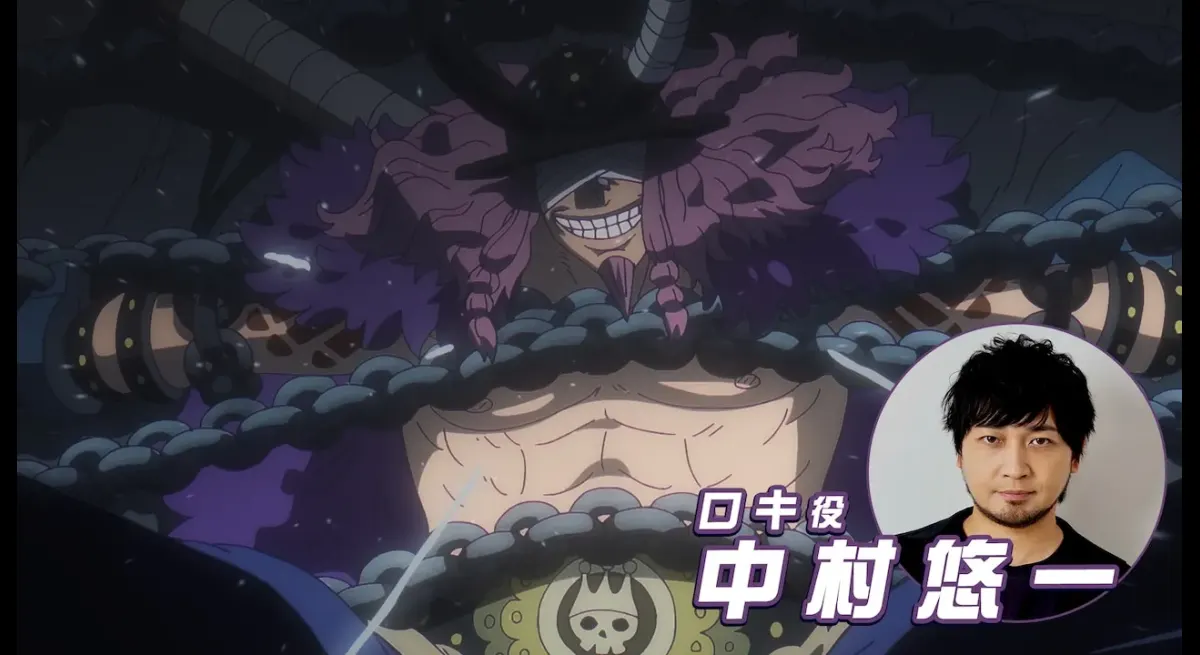 Also ReadYuichi Nakamura as Loki in "ONE PIECE": Elbaf Edition OP by Aina The End
Tatsuya Nagamine on the Art of Direction
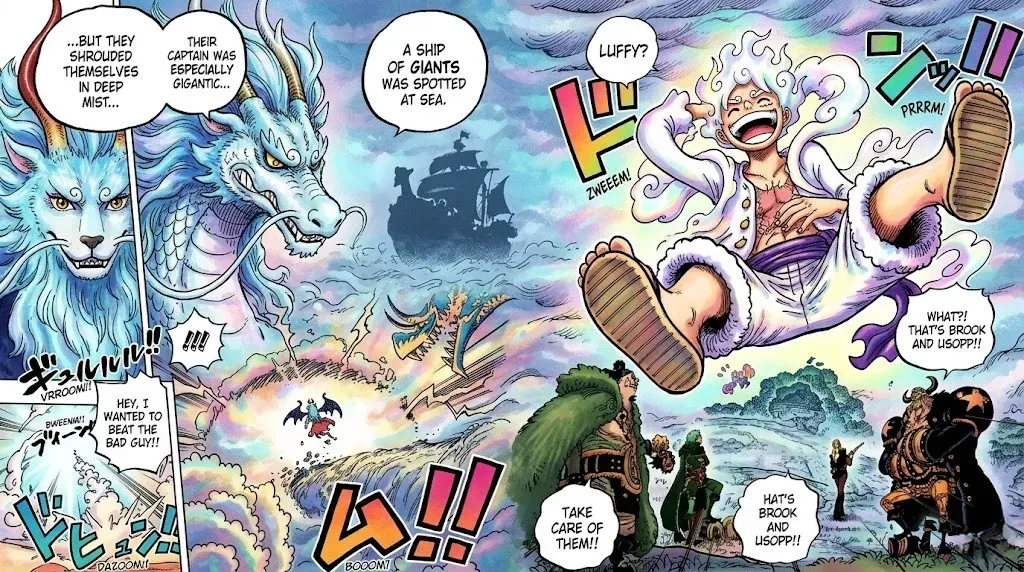
In a recent One Piece director interview, Tatsuya Nagamine shared his philosophy on what makes a series thrive. Known for his work on Dragon Ball Super: Broly and his pivotal role in the Wano Country arc of One Piece, Nagamine is a master of visual storytelling. Tatsuya Nagamine anime insights reveal that a director must act as a bridge between the mangaka’s original vision and the technical requirements of modern animation. He emphasizes that direction isn't just about managing an art team; it’s about capturing the "soul" of the panel and translating that energy into movement.
Why Some Anime Adaptations Fail
There are several critical reasons why anime adaptations fail, ranging from production issues to creative misalignment. One of the most common pitfalls is a lack of respect for the source material's internal logic. When a studio attempts to "modernize" a story by stripping away its unique cultural or stylistic quirks, the result often feels hollow. Furthermore, poor pacing—either rushing through major arcs or bloating the story with unnecessary filler—can alienate viewers. Nagamine suggests that failure often occurs when the production team prioritizes commercial deadlines over the narrative depth that made the manga popular in the first place.
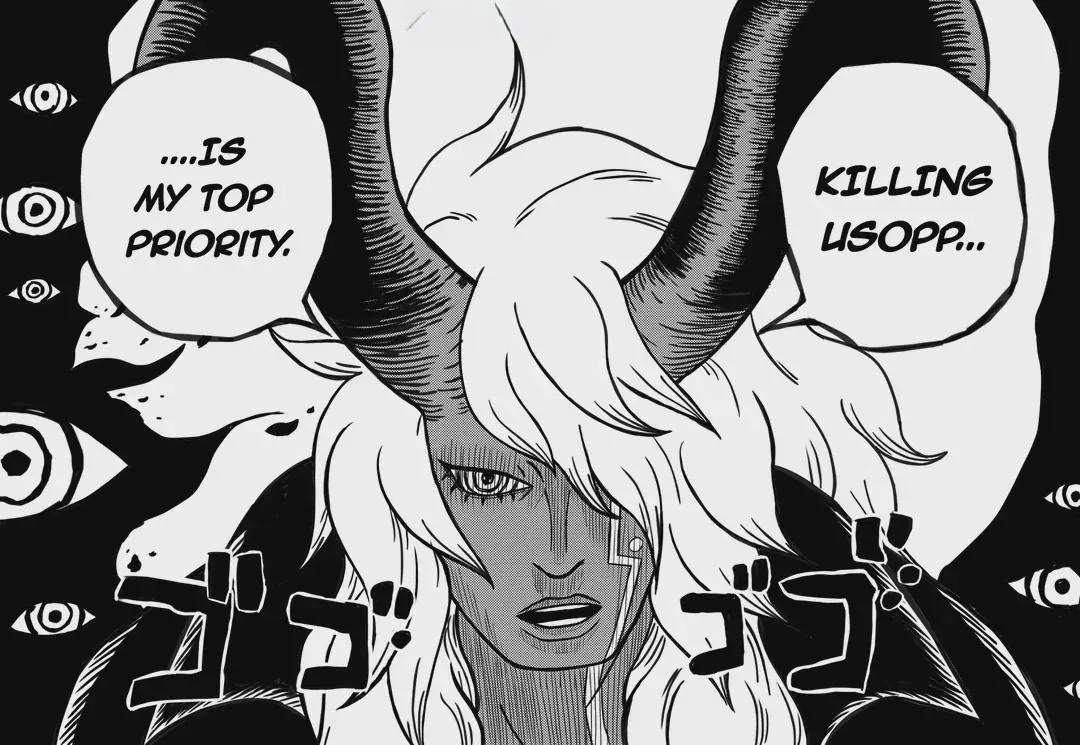
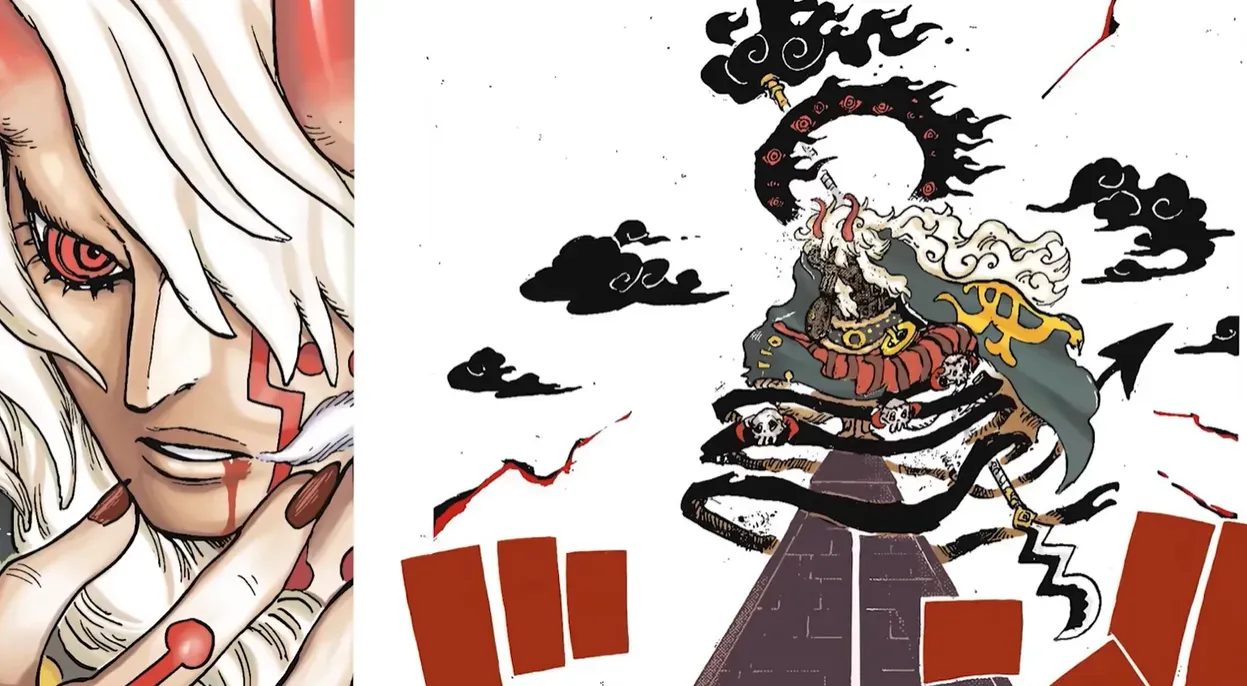 Also ReadOne Piece Chapter 1180 "Omen" Spoilers: Imu's God-Like Power Destroys Zoro & Sanji
Key Differences: Live-Action vs. Anime Storytelling
The conversation around adaptations has expanded recently to include live-action ventures. Exploring live-action vs anime challenges reveals a fundamental difference in how audiences process information. Anime allows for exaggerated expressions and physics-defying action that feel natural within its medium. When these same elements are translated to live-action, they can often appear "cringe" or unrealistic without a massive budget and visionary direction. Nagamine’s insights suggest that while anime has the freedom of infinite imagination, live-action is bound by the physical world, making the translation of "manga logic" incredibly difficult.
Anime Storytelling vs Disney
When comparing anime storytelling vs Disney, the differences in structure become apparent. Western studios like Disney often follow a very specific "hero's journey" template with a focus on clear-cut moral resolutions. In contrast, successful manga adaptations often embrace ambiguity, long-form character growth, and complex hierarchies of power. This unique narrative structure is what makes anime stand out, but it is also what makes it difficult for traditional Western production houses to adapt without losing the original's essence.
The Importance of Staying Faithful to Source Material
The golden rule for any director is maintaining the integrity of the original work. Staying faithful doesn't mean a frame-by-frame recreation, but rather a commitment to the themes and character beats that fans love. Tatsuya Nagamine has often noted that the most successful manga adaptations are those where the staff are genuine fans of the work. This passion ensures that even when changes are made for the sake of timing, the emotional core of the story remains intact. Fans can sense when a project is a "cash grab" versus a labor of love.
Insights into Successful Manga Transitions
What sets a masterpiece apart from a mediocre adaptation? Success often stems from a combination of high production values and a clear directorial voice. Projects that achieve successful manga transitions typically feature:
- Consistent art style that evolves with the story's tone.
- Voice acting that adds a new layer of personality to the characters.
- Strategic use of music to enhance emotional stakes.
- A production schedule that allows for high-quality "Sakuga" moments during pivotal fights.
Conclusion: The Future of Anime Adaptations
As the industry moves forward, the lessons learned from both failures and successes will shape the next generation of content. The future of anime adaptations looks promising as studios increasingly recognize the value of directorial expertise and fan feedback. By listening to the insights of veterans like Tatsuya Nagamine and respecting the delicate balance of storytelling, the industry can ensure that the transition from page to screen continues to captivate audiences worldwide.










// Comments