

Country Inspirations
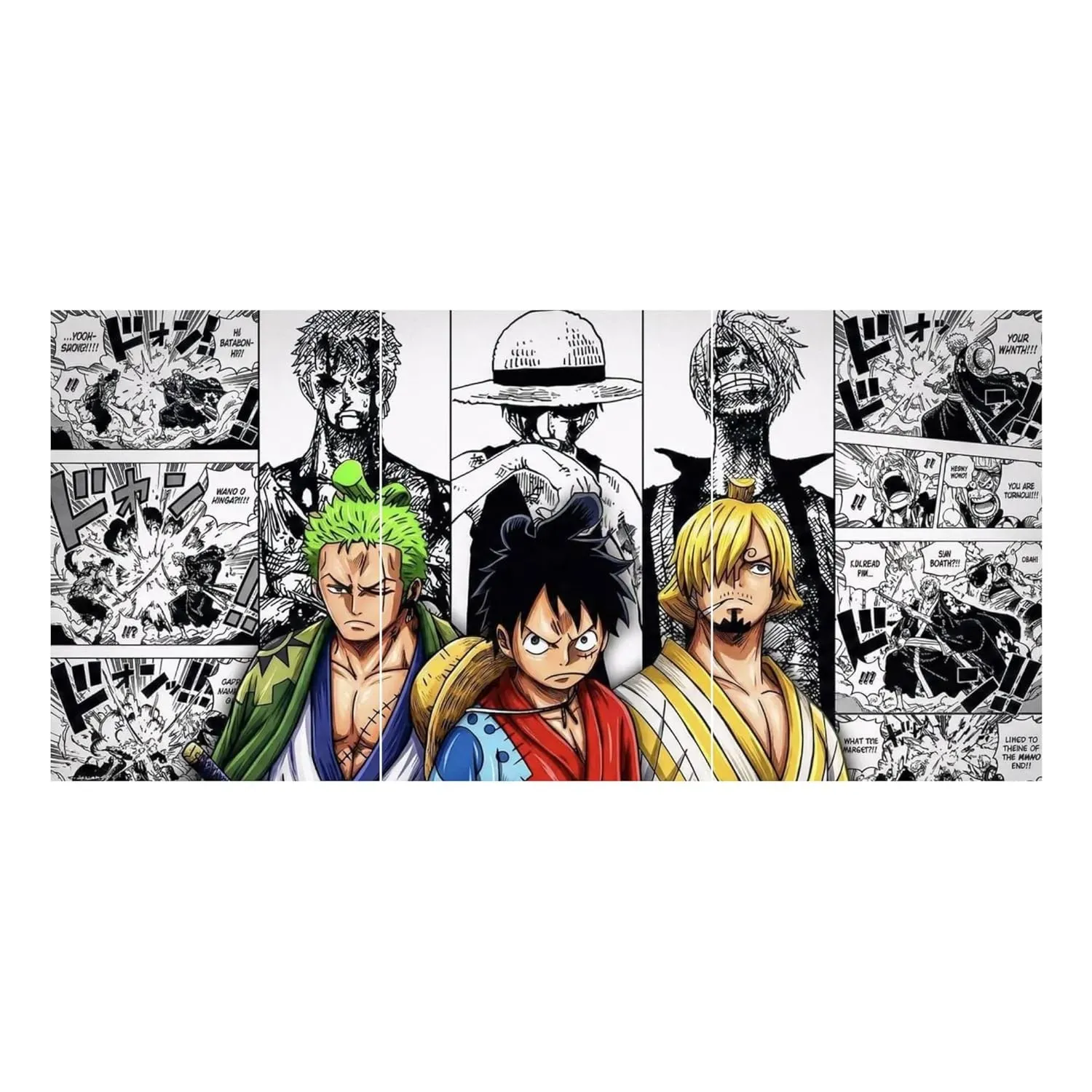
Eiichiro Oda’s world-building is legendary, and much of the Grand Line is built upon One Piece real world inspiration. By blending architectural styles, geography, and local customs, Oda creates islands that feel lived-in and historically grounded. One of the most prominent examples is Wano Country, which is a direct homage to feudal-era Japan, specifically the Edo period. From the cherry blossoms to the isolationist policies, the Oda influences here are deeply rooted in Japanese heritage.
Other notable country-based inspirations include:
- Dressrosa (Spain): The architecture, passionate culture, and flamenco-style clothing are heavily inspired by Spanish cities like Barcelona and its Gaudí-designed buildings.
- Water 7 (Venice, Italy): This city is a beautiful recreation of Venice, featuring canals, gondolas (Bulls), and an annual "Aqua Laguna" high tide that mirrors Venice’s flooding issues.
- Alabasta (Egypt): The desert landscape, the architecture of Alubarna, and the focus on river-based civilization clearly reflect ancient Egyptian culture.
- Mary Geoise (France): The home of the Celestial Dragons bears a striking resemblance to the Château de Chambord in France, representing opulence and divine right.
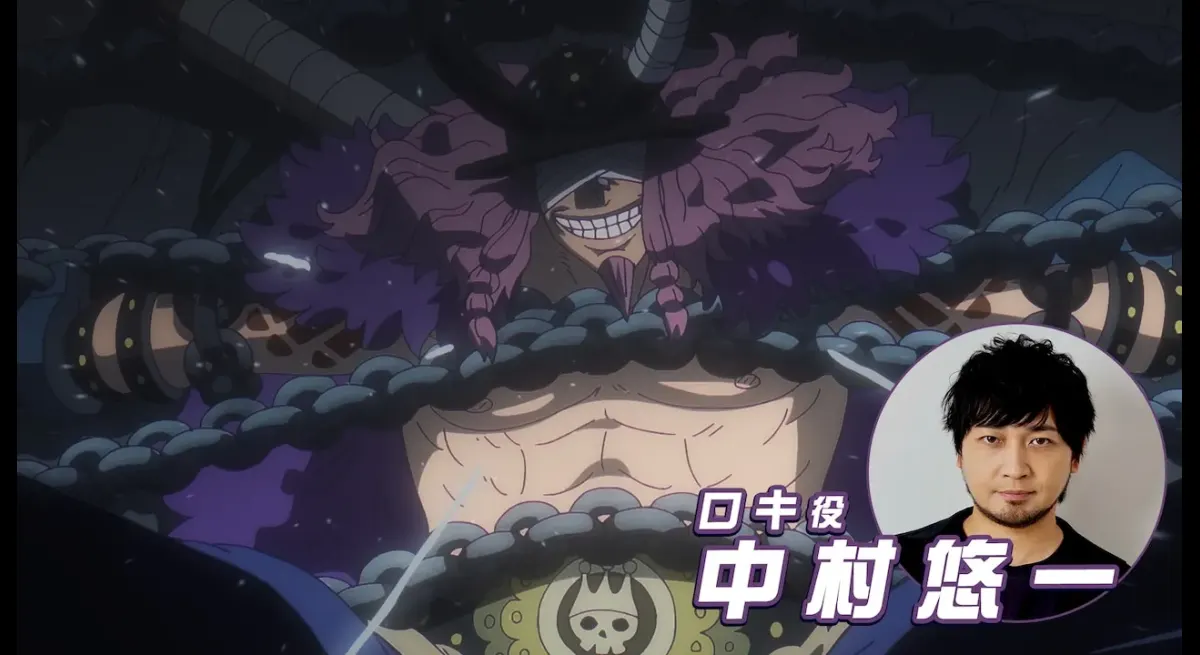 Also ReadYuichi Nakamura as Loki in "ONE PIECE": Elbaf Edition OP by Aina The End
Historical Figures
The characters in One Piece are often more than just imaginative designs; many are based on famous historical figures. This layer of One Piece real world inspiration adds depth to the narrative. For instance, the legendary figure of Gol D. Roger is widely believed to be inspired by Henry Avery or Olivier Levasseur, famous pirates who left behind mysterious treasures or "cryptograms" for others to solve.
Oda influences also extend to political and social leaders. The character of Emporio Ivankov is a tribute to Tim Curry’s portrayal of Dr. Frank-N-Furter, but also reflects the flamboyant energy of real-world LGBTQ+ icons. Furthermore, the Five Elders and various World Government officials often bear resemblances to major 20th-century political figures, such as Mikhail Gorbachev or Abraham Lincoln, grounding the series' power struggles in familiar historical imagery.
Pirate History
As a series about pirates, it is no surprise that the Golden Age of Piracy serves as a massive well of Oda influences. Many names in the series are direct pulls from the history books. The most obvious is Edward Newgate (Whitebeard) and Marshall D. Teech (Blackbeard), both named after the real-life pirate Edward Teach, famously known as Blackbeard. The name "Newgate" also refers to a famous London prison where many pirates were held.
Other pirate-related references include:
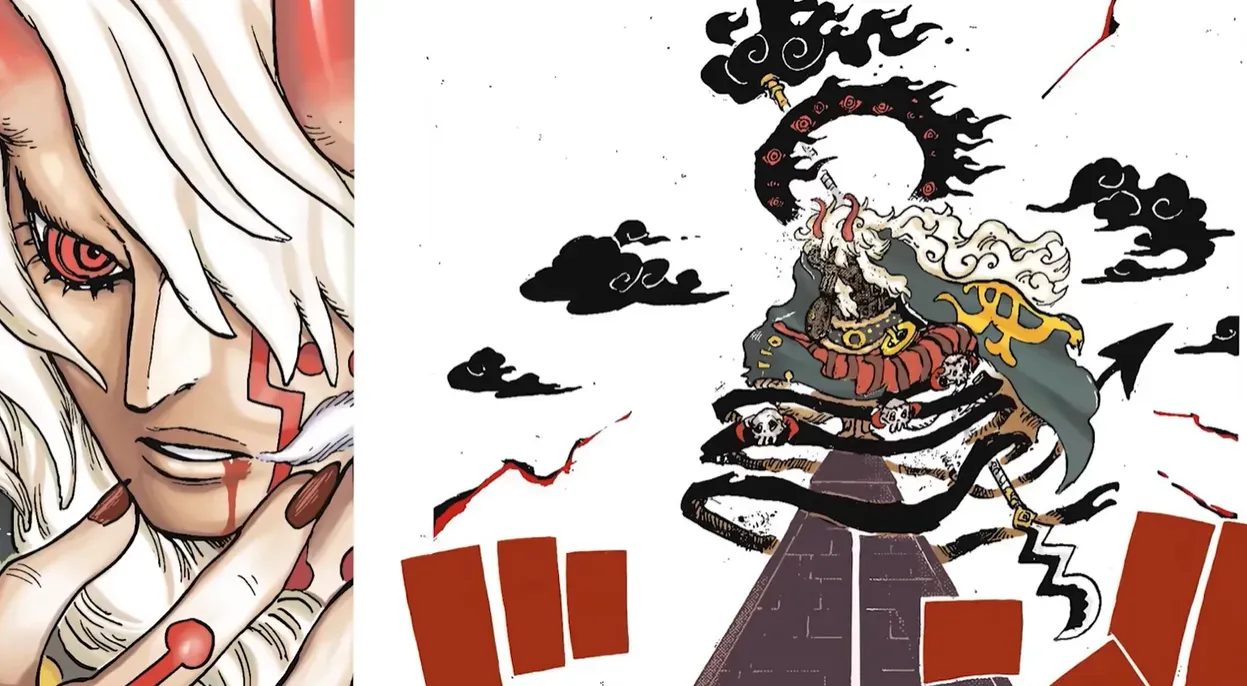 Also ReadOne Piece Chapter 1180 "Omen" Spoilers: Imu's God-Like Power Destroys Zoro & Sanji
- Jewelry Bonney: Named after Anne Bonny, one of the most famous female pirates in history.
- Eustass "Captain" Kid: Named after the privateer William Kidd and the monk-pirate Eustace the Monk.
- Roronoa Zoro: His surname "Roronoa" is the Japanese phonetic translation of François l'Olonnais, a notoriously cruel French buccaneer.
- X Drake: Named after Sir Francis Drake, the famous English sea captain and privateer.
Mythology References
One Piece real world inspiration is heavily saturated with global mythology. Oda frequently incorporates gods, monsters, and folklore into Devil Fruit abilities and island lore. The Wano Arc, in particular, is a masterclass in Japanese mythology, featuring the Yamata no Orochi (the eight-headed serpent) and the Sun God Nika, which draws parallels to various "liberator" deities across different cultures.
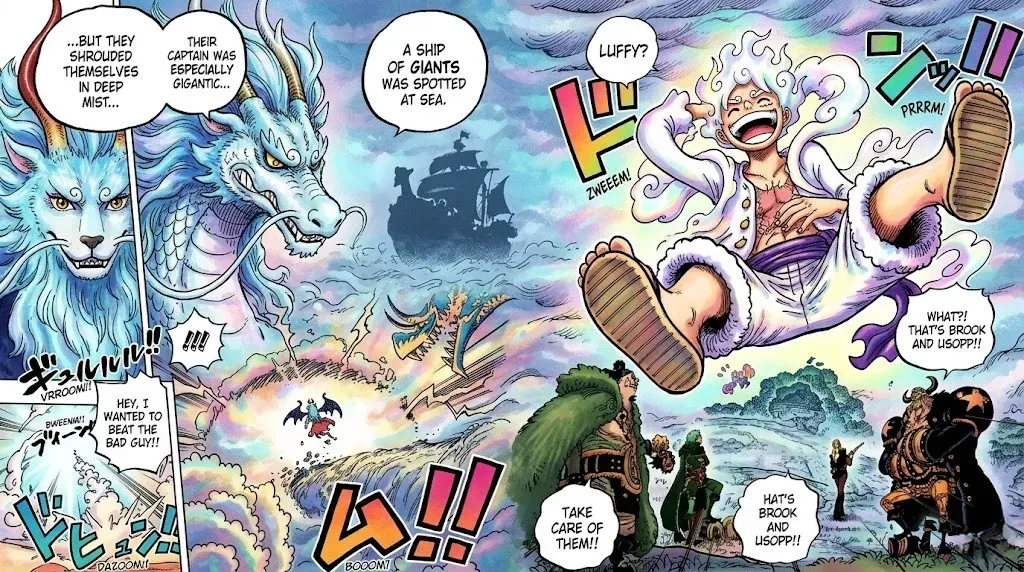
Beyond Japan, the Sky Island arc (Skypiea) incorporates elements of Mesoamerican and South Asian mythology. The concept of the "Dials" and the giant serpent Nola echoes various tribal legends. Additionally, the Mythical Zoan Devil Fruits, such as Marco’s Phoenix or Kaido’s Azure Dragon, are direct adaptations of legendary creatures that have appeared in Chinese and European folklore for centuries.
Pop Culture References
Oda is a fan of global pop culture, and these Oda influences are scattered throughout the series. The character designs often pay homage to famous actors and musicians. For example, the three original Marine Admirals—Aokiji, Akainu, and Kizaru—are modeled after the legendary Japanese actors Yusaku Matsuda, Bunta Sugawara, and Kunie Tanaka, respectively.
Other fun pop culture nods include:
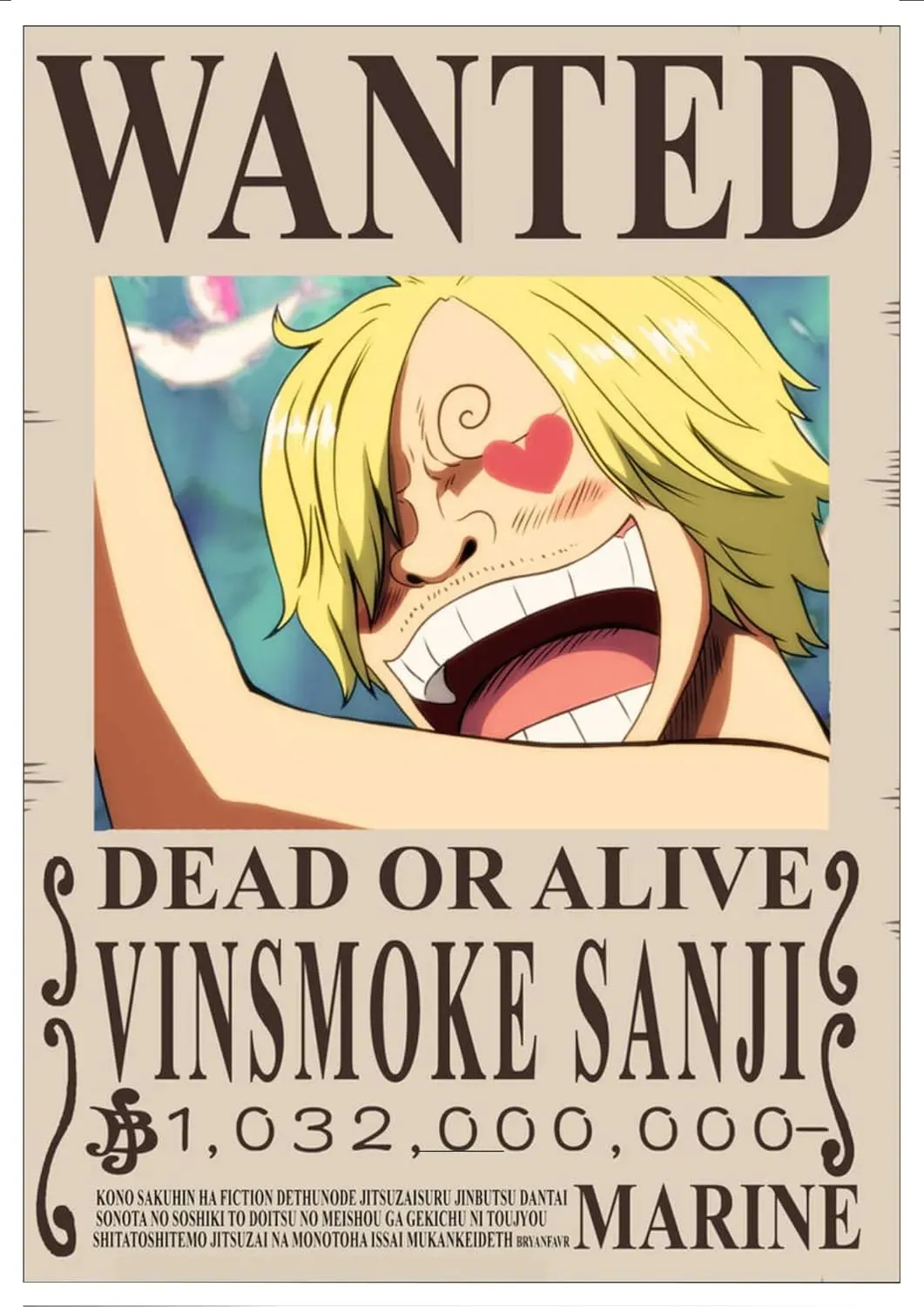
- Sanji: Originally inspired by Steve Buscemi’s character in "Reservoir Dogs," particularly his sharp suit and cool demeanor.
- Brook: His "Soul King" persona and aesthetic take heavy inspiration from rock legends like Jimi Hendrix and Slash.
- Spandam: His appearance and mask are a clear reference to the professional wrestler Mankind (Mick Foley).
- Thriller Bark: This entire arc is a love letter to classic horror cinema, including references to Tim Burton’s "The Nightmare Before Christmas" and Michael Jackson’s "Thriller."
FAQ
Is the One Piece treasure based on a real legend?
While the treasure itself is fictional, the idea of a pirate leaving behind a massive, hidden hoard is inspired by Olivier Levasseur, who allegedly threw a cryptogram into a crowd before his execution, challenging them to find his treasure.
How does Oda research these real-world inspirations?
Oda is known to use various reference books on architecture, history, and botany. He often mentions in SBS (Question and Answer) columns that he enjoys traveling and looking at photos of different cultures to spark his imagination.
Are the Devil Fruits inspired by real myths?
Many are\! Particularly the Mythical Zoan types. They are directly based on creatures from Buddhism, Japanese folklore, and Greek mythology, such as the Daibutsu (Giant Buddha) or the Hydra-like transformations.



// Comments