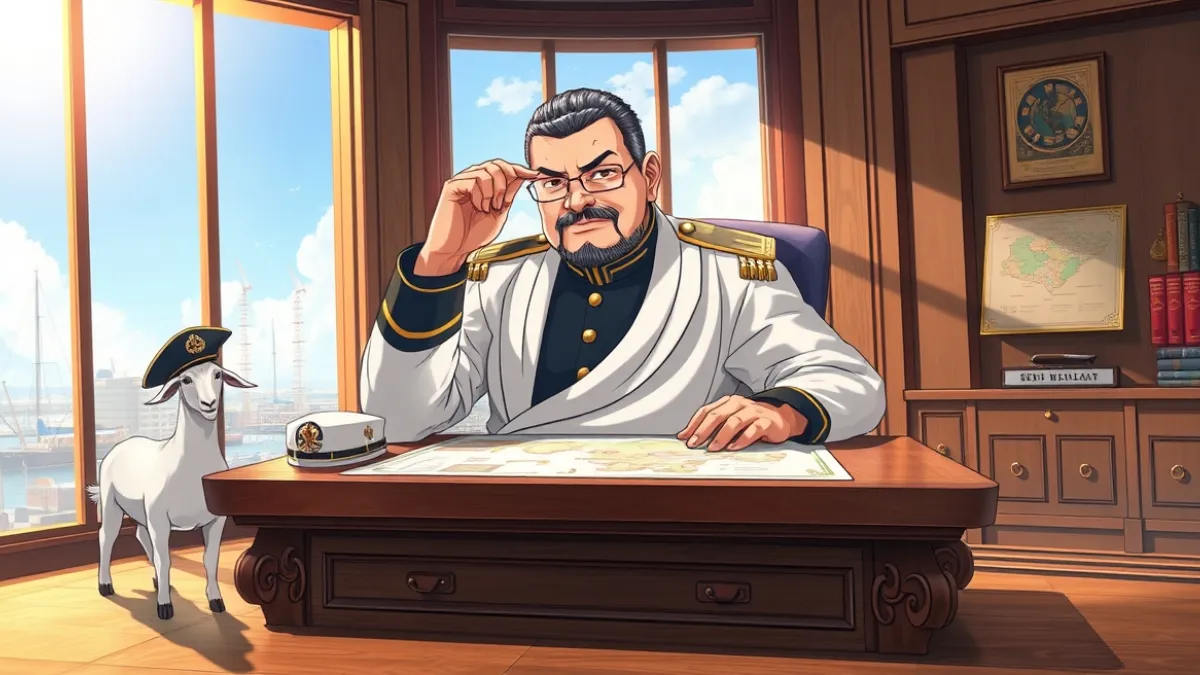

What If Sengoku Stayed as Fleet Admiral?
The world of One Piece is built on razor-thin margins. A single punch landed or missed, a secret revealed a moment too late, or a choice made in the heat of battle can reshape the entire destiny of the Grand Line. We often talk about what happens if a pirate makes a different move, but what about the man at the top of the Marine hierarchy? After the absolute chaos of the Marineford war, Sengoku decided to step down, ushering in the era of Akainu’s "Absolute Justice." But what if he hadn't? What if the "Buddha" stayed as Fleet Admiral?
This isn't just a simple swap of desk jobs. Sengoku staying in power would have fundamentally changed the temperature of the New World. While Akainu is a volcanic force of aggression, Sengoku was a master of strategy and "Reigning Justice." His presence at the helm would have steered the Marines toward a much more calculated, perhaps even manipulative, approach to the Pirate Era. Let's dig into how the landscape of the sea would look if the old guard never let go of the reins.
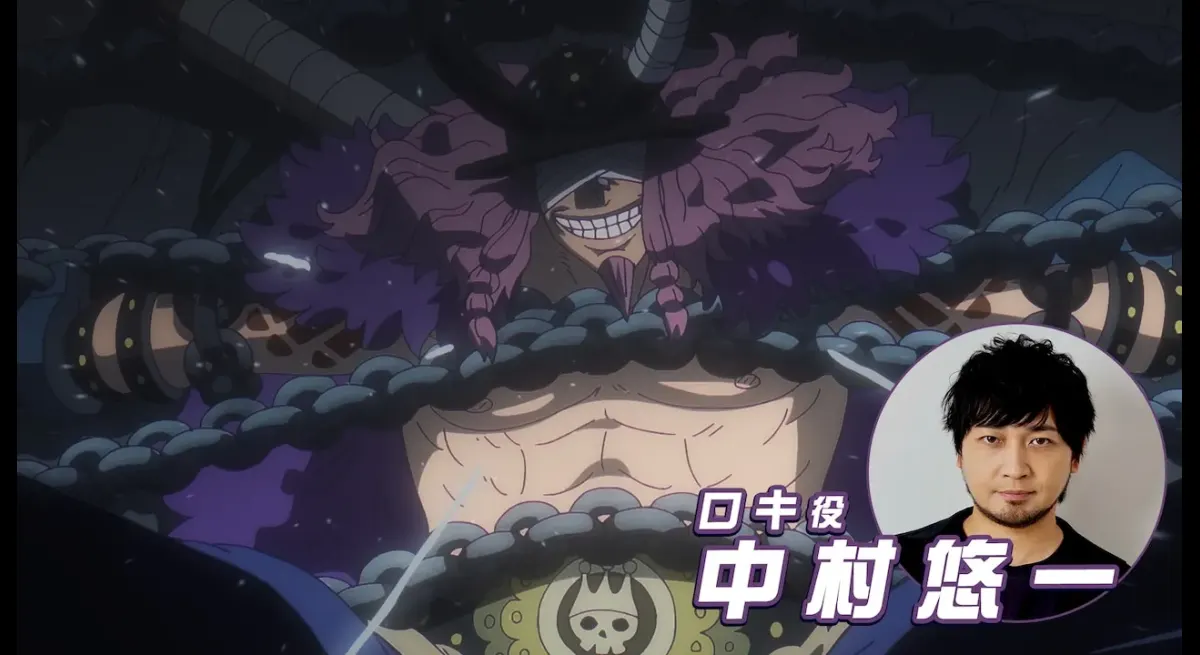 Also ReadYuichi Nakamura as Loki in "ONE PIECE": Elbaf Edition OP by Aina The End
A Different Kind of New World Order
When Akainu took over, he moved Marine Headquarters right into the New World, basically throwing a gauntlet at the feet of the Yonko. It was an aggressive, bloody statement. If Sengoku stayed as Fleet Admiral, the strategy would have likely remained more defensive and intelligence-based. Sengoku was the kind of leader who preferred to win the war before the first shot was even fired. We saw this at Marineford—the way he orchestrated the execution of Ace to draw out Whitebeard and the tactical traps he set was pure genius.
Without Akainu’s reckless drive to purge everything in his path, the relationship between the World Government and the various factions might have been less volatile but more stifling. Sengoku understood the "Balance of Three Powers" deeply. He probably would have worked harder to reform the Shichibukai rather than seeing the system abolished, using them as a necessary evil to keep the Yonko in check. This subtle strategy would mean fewer open wars, but a much more oppressive net of surveillance and tactical deployments across the islands.
The Fate of the Admirals and Aokiji's Path
The most immediate ripple effect is the fate of Kuzan. In the canon timeline, Aokiji fought Akainu for ten days at Punk Hazard because he couldn't stand the idea of Sakazuki leading the Marines. If Sengoku stays, that fight never happens. Aokiji remains a loyal Admiral, providing a "Lazy Justice" counterweight to the more extreme elements. This keeps the Marines' most versatile military asset—the Hie Hie no Mi—on the side of the law.
This also changes how the One Piece character tier list looks in terms of military might. With Sengoku, Garp (who would likely stay if his best friend did), and all three original Admirals still in play, the Marines would be an untouchable fortress. Akainu would still be a monster on the battlefield, but he’d be a caged dog, forced to follow Sengoku’s more patient plans. The internal tension within the Navy would be at an all-time high, with the younger, more aggressive soldiers feeling held back by the "old era" leadership.
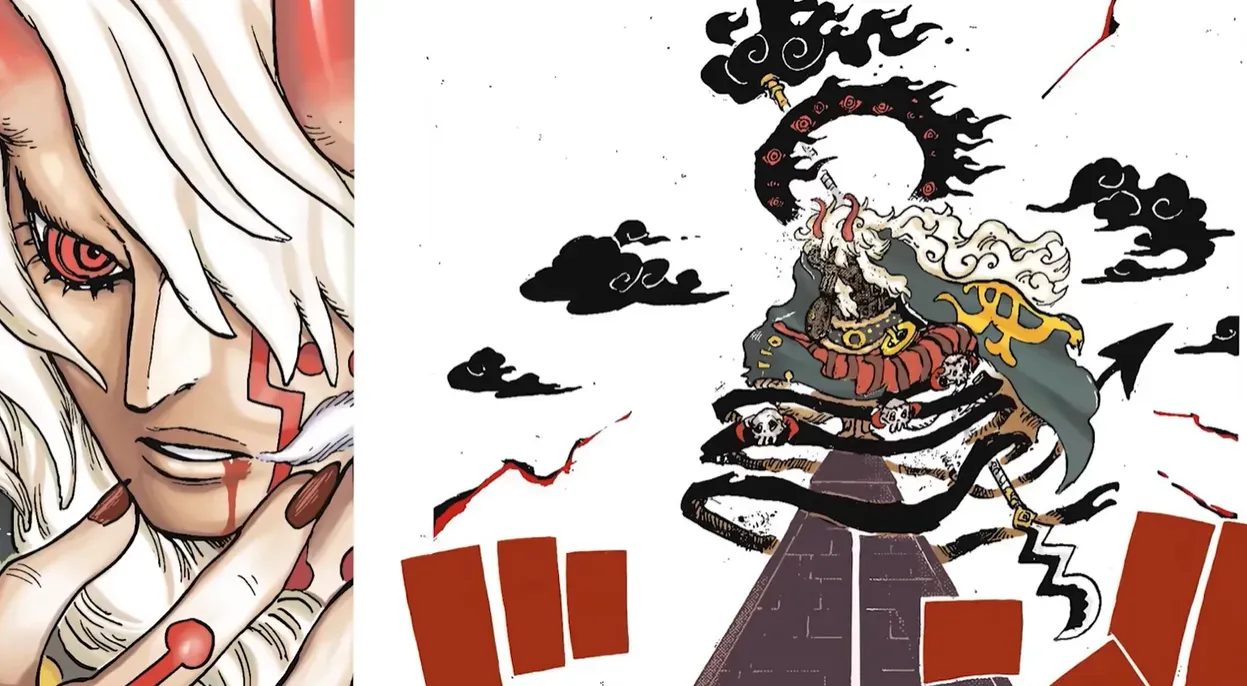 Also ReadOne Piece Chapter 1180 "Omen" Spoilers: Imu's God-Like Power Destroys Zoro & Sanji
The Straw Hats: A More Calculated Pursuit
How does this affect our favorite crew? Under Akainu, the pursuit of Luffy became personal and violent. Under Sengoku, it would be a game of chess. Sengoku knew the history of the "D" and the threat of the Void Century better than almost anyone. He wouldn't just send a fleet to blow them up; he would try to cut off their resources, manipulate their alliances, and trap them using the very islands they intended to save.
Imagine the Dressrosa or Whole Cake Island arcs if the Marines were led by a man who valued containment over destruction. The Straw Hats might have found themselves constantly "allowed" to take out certain pirates only to find the Marines moving in to secure the remains immediately after. For a look at how their powers might have handled this different pressure, you can check out every Straw Hat Devil Fruit explained to see how tactical versatility matters as much as raw strength.
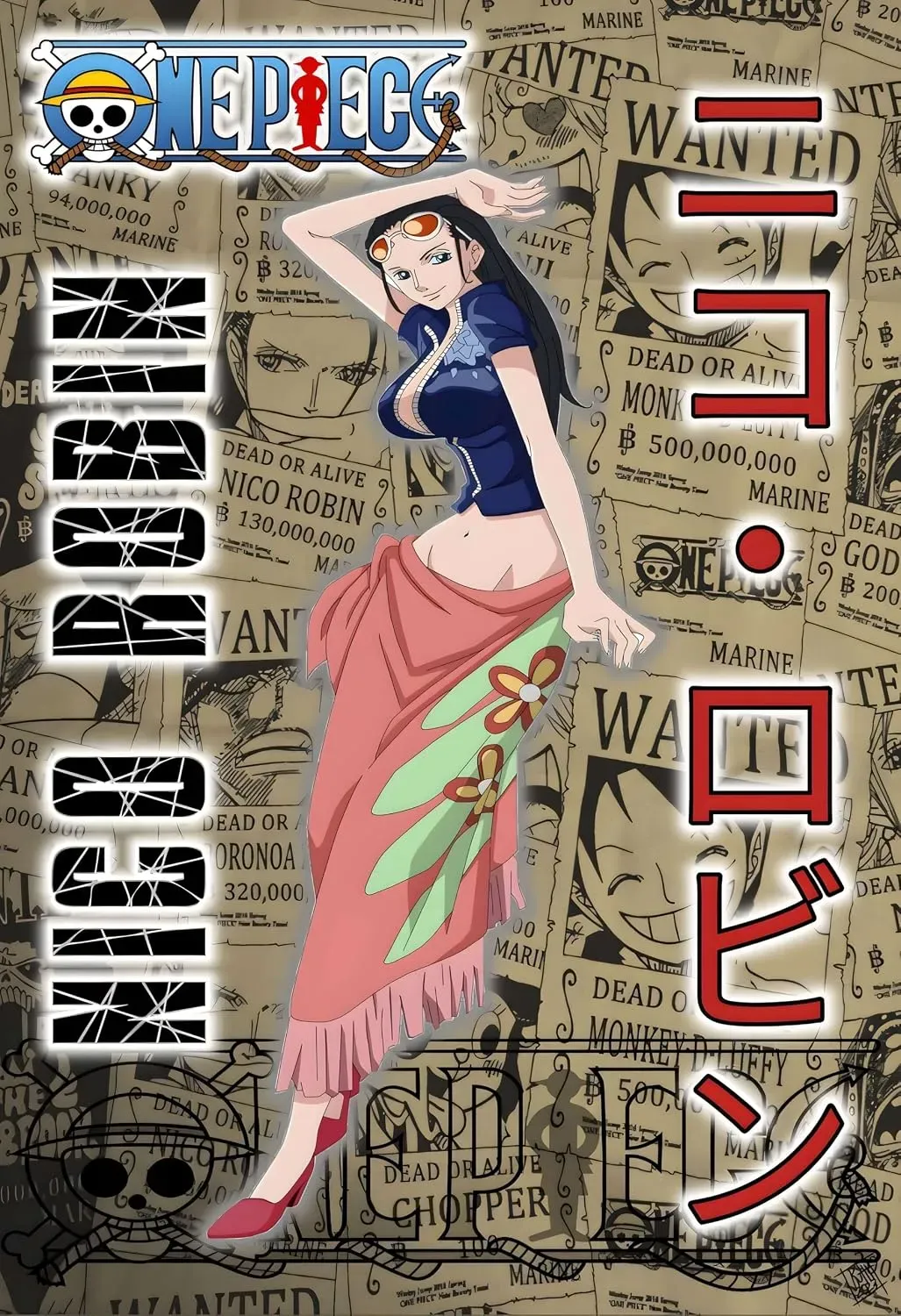
The crew dynamics would feel the heat, too. Zoro would likely find himself frustrated by the lack of direct confrontation, while someone like Robin would be in much greater danger. Sengoku understands the threat of the Poneglyphs far better than the younger generation, and his pursuit of her would be surgical and relentless.
The Impact on the Revolutionary Army
Dragon and the Revolutionaries probably had a "easier" time under Akainu because Akainu’s brutality makes for great recruitment fodder. People hate a tyrant. Sengoku, however, was a respected figure. If he stays as Fleet Admiral, the Revolutionary Army loses some of its moral leverage. It’s harder to convince a kingdom to rebel against a Marine force that seems "fair" and "strategic" rather than one that burns down whole villages for "Absolute Justice."
Sengoku’s ability to maintain public order while hiding the darker side of the World Government is what made him so dangerous for so long. The "Buddha" facade isn't just for show; it’s a tool for stability. In this alternate history, the world might feel "safer," but the secrets of the Void Century would be buried under much deeper layers of tactical bureaucracy. It would be a colder, more calculated world where the insane final saga powerups we're seeing now might have been forced out much earlier just to break through the stalemate.
Conclusion: The Burden of the Old Era
Ultimately, Sengoku staying as Fleet Admiral would have preserved a "peace" that was actually just a very well-managed status quo. He was the perfect guardian for a world that wasn't ready to change. But One Piece is a story about the inevitable tide of the new era. Even with Sengoku’s brilliant mind and his legendary strategy, the "Great Age of Pirates" was becoming too big for one man to contain—even a man with the power of a Golden Buddha.
There's something deeply poetic about Sengoku stepping down when he did. It signaled that the time for careful planning was over and the time for raw, unbridled chaos had begun. If he had stayed, the Marines might have been more "noble," but they would have eventually been crushed by the sheer weight of a world that refused to stay in the boxes he built for it. The ocean is just too wild for even the best strategist to map forever. What do you think? Would the world be better off with Sengoku’s wisdom, or was Akainu’s fire necessary to push the story toward its final, explosive end?









// Comments