Introduction to Toyotarou vs. Toriyama
The transition of the Dragon Ball franchise from its original run to the modern era has been a fascinating journey for fans worldwide. At the heart of this transition is the dynamic between the legendary creator Akira Toriyama and his hand-picked successor, Toyotarou. This Toyotarou vs Toriyama comparison explores how two different generations of artists have come together to continue one of the most iconic stories in manga history. While Toriyama provided the foundational spark, Toyotarou has become the hands that bring the new adventures of Goku and Vegeta to life in Dragon Ball Super.
 Also ReadMost Viewed Anime of All Time?
Akira Toriyama’s Influence and Legacy
To understand the Dragon Ball Super success factors, one must first acknowledge the immense Akira Toriyama influence on Toyotarou. Toriyama’s legacy isn't just about the characters he created, but his unique approach to paneling, pacing, and the "less is more" philosophy in character design. Even during the production of Super, Toriyama’s presence was felt through his original plot outlines and character designs. His ability to blend gag-manga humor with high-stakes martial arts action remains the gold standard that Toyotarou strives to uphold while forging his own path.
Toyotarou’s Art Style Evolution in Dragon Ball Super
Observing Toyotarou art style evolution is a treat for eagle-eyed fans. In the early chapters of the Dragon Ball Super manga, his work was often seen as a very close imitation of Toriyama’s 90s style. However, as the series progressed through the Moro and Granolah arcs, Toyotarou began to incorporate more detailed shading and dynamic, angular linework that distinguishes his work. This evolution shows a growing confidence, moving from a devoted fan artist to a master mangaka who understands how to utilize modern digital techniques while maintaining the "Dragon Ball feel."
 Also ReadSaitama vs Goku: The Best Fan Theories Debunked!
The Manga Creative Process and Collaboration
The Dragon Ball manga creative process is a unique collaborative effort. Typically, Toriyama would provide a written manuscript or a basic plot outline. Toyotarou then takes these ideas and creates the "name" (storyboard), adding his own flair to the fight choreography and dialogue. Toriyama would then review these drafts, offering corrections on character poses or plot beats. This synergy is one of the biggest Dragon Ball Super manga secrets; it ensures that while the execution is modern, the "soul" of the story remains tethered to the creator’s vision.
Key Success Factors of Dragon Ball Super
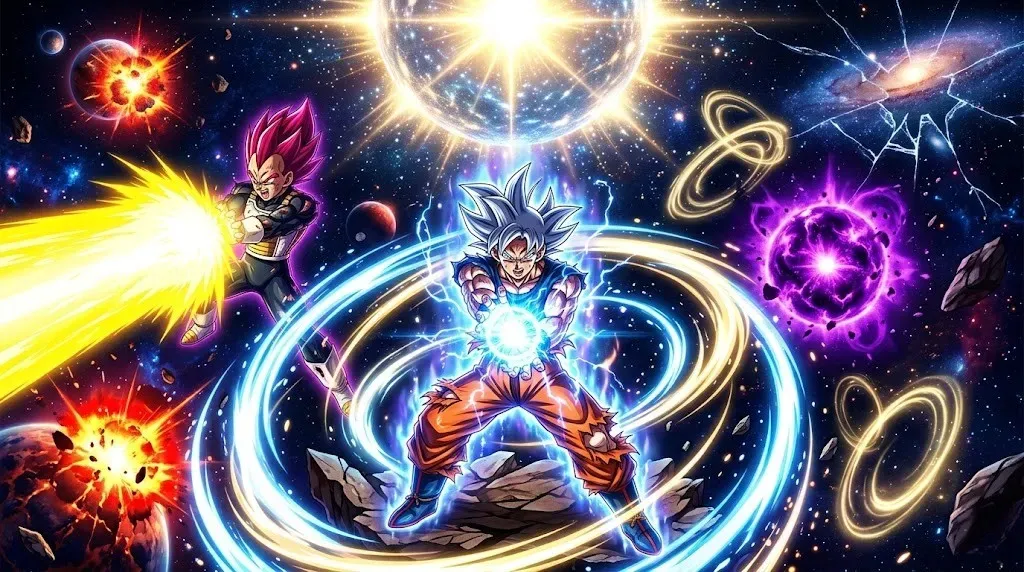
Several Dragon Ball Super success factors have contributed to its massive global popularity:
- Expansion of the Lore: Introducing Multiverses and Gods of Destruction opened endless possibilities for power scaling.
- Character Development: Giving characters like Vegeta and Piccolo significant emotional growth beyond just physical strength.
- Modern Pacing: The manga often moves faster than the anime, focusing on lean storytelling that appeals to contemporary readers.
- Nostalgia Integration: Successfully bringing back fan-favorites like Future Trunks and Frieza in ways that feel relevant to the new stakes.
Comparing the Masters: Toyotarou vs. Toriyama Breakdown
When performing a Toyotarou vs Toriyama comparison, certain distinctions become clear. Toriyama is known for his rounder, more organic character shapes and a legendary sense of spatial awareness in combat panels. Toyotarou, on the other hand, excels in intricate detail and "fan-service" moments that Toriyama might have overlooked. Toyotarou’s layouts are often denser, reflecting a more modern manga aesthetic compared to the airy, simplistic brilliance of the original Dragon Ball run. Both artists, however, share an uncanny ability to convey the sheer impact of a Ki blast or a high-speed punch.
The Future of Dragon Ball Super Manga
The future of the Dragon Ball Super manga now rests more heavily on Toyotarou’s shoulders than ever before. As he continues to master the Dragon Ball manga creative process, fans are eager to see how he handles the narrative after the "Super Hero" arc. With the foundation laid by Akira Toriyama and the refined skill set of Toyotarou, the series is well-positioned to explore new galaxies and forms. The ongoing success of the franchise proves that as long as the core themes of self-improvement and adventure remain, the legacy of Dragon Ball is in capable hands.




// Comments