

What If Usopp Was Actually a Brave Warrior from the Start?
We all know the story. A long-nosed kid runs through a peaceful village screaming about pirates that aren't there. It's funny, it's classic, and it's the foundation of everything we know about Usopp. But let’s be real for a second—Usopp’s lies were always a shield. He lied because he was terrified of the world, terrified of being alone, and terrified that he would never measure up to his father, Yasopp. But what if fate took a different turn? What if, instead of building a wall of tall tales, he decided to face the truth of his life head-on? Imagine a Usopp who was a "Brave Warrior of the Sea" before he ever even met a rubber boy in a straw hat.
This isn't just about making him "stronger" in a physical sense. It’s about a complete shift in character growth and the psychological weight of the entire One Piece narrative. In this alternate timeline, the "God Usopp" we see in Dressrosa isn't a lucky accident; he’s the result of a decade of grueling, honest preparation. Let’s dive into how this version of our favorite sniper would change the Straw Hat crew forever.
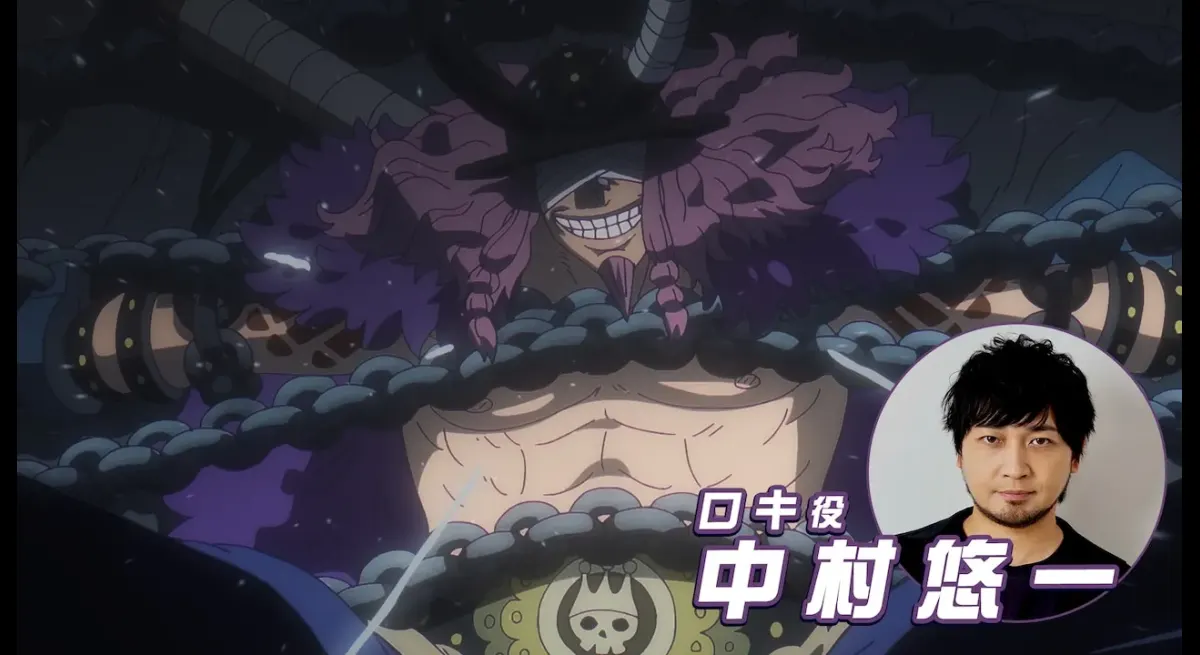 Also ReadYuichi Nakamura as Loki in "ONE PIECE": Elbaf Edition OP by Aina The End
The Boy Who Never Told a Lie: A Different Origin
The biggest change starts in Syrup Village. In the canon, Usopp starts lying the day his father leaves and keeps doing it when his mother, Banchina, falls ill. It was his way of coping with the grief. But in this world, Banchina’s death doesn't lead to denial. It leads to a raw, painful acceptance. When the village children come to see him, he doesn't put on a show. He tells them he's hurting. And you know what? The village responds. They bring him food, they sit with him, and they help him grieve. This act of receiving care without needing to "earn" it through a performance changes his entire outlook on life. He learns that honesty builds stronger bonds than fiction ever could.
Instead of running around the village, he spends those years training. He knows his father is out there on the Grand Line, and instead of chasing a ghost, he decides to match the man. He becomes a scholar of marksmanship, reading every dusty book he can find and experimenting with chemistry to build his own ammunition. By the time he's ten, he's already making his own black powder because buying it is too expensive and, honestly, making it feels more like the work of a real warrior. He's still the kid with the long nose, but the local kids don't follow "Captain Usopp"—they follow the village’s dedicated defender.
The Battle for Syrup Village
When the Black Cat Pirates finally show up, the vibe is totally different. In the original story, Usopp is barely holding it together. In this version? He's still scared—I mean, he’s a teenager facing a crew of murderous pirates—but he doesn't hide. He stands at the front. His hands are shaking so hard he can barely load his slingshot, but he doesn't let go. He fires through the fear. The children of the village watch him stand his ground, and that image of a "scared but standing" warrior is what truly inspires them. He doesn't need to lead a "Usopp Pirate" crew because the whole village already respects him as their own.
Meeting the Straw Hats: No Captain, Just a Sniper
When Luffy, Zoro, and Nami arrive, there’s no "Great Captain Usopp" with 8,000 men. The truth comes out the second they meet: he’s a kid from a small village with a talent for sniping and some weird inventions. Luffy, being who he is, doesn't care about the lack of a title. He sees the skill and the heart. The dynamic shifts because Usopp joins the crew as a specialist who knows exactly who he is. He isn't trying to keep up with the "Monster Trio" through bluster; he’s supporting them through precision.
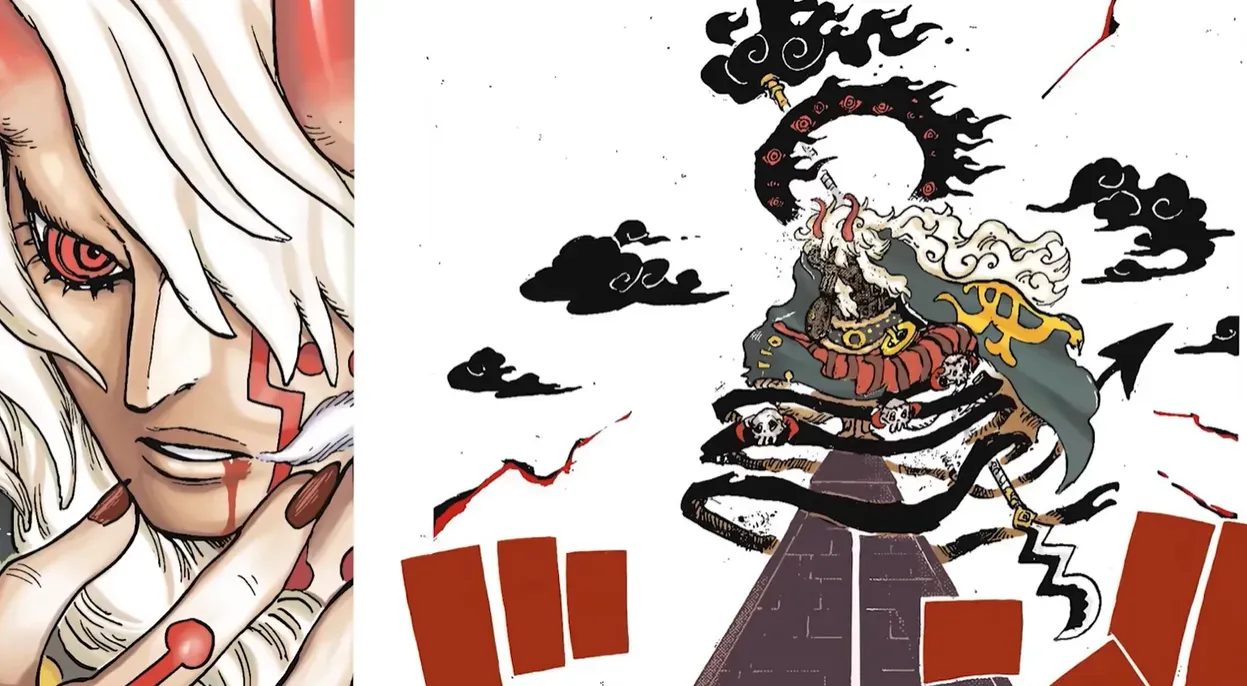 Also ReadOne Piece Chapter 1180 "Omen" Spoilers: Imu's God-Like Power Destroys Zoro & Sanji
This version of Usopp would probably rank much higher on a One Piece character tier list earlier on, not because his power level is through the roof, but because his utility is maximized. He’s the one thinking three steps ahead because he doesn't have a "hero" persona to protect. He’s willing to play dirty, use traps, and retreat when necessary—not out of cowardice, but as a tactical choice. He’s the realistic anchor for a crew of superhumans.
The Death of Sogeking: Why the Mask Never Happens
One of the most iconic moments in One Piece is the introduction of Sogeking. We love the theme song, we love the cape, but let’s be honest—Sogeking was born out of Usopp’s shame. He couldn't face the crew after his fight with Luffy in Water 7, so he hid behind a mask. But in a world where Usopp has always been honest about his fear, there is no need for a mask. He doesn't have "psychological armor" because he’s spent his whole life processing his vulnerability in the open.
Think about the Enies Lobby arc. Imagine Usopp standing on that tower, looking at the World Government flag. He isn't "The King of Snipers" from a distant land. He is just Usopp, a guy who is absolutely terrified of the Buster Call, but is going to shoot that flag anyway because his friend, Robin, needs him to. The emotional impact of him doing that as *himself* is actually much more intense. He’s showing the world—and the crew—that you don't need a secret identity to be a hero. You just need to stay in the fight when you want to run away.
The Water 7 Conflict: A Painful Maturity
The fight over the Going Merry would still happen because it was about more than just a ship—it was about Usopp’s fear of being replaced. But without the lying habit, the argument with Luffy is much more direct. It’s a tragedy of two friends who are being honest but can't find a middle ground. There’s no fracture where he leaves the crew and comes back as a stranger. They disagree as themselves, and the resolution is built on mutual respect for their different roles. He doesn't have to "earn" his way back through a persona; he has to find the maturity to accept that even warriors lose things they love.
Internal Dynamics and Final Saga Stakes
How does this change his relationship with the rest of the crew? For one, Sanji and Zoro would probably rely on him more as a tactician. He’d be the guy working with Franky to upgrade the ship’s defenses and helping Chopper develop specialized delivery systems for medicines. He’d be the "brain" of the support unit.
As we move into the every straw hat pirate powerup in the final saga, a brave Usopp might have unlocked Observation Haki much earlier. If he isn't wasting energy on maintaining a lie, he can focus that mental discipline on his senses. By the time they hit the New World, he’d be a world-class sniper who can see through the "fog of war" literal and metaphorical. He wouldn't need a Devil Fruit to be a threat; his bravery and his eyes would be enough.
- Psychology: Bravery isn't the absence of fear, but acting while afraid. This Usopp embodies that 24/7.
- Impact: The crew becomes more grounded. They have a "normal" human who is consistently courageous, which highlights the stakes for everyone.
- Relationships: His bond with his father becomes the ultimate goal. He isn't trying to prove he's a "king"—he's trying to prove he's a son worthy of the name.
Conclusion: The Heart of a Son, Not a King
Ultimately, a "Brave Usopp" from the start would be a very different character, but in some ways, he’d be the most relatable Straw Hat. We all feel that shaking in our hands when things get tough. The tragedy of the canon Usopp is that he felt he had to lie to be loved. The triumph of this alternate Usopp is that he realizes he is enough just as he is. When he finally stands across from Yasopp in the New World, it won't be a meeting of two "Sniper Kings." It will be a son looking his father in the eye and saying, "I stayed, I fought, and I'm still here." And that, to me, is the bravest thing anyone in the One Piece world could ever do.
What do you guys think? Do you prefer the "liar to hero" arc we got, or do you think a more consistently brave Usopp would have been even better? I think the Sogeking moment is too iconic to lose, but there's something so beautiful about the idea of Usopp never needing to hide his face. Let me know your thoughts in the comments—I'm curious if you think he'd still be the heart of the crew without his tall tales!






// Comments