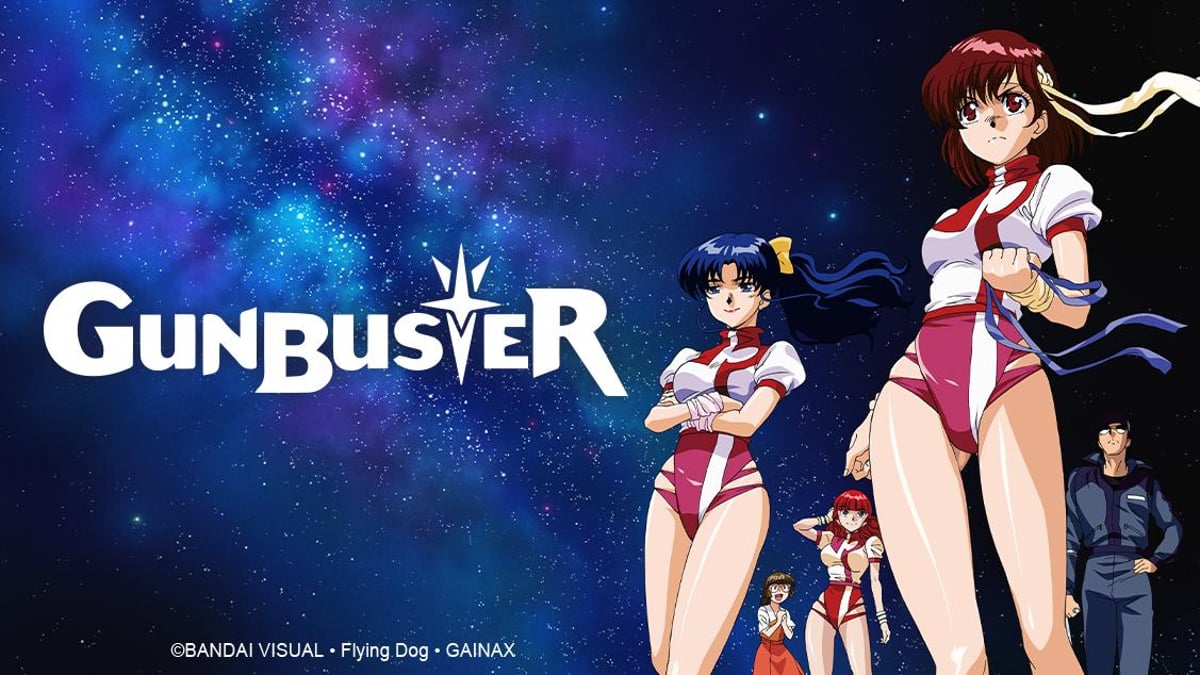
Why Gunbuster is a Sci-Fi Masterpiece: Exploring the Anime and Manga Evolution
If you love mecha or hard science fiction, you probably already heard of Gunbuster. Released in the late 80s, it marked the directorial debut of Hideaki Anno and basically changed how we look at space travel in anime. It isn't just about big robots hitting monsters; it is a deeply emotional story about how much humanity has to sacrifice to survive the cold reaches of space. Even after decades, it remains a pillar of the genre that influenced countless shows like Evangelion and Gurren Lagann.
What is Gunbuster | Have Anime and Manga
The term Gunbuster | Have Anime and Manga describes a franchise that started as a legendary six-episode OVA (Original Video Animation) produced by Studio Gainax. While the anime is the most famous version, there are also manga adaptations and spin-offs that expand on the lore. The series was actually intended to be a parody of 70s sports anime like Aim for the Ace! but it took a sharp turn into serious, high-concept drama. This mix of "hard work and guts" with realistic physics made it a massive success for Gainax, helping the studio find its footing after earlier financial struggles.
Quick Facts at a Glance
| Feature | Details |
|---|---|
| Original Creator | Toshio Okada / Gainax |
| Director | Hideaki Anno |
| Studio | Gainax |
| Release Year | 1988 |
| Main Genres | Mecha, Sci-Fi, Drama |
Plot Summary
In the year 2023, humanity discovers a race of insect-like aliens known as Space Monsters that want to wipe out all life. The story follows Noriko Takaya, a young girl whose father died in a space disaster. She enrolls in a pilot training school but struggles because she doesn't seem to have any natural talent. Everything changes when a new coach arrives and sees her hidden potential. Noriko is eventually sent into space to pilot the ultimate weapon, Gunbuster. The biggest twist is that as the pilots travel at near-light speeds, they experience time dilation. While they fight for a few months, years or even decades pass on Earth, meaning they return home to find their friends and family have aged or passed away.
Main Characters
- Noriko Takaya: The emotional heart of the series. She starts as a clumsy, insecure student and evolves into a legendary pilot through sheer determination.
- Kazumi Amano: Noriko's idol and "Big Sister" figure. She is the top student at the academy, but she also carries a heavy burden of responsibility.
- Coach Ohta: A stern veteran who survived the attack that killed Noriko's father. He pushes Noriko to her limits because he knows she is the only hope for humanity.
- Jung Freud: A rival pilot from the Soviet Union who eventually becomes a close ally and friend to Noriko and Kazumi.
Why it is worth watching
There are so many reasons why this is a sci-fi masterpiece. First, the animation is incredible for its time, featuring the famous "Gainax Pose" and detailed mechanical designs. More importantly, it handles special relativity in a way few other shows do. The tragedy of characters losing their connection to Earth because of time jumps is genuinely heartbreaking. If you want to see where the themes of modern mecha anime really began, you have to watch this. It transitions from a lighthearted parody to a black-and-white cinematic epic that feels like a big-budget movie. The final episode is widely considered one of the best endings in the history of the medium.
Conclusion
Whether you are a fan of Hideaki Anno or just like a good sci-fi story, Gunbuster is essential viewing. It proves that you don't need a hundred episodes to tell a story that feels massive and stays with you forever. It balances high-stakes action with a very human look at isolation and duty. If you haven't seen it yet, you're missing out on a piece of history that still feels fresh and powerful today. Just make sure to bring some tissues for that final scene—it hits hard every single time.

format(webp))













// Comments