From a 5-ton hammer bluff in Alabasta to the sentient squirrel warhammer of the Giant King — how Oda may have been building to this for 20 years
One Piece's Elbaf arc has handed theorists more narrative ammunition than almost any arc before it. But one theory cuts deeper than almost all the rest — not because it is the most complex, but because it is supported by twenty years of setup hiding in plain sight. The idea that Usopp will eventually lift Ragnir, the sentient warhammer of Prince Loki, draws on Usopp's oldest running joke, his most distinctive combat mechanic, his most iconic title, and a specific type of hero moment that Oda has been carefully deferring since Dressrosa. This is not a casual theory. It is a thesis built on patterns.
Current Canon Status — Chapter 1174
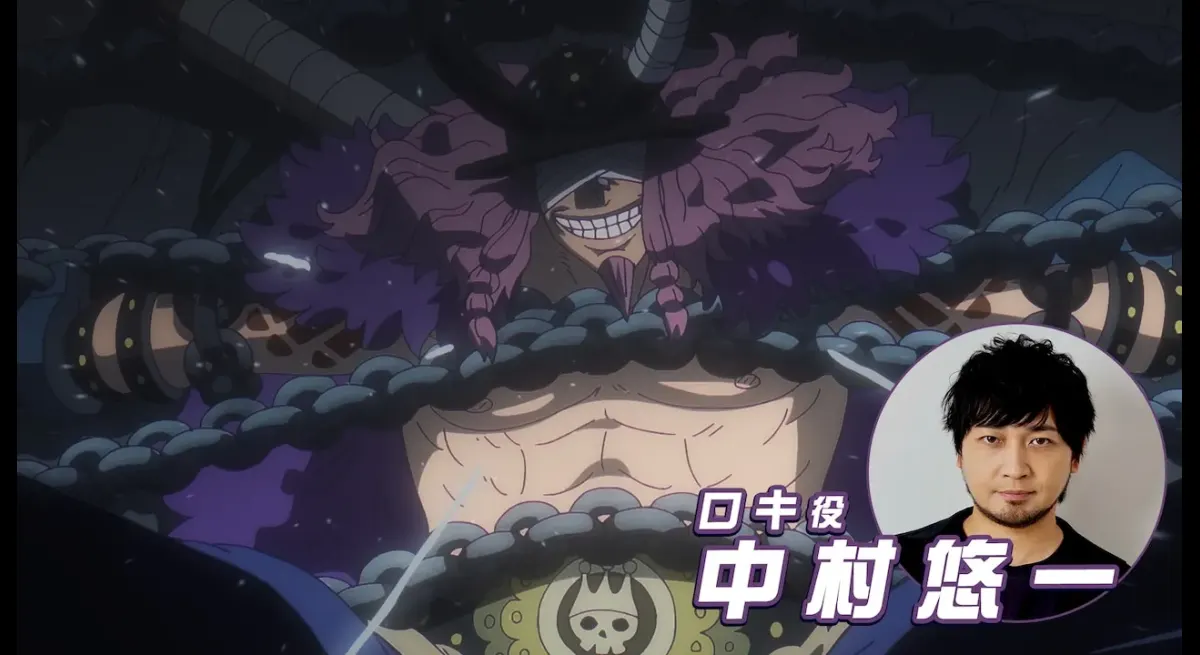
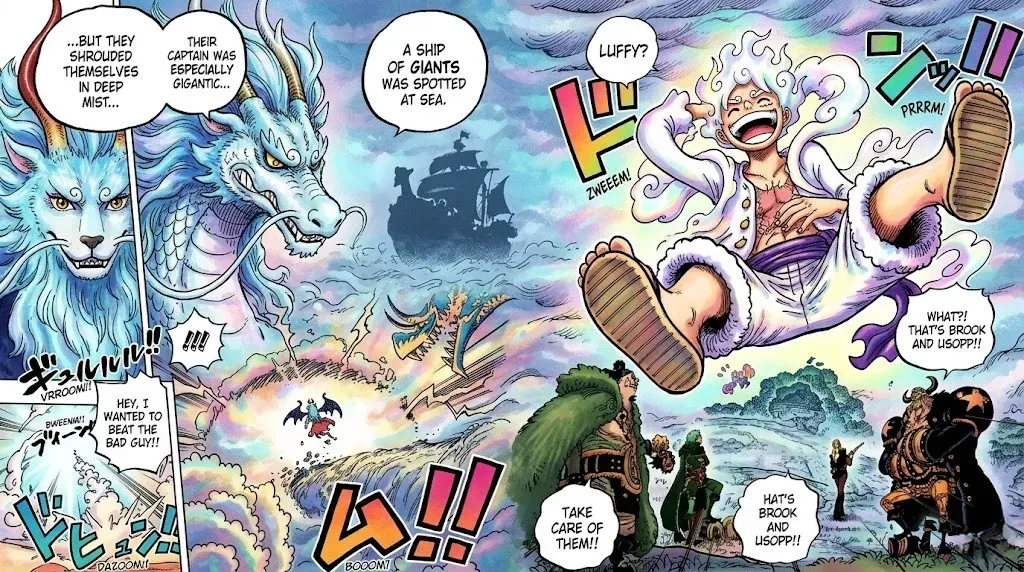
As of the latest release, Ragnir remains completely loyal to Prince Loki. In Chapter 1174's closing sequence, Ragnir is shown in squirrel form riding atop Loki's head — who is in full Nidhoggr dragon form — charging alongside Gear 5 Luffy against the MMA Monsters. No transfer of the hammer has occurred. Everything discussed below is fan theory for future chapters.
 Also ReadYuichi Nakamura as Loki in "ONE PIECE": Elbaf Edition OP by Aina The End
Argument I: The "Lie Becomes Truth" Pattern — 20 Years of Setup
Usopp's defining narrative mechanic is not his sniping accuracy or his Pop Green arsenal. It is the consistent, Oda-ordained pattern in which Usopp's most outrageous lies eventually become literal fact. This is not coincidence or comedy — it is a structural device Oda uses to foreshadow Usopp's future. And no lie fits the Ragnir theory more precisely than the hammer bluffs.
Alabasta: The Lie
Usopp Bluffs About a 5-Ton Hammer

In Alabasta, Usopp fabricates wielding a massive hammer as part of a bluff to intimidate enemies. There is no hammer. There is no special ability. The claim is pure invention — but it is specific: not a sword, not a gun, a hammer. Oda doesn't make arbitrary choices with Usopp's lies.
Thriller Bark: The Lie (Escalated)
Usopp Bluffs About a 10-Ton Hammer

 Also ReadOne Piece Chapter 1180 "Omen" Spoilers: Imu's God-Like Power Destroys Zoro & Sanji
The hammer bluff returns in Thriller Bark, scaled up to ten tons. Oda doubles down on the same specific weapon type across two separate arcs — an intentional repetition, not a recycled joke. Each time Usopp claims the hammer, the number grows. The pattern is building toward something real.
Dressrosa: The Truth (Partial)
"God Usopp" — The Deity Title Manifests

In Dressrosa, Usopp's lie about being a great hero becomes literal when he saves thousands of people and is spontaneously deified by the crowd. "God Usopp" was originally self-proclaimed fiction. Then it became his real title. The pattern was confirmed: lies become truth — including titles that sound like they belong to a mythological hammer-wielder.
Elbaf — ? The Truth (Pending)
Ragnir — The Hammer Lie Made Real

Ragnir is a colossal warhammer belonging to the Giant King of Elbaf — the most mythologically significant hammer in the entire One Piece world. If the pattern holds, Usopp wielding Ragnir would be the definitive fulfillment of every hammer bluff across every arc. Not a five-ton lie. Not a ten-ton lie. The actual legendary hammer of a Norse giant king.
Argument II: The Squirrel & the Seed-Shooter — A Natural Bond
The worthiness mechanic around Ragnir is not purely about strength. The hammer spent centuries evaluating warriors and finding all of them unworthy — even giants presumably far more powerful than Usopp. The criteria clearly extend beyond raw power into something more personal, more instinctual. And Usopp has something no other Straw Hat does: a combat identity built entirely around seeds.
The Squirrel Instinct
What Squirrels Do — And What Usopp Does
Ragnir's Zoan form is a giant squirrel. Squirrels, in both the real world and their Norse mythological role as Ratatoskr, are fundamentally defined by their relationship with seeds — gathering, storing, and carrying them across the World Tree. Usopp's entire combat system is built around Pop Greens: botanical seeds that he plants, fires, and cultivates into weapons. No other character in One Piece has a seed-based identity. If Ragnir's squirrel instincts are real and active — as its autonomous guardian behavior suggests they are — an encounter with a seed-carrying, seed-shooting human might register not as a threat, but as a kindred creature.
Bond Through Nature, Not Power
Why This Bypasses the Strength Requirement
Every warrior Ragnir rejected was presumably attempting to claim it through a show of force — the natural approach to a legendary weapon. Loki himself earned the bond through combat, but the fight was about recognition rather than domination. A squirrel forming a bond with a seed-person would work through an entirely different axis: not combat, not power, but natural affinity. This is the only proposed mechanism by which Usopp — physically the weakest Straw Hat — could bypass Ragnir's criteria without needing to be unrealistically strong.
Argument III: The "Captain America Moment" — Crisis Recognition
Speculated Scenario — Future Chapter

When Loki Falls — Ragnir Chooses Again
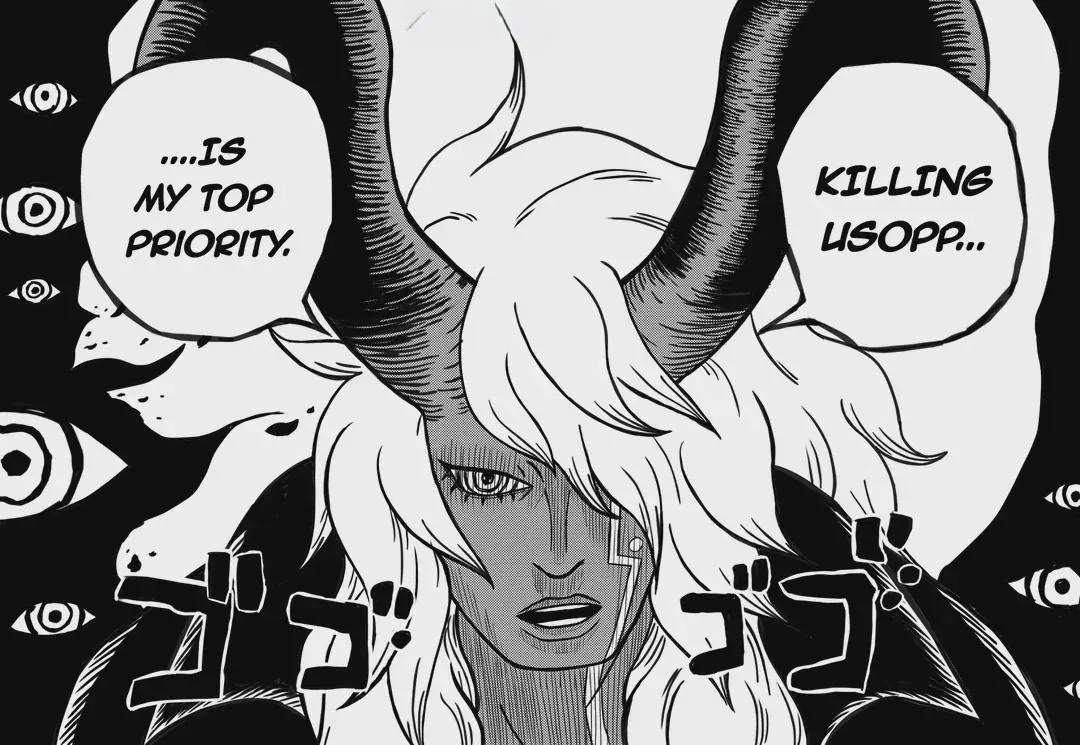
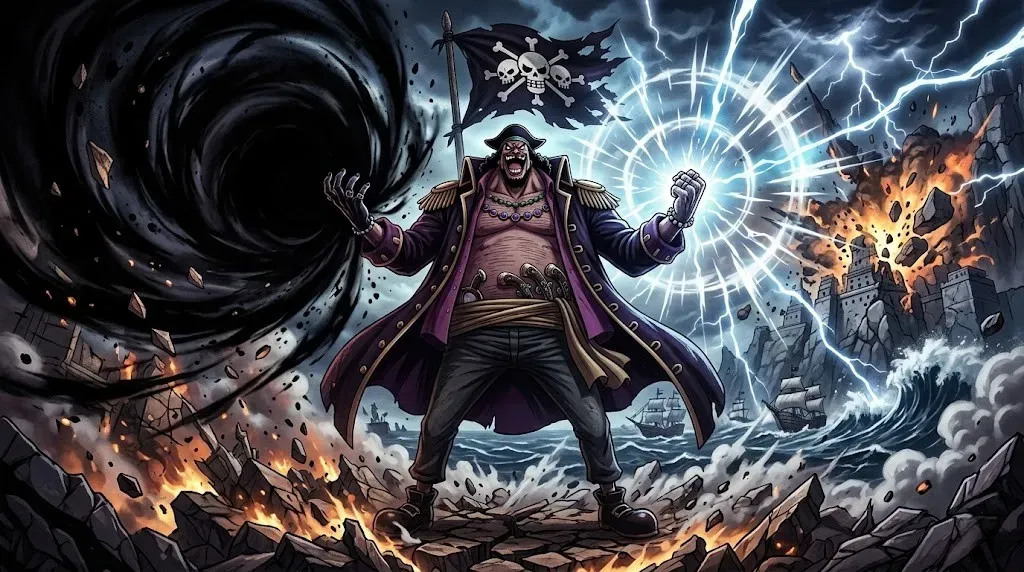
The theory's most cinematic prediction envisions a specific sequence: Loki is incapacitated by Imu's Domi Reversi ability — his dragon form corrupted, his will suppressed, his body turned against his allies. Ragnir, suddenly without its partner, lies motionless. Every powerful fighter nearby attempts to lift it and fails. Then Usopp reaches for it — perhaps to use it as cover, perhaps in desperation — and it moves.
1 Loki is neutralized by Domi Reversi — his Nidhoggr form corrupted into a weapon against his own people. Ragnir is separated from its partner for the first time in 14 years.
2 Multiple fighters attempt to wield Ragnir — giants, Straw Hats, MMA Monsters. All fail. The hammer remains immovable, its worthiness mechanic active without Loki to direct it.
3 Usopp reaches for it — not from confidence, but from the desperation of needing to protect someone. His Pop Greens scatter around him as he does. Ragnir recognizes the seeds.
4 The hammer rises. Not because Usopp is the strongest. Because Ragnir judges him worthy — the God acknowledged by Dressrosa, the seed-bearer recognized by a squirrel, the liar whose hammer lie finally becomes truth.
Size Problem & the God Usopp Completion Arc

Argument IV — The Size Problem
How a Human Wields a Giant's Hammer
The most pragmatic objection to the Usopp–Ragnir theory is scale: Ragnir is proportioned for a giant, making it physically incompatible with a human wielder in conventional combat. Two solutions are theorized. First, Ragnir's Zoan nature may include a size-shifting capability — devil fruits in One Piece regularly affect scale, and a sentient weapon with its own fruit could feasibly modulate its own dimensions for a new partner. Second, Usopp's wielding of Ragnir may be a single climactic moment rather than a permanent upgrade — the act of lifting it and using it once to turn the battle would be narratively sufficient as a lie-becomes-truth fulfillment, even if Usopp never carries it as a regular weapon afterward.
Argument V — The God Usopp Arc Completion
From Self-Proclaimed Fraud to Legendary Warrior
Usopp's entire character journey is a study in the distance between who he claims to be and who he actually becomes. He called himself a brave warrior of the sea before he had any right to. He called himself a god before anyone would have believed it. He bluffed about hammers before one existed in the story. Ragnir — inspired by Mjolnir, the hammer of a literal Norse god — is the weapon that completes this arc definitionally. A "God" wields a divine hammer. The Brave Warrior of the Sea earns recognition from the one weapon that tests worthiness rather than strength. Every self-aggrandizing lie Usopp has ever told was, in Oda's design, a prediction. Ragnir is the final one.
Verdict
Theory Strength Scorecard
|
Usopp Wields Ragnir |
Status |
Argument Assessment |
|
Lie-Becomes-Truth Pattern |
STRONG |
A powerful, established concept (20 years in effect, hammer-specific). |
|
Squirrel–Seed Affinity Mechanic |
STRONG |
A powerful, established core mechanic. |
|
God Usopp Arc |
STRONG |
Completion is confirmed. |
|
Current Canon Conflict |
UNRESOLVED |
Ragnir's loyalty to Loki (Chapter 1174) is an open plot point. |
|
Captain America Crisis Scenario |
MODERATE |
A developing or moderately established scenario. |
|
Size Compatibility Solution |
SPECULATIVE |
A potential but unconfirmed solution. |
Conclusion: Twenty Years of Lying — One Hammer to Make It True
The most compelling One Piece theories are never the ones that require Oda to do something new. They are the ones that reveal how long he has been doing something we missed. The Usopp–Ragnir theory belongs to that category. A hammer bluff in Alabasta. Another in Thriller Bark. A deity title in Dressrosa. A sentient hammer in Elbaf whose worthiness criteria are uniquely compatible with the one person nobody would expect to lift it. This is not a theory assembled from fragments. It is a pattern that has been running for twenty years, waiting for the right arc to resolve it.
Whether Oda delivers the moment — Usopp lifting Ragnir in the chaos of Loki's corruption, Pop Greens scattering around him as the hammer rises — or subverts it entirely, the structural argument is airtight. The God had his title. The Brave Warrior had his courage. The liar had his hammer bluff, repeated twice, growing heavier each time. In Elbaf, the heaviest hammer in the world is waiting. And if Oda's pattern means anything, the smallest person on the island may be the only one who can lift it.




// Comments