Introduction to the Shinjuku Showdown Twist
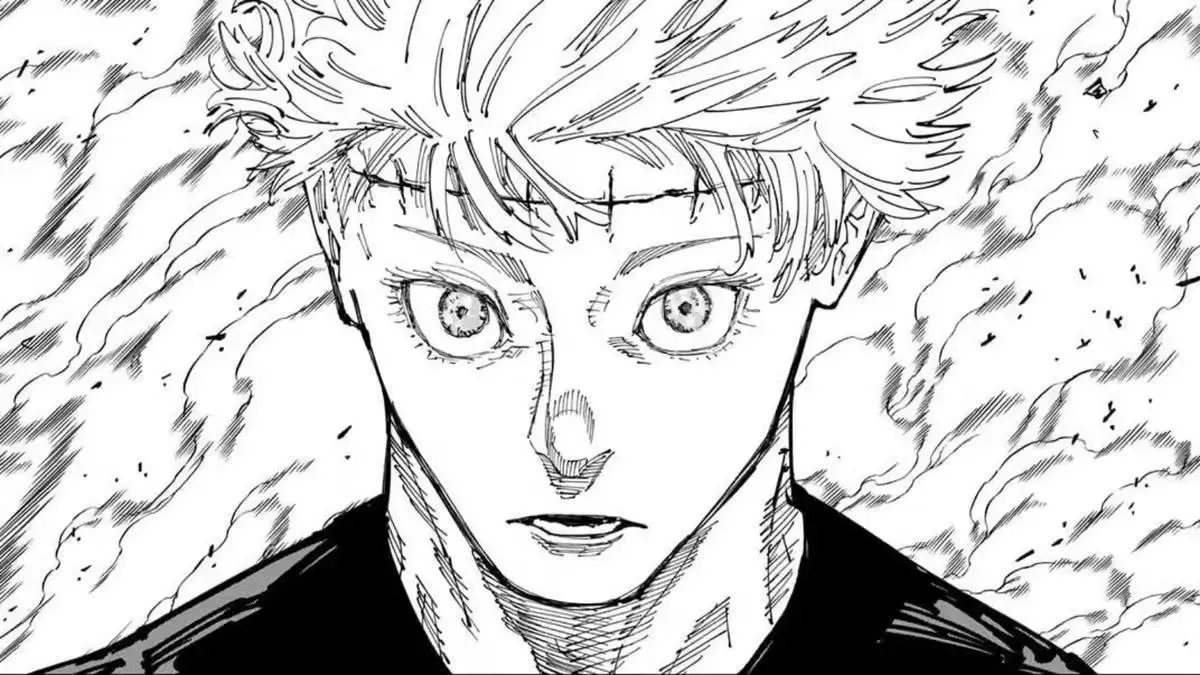
The climax of Jujutsu Kaisen has been a relentless sequence of high-stakes battles, but nothing prepared fans for the shocking Shinjuku Showdown twist involving Yuta Okkotsu and Satoru Gojo. As the battle against Ryomen Sukuna reached a desperate breaking point, the sorcerers were forced to enact a plan that defied morality and tradition. With Gojo defeated and the world on the brink of collapse, Yuta Okkotsu made a choice that would change his character forever. This twist isn't just a tactical maneuver; it is a profound exploration of what it means to be a "monster" in a world of curses.
 Also ReadSukuna's World-Cutting Slash Explained
Understanding Kenjaku's Brain Migration Technique
The core of this plan relies on the Kenjaku brain technique, an innate cursed technique that allowed the ancient sorcerer Kenjaku to survive for over a thousand years by hopping from body to body. This technique works by transplanting the user's brain into a deceased or incapacitated target, allowing the new host to retain the original body’s cursed techniques. In the context of the Shinjuku Showdown, Yuta utilized Rika to copy this specific technique after Kenjaku's defeat. The complexity of the Kenjaku brain technique is immense, as it requires perfect timing and a compatible soul to function effectively, making it one of the most dangerous and taboo procedures in the history of jujutsu.
Yuta Okkotsu's Monster Decision: Choosing the Path of No Return
Before the final battle began, the sorcerers discussed the "unthinkable" as a backup plan. Yuta Okkotsu’s monster decision was born from the realization that Gojo was the only person carrying the burden of being "the strongest." Yuta argued that if humanity needed a monster to defeat a curse like Sukuna, he would willingly cast aside his humanity to become that monster. This decision highlights Yuta's growth from a fearful boy into a leader who prioritizes the survival of his friends and the world above his own moral purity or physical life. By choosing the path of no return, Yuta accepted that even if they won, he might never return to his original self.
 Also ReadThe Mahoraga Ritual Rules Explained
The Mechanics of Yuta in Gojo’s Body
The manifestation of Yuta in Gojo body is a marvel of jujutsu mechanics. By using the copied brain migration technique, Yuta's consciousness was transferred into the remains of Satoru Gojo, which had been meticulously stitched back together by Shoko Ieiri. This allowed Yuta to access Gojo's legendary abilities:
- The Limitless: The ability to manipulate space at an atomic level.
- The Six Eyes: The essential ocular trait required to process the complex information of the Limitless and manage cursed energy consumption.
- Domain Expansion: Unlimited Void, the pinnacle of Gojo’s offensive repertoire.
However, Yuta in Gojo body is not a perfect replica. Yuta must struggle to adapt to the sensory overload of the Six Eyes while maintaining the copied technique through Rika, creating a ticking clock for his survival in this borrowed form.
Impact and Aftermath of the Body Swap in JJK
The aftermath of this body swap has sent ripples through the JJK community and the narrative itself. Strategically, it provided the necessary firepower to stall Sukuna when all other options were exhausted. Emotionally, it served as a heartbreaking tribute to Satoru Gojo, seeing his physical form return to the battlefield but piloted by his most cherished student. This development forces the remaining sorcerers to confront the grim reality of their situation—that victory often requires the desecration of the very things they are trying to protect. The body swap also raises questions about the nature of the soul and whether Yuta can ever truly inhabit Gojo's legacy without being consumed by it.
Conclusion: The Ultimate Sacrifice for Victory
The arc of Yuta taking over Gojo's body stands as the ultimate sacrifice for victory. Through the Shinjuku Showdown twist, Gege Akutami demonstrates that in the world of Jujutsu Kaisen, survival often comes at a steep psychological and physical price. Yuta Okkotsu’s willingness to use the Kenjaku brain technique proves his dedication to his friends, fulfilling his promise to not let Gojo be a monster alone. Whether Yuta survives this ordeal or not, his actions have redefined the boundaries of sorcery and the depths of a student's love for his teacher. As the final chapters unfold, the legacy of this decision will remain one of the most debated and impactful moments in the series.














// Comments