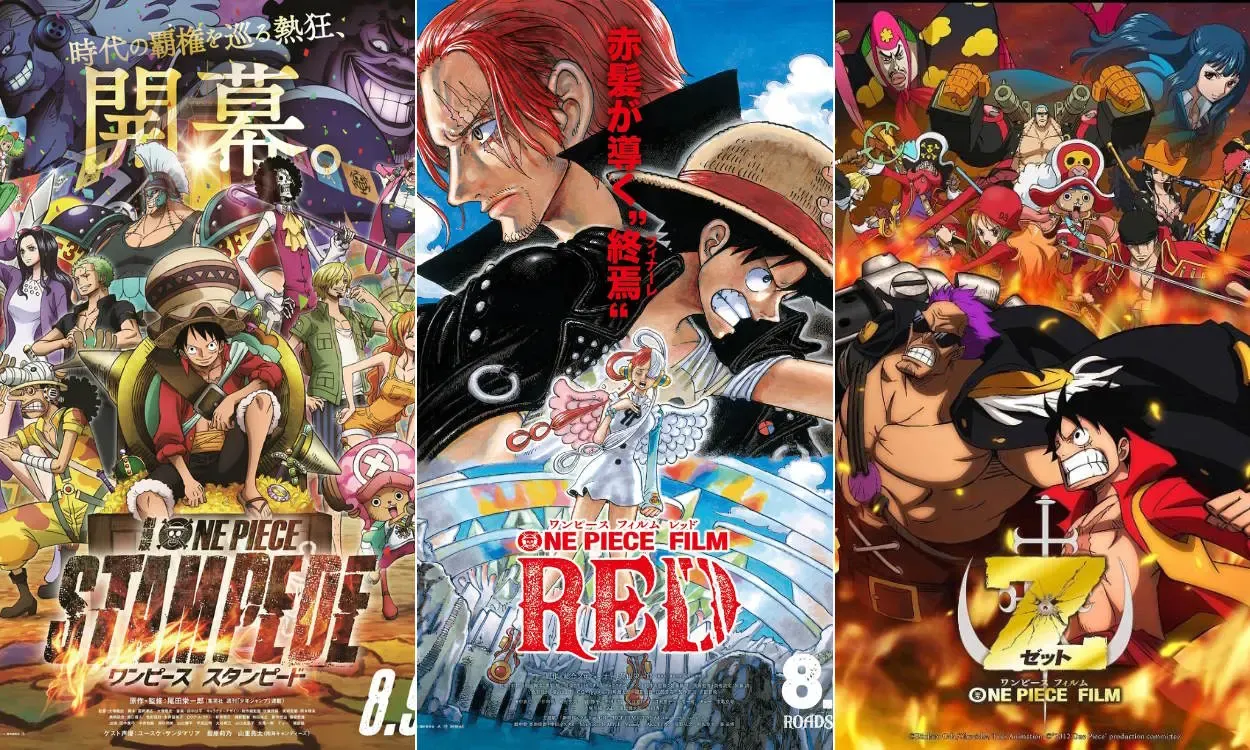

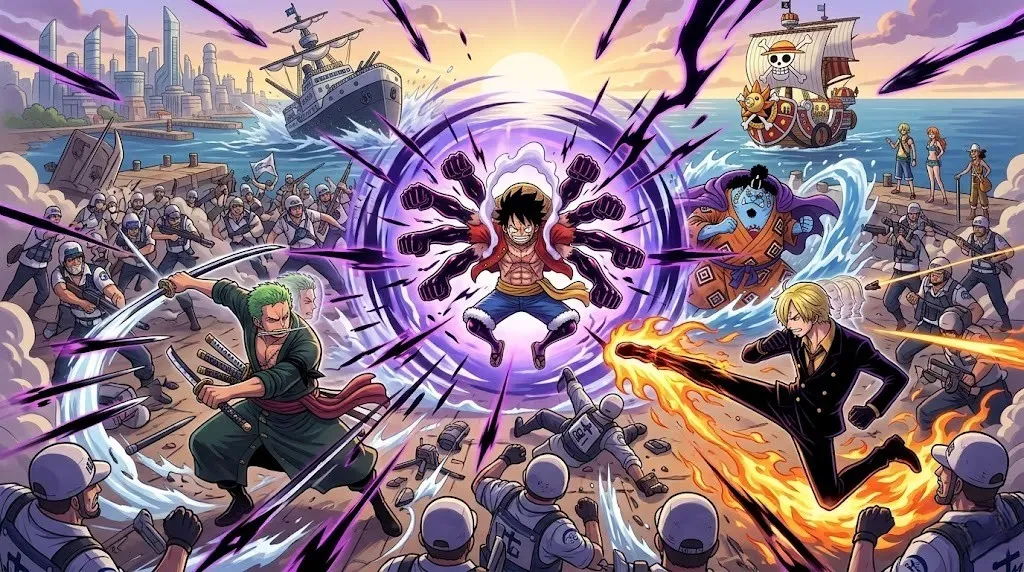
Ahoy there, fellow pirates and navigators of the Grand Line! If you are deep enough into the world of Monkey D. Luffy and the Straw Hat Pirates to be pondering the deeper mysteries of the franchise, you have probably stumbled across one of the most hotly debated topics in the entire fandom: the canonicity of the One Piece movies. It is a massive franchise with over a thousand manga chapters and anime episodes, plus fifteen full-length feature films. With that much content, it is only natural to ask if all of it truly matters to the main storyline. It is time to set sail and definitively answer the question that keeps so many fans up at night: are any of the One Piece movies canon?
Are Any of the One Piece Movies Canon?
This is the million-Belly question, and for over two decades, the answer has been a pretty solid No. However, in recent years, this has become a nuanced 'Well, almost' thanks to the involvement of the creator himself, Eiichiro Oda. For the overwhelming majority of the films—movies 1 through 9, and even most of the later ones—they are strictly non-canonical filler. They offer exciting, high-stakes adventures, incredible new villains, and top-tier animation, but they do not fit into the primary timeline of the manga or the main continuity of the anime.
The core reason is simple: if these movies truly happened, they would drastically alter the story events and character dynamics we see in the main series. Imagine the Straw Hats gaining a new ultimate weapon or defeating a world-class villain only to have that event never mentioned again in the manga—it simply does not track. Most films are designed to be fun, high-budget side stories that can be enjoyed without interrupting the flow of the main saga.
The Canonical Cameos: Movies That Oda Touched
The conversation changes significantly with a few key films where Eiichiro Oda took on a more hands-on role, specifically acting as an executive producer and contributing designs or story concepts. While the events of the films themselves are generally considered non-canon, the characters and some of the backstory introduced in them are sometimes elevated to an honorary canon status, or at least confirmed by Oda to exist in the world's history.
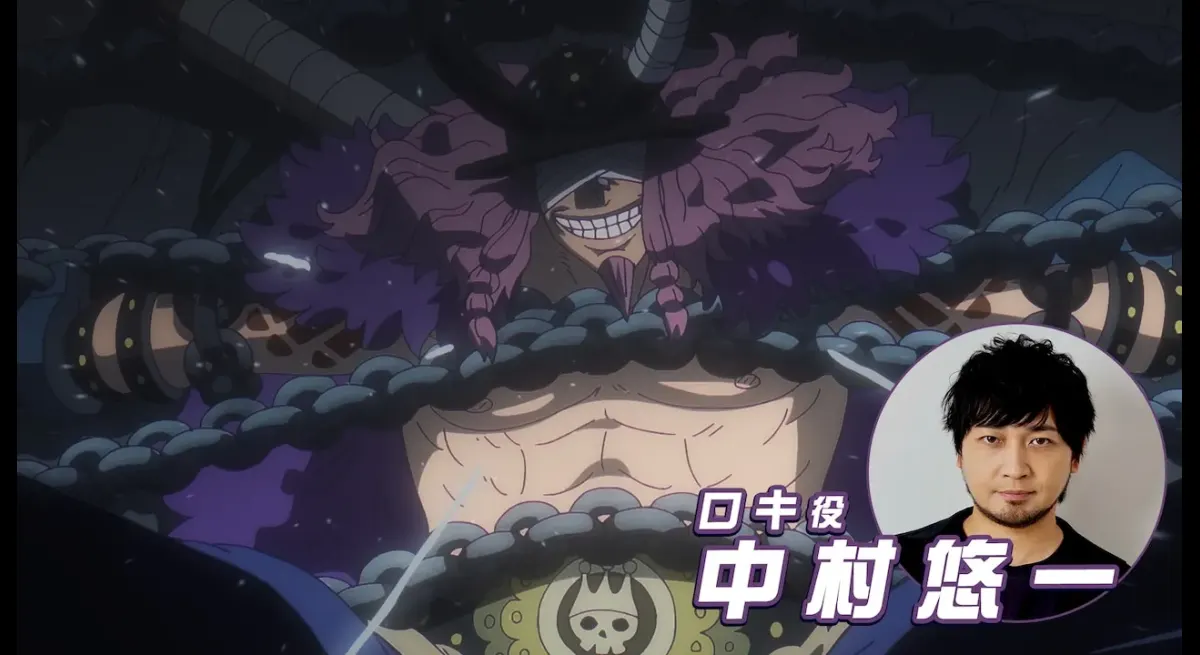 Also ReadYuichi Nakamura as Loki in "ONE PIECE": Elbaf Edition OP by Aina The End
When discussing whether are any of the One Piece movies canon, these exceptions often come up:
- One Piece Film: Strong World (2009): This was the first film where Oda was heavily involved, writing the story and designing the main villain, Shiki the Golden Lion. While Luffy's adventure in the movie is filler, Shiki himself—a legendary pirate from the same era as Roger and Whitebeard—was confirmed by Oda to be canon and his history is referenced in the main story.
- One Piece Film: Z (2012): Similar to Strong World, the villain, Zephyr (Z), and his backstory as a former Marine Admiral were heavily developed by Oda. While the events of the film are non-canon, the character Z is considered a legitimate, if tragic, figure within the lore.
- One Piece Film: Gold (2016): Oda was involved as an executive producer and character designer, but its canon ties are looser than the others.
The New Benchmark: One Piece Film: Red
If you are looking for the definitive answer on are any of the One Piece movies canon, then One Piece Film: Red (2022) is the film that comes closest to having true canonical weight. Oda was more involved than ever, creating the character of Uta and establishing her relationship with Shanks, the Red-Haired Pirate. Uta is Shanks' daughter, and this familial connection is a massive revelation for the core lore. While the specific events of the concert and the battles within the movie are still largely non-canon filler, the following elements are definitively confirmed to be canon:
- The existence and name of Uta.
- The fact that Uta is the adopted daughter of Shanks.
- The backstory detailing Uta's childhood and her history with Shanks and the Red-Hair Pirates.
This makes Film: Red a unique case. The movie itself is a non-canon adventure that explores canonical relationships and backstories. You could skip the film and still follow the manga, but you would be missing out on crucial character depth and history that Oda himself established. It is a fantastic example of using the movie format to enrich the main story's lore without disrupting its flow.
Why Are Most Movies Non-Canon? The Timeline Problem
The biggest hurdle for movie canonicity is the chronological placement. Most One Piece movies are released during a specific arc, and placing them in the timeline would create glaring inconsistencies. The Straw Hats often have abilities or crew members they should not have at that point in the story, or they defeat a villain whose power level far exceeds what they are capable of before a major power-up in the manga. For example, a movie released during the Dressrosa arc might feature Jinbe as a crew member, even though he had not officially joined yet in the manga's timeline at that point. This temporal dissonance is the primary signal that you are watching an exciting side quest rather than a core story installment.
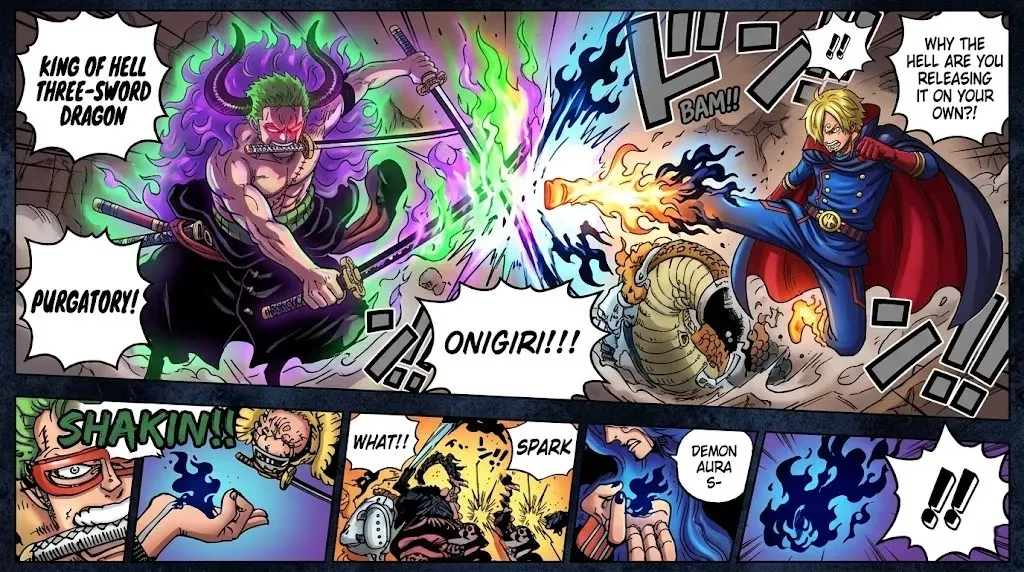
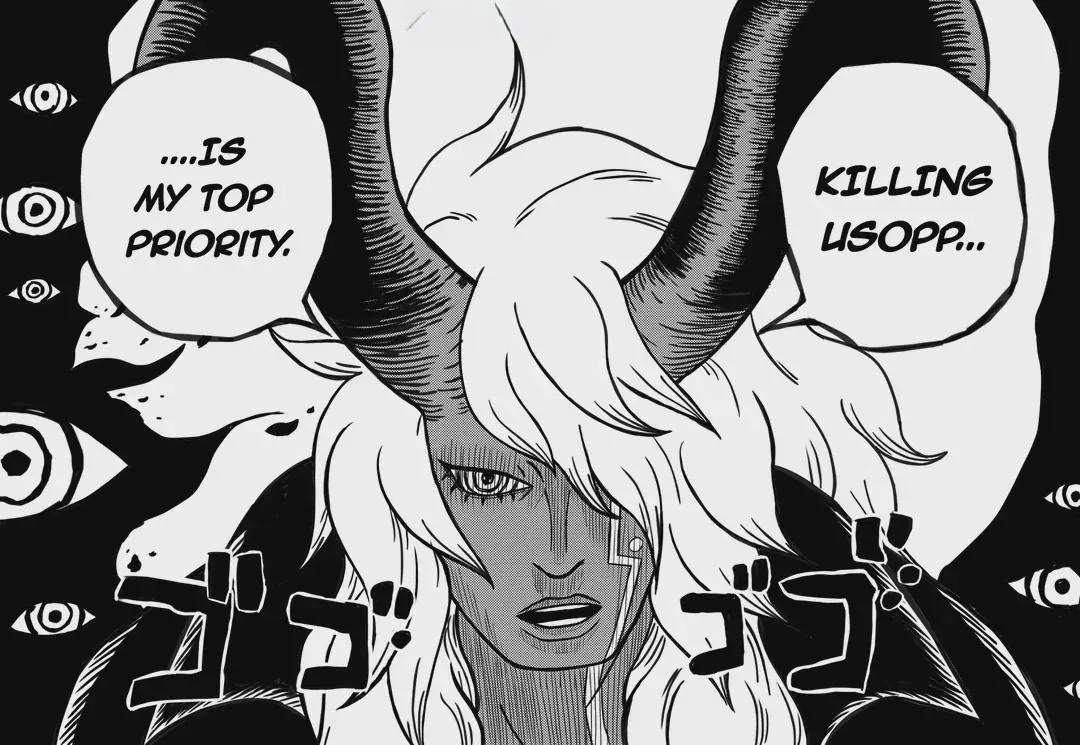
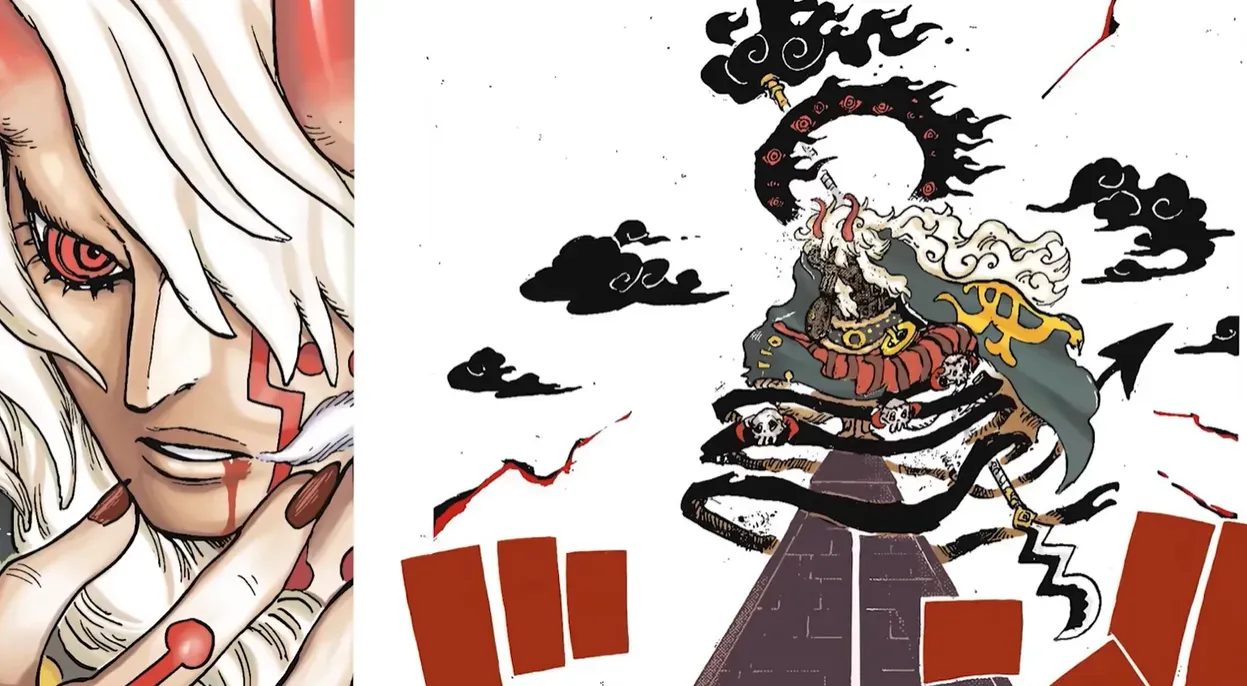 Also ReadOne Piece Chapter 1180 "Omen" Spoilers: Imu's God-Like Power Destroys Zoro & Sanji
Furthermore, since the movies cannot affect the manga's narrative, the villains—no matter how powerful—cannot be allowed to truly impact the status quo of the world. They must be defeated, and their impact must be erased by the end credits, leaving the Straw Hats ready to jump back into their canonical adventure as if nothing happened.
The Joy of Non-Canon Content
As a true otaku, I implore you: do not let the non-canon status deter you from watching these films\! While you are right to ask are any of the One Piece movies canon for lore purposes, the films offer some of the most spectacular, high-octane action sequences and best-looking animation in the entire franchise. They are pure, distilled fun with the Straw Hats we love, giving the animators the freedom to go absolutely wild without the constraints of fitting into Oda's master plan. Treat them as epic bonus episodes where the budget is cranked up to eleven.
Final answer: Almost all of the events in the movies are non-canon filler, but the character lore and backstory established in films like Strong World, Film Z, and especially Film: Red are definitively canon thanks to Oda's direct involvement. So grab some popcorn and enjoy the amazing spectacle\!









// Comments