Introduction: When the Sun Fell to Earth
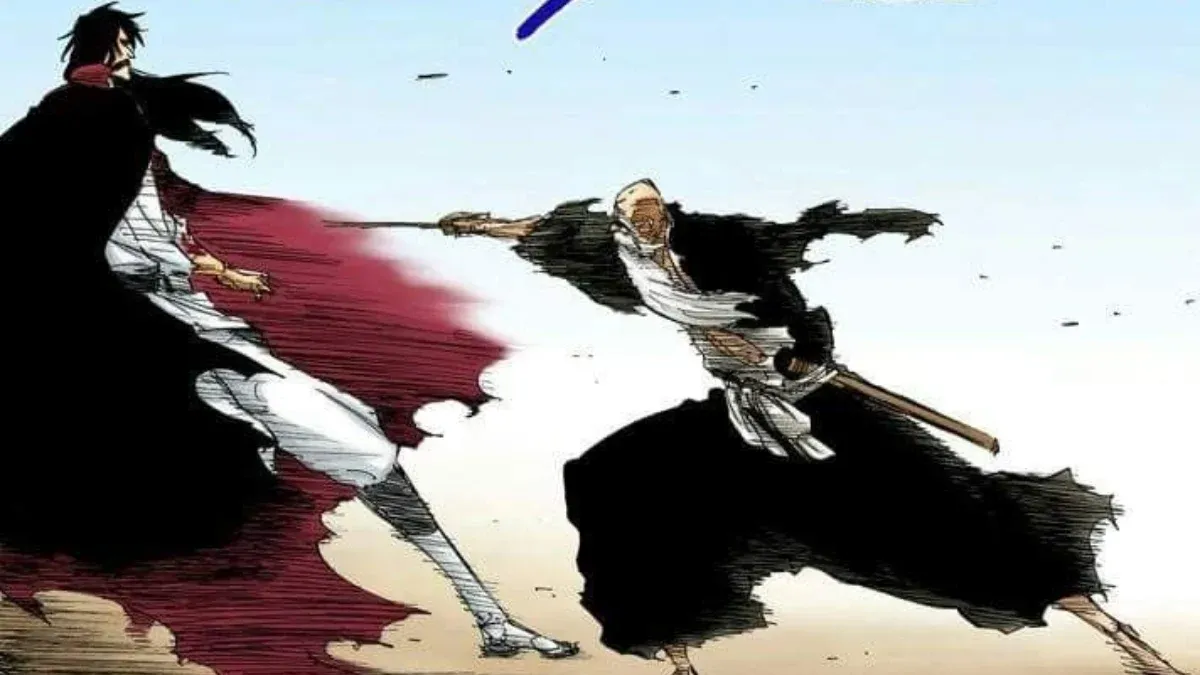
For over a decade, manga readers whispered about the day this fight would be animated. The battle between Genryusai Shigekuni Yamamoto, the Captain-Commander of the Gotei 13, and the Quincy King Yhwach is not just a duel; it is an environmental cataclysm.
In the Thousand-Year Blood War arc, the scale of power shifts from "destroying buildings" to "destroying existence." Yamamoto’s Bankai, Zanka no Tachi, represents the absolute peak of Shinigami destructive power—a force so overwhelming that its mere release threatens to burn the Soul Society to ash.
1. Zanka no Tachi: The Mechanics of the Apocalypse
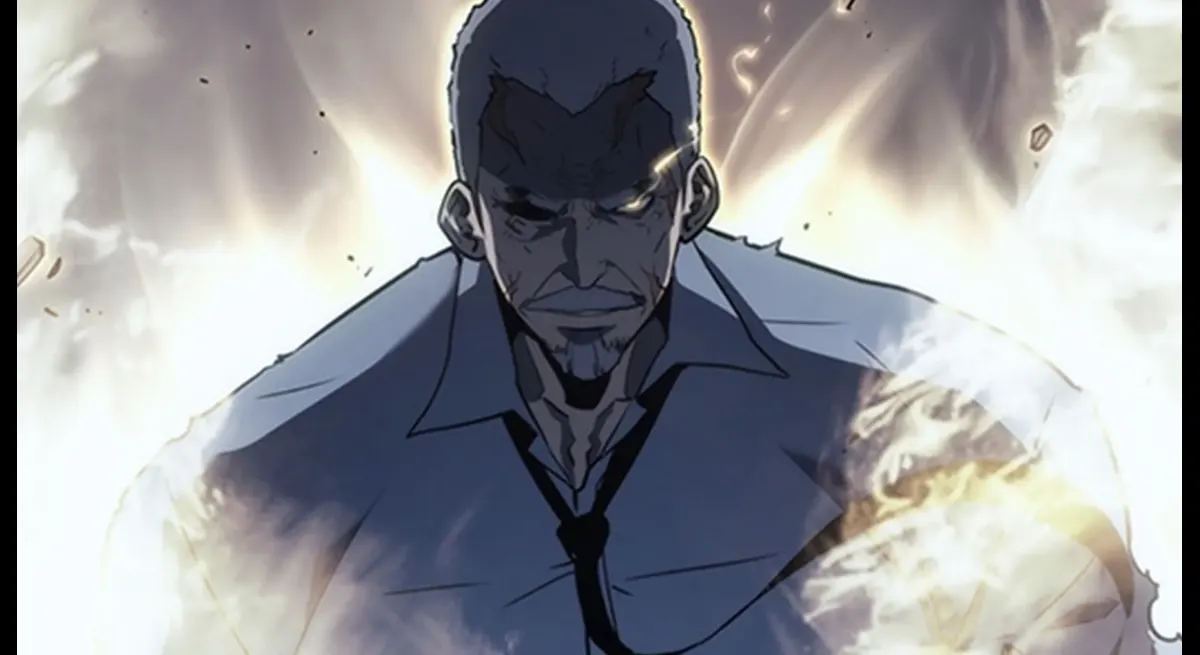
The brilliance of this battle lies in the evolution of Yamamoto’s fire. In his Shikai (Ryujin Jakka), the fire is explosive and vast. In Bankai, the fire vanishes.
This visual storytelling is masterful. The flames are compressed into the blade, turning it into a tool of absolute erasure. The heat is so intense that the moisture in the air across the entire dimension evaporates, flowers wither, and ice melts. It is the power of the Sun constrained into the shape of a katana.
 Also Read10 Best Anime Characters With Green Hair & Green Dresses
2. The Four Directions of Hell
Yamamoto does not simply swing his sword; he showcases a theater of war through the four cardinal directions of his Bankai abilities:
- East (Kyokujitsujin): All flames are concentrated into the tip of the blade. It does not "burn"; it erases anything it touches from existence, leaving no trace.
- West (Zanjitsu Gokui): This is his armor. He cloaks himself in heat reaching 15 million degrees—the temperature of the sun's core. He becomes untouchable, visible only through the distortion of reiatsu.
- South (Kaka Jumanokushi Daisojin): The most psychological of the attacks. He summons the charred skeletons of the trillions of people he has killed over his long life to fight for him. It forces the enemy to cut through the ashes of their own comrades.
- North (Tenchi Kaijin): A single, horizontal slash of concentrated incineration that cleaves the sky and the enemy.
3. The Tragic Twist: The Copy and the Thief
The true horror of this battle is not the power on display, but the futility of it. After expending his energy and showcasing the full might of the Soul Reapers, Yamamoto realizes the cruel truth: he wasn't fighting Yhwach.
He was fighting Royd Lloyd, a sternritter with the ability to copy memories and appearance.
- The Checkmate: The real Yhwach arrives only after Yamamoto is exhausted. Because the Quincy King did not witness the Bankai firsthand until that moment, he is able to steal it using his Medallion.
- The Fall: The image of Yamamoto being bisected by the real Yhwach marks the end of an era. The "Sun" of the Soul Society didn't just set; it was stolen and extinguished.
4. Significance: The End of the Old Guard
Yamamoto represented the "Old Gotei 13"—ruthless, powerful, and arrogant. His defeat signaled that raw power was no longer enough. The Quincies fought with information, deception, and technology. Yamamoto’s death forced the new generation (Ichigo, Byakuya, Toshiro) to evolve beyond reliance on their elders. It was a terrifying wake-up call that established the Quincies as the greatest threat the series had ever seen.
 Also ReadBlack Clover Returns After Six Years: Season 2 Launches on Crunchyroll Oct 3
Conclusion
Yamamoto vs. Yhwach is a masterpiece of visual spectacle and narrative tragedy. It gave fans exactly what they wanted—the strongest Bankai in history—only to use it to highlight the despair of the war. It remains the hottest, most destructive, and most heartbreaking sequence in Bleach.










// Comments