
Introduction: The Peak of Absurdity
For over a decade, fans speculated on how Monkey D. Luffy would defeat Kaido, the "World’s Strongest Creature." Theories ranged from a grittier "Gear 5" coated in armor to a mastery of advanced Haki.
What we got instead was the sound of drums and a rubber hose cartoon.
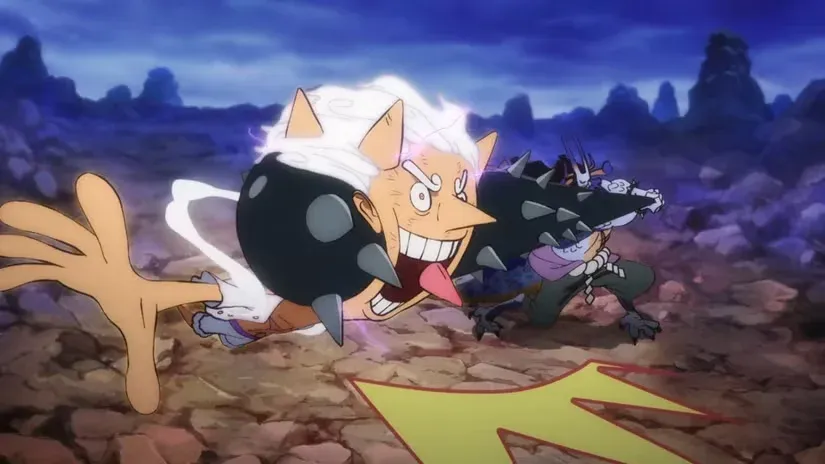
In the climax of the Wano Country Arc, Luffy didn't just power up; he underwent a genre shift. The reveal of Gear 5 (the awakening of the Hito Hito no Mi, Model: Nika) turned the fiercest duel in One Piece history into a playground. This creative decision sparked intense debate, but upon closer inspection, it stands as Eiichiro Oda’s thematic masterpiece.
1. The Controversy: "Toon Force" in a War Zone
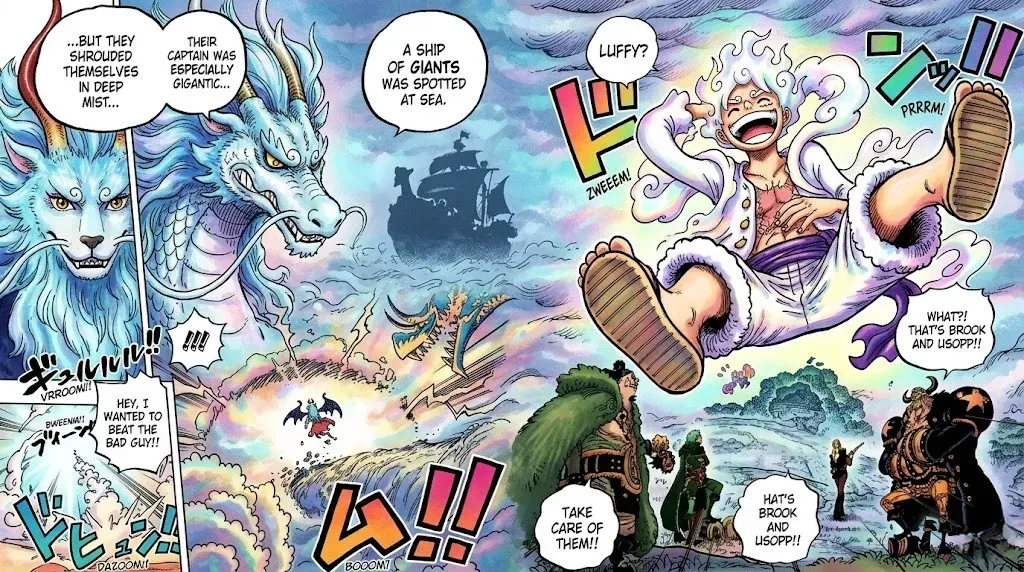
When Gear 5 debuted, the tonal whiplash was severe. Onigashima was burning, people were dying, and Kaido was a terrifying dragon. Suddenly, Luffy is laughing hysterically, popping his eyes out of his head, and running on air like a character from Tom & Jerry.
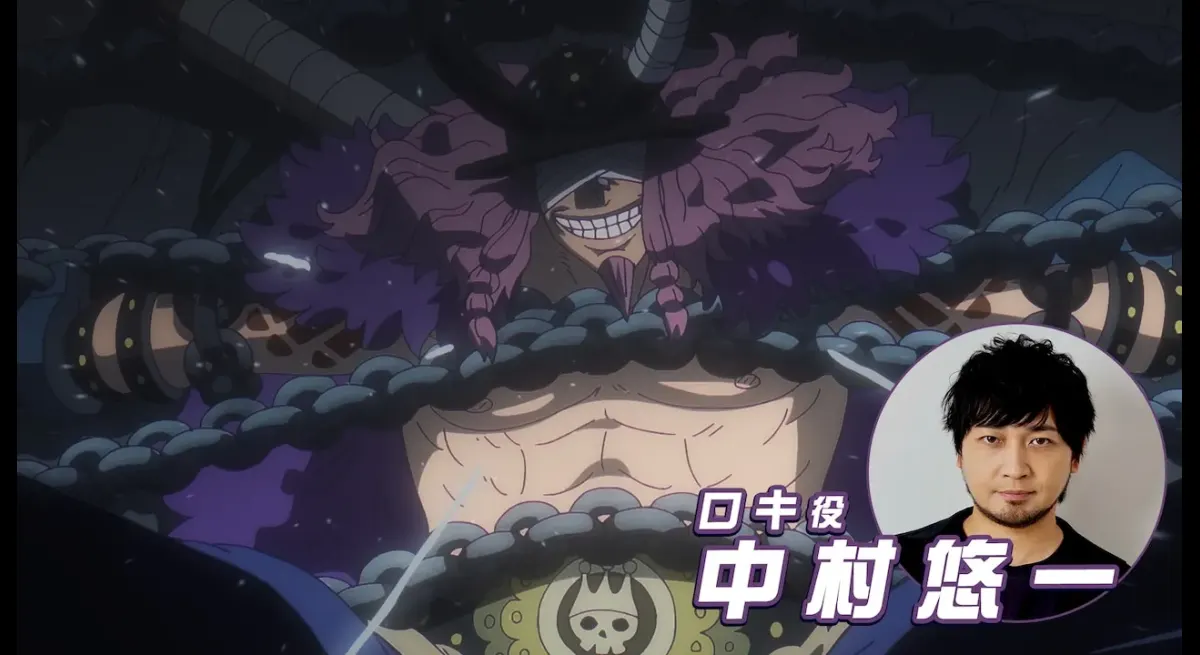 Also ReadYuichi Nakamura as Loki in "ONE PIECE": Elbaf Edition OP by Aina The End
- The Criticism: Some fans felt this undermined the tension of the war. How can we fear Kaido when Luffy is using him as a jump rope?
- The Defense: This absurdity is the point. Oda has stated in interviews that he wanted to break away from the "serious, edgy" transformations typical of modern Shonen manga. He wanted to return to the roots of One Piece: fun. By turning the fight into a cartoon, Luffy rejects the grim reality Kaido tries to enforce.
2. Thematic Clash: Oppression vs. Freedom
The fight is a battle of ideologies represented by their fighting styles.
- Kaido (Oppression): Kaido represents the ultimate immovable object. He is serious, depressed, and believes that might makes right. He wants to drag everyone down to his level of despair.
- Luffy (Freedom): Gear 5 is described as "the most ridiculous power in the world." Luffy fights with absolute freedom. He turns the ground into rubber to bounce attacks back; he turns Kaido into a balloon. He isn't just fighting Kaido physically; he is humiliating Kaido’s philosophy. He proves that joy and imagination are stronger than rigid durability.
3. The Drums of Liberation
The sound design (in the anime) and the SFX (in the manga) play a crucial role. Luffy’s heartbeat shifts to a specific rhythm: "Doom Datada, Doom Datada."
This rhythm, known as the "Drums of Liberation," signals the return of Joy Boy. It acts as a beacon of hope for the oppressed people of Wano. While Kaido brings silence and fear, Luffy brings noise and laughter. The sound itself creates a festival atmosphere in the middle of a death match, emphasizing that Luffy is not a conqueror, but a liberator.
4. The Final Clash: Bajrang Gun
Despite the goofiness, the finisher remains one of the most destructive moves in the series. Luffy creates a fist the size of an island (Bajrang Gun) to clash with Kaido’s Flame Dragon Torch.
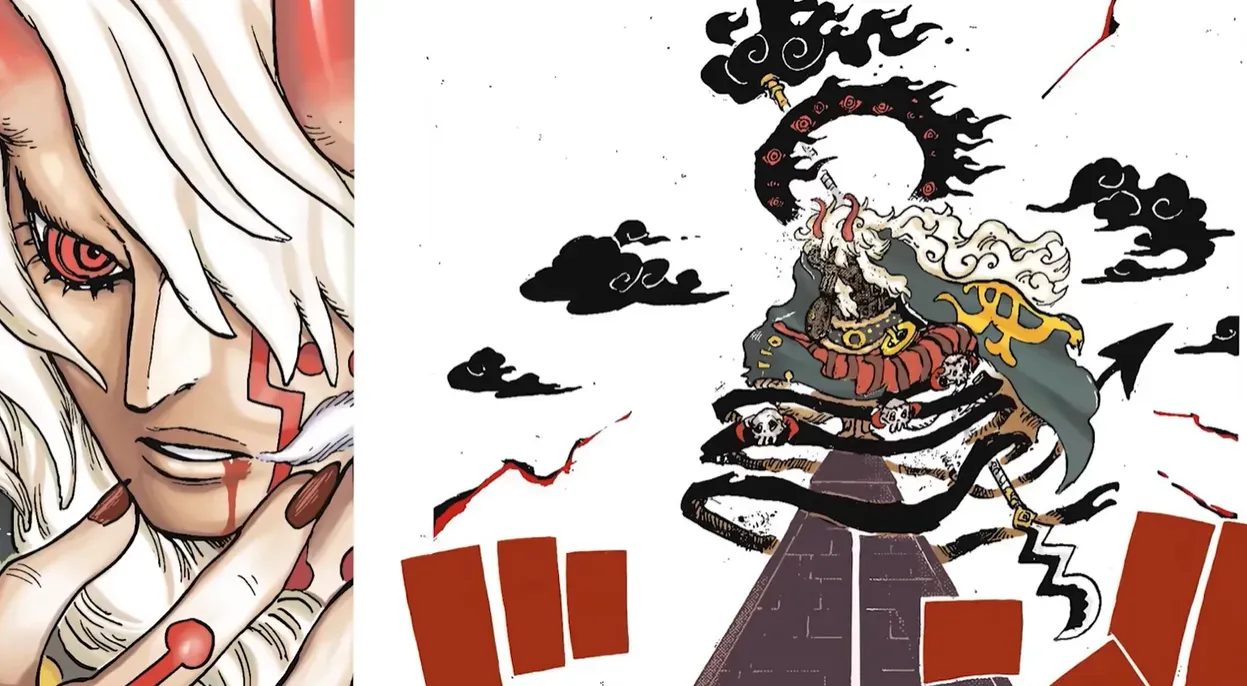 Also ReadOne Piece Chapter 1180 "Omen" Spoilers: Imu's God-Like Power Destroys Zoro & Sanji
Even here, the symbolism is potent. Kaido covers himself in magma—burning everything he touches. Luffy refuses to touch that heat directly, using advanced Conqueror’s Haki (Ryuo) to push Kaido down without making contact. It is the victory of the "Sun" (Nika) over the darkness of the depths.
Conclusion
Luffy vs. Kaido in Gear 5 is a polarizing masterpiece. It challenges the viewer to accept that a hero doesn't need to be edgy to be strong. By embracing the "cartoon" aesthetic, Oda solidified Luffy’s identity: he is not just a pirate; he is a Warrior of Liberation who fights with a smile, proving that in the world of One Piece, having the most fun is the ultimate power.











// Comments