Introduction to Jujutsu Kaisen's Iconic Soundtracks
In the realm of modern anime music, few series have achieved the consistent auditory excellence of Jujutsu Kaisen (JJK). From the moment the first episode aired, fans were introduced to a sonic landscape that perfectly mirrored the show's blend of high-octane action, supernatural horror, and deep emotional stakes. The soundtracks are not merely background noise; they are integral components of the storytelling experience, meticulously crafted to elevate the intensity of every cursed energy clash and quiet character moment. Whether it is the frantic energy of a battle or the somber reflection of a lost ally, JJK music sets a gold standard for how anime should sound.
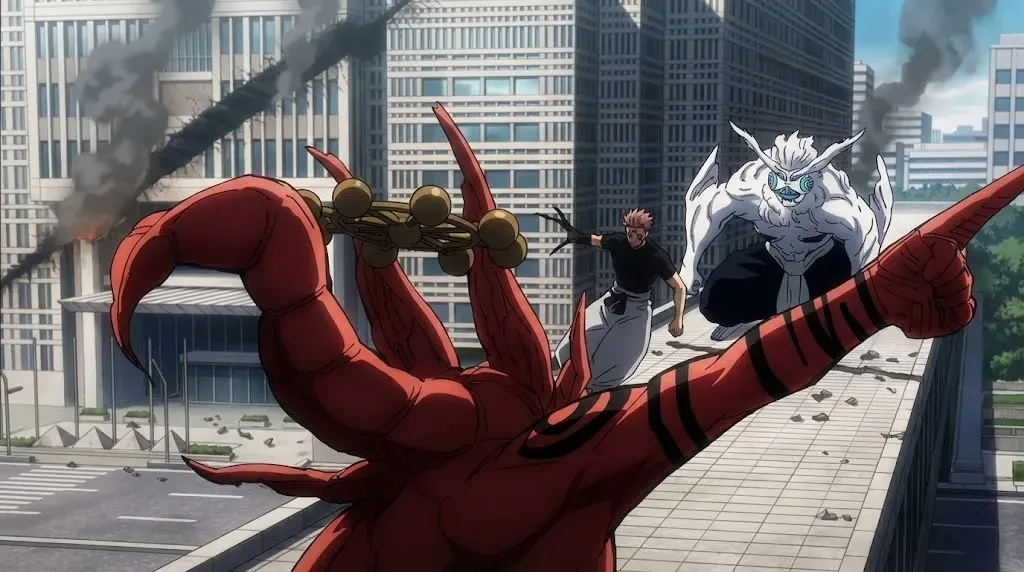 Also ReadSukuna's World-Cutting Slash Explained
Ranking Every Jujutsu Kaisen Opening Theme
Finding a definitive list for JJK openings ranked is a challenge because every single track is a masterpiece in its own right. However, based on fan reception, cultural impact, and visual innovation, here is how the primary openings generally stand:
- 1. Ao No Sumika by Tatsuya Kitani (Season 2, Opening 1): Often cited as the top choice for its vibrant colors and bittersweet nostalgia, capturing the "Blue Spring" of Gojo and Geto’s youth.
- 2. SPECIALZ by King Gnu (Season 2, Opening 2): A polarizing but ultimately legendary track that defined the chaos of the Shibuya Incident with its ominous, gritty tone.
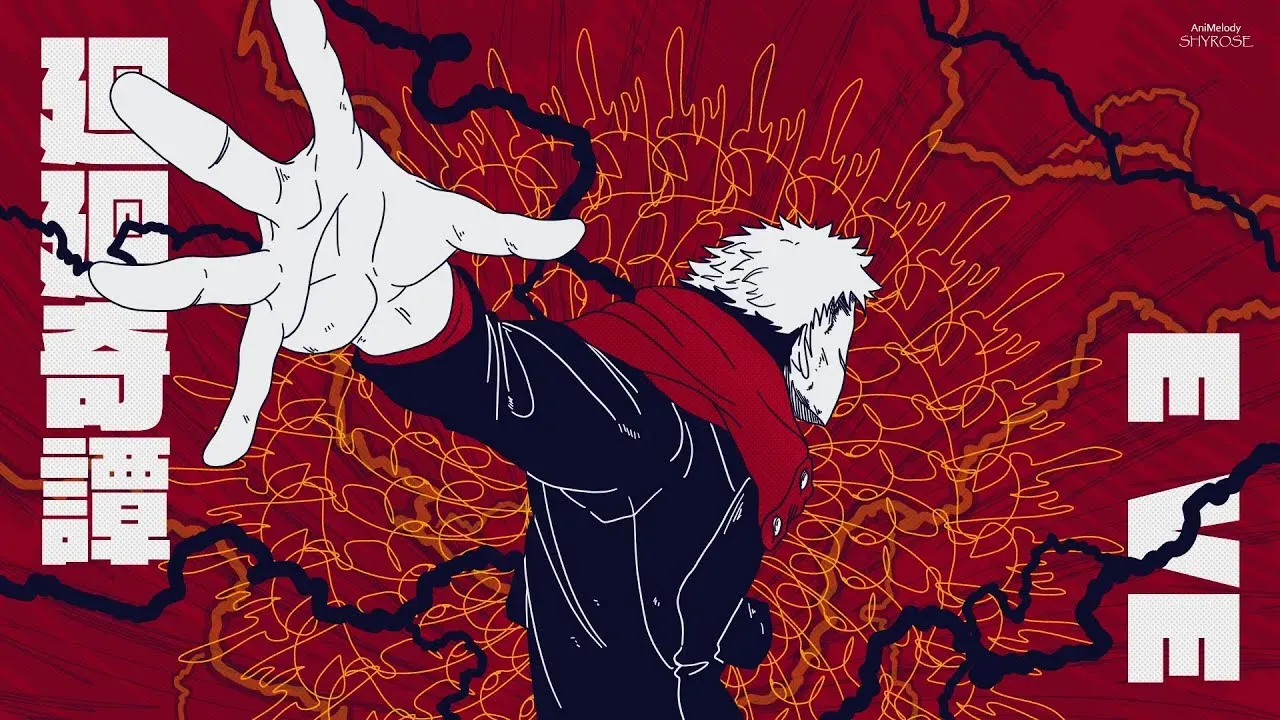
- 3. Kaikai Kitan by Eve (Season 1, Opening 1): The iconic track that started it all, perfectly balancing JJK's dark themes with a catchy, high-energy pop-rock sound.
- 4. Vivid Vice by Who-ya Extended (Season 1, Opening 2): A sleek, stylish opening that emphasized the growing scale of the conflict during the Kyoto Goodwill Event.
- 5. AIZO by King Gnu (Season 3/Culling Game): While newer to the scene, this track continues the tradition of blending experimental sounds with intense visuals.
Deep Dive: Kaikai Kitan by Eve (Season 1, Opening 1)
Kaikai Kitan Eve is perhaps the most recognizable song in the entire franchise. Released during the height of the show's initial breakout, Eve’s unique vocal style and the song's progressive structure perfectly introduced viewers to Yuji Itadori’s world. The title itself translates to "strange and mysterious story," which fits the narrative's focus on curses and the occult. Musically, it utilizes a fast-paced tempo and intricate guitar riffs that match the fluid animation of MAPPA. It successfully hooked a global audience, proving that anime music could be both commercially viable and artistically experimental.
 Also ReadThe Mahoraga Ritual Rules Explained
Deep Dive: SPECIALZ by King Gnu (Season 2, Opening 2)
If Kaikai Kitan was the introduction, Specialz King Gnu was the descent into madness. Serving as the theme for the Shibuya Incident arc, this song broke traditional anime opening tropes. It replaced the typical "heroic" sound with something far more sinister, psychedelic, and industrial. The "You are my special" refrain became an instant internet meme, but within the context of the show, it felt like a taunt from the disaster curses toward the sorcerers. Its heavy bass lines and erratic rhythms captured the feeling of a world spiraling out of control, making it one of the most atmospheric openings in history.
Analysis of Animation and Visual Storytelling
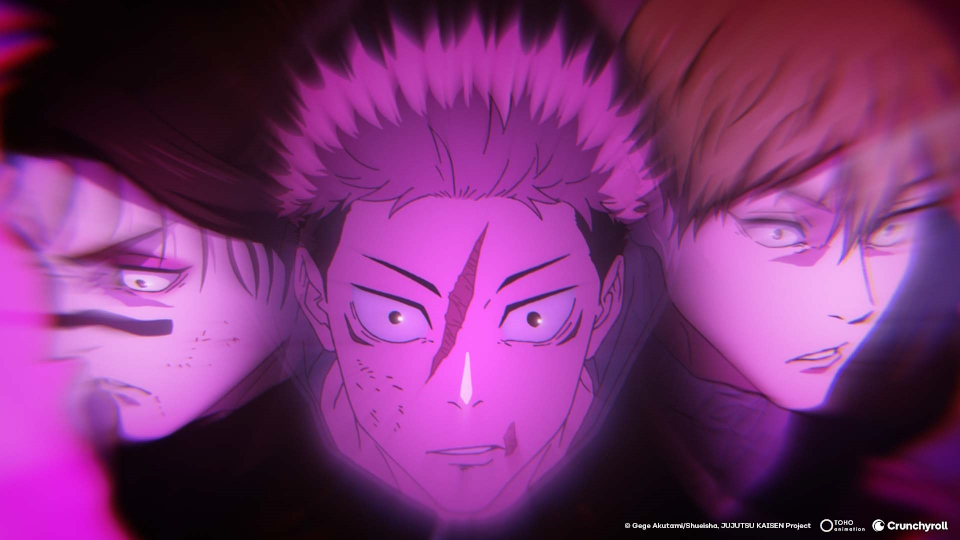
What makes these openings truly legendary is the synergy between the music and the visuals. MAPPA utilizes the opening sequences to provide deep foreshadowing that only manga readers might initially catch. For instance, the use of lighting and reflections in "Ao No Sumika" illustrates the diverging paths of Gojo and Geto. In "SPECIALZ," the red-tinted color palette and the imagery of characters walking through a literal hellscape emphasize the tragedy and scale of the Shibuya arc. These aren't just montages of fight scenes; they are condensed pieces of visual storytelling that prepare the viewer's psyche for the episode ahead.
The Impact of JJK Music on the Anime Industry
The success of Jujutsu Kaisen's music has had a ripple effect across the anime industry. It proved that hiring artists like Eve and King Gnu—who already had established, unique sounds in the J-Pop and J-Rock scenes—could lead to massive crossover success. JJK tracks consistently top the Billboard Japan charts and garner hundreds of millions of views on YouTube, blurring the lines between mainstream music and niche anime themes. This trend has encouraged other studios to take more risks with their musical choices, opting for genre-bending tracks over safe, generic shounen anthems.
Conclusion: Choosing the Ultimate JJK Opening
Ultimately, the "best" opening is subjective and depends on what a viewer values most. If you prefer nostalgia and the thrill of discovery, Kaikai Kitan Eve is the gold standard. If you crave the raw, unfiltered intensity of a tragedy in motion, Specialz King Gnu is unmatched. Regardless of your personal ranking, it is undeniable that the JJK openings ranked among the greatest in anime history. They have successfully elevated Jujutsu Kaisen from a mere television show to a full-blown cultural phenomenon, ensuring that the series will be remembered as much for its sound as it is for its incredible battles.












// Comments