

Introduction to Jujutsu Kaisen Endings
In the realm of modern shonen, few series have captured the global imagination quite like Jujutsu Kaisen. While the series is celebrated for its intricate power systems, visceral fight choreography, and complex characters, its musical identity is equally foundational to its success. Specifically, the anime EDs (ending themes) have become cultural touchstones, often trending on social media and amassing millions of streams. These endings do more than just signal the end of an episode; they provide a tonal counterpoint to the high-stakes violence of the series, offering fans a glimpse into the characters' lives outside of their life-or-death struggles as sorcerers.
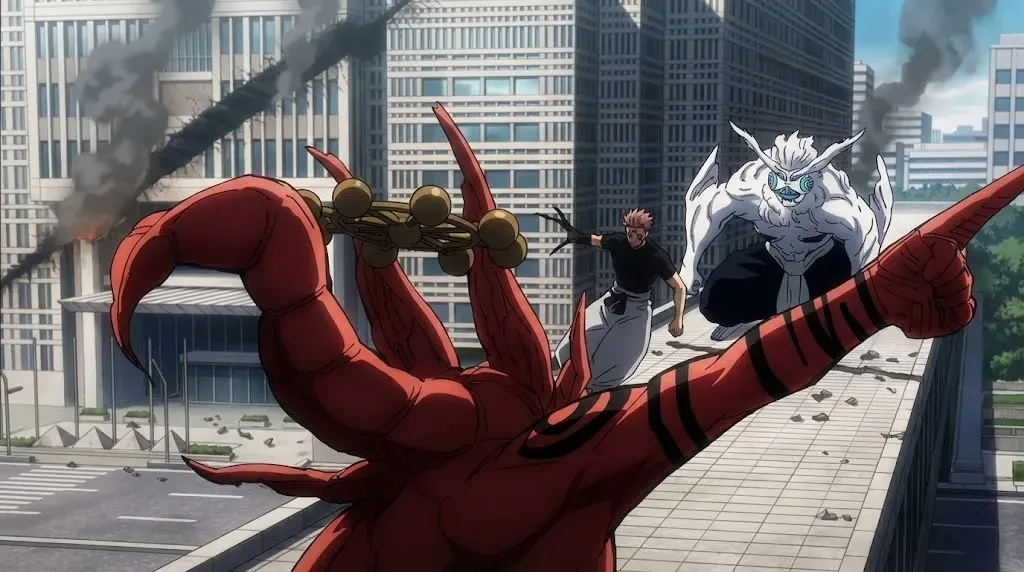 Also ReadSukuna's World-Cutting Slash Explained
Evolution of JJK Animation and Music
The production quality provided by Studio MAPPA has set a new standard for the industry, and this excellence extends directly into the musical curation. Throughout the progression of the series, we have seen a fascinating evolution in how music is used to reflect the story’s changing stakes. In the first season, the music leaned into a stylish, urban energy that mirrored the youthful vibrancy of Yuji, Megumi, and Nobara. As the narrative shifted into the "Hidden Inventory" and "Shibuya Incident" arcs, the soundscape became more atmospheric and emotionally resonant. This evolution ensures that the music is never static, growing alongside the characters and the increasingly dark world they inhabit.
Top Ranked JJK Endings
When looking at the JJK endings ranked by the community, several themes consistently stand at the top. While personal preference varies, the consensus usually highlights the following entries for their unique blend of visual artistry and auditory perfection:
- Lost in Paradise by ALI ft. AKLO: The undisputed champion of style and energy.
- Akari by Soushi Sakiyama: A hauntingly beautiful piece that defines the tragedy of the Gojo’s Past arc.
- Give it back by Co shu Nie: A melancholic, nostalgic track that emphasizes the bond between the first-year students.
- More Than Words by Hitsujibungaku: A grounded, indie-rock track that perfectly captures the heavy aftermath of the Shibuya Incident.
 Also ReadThe Mahoraga Ritual Rules Explained
Deep Dive: Lost in Paradise by ALI
If there is one song that defines the early cultural impact of the series, it is "Lost in Paradise." This ending theme for the first cour of Season 1 took the anime community by storm with its infectious funk, jazz, and hip-hop influences. Visually, it features a rotoscoped dance sequence where the main cast—Yuji, Megumi, Nobara, and Gojo—trade their tactical gear for stylish streetwear. It was a bold choice that humanized the characters, making them feel like real teenagers in modern Tokyo rather than just soldiers in a supernatural war. The track's upbeat rhythm serves as a vital relief from the heavy themes of death and curses, creating a "cool" factor that few other anime EDs have ever managed to replicate. Its legacy remains strong, often being cited as one of the best anime endings of all time.
Deep Dive: Akari by Soushi Sakiyama
In stark contrast to the high-energy funk of earlier themes, "Akari" (which translates to "Light" or "Lantern") offers a somber and reflective experience. Serving as the ending for the "Hidden Inventory" arc, this track is deeply tied to the relationship between Satoru Gojo and Suguru Geto. The lyrics and melody evoke a sense of fleeting youth and the inevitable divergence of two paths. Soushi Sakiyama’s unique vocal delivery adds a layer of vulnerability that fits the tragic "Blue Spring" aesthetic of the arc. Visually, the ending uses light and shadows to represent the growing distance between the two friends, making it one of the most emotionally devastating sequences in the franchise. For fans who appreciate the deeper philosophical questions of the series, "Akari" is often considered the peak of JJK’s musical storytelling.
Comparing Season 1 vs Season 2 EDs
Comparing the endings of the two seasons reveals a significant tonal shift. Season 1 was characterized by a sense of discovery and a "punk-rock" attitude. The music felt like an invitation into a secret, dangerous, but ultimately exciting world. By Season 2, that excitement is replaced by a sense of weight and consequence. The endings in the second season feel more like cinematic codas; they are less about the "coolness" of being a sorcerer and more about the psychological toll of the job. While Season 1 makes you want to dance, Season 2 makes you want to sit in silence and process what you just witnessed. Both approaches are masterclasses in their own right, proving that Jujutsu Kaisen understands the importance of matching its visual themes with the perfect auditory accompaniment.
Conclusion: The Legacy of JJK Anime EDs
The legacy of Jujutsu Kaisen’s music is one of intentionality and artistic risk. By blending genres like funk, rock, and ambient pop, the creators have ensured that every fan finds a song that resonates with them. Whether it is the legendary status of "Lost in Paradise" or the emotional depth of "Akari," these themes have become an inseparable part of the JJK experience. As the series moves toward its conclusion, fans can rest assured that the musical journey will be just as impactful as the battle for the fate of humanity. These anime EDs don't just close an episode—they immortalize the moments that make Jujutsu Kaisen a modern masterpiece.





















// Comments