What If the Fishman Island Hatred Never Existed?
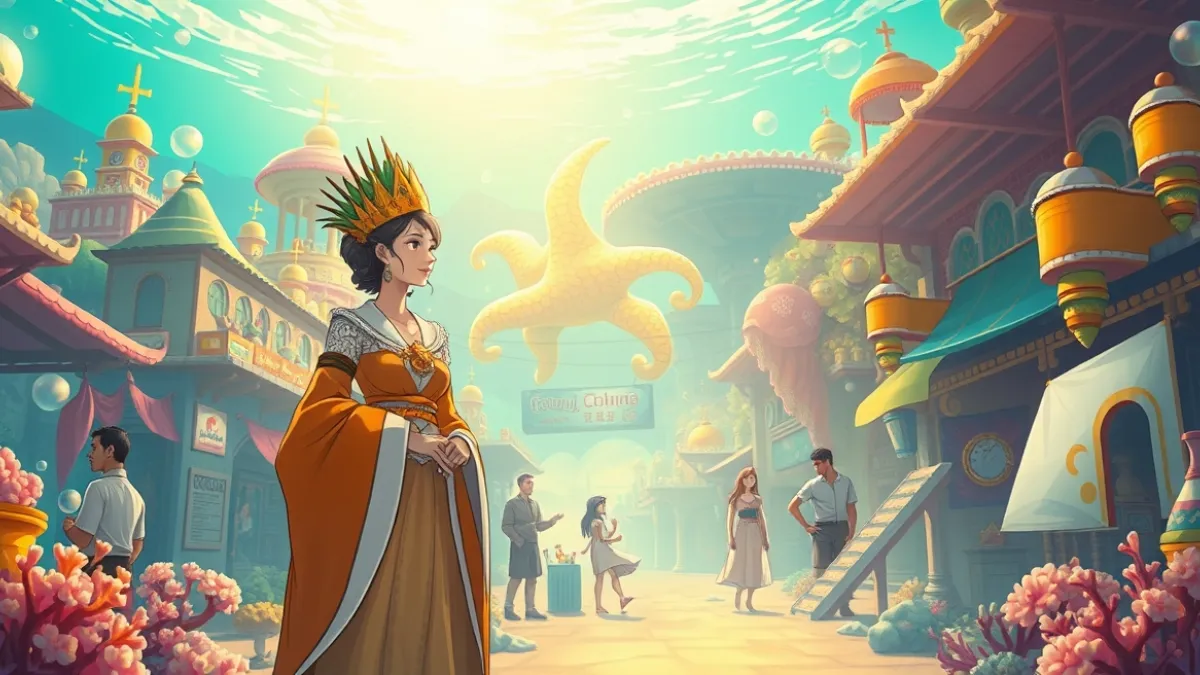
One Piece is one of those stories where the world-building is so tight that even the smallest change to the past can ripple out and turn the entire narrative upside down. We all know that the history of Fishman Island is defined by blood, tears, and centuries of discrimination. It’s the core of Fisher Tiger’s tragedy and Queen Otohime’s sacrifice. But what if that racism simply wasn't there? What if, instead of fear and slavery, there was a legacy of peaceful coexistence between the surface and the sea?
If you pull that thread, the tapestry of the Grand Line starts to unweave in the most fascinating ways. We're not just talking about a happy ending for a few characters; we're talking about a world where the very motivations of our heroes and villains are recalibrated. When you look at our One Piece character tier list, you realize how many of these icons were forged in the fires of this specific hatred. Let's dive into this alternate timeline and see how deep the ripples go.
The East Blue: A Different Kind of Scar
Geographically, the East Blue stays the same. Shells Town is still there, and the Baratie still serves the best food on the ocean. However, the emotional landscape is unrecognizable. Think about the Conomi Islands. In the canon, Nami grew up under the crushing weight of Arlong’s cruelty. But Arlong’s hatred wasn't born in a vacuum; it was a direct response to the human-led discrimination he faced his whole life.
In a world of peaceful coexistence, Arlong never leaves the Grand Line to conquer a small village in the East Blue. Maybe he’s just a famous adventurer, or even a high-ranking Marine. Bell-mère lives. Nami grows up as a loved daughter instead of a desperate thief. Does she still join Luffy? Her dream is to map the world, so maybe, but the desperate, tearful plea for help on the dirt of Cocoyasi Village never happens. The crew's bond starts from a place of shared adventure rather than shared trauma.
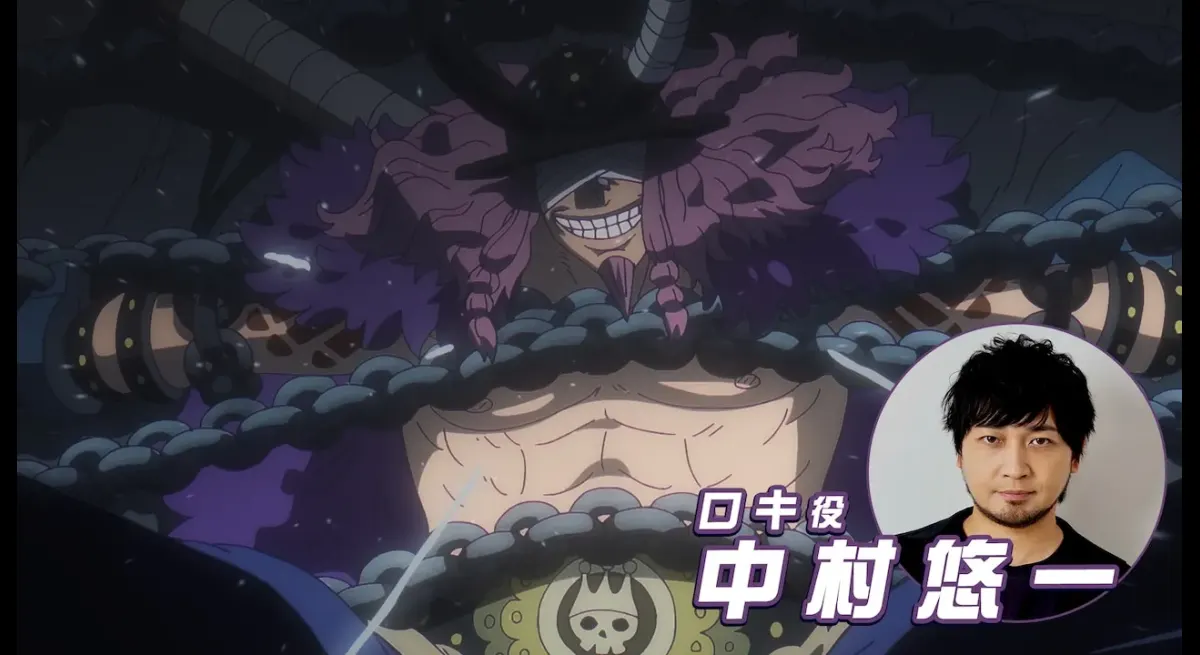 Also ReadYuichi Nakamura as Loki in "ONE PIECE": Elbaf Edition OP by Aina The End
The Grand Line and the Fall of Baroque Works
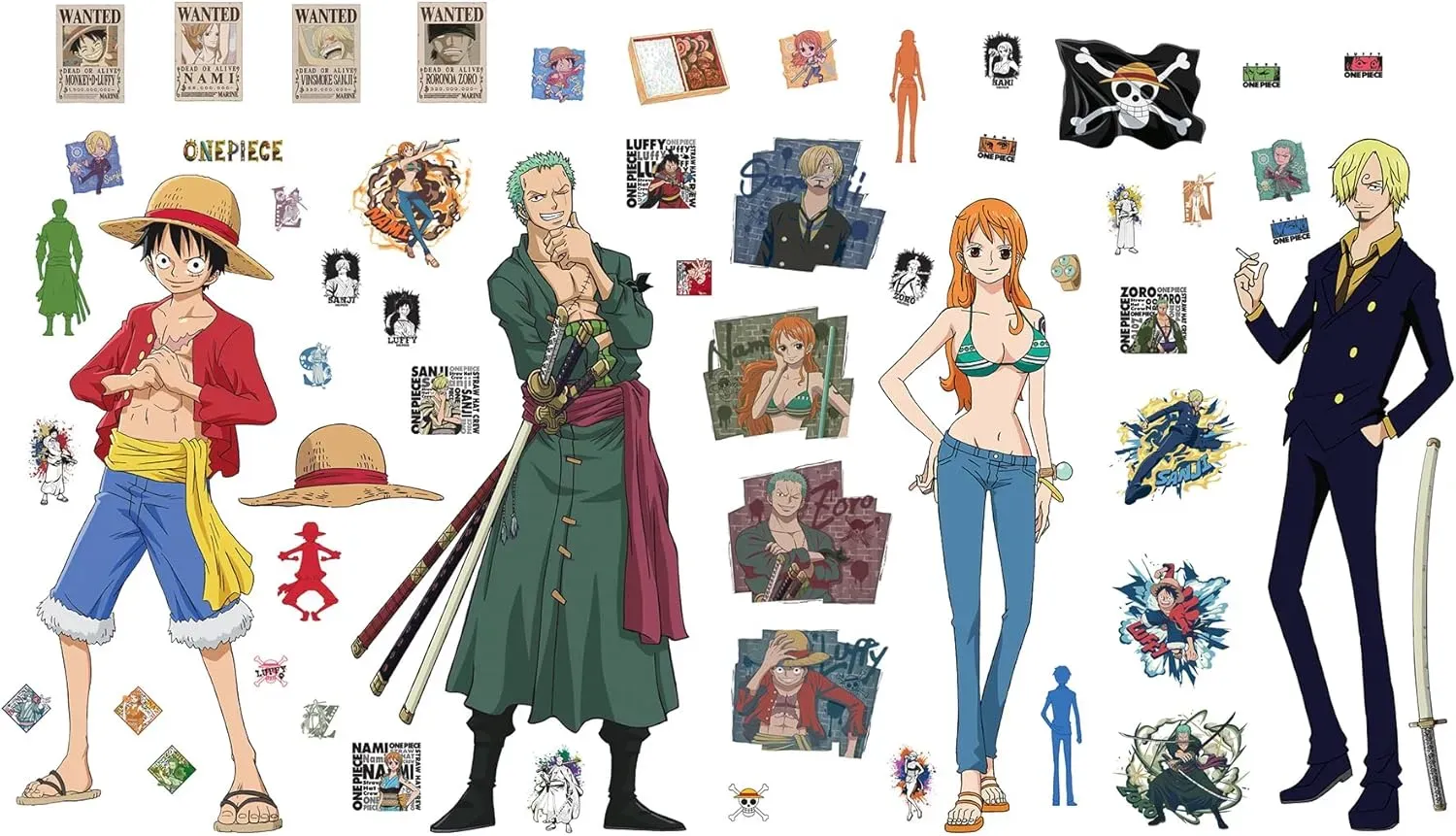
As the journey continues into the Grand Line, the changes get even crazier. Without the isolation of Fishman Island, the flow of information and culture between the deep sea and the surface is constant. This affects everything from trade to military power. Zoro might have sparred with Fishman swordsmen long before he ever met Hatchan. The "monster trio" might have been even more prepared for the weirdness of the Grand Line because the world was just more open.
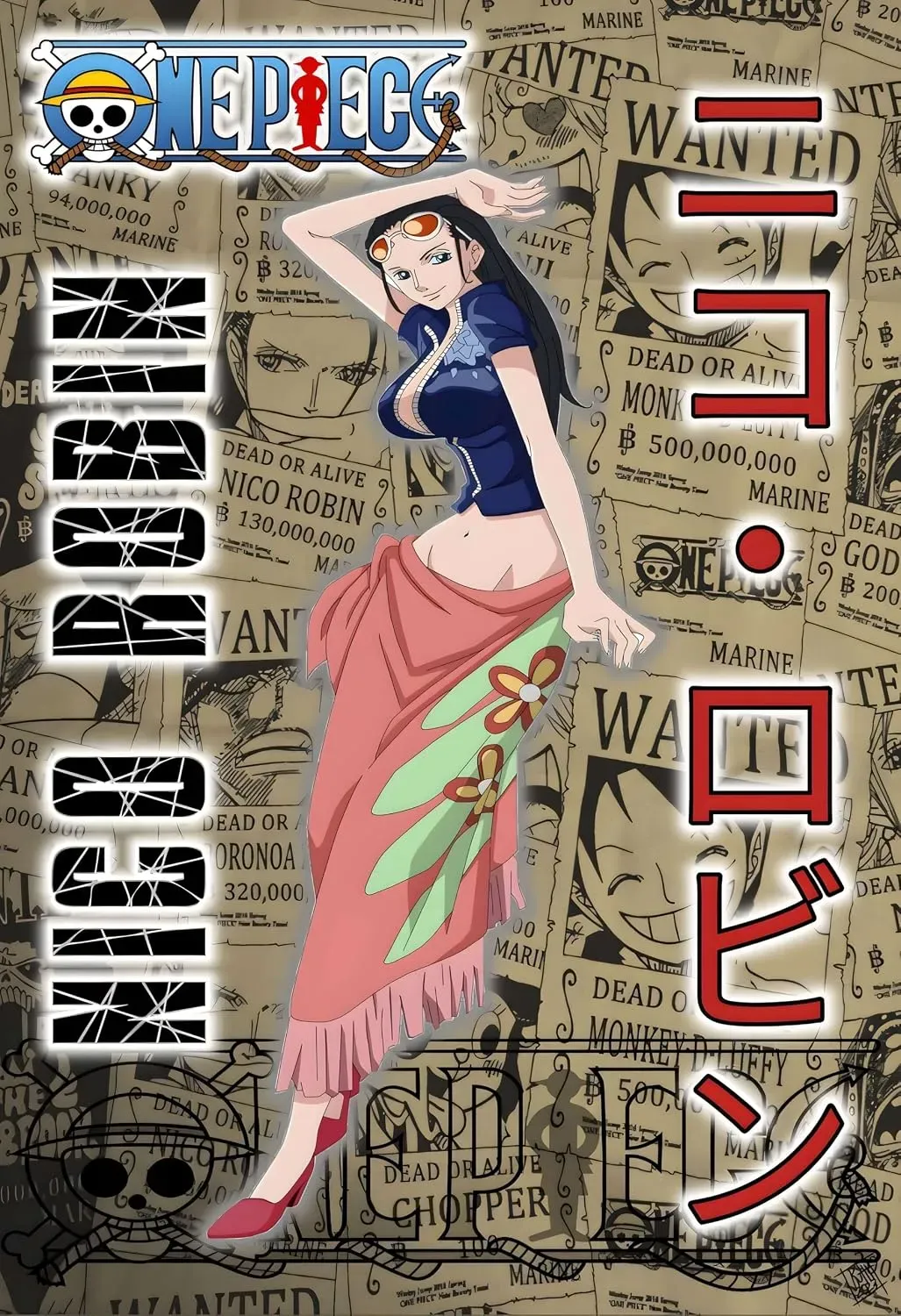
Consider Alabasta. Crocodile’s plan relied on isolation and the slow-burning tension of a country. If peaceful coexistence meant that Fishman tech or help was available to human kingdoms, could the drought have been solved differently? Or perhaps Robin—who we see in her Robin complete guide has always been searching for the true history—finds the Poneglyphs much easier because the Fishmen were never forced to hide the secrets of the Void Century so aggressively. The alliance between the ancient kingdom and the sea would be common knowledge, not a forbidden mystery.
Character Psychology: Heroes without the Weight
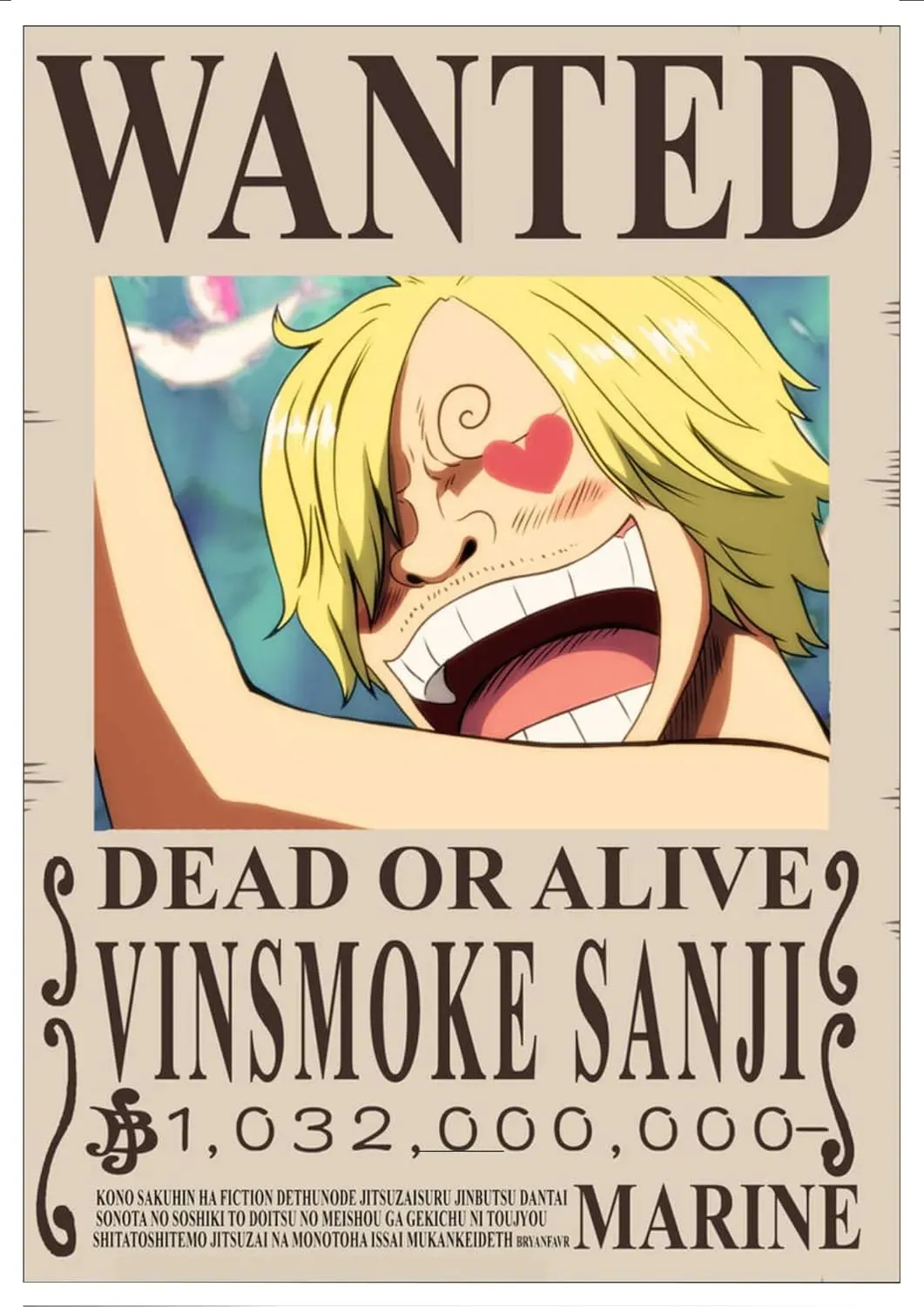
The most heartbreaking and interesting changes are in the characters' souls. Without the cycle of racism, many of our favorite Straw Hats would be fundamentally different people. Take Sanji, for example. His dream of the All Blue is inherently tied to the idea of all the seas connecting. In a world where Fishman Island is a thriving hub of integrated culture, the All Blue might not just be a legend; it might be the capital of the world’s trade. He wouldn't be searching for a ghost; he'd be heading toward a known paradise.
- Chopper: Growing up as an "outcast" animal who ate a Devil Fruit, his struggle with identity was mirrored by the Fishman struggle. If the world was already accepting of "different" races, his integration into Drum Island might have been much smoother.
- Usopp: His lies usually involve grand adventures against terrifying monsters. If Fishmen were just neighbors, his stories would have to be even more imaginative to impress anyone\!
- Jinbe: This is the big one. Jinbe's entire character is built on being the bridge between two worlds. In this timeline, he isn't a bridge; he's just a legendary warrior. He doesn't carry the burden of Tiger's dying wish or Otohime's dreams. He is free.
You can see how their power levels might even shift. Check out every Straw Hat pirate powerup in the final saga to see how they've grown, but imagine if they had started from a place of unity rather than struggle. Would they be as strong? Pain and discrimination often drive people to become "monsters" in their own right, and without that pressure, the Straw Hats might have been a lot more mellow—which might be bad news when they run into someone like Kaido.
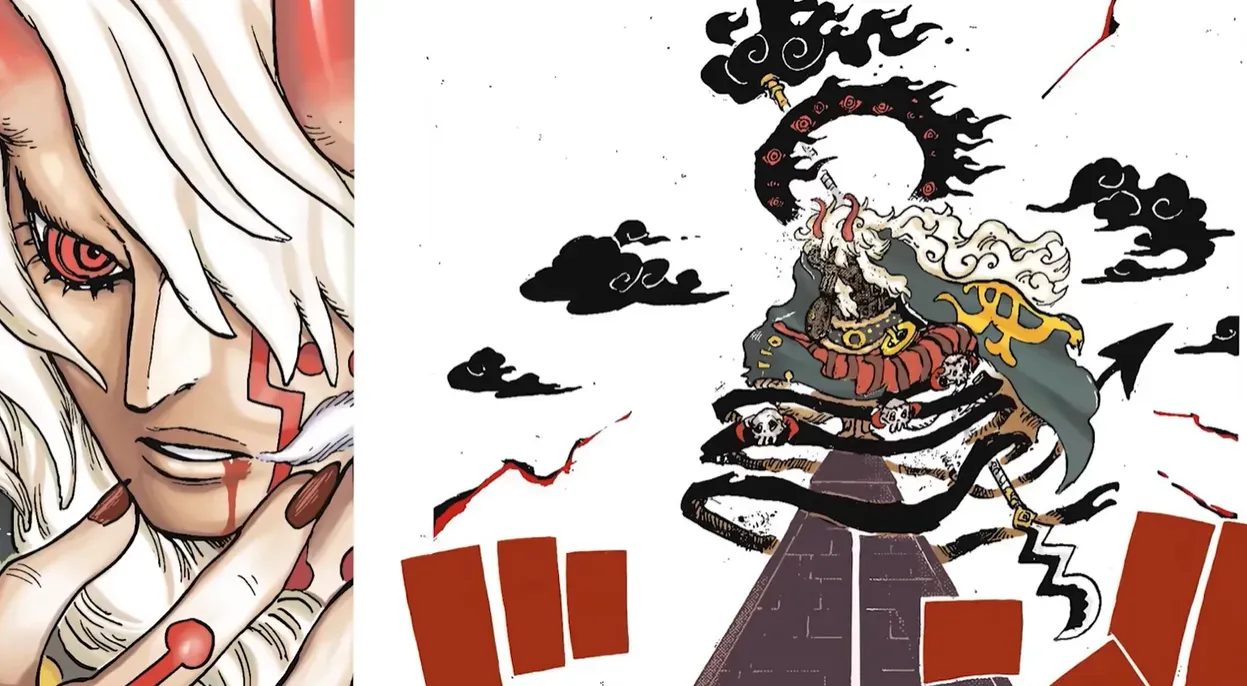 Also ReadOne Piece Chapter 1180 "Omen" Spoilers: Imu's God-Like Power Destroys Zoro & Sanji
The Yonko and the New World Texture
The Four Emperors act on information. Big Mom’s dream of a land where all races live together would already be a reality (minus the soul-stealing and insanity). Her obsession might be completely redirected. Whitebeard, who treated Fishman Island as his territory out of a sense of protection, would instead be its most honored guest in a thriving, open city. The balance of power in the New World would be less about protecting the oppressed and more about pure ideological rivalry.
The "Worst Generation" would arrive at Sabaody Archipelago to find a park that isn't a front for human trafficking, but a celebration of diversity. The tragedy of the Celestial Dragons would be even more stark—they would be the only ones clinging to an outdated, hateful worldview in a world that has moved past them. It makes the final conflict less about "freeing" the world and more about "cleansing" it of the final remnants of a dark age.
Conclusion: The Dream Persists
At the end of the day, even if you take away the discrimination and the racism, the heart of One Piece remains. The sea is still wide, and the call of adventure is still louder than anything else. Luffy would still want to be the Pirate King, not because he needs to liberate anyone, but because he wants to be the freest person on the ocean. In a world of peaceful coexistence, that freedom would just be easier to share with everyone he meets.
It’s a beautiful thought, isn't it? A world where Fisher Tiger lived to see Koala grow up, and where Otohime saw her children walk under the real sun without fear. We love One Piece for its grit and its realistic portrayal of struggle, but sometimes, it's nice to imagine a version where the "One Piece" was a world that had already found its peace. Whether they’re rubber or have gills, it's the bonds they form that truly matter. Let me know in the comments—do you think the Straw Hats would still be the same crew without the trauma of the world’s hatred to push them together?





// Comments