What If the Void Century Was a Golden Age?
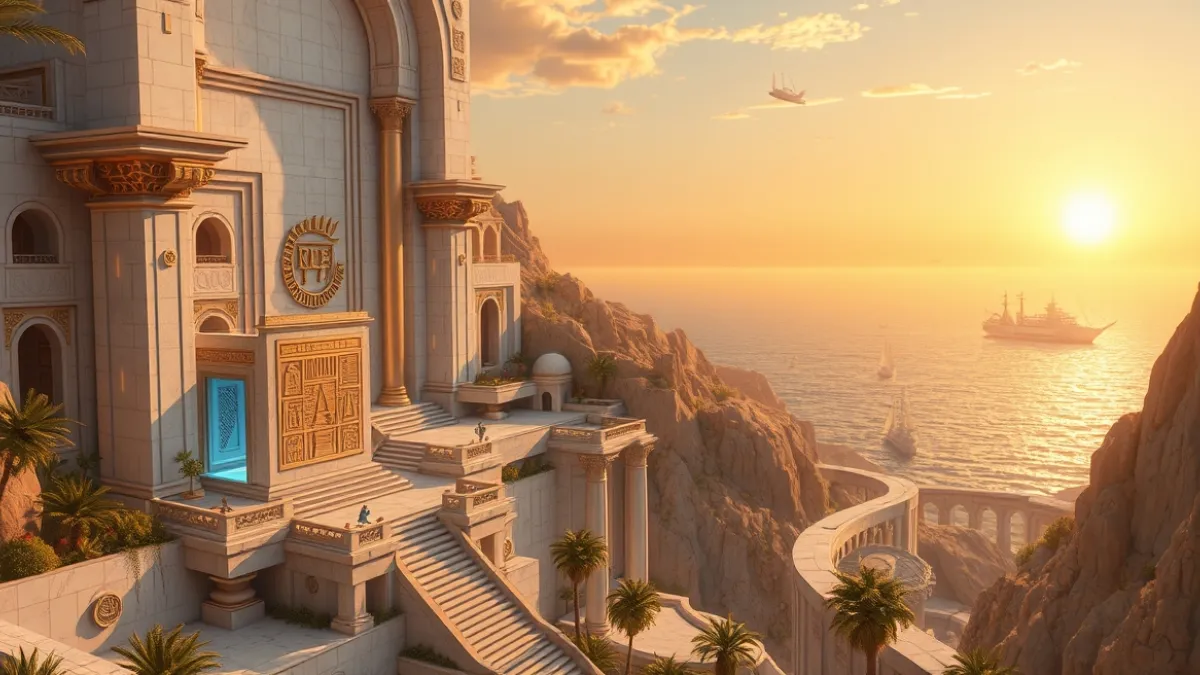
We all know the standard One Piece lore: the Void Century is this terrifying, dark hole in history that the World Government would literally erase islands to protect. But what if that 100-year gap wasn't a time of war and misery, but actually a golden age of human achievement? Imagine an ancient civilization so advanced that our current "modern" science looks like clockwork toys. If you pull on this one thread, the entire tapestry of Eiichiro Oda’s world re-weaves itself into something unrecognizable yet strangely familiar.
In this alternate history, the Great Kingdom wasn't just a powerful nation; it was a global utopia. A world where the sea was open, trade was free, and technology served everyone. This shift changes the very "vibe" of the One Piece world. Instead of a history of survival, the Poneglyphs become a tragic record of a paradise lost—not just a warning, but a blueprint for a future that was stolen from the people.
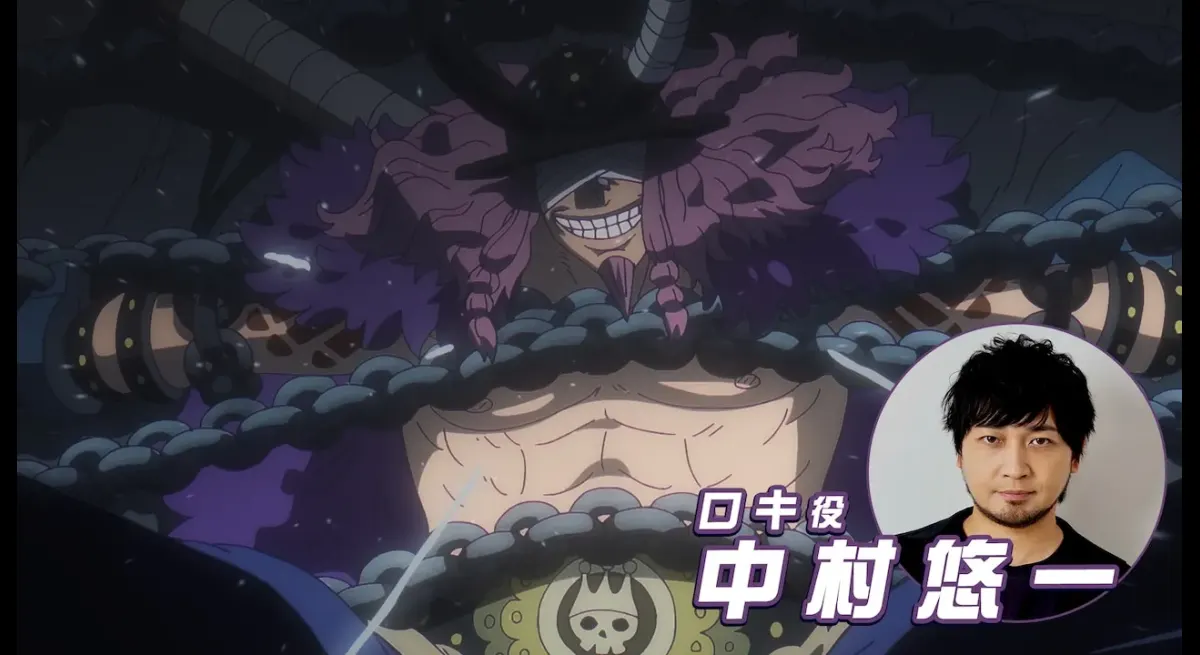 Also ReadYuichi Nakamura as Loki in "ONE PIECE": Elbaf Edition OP by Aina The End
The Ripples in the East Blue
If the history of the world changes, the people change with it. In this timeline, characters like Luffy aren't just chasing a pirate's dream; they are unconsciously chasing a lost heritage of absolute freedom. Even the quiet corners of the East Blue feel the shift. Geographical locations like Shells Town or the Baratie stay the same, but the stories told in the taverns are different.
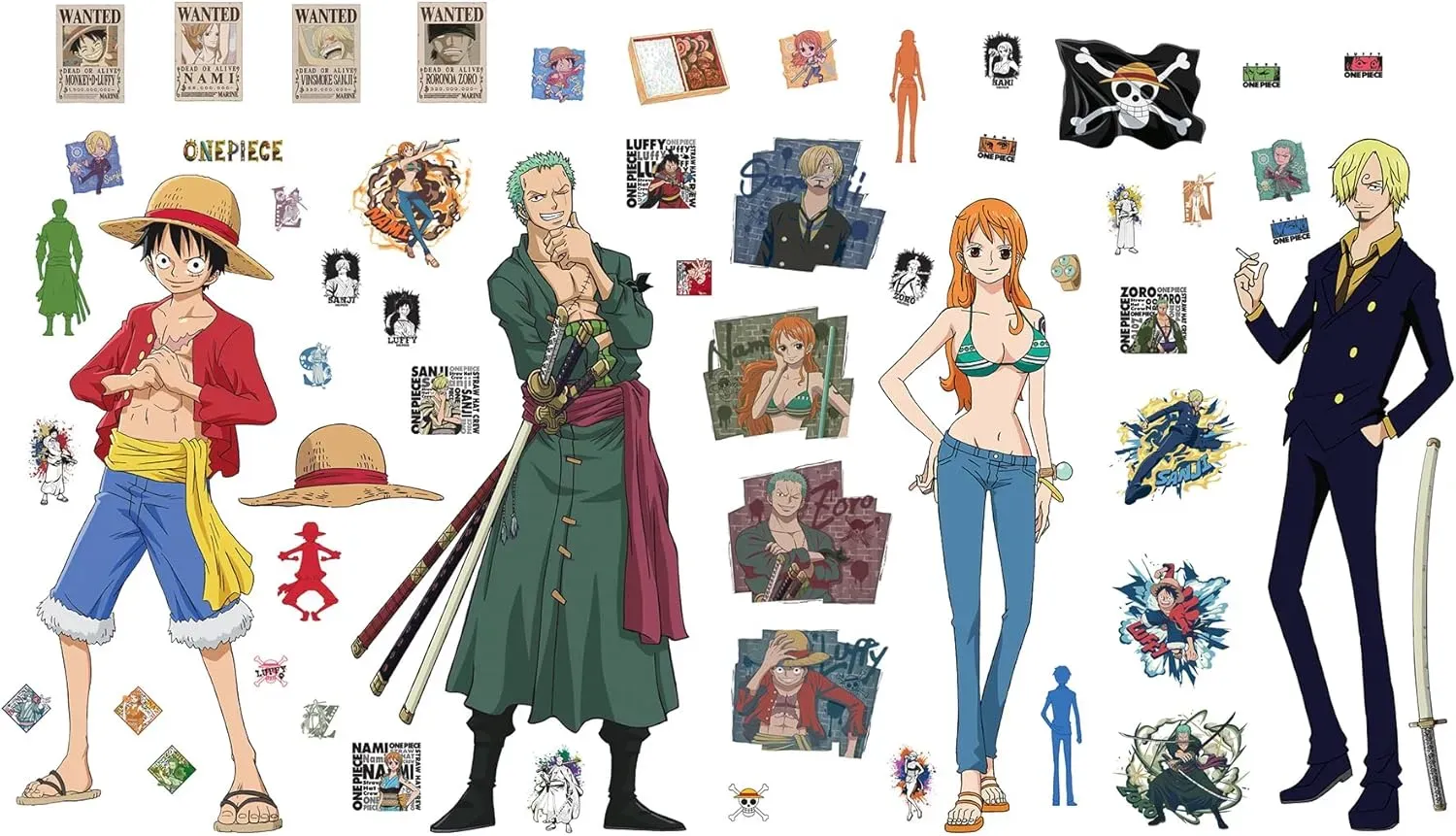
Think about Nami and her struggle in Cocoyasi Village. In a world where the Void Century was a peak of civilization, her dream of drawing a map of the entire world carries a much heavier weight. She’s not just a navigator; she’s trying to reclaim the connectivity that used to exist when the seas weren't fragmented by World Government control. The pirates she encounters aren't just thugs; they are people trying to live by the old rules of a golden age that they can't quite remember but can definitely feel.
Compound Variations in the Grand Line
By the time our heroes hit the Grand Line, the butterfly effect becomes a storm. In the original story, the World Government is a monolithic force of order. But if the ancient civilization was a peaceful democracy, then the 20 Kingdoms that formed the World Government look less like "bringers of order" and more like greedy usurpers who destroyed a golden age to install themselves as gods.
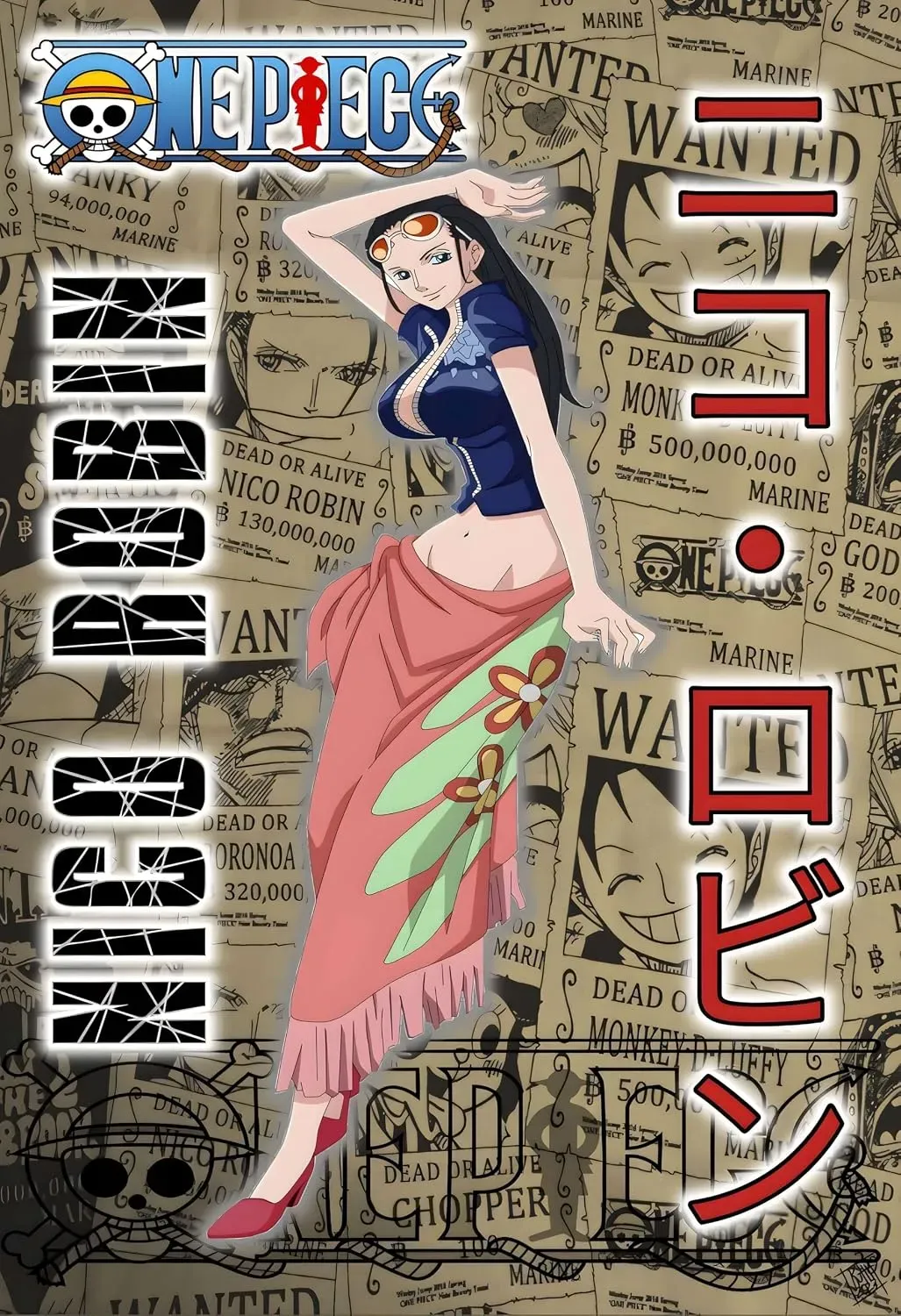
This affects the psychology of every villain. Crocodile’s pursuit of Pluton in Alabasta wouldn't just be about military power; it would be about reclaiming a lost technological wonder from a time when such things were used for the benefit of all. Even Robin, our resident archeologist, would find her mission shifting from "uncovering the truth" to "uncovering the hope." The emotional toll of knowing that humanity used to be better, kinder, and more advanced is a different kind of pain than just knowing they were strong.
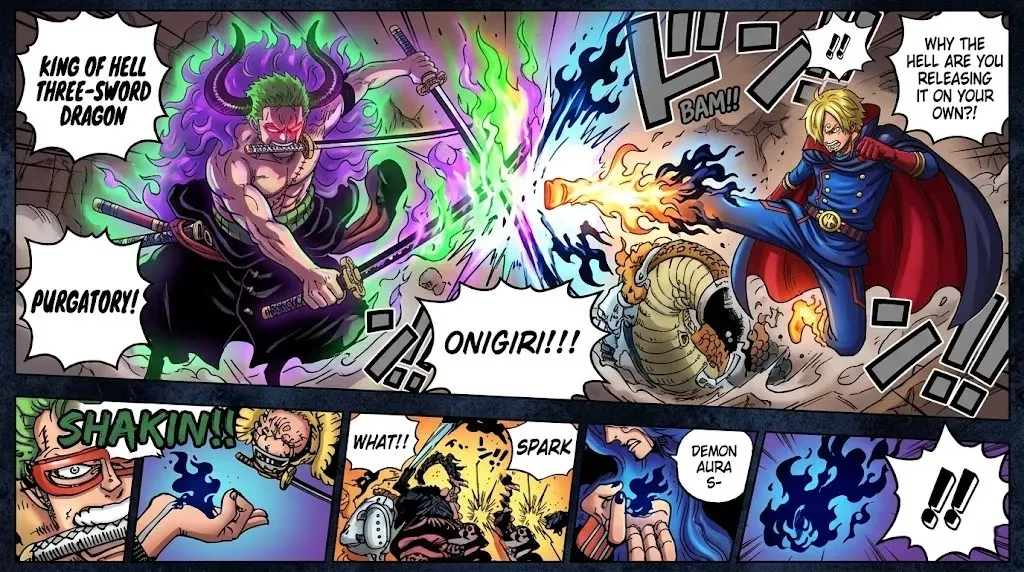
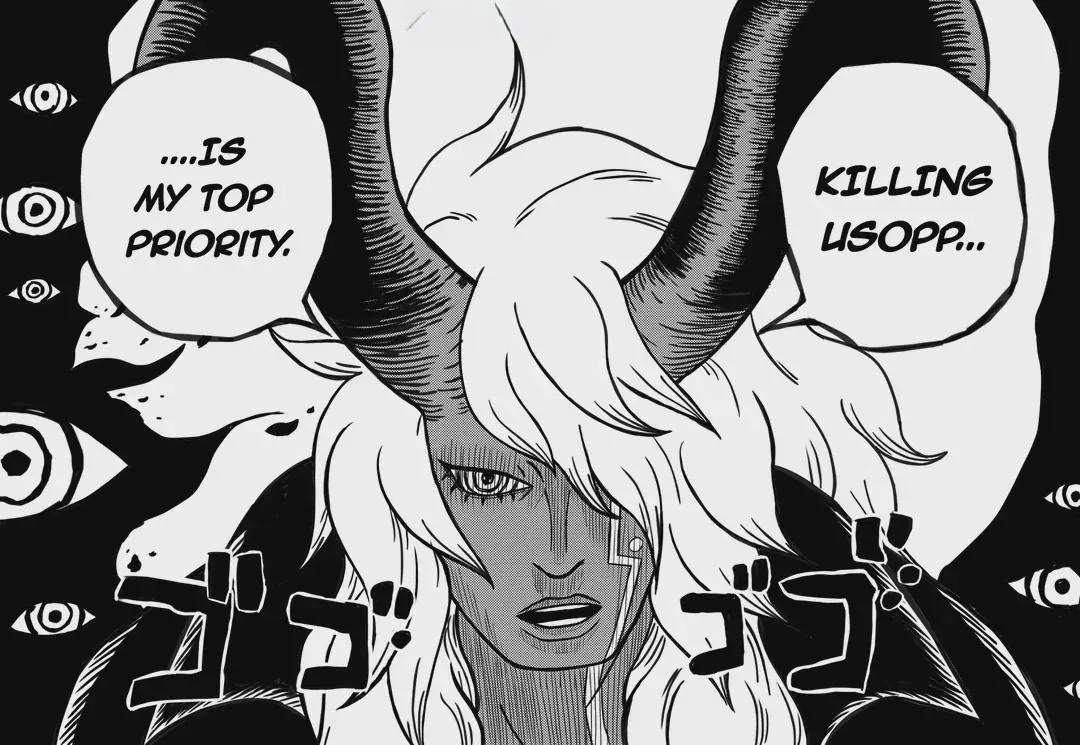
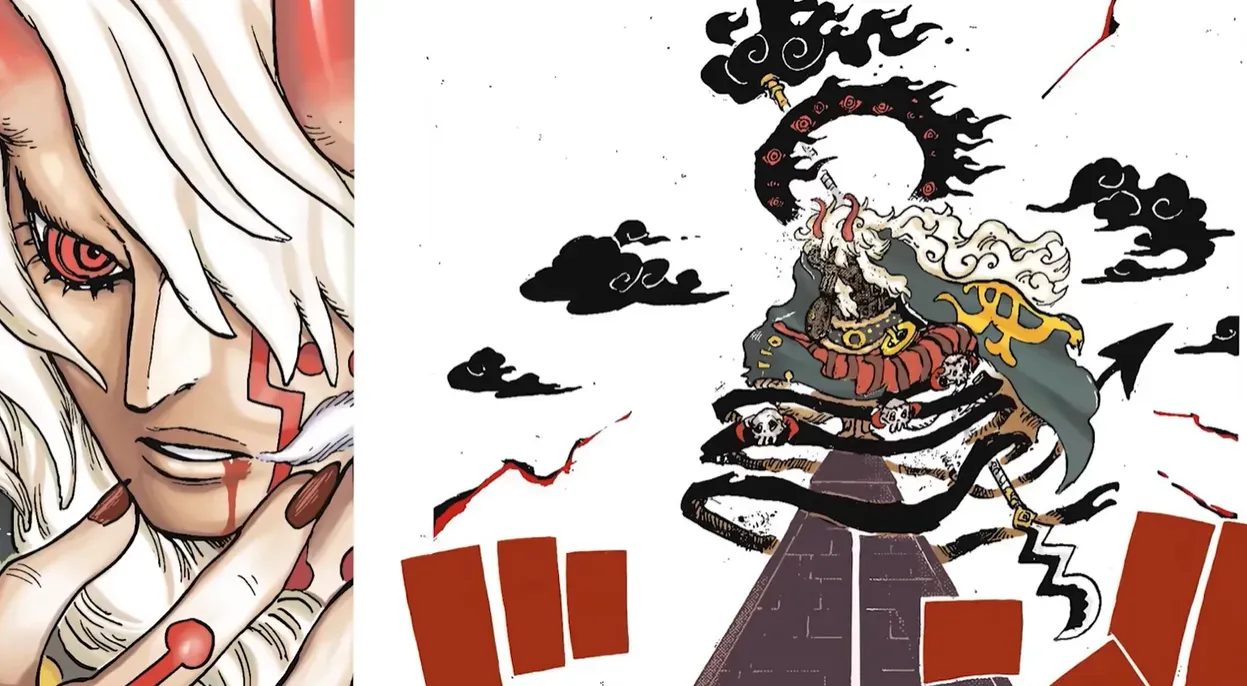 Also ReadOne Piece Chapter 1180 "Omen" Spoilers: Imu's God-Like Power Destroys Zoro & Sanji
The New Meaning of the Poneglyphs
The Poneglyphs are usually seen as "the dangerous truth." In this alternate path, they are the love letters of a dying civilization. This concept exists in a context where the history isn't just a record of war, but an institution of knowledge. Every stone found is a piece of a puzzle that shows how to fix the world, rather than just how to destroy it.
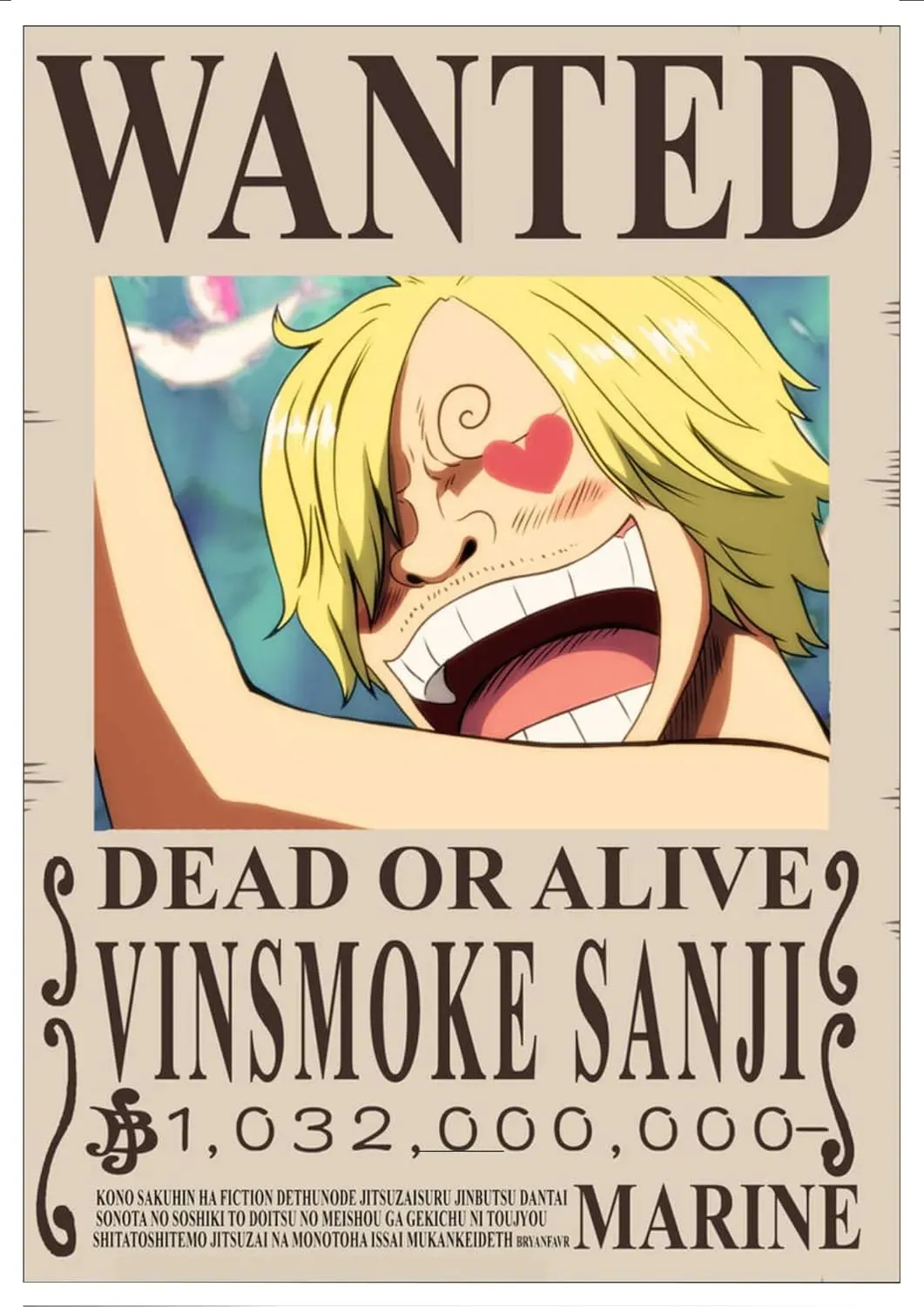
This changes how the Yonkos interact with the world. Big Mom's desire for a land of all races might be a warped attempt to recreate the diversity of the Great Kingdom. Kaido's obsession with a "Great War" might be his way of trying to break a status quo that he knows is a lie. Even Sanji and his dream of the All Blue becomes much more literal—it’s not just a myth, it’s a geographical reality that existed before the world was "divided" by the Red Line and the Calm Belts. You can see how this reshuffles our One Piece character tier list, as the "dreamers" become the most dangerous people in the eyes of the government.
The Worst Generation: Heirs to a Lost Era
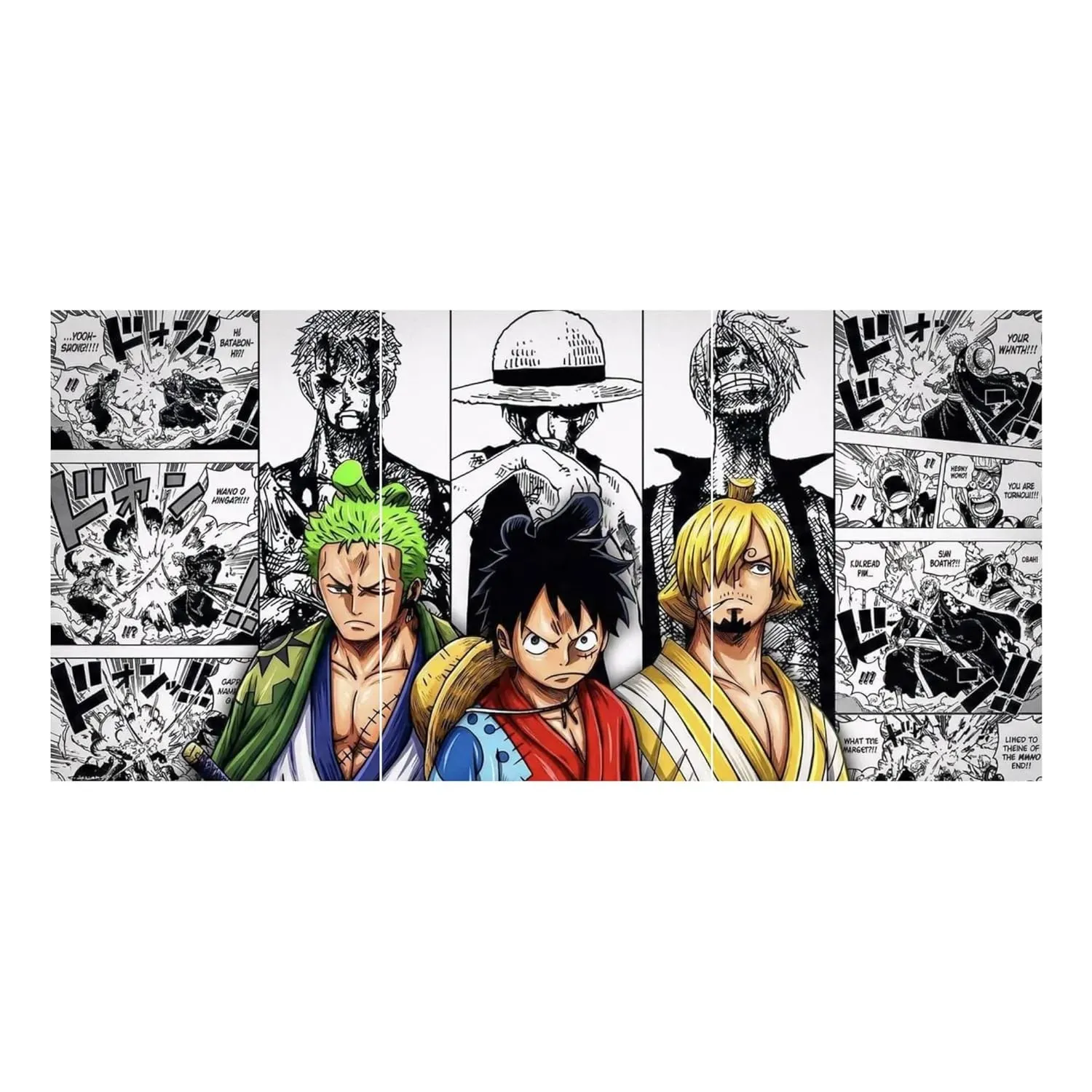
The eleven Supernovas arriving at Sabaody would carry the weight of this reconfigured history. Their rivalries would be built on different interpretations of the Void Century. Some might want to bring back the technology for power, while others, like Zoro, would simply be testing their own strength against the remnants of a time when warriors were legends. Their collective impact on the New World remains massive, but the texture is different—it’s a race to see who can claim the legacy of the golden age first.
- Usopp: His lies about great kingdoms and ancient wonders might actually turn out to be ancestral memories of the true world.
- Chopper: His medical research could be the key to rediscovering the "healing arts" of the ancient civilization that could cure any disease.
- Franky: As a shipwright, his connection to the ancient blueprints would be a sacred duty to build a vessel that can unite the seas again.
Conclusion: The Sea Still Calls
Even if the Void Century was a golden age of peace rather than a period of conflict, the core of One Piece remains the same. The sea is wide, the secrets are deep, and the human spirit cannot be caged. Whether the history is dark or bright, the dream of freedom is what drives our favorite characters toward the horizon. The Poneglyphs might tell a story of a lost paradise, but they also prove that such a paradise is possible to build again. At the end of the day, Laugh Tale is still waiting for the one who can hear the laughter of the past and turn it into the joy of the future. It makes you realize that while we talk about insane final saga powerups, the greatest powerup of all is the truth of who we were and who we can become. The world of One Piece is a puzzle, and even if we change the pieces, the picture at the end is always one of hope and the eternal, unbreakable will of those who dare to sail.






// Comments