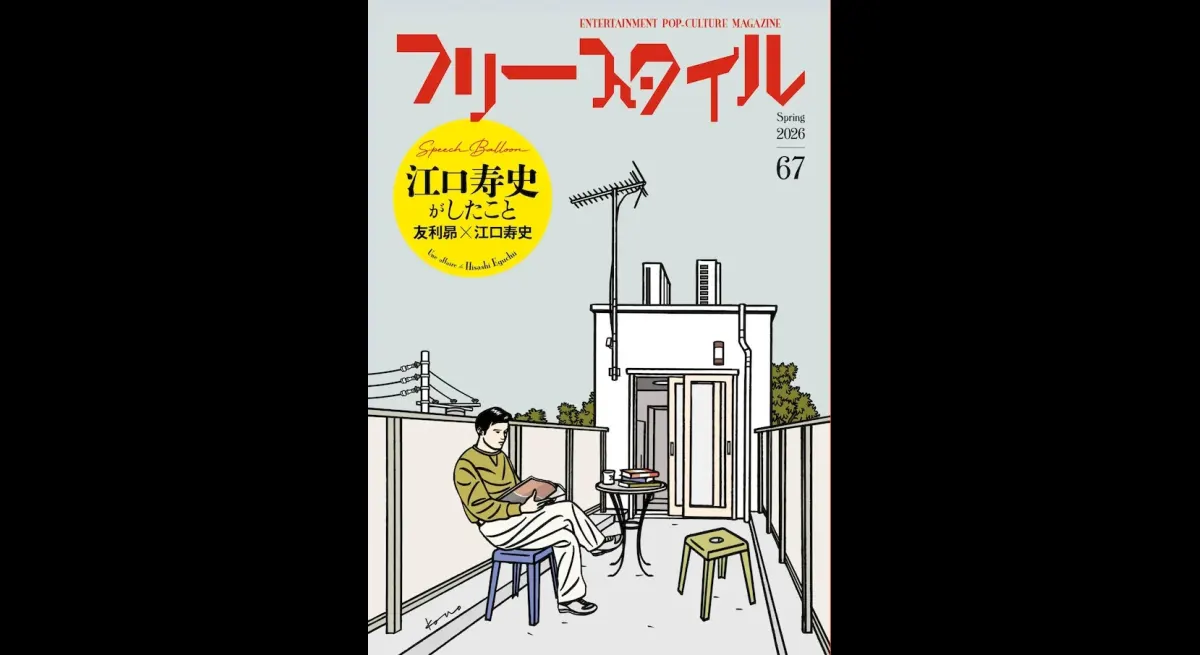
Exclusive Feature: Hisashi Eguchi and Subaru Tomori in Freestyle Vol. 67
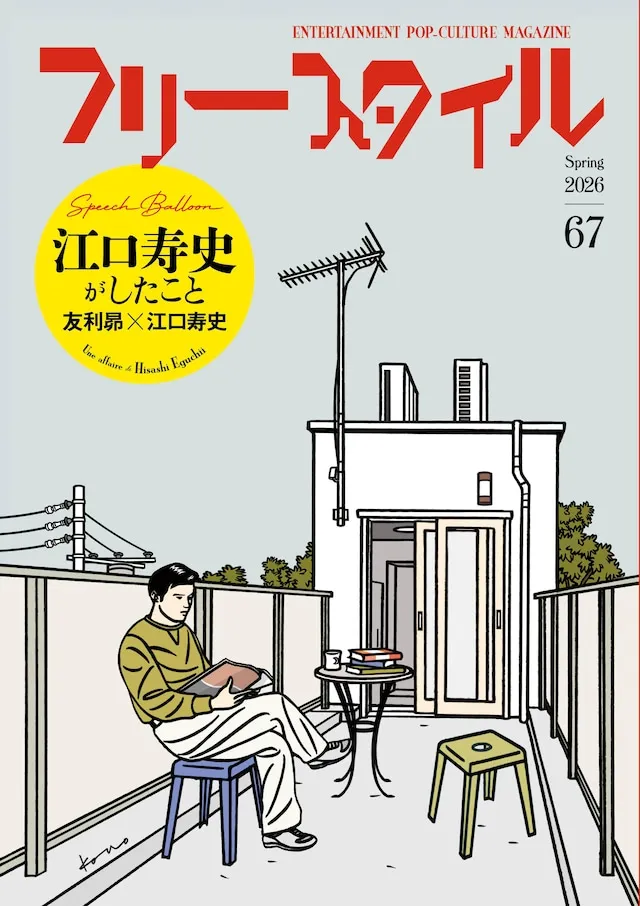
The latest issue of the renowned culture magazine Freestyle Vol. 67 has officially released today, March 30th, and it is creating quite a stir among art and manga enthusiasts. This particular edition carries a very significant special feature titled "What Hisashi Eguchi did," which dives deep into the recent controversies and artistic philosophy of the veteran illustrator. For fans who have been following the news, this is a must-read piece that addresses the elephant in the room regarding his recent work.
A Deep Dive into the Photography vs. Painting Debate
At the heart of this special feature is a massive, 30-page long conversation between Hisashi Eguchi and the well-known author Tomori Subaru. Tomori is famous for writing the Fake Copyright Case Files, a work that deals precisely with the complexities of intellectual property and legal battles in the creative world. Given the context, Subaru is perhaps the most qualified person to interview Eguchi about the "firestorm" he faced on social media platform X back in October 2025. This controversy was triggered by allegations of tracing photographs for his paintings at the Chuo Line Cultural Festival 2025, leading to a huge debate about where photography ends and painting begins.
The interview, which was recorded on January 8, 2026, provides Eguchi with a platform to explain his side of things. It is quite interesting to see how a veteran artist, who has defined much of Japan’s pop art aesthetic, navigates the modern landscape of digital scrutiny. Throughout the discussion, they touch upon several key points:
- The Definition of Reference: How much an artist can rely on a photograph before it is considered "tracing" or "plagiarism."
- Public Perception: The impact of social media outcries on an artist’s legacy and mental health.
- The Ethics of Illustration: Exploring the legal and moral boundaries when using real-life models or online images as a base for commercial art.
- Future of Pop Art: How traditional illustrators are adapting to a world where every line can be cross-referenced with original sources instantly.
Why This Conversation Matters for the Industry
This 30-page feature is not just about one artist’s mistake or method; it is actually a broader look at the state of the industry today. For those interested in the technical and legal side of manga production, reading the ultimate guide to Fake Copyright Case Files might give even more perspective on why this discussion with Tomori Subaru is so vital. Eguchi’s style has always been about clean lines and capturing the "aura" of his subjects, but this "torepaku" scandal has forced him to reconsider his editorial perspective and the emotions he puts into his drawings.
In the magazine, Eguchi talks about how he used to draw with a very detached, editor-like view, but is now starting to put more of his own feelings into the work. This shift might be a direct result of the backlash he received, showing that even legendary figures are constantly evolving. The magazine also features various illustrations that highlight Eguchi’s career, reminding readers of his massive influence on city pop and bishojo aesthetics over the last five decades.
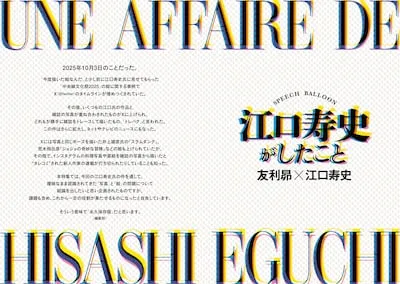
Whether you agree with his methods or not, the dialogue presented in Freestyle Vol. 67 is essential for understanding the current tensions in the Japanese art community. It is rare to get such an honest and lengthy response from an artist in the middle of a controversy. This issue is surely going to be a collector’s item for anyone who follows the intersection of manga, law, and contemporary culture.





// Comments