Introduction: The Deconstruction of Shonen Friendship
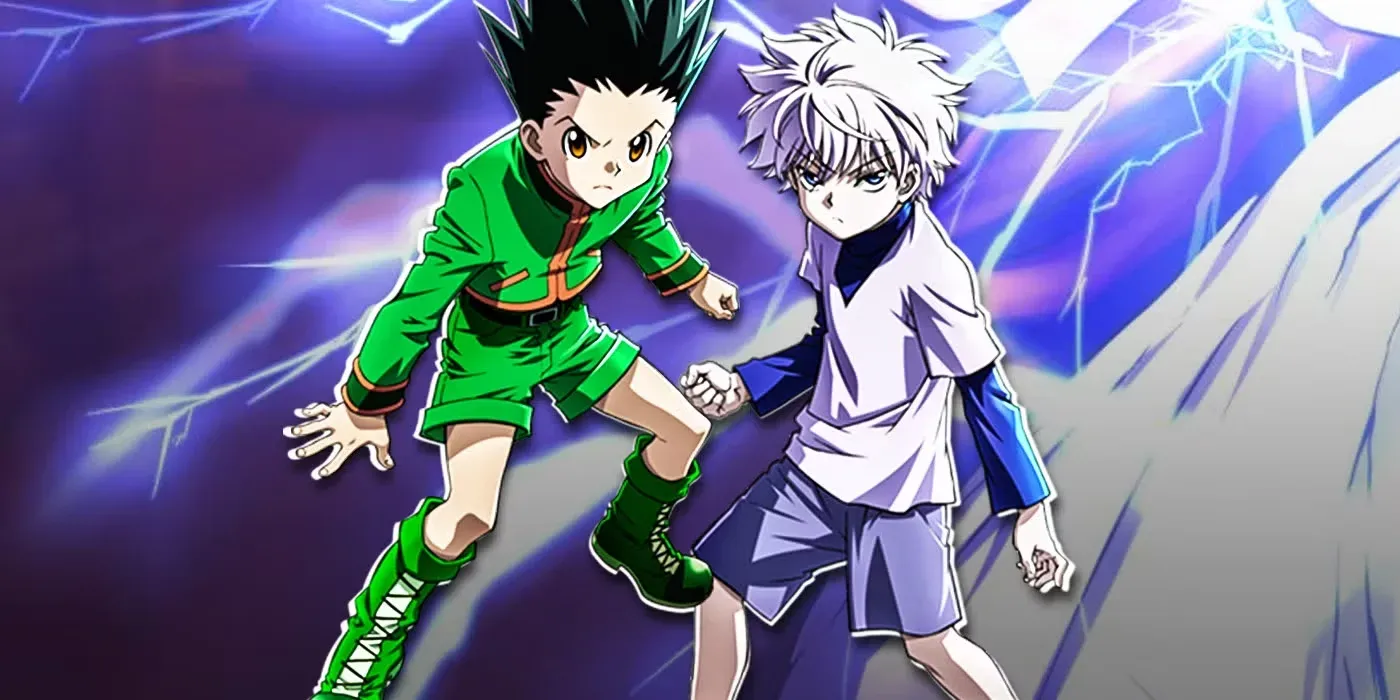
At the start of Hunter x Hunter, the dynamic between Gon Freecss and Killua Zoldyck seems straightforward. Gon is the archetype of the Shonen hero: pure, optimistic, and bathed in "light." Killua is the foil: the cynical, traumatized assassin living in the "shadow."
However, the genius of Yoshihiro Togashi lies in how he slowly dismantles this setup. The Chimera Ant arc acts as a crucible that melts these characters down, resulting in a perfect inverse character arc. As the story progresses, the "Light" reveals its blinding, destructive selfishness, while the "Shadow" learns to care, protect, and love.
1. Gon’s Descent: The Danger of Absolute Purity
Gon’s descent into darkness is terrifying because it is not a change in his character, but a reveal of his true nature. Gon operates on a system of "Blue and Orange Morality"—he judges things not by Good vs. Evil, but by whether they help or hinder his goals.
- The Catalyst: The death of his mentor, Kite, breaks Gon. Unlike a typical hero who seeks justice, Gon seeks retribution.
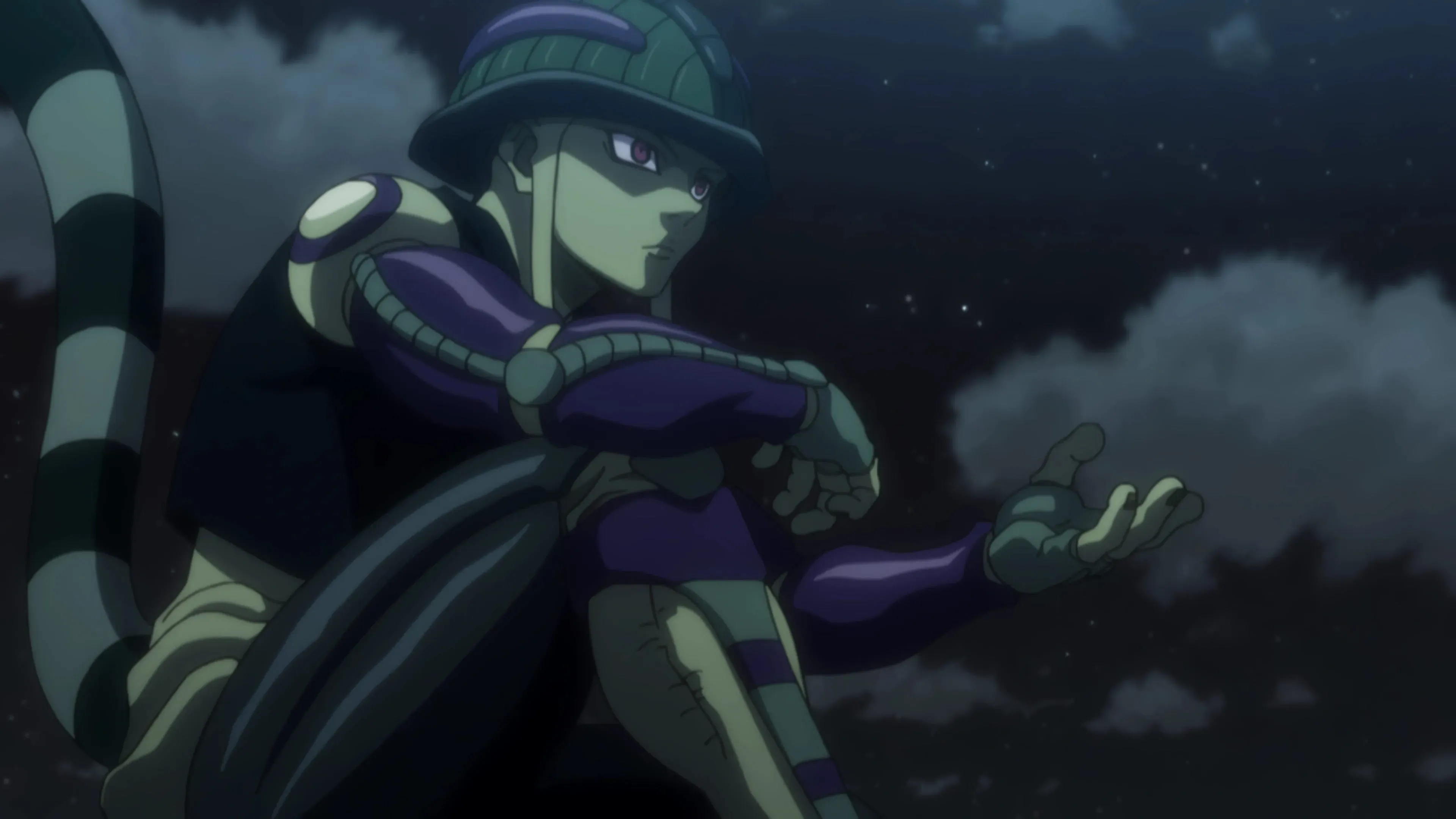
- The Loss of Humanity: During the Palace Invasion, Gon encounters Neferpitou healing a blind girl, Komugi. A traditional hero would respect the sanctity of life. Gon, however, threatens to kill the innocent girl if Pitou doesn't obey him. He abandons empathy entirely.
- The Transformation: His final form (Gon-san) is the physical manifestation of this childish nihilism. He throws away his entire future—his life, his potential, his ability to use Nen—just to destroy the enemy in front of him. It is a suicide bombing fueled by a tantrum.
2. Killua’s Ascent: Breaking the Chains
While Gon is losing his humanity, Killua is finding his. At the start of the arc, Killua fights out of fear and self-preservation. By the end, he fights out of love.
 Also ReadHunter x Hunter Dark Continent Arc: Everything to Know
- Removing the Needle: The turning point is Killua removing the needle Illumi implanted in his brain. This needle forced him to flee from stronger enemies. By ripping it out, he reclaims his free will.
- The Burden of the Caretaker: While Gon focuses solely on revenge, Killua takes on the weight of the entire mission. He protects the citizens, coordinates with the team, and frantically tries to save Gon from himself.
- Godspeed (Kanmuru): Killua’s new ability isn't just a power-up; it is a tool for protection. He uses his lightning speed not to assassinate, but to carry Gon, save civilians, and create distance. He transitions from a killer to a guardian.
3. The Inversion Point: "You Have It Easy, Killua"
The tragedy of their relationship culminates in one devastating line. When Killua tries to reason with Gon, begging him to calm down, Gon snaps:
"It must be nice, Killua... to be calm. Since it doesn't really matter to you."
This line shatters Killua. He realizes that despite his unwavering loyalty and love, Gon is so consumed by his own pain that he cannot see Killua’s suffering. Gon has become the cold, unfeeling monster Killua used to be, while Killua is left as the weeping, emotional heart of the duo.
Conclusion
The Chimera Ant arc proves that "Light" is not always good, and "Shadow" is not always evil. Gon’s light was so intense it burned everything around it, leaving nothing but ash. Killua’s shadow, meanwhile, became a shelter—a cool, safe place for others to rest. By the end of the arc, the assassin had become the hero, and the hero had become the tragedy.
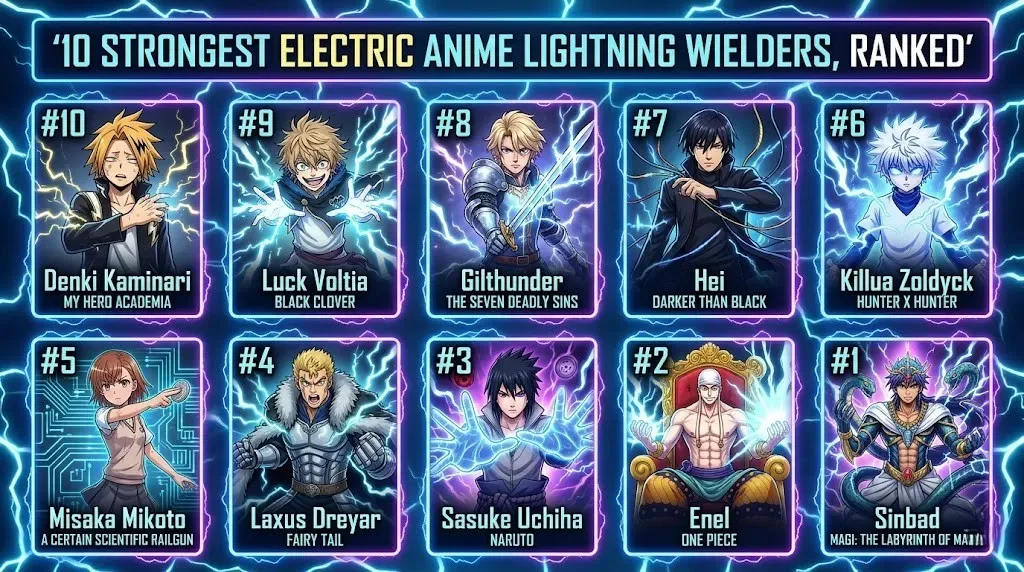 Also Read10 Strongest Electric Anime Lightning Wielders, Ranked
 format(webp))








// Comments