
What Are Vivre Cards?
The Vivre Card databook One Piece fans have come to rely on is a unique, ever-evolving encyclopedia of the series. Unlike traditional bound books, the Vivre Card - One Piece Visual Dictionary uses a binder system with individual, tearaway cards. This format, manufactured by Caramel Mama, allows the collection to expand indefinitely as new "booster packs" are released monthly. Each card acts as a complete datafile for a specific character, providing a deep dive into the lore that often goes beyond what is shown in the manga or anime.
In-universe, a Vivre Card is a "paper of life" made from a person’s fingernail clippings. These magical papers indicate the owner's life force and location. The real-world Vivre Card databook mimics this personal connection by giving fans a dedicated page for every character, from the legendary Pirate King to the most obscure background figures appearing in early arcs like Romance Dawn.
 Also ReadYuichi Nakamura as Loki in "ONE PIECE": Elbaf Edition OP by Aina The End
Major Reveals
One of the most exciting aspects of the Vivre Card reveals is the uncovering of information that hasn't been explicitly stated in the manga. For years, fans have poured over these cards to find "canon" confirmation for popular theories. For instance, recent packs have provided a distinct timeline for the character Queen, revealing his real name is Scien and that he was part of the research team MADS. These dates have led to significant speculation regarding his potential fatherhood of Franky, given the matching dates of abandonment and age.
Other major reveals include the confirmation of Haki users. Characters like Lucky Roux and Nekomamushi were clarified to possess specific types of Haki that were not clearly demonstrated in their initial manga appearances. Additionally, the databook has settled long-standing debates, such as confirming that the character Jack is a full Fish-Man, despite his ability to use a Devil Fruit.
Character Stats
The Vivre Card databook One Piece collection is prized for its meticulous attention to detail regarding character statistics. Each card features a standardized profile that includes:
- Basic Info: Gender, birthday, age, and height.
- Origins: Birthplace, residence, and blood type.
- Favorites: Favorite and least favorite foods, as well as character hobbies.
- Combat Data: Devil Fruit names, Haki mastery, and current bounties.
- Voice Talent: The specific Japanese voice actor (Seiyuu) for the character.
These stats often include trivia that adds flavor to the world, such as Marshall D. Teach’s hobby of studying history or the fact that Dracule Mihawk enjoys laidback farm work and wine. The height data is particularly popular among fans, as Oda often uses massive character scales (like Little Oars Jr. being revised to 60 meters tall) to emphasize power and presence.
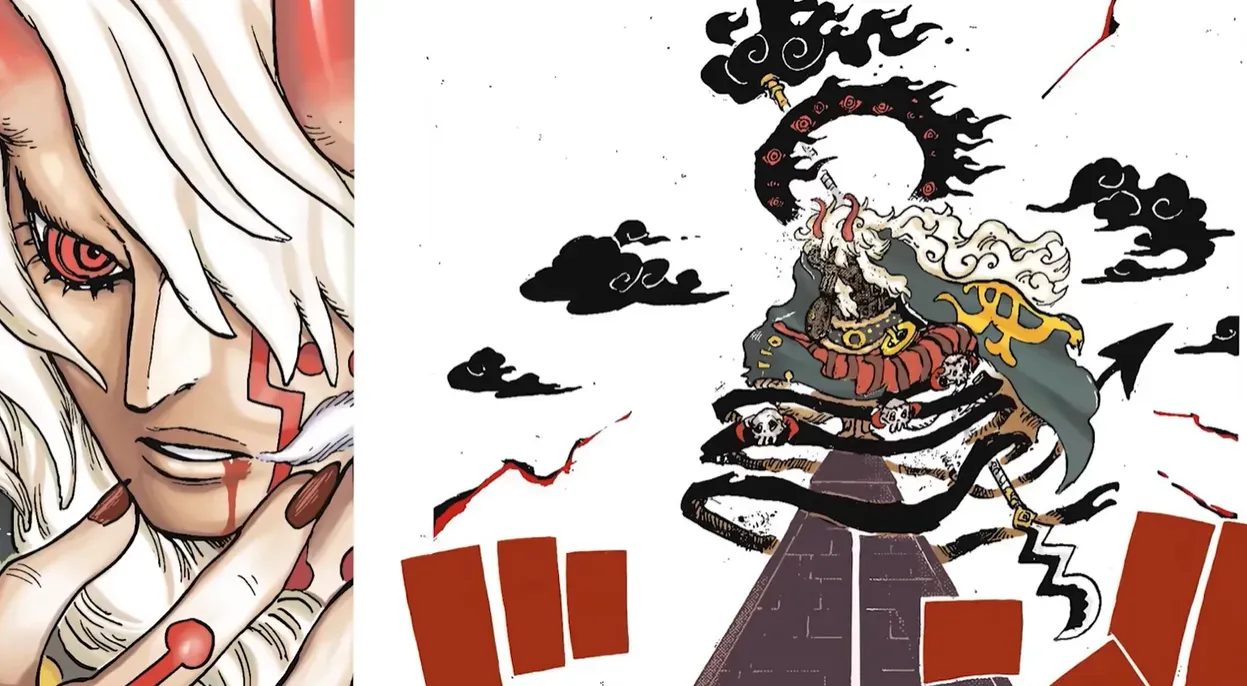 Also ReadOne Piece Chapter 1180 "Omen" Spoilers: Imu's God-Like Power Destroys Zoro & Sanji
Lore Additions
Beyond individual stats, the Vivre Card reveals offer broader lore additions that flesh out the One Piece world. The databook includes "Extra Character" cards for minor figures who don't warrant a full page, ensuring that even background characters are accounted for in the series' numbering system. Skill cards and location-based cards also provide updates on Devil Fruit attacks and ship details, such as the Saber of Xebec or the Moby Dick.
Crucially, the databook provides timelines for major world events. Fans can track the history of the Roger Pirates, seeing exactly when Roger was considered a rookie (77 years ago) versus when he conquered the Grand Line. These chronological anchors help the community piece together the complex history of the Void Century and the Clan of D.
Controversy Over Databook Info
Despite being a "reliable source," the Vivre Card databook One Piece community occasionally debates its 100% canonicity. Because Eiichiro Oda provides notes and sketches but does not personally write every line, human errors can occur. There have been instances where birthdays or bounty numbers were printed incorrectly and later fixed via the official website's revision page.
A larger point of contention involves power-scaling. Some cards have omitted certain abilities, like Conqueror's Haki for Garp or Zoro, only for the manga to reveal those powers later. This suggests that the databook is "canon until proven otherwise" or that it purposefully withholds information to avoid spoiling future manga chapters. Ultimately, the manga remains the absolute source of truth if a contradiction arises.
FAQ
Are the Vivre Cards written by Eiichiro Oda?
While the information comes from Oda's notes, editors and staff at Caramel Mama compile the cards. Oda has stated they are a reliable source of information for fans to use.
How often are new booster packs released?
Typically, two booster packs are released each month in Japan, with each pack containing approximately 16 new character or lore cards.
Are the Vivre Card reveals considered canon?
Yes, the information is considered canon. However, if the manga later contradicts a card (often due to a planned reveal), the manga takes precedence as the primary source.
What happens if there is a mistake on a card?
The official One Piece Vivre Card website has a dedicated "revisions" section where they post corrections for typos, incorrect heights, or updated Haki information.
















// Comments