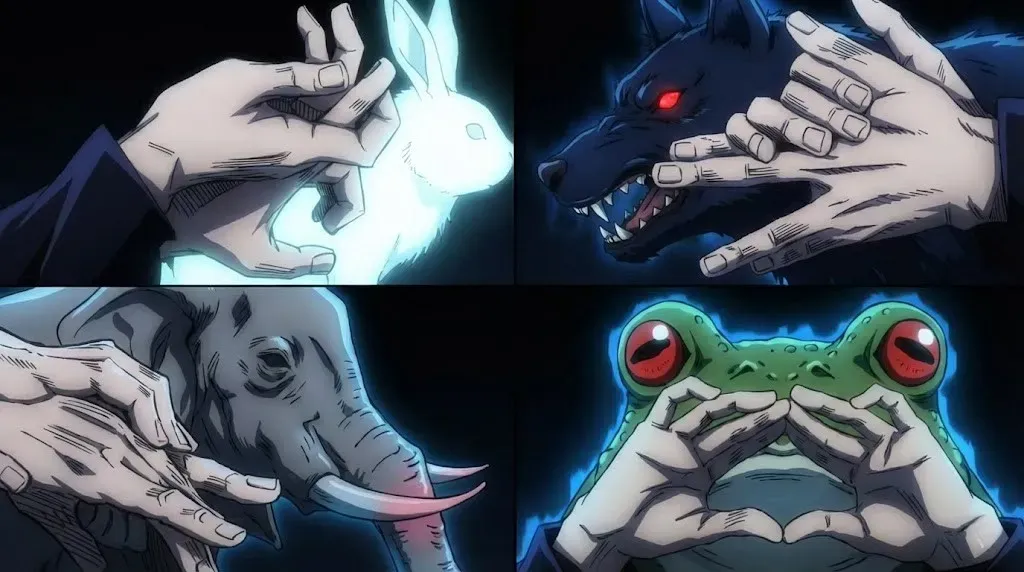
Introduction to Hand Symbolism in Jujutsu Kaisen
In the visually stunning world of Jujutsu Kaisen, every movement is deliberate, but none are as significant as the complex JJK hand signs used by sorcerers and cursed spirits. While many action series use gestures as mere flourishes, Jujutsu Kaisen elevates them to a core narrative and mechanical element. These hand signs are not just for show; they are the keys that unlock a sorcerer's most devastating abilities, most notably the Domain Expansion. By focusing cursed energy through specific finger placements, characters can rewrite the laws of reality within a localized space. This intricate use of symbolism adds a layer of depth that invites viewers to look beyond the surface level of the battles and explore the traditional roots that ground the series.
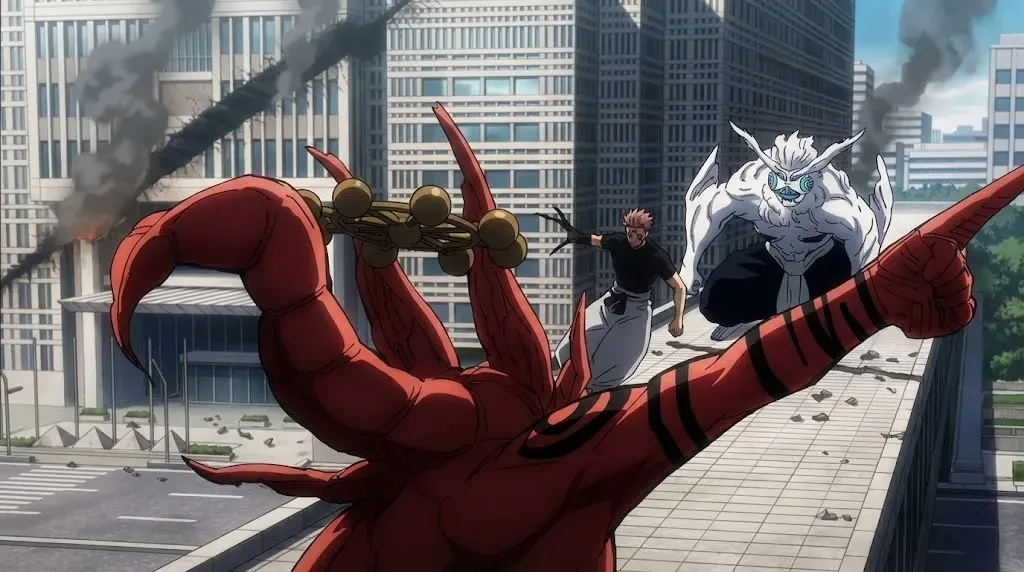 Also ReadSukuna's World-Cutting Slash Explained
Understanding Mudras and Buddhist Symbolism
The JJK hand signs seen throughout the series are heavily inspired by "mudras," which are symbolic or ritual gestures in Hinduism and Buddhism. In these spiritual traditions, mudras are used during meditation and rituals to channel the flow of energy and connect the practitioner with specific deities or states of being. The term "mudra" translates to "seal" or "gesture," and each configuration of the hands carries a distinct philosophical meaning. For instance, some represent protection, while others symbolize the dispelling of fear or the attainment of enlightenment. Gege Akutami, the creator of Jujutsu Kaisen, masterfully adapts this Buddhist symbolism to reflect the personality and philosophy of the characters. When a character forms a sign, they aren't just activating a power; they are making a spiritual statement that aligns with their innate cursed technique.
The Significance of Domain Expansion Mudras
The most iconic application of these gestures is the Domain Expansion mudras. A Domain Expansion is the pinnacle of jujutsu sorcery, and the hand sign serves as the catalyst for its manifestation. Each major character possesses a unique sign that correlates with their domain's theme:
- Satoru Gojo: His signature one-handed sign for "Infinite Void" is inspired by Shokujo, symbolizing the removal of obstacles and the vastness of the cosmos.
- Ryomen Sukuna: The King of Curses uses a specific mudra for "Malevolent Shrine" that mirrors the Enma-ten, the King of Hell, emphasizing his role as an arbiter of death and destruction.
- Megumi Fushiguro: His "Chimera Shadow Garden" involves a more claw-like gesture, reflecting the primal nature of his shadows and the Shikigami he summons.
- Mahito: His "Self-Embodiment of Perfection" uses multiple hands to create a complex seal, representing his obsession with the soul and the malleability of the human form.
 Also ReadThe Mahoraga Ritual Rules Explained
Cultural and Religious Roots of JJK Techniques
The integration of Buddhist symbolism goes deeper than just the visuals. Many techniques are rooted in specific Japanese folklore and religious sects. For example, the hand signs often correlate with the "Twelve Heavenly Generals" or various Bodhisattvas. By grounding the power system in established cultural heritage, the series gains an air of authenticity and ancient mystery. This connection to the divine and the macabre highlights the duality of cursed energy—it is born from human suffering but controlled through disciplined, spiritual ritual. This blend of the sacred and the profane is a hallmark of the series, making the supernatural elements feel like a hidden part of the real world’s history.
Artistic Interpretation and Animation of Mudras
The brilliance of these signs is further elevated by the high-quality animation produced by MAPPA. In the Jujutsu Kaisen animation, the mudras are depicted with extreme precision and fluid motion. The animators often use close-up shots to emphasize the complexity of the finger placements, ensuring that the Buddhist symbolism remains recognizable to those familiar with it. The way the light flickers or the air distorts around the hands during these sequences adds a tactile weight to the magic. This attention to detail ensures that the JJK hand signs are more than just static poses; they are dynamic, energetic events that heighten the tension of every encounter. The visual clarity of these signs has even led to a community of fans practicing the gestures, further bridging the gap between the screen and the viewer.
Conclusion: The Impact of Symbolism on JJK Lore
Ultimately, the symbolism of hands in Jujutsu Kaisen is a testament to the series' intricate world-building. By incorporating Domain Expansion mudras and traditional spiritual gestures, the narrative moves beyond simple combat and into the realm of cultural commentary and artistic expression. These JJK hand signs provide a window into the souls of the characters, revealing their desires, their lineages, and their place within the cosmic hierarchy of the jujutsu world. Whether it is Gojo’s effortless flick or Sukuna’s terrifying seal, these gestures have become as legendary as the characters themselves. As the series progresses, the depth of this symbolism continues to reward fans who look closely, proving that in the world of curses, the hands carry the weight of destiny.





// Comments