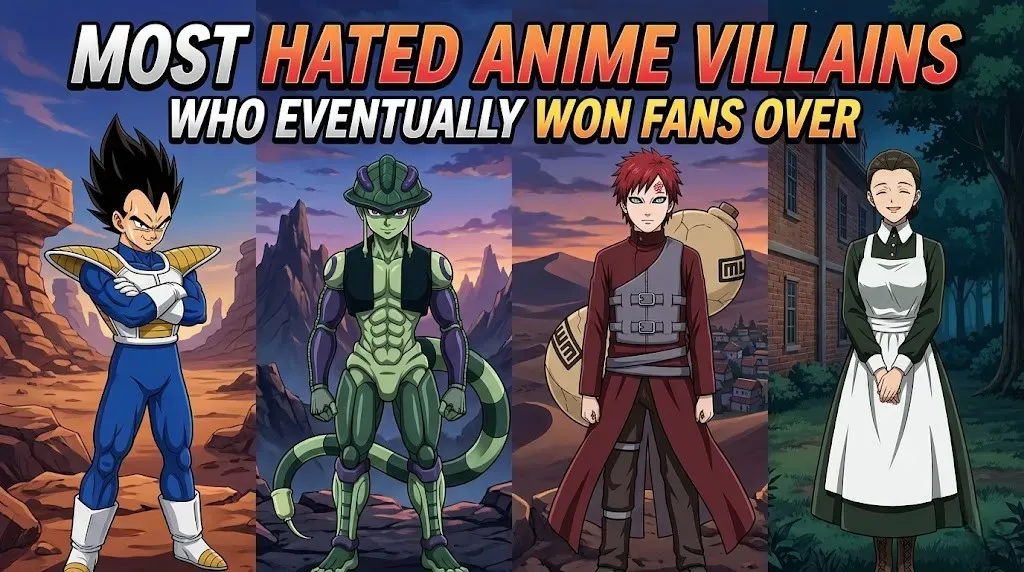
Introduction to Most Hated Anime Villains
The landscape of Japanese animation has always been defined by its emotional extremes. We cheer for the underdog, weep for the fallen hero, and, perhaps most intensely, harbor deep resentment for the antagonists who obstruct the path of our favorite characters. These most hated anime villains are designed to be the physical embodiment of everything the audience detests, serving as the perfect foil to the series' moral core.
However, the beauty of long-form storytelling in anime lies in its capacity for complexity. A character who starts as a despicable anime antagonist can, through careful writing and significant narrative shifts, transform into a fan favorite. This evolution is one of the most rewarding experiences for a viewer, as it challenges our own biases and demonstrates the power of character development.
In this exploration, we dive into the psychology of the most hated anime villains who managed to flip the script. From cold-blooded killers to arrogant rivals, these infamous anime bad guys proved that first impressions are not always permanent. We will examine how they moved from being irredeemable anime characters to icons of redemption that fans now celebrate across the globe.
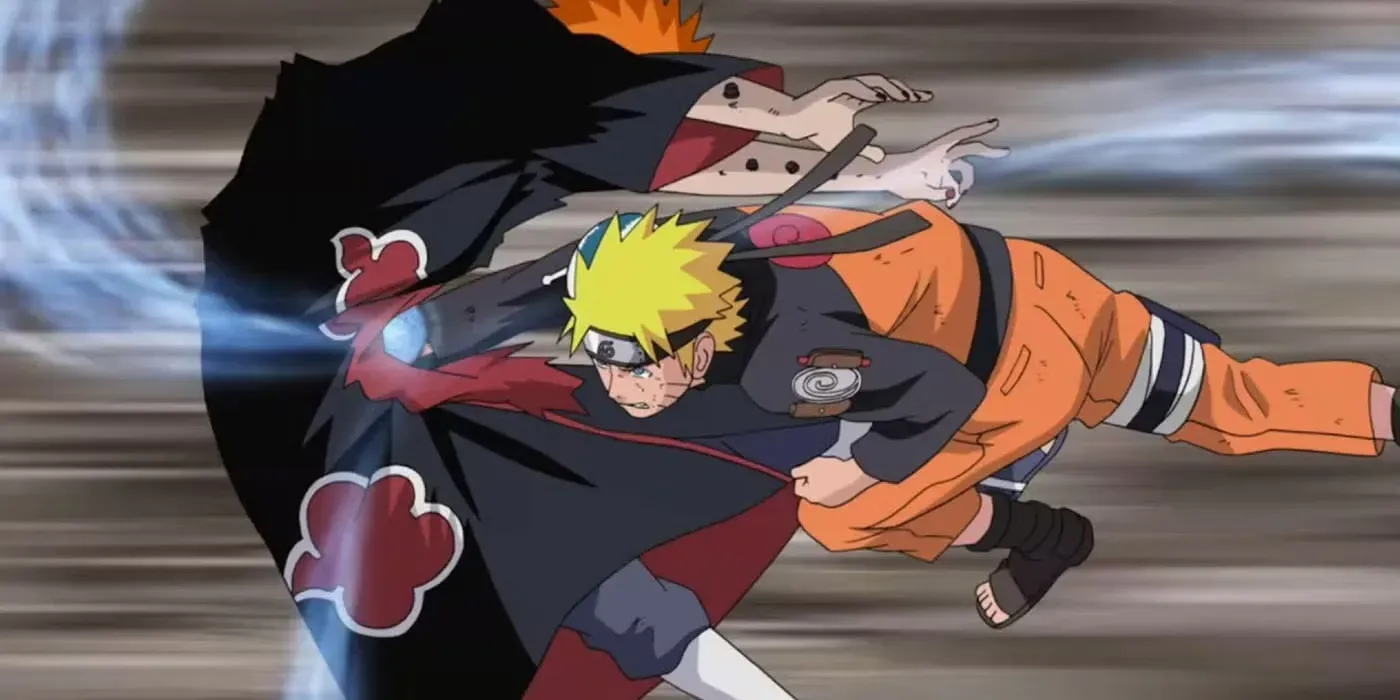 Also ReadNaruto vs Pain: Full Episode Breakdown & Attacks
Why Fans Initially Loathe These Antagonists
The initial hatred for a villain is often a testament to the creator's skill. To make an audience truly despise a character, the writer must establish a personal connection between the villain's cruelty and the viewer's empathy. Often, these controversial anime villains earn their reputation by committing acts that feel deeply personal or unnecessarily brutal toward the series' protagonist.
There are several recurring factors that lead to a character being ranked among the worst anime villains:
- Targeting Beloved Innocents: When a villain harms a defenseless side character or a child, it creates an immediate moral barrier that is difficult to cross.
- Arrogance and Hubris: Characters who look down on others with unearned superiority often trigger a visceral reaction in viewers.
- Betrayal of Trust: A villain who was once an ally and turns their back on the hero is frequently more hated than one who was an enemy from the start.
- Lack of Motivations: Early in a series, many villains appear to be "evil for the sake of evil," making them feel like flat obstacles rather than human beings.
In 2026, audience tastes have matured to appreciate these "love to hate" dynamics. We recognize that the more we loathe a character in the beginning, the more powerful their eventual turn or downfall will feel within the narrative structure.
Criteria for Redemption and Fan Popularity
How does a character go from being one of the most hated anime villains to a person fans would defend in a social media thread? The transition is rarely accidental; it follows a specific set of narrative benchmarks that allow the audience to "forgive" past transgressions. This isn't about erasing their crimes but rather providing context that makes them relatable.
 Also ReadHow Many Seasons Does Naruto Have? Complete Season Breakdown
The first criterion is often the "Pivot of Perspective." This occurs when the story stops viewing the villain as a looming shadow and begins to show their internal struggle. When we see a villain fail, suffer, or show a moment of genuine vulnerability, the wall of hatred begins to crack. We start to see the human beneath the monster.
The second criterion is "Utility Toward the Hero." Fans are surprisingly forgiving when a previous antagonist uses their formidable power to help the protagonist. This alliance, often born of necessity, allows the audience to see the villain's skills in a new, positive light. If they can save the person we love, we might just stop hating them.
Finally, there is the "Consistency of Change." True redemption in the eyes of fans requires the character to suffer for their past and actively work toward a different future. A simple apology isn't enough; they must embody a new philosophy that directly contradicts their previous, despicable actions.
10 Most Hated Anime Villains Who Eventually Won Fans Over
1. Vegeta (Dragon Ball Z)

Vegeta is the gold standard for the redeemed villain. When he first arrived on Earth, he was a genocidal prince who killed his own partner without a second thought. He was arrogant, murderous, and stood against everything Goku represented. Yet, through his rivalry with Goku and his eventual integration into Earth’s society, he became a symbol of hard work and complex fatherhood, arguably becoming more popular than the protagonist himself.
2. Meruem (Hunter x Hunter)

As the Chimera Ant King, Meruem was introduced as a literal predator who viewed humans as nothing more than cattle. His early scenes are filled with casual violence and a terrifying lack of empathy. However, his relationship with the blind Gungi player Komugi humanized him in a way few thought possible. By the end of the arc, fans weren't rooting for his death; they were mourning the loss of a philosophical soul.
3. Gaara (Naruto)
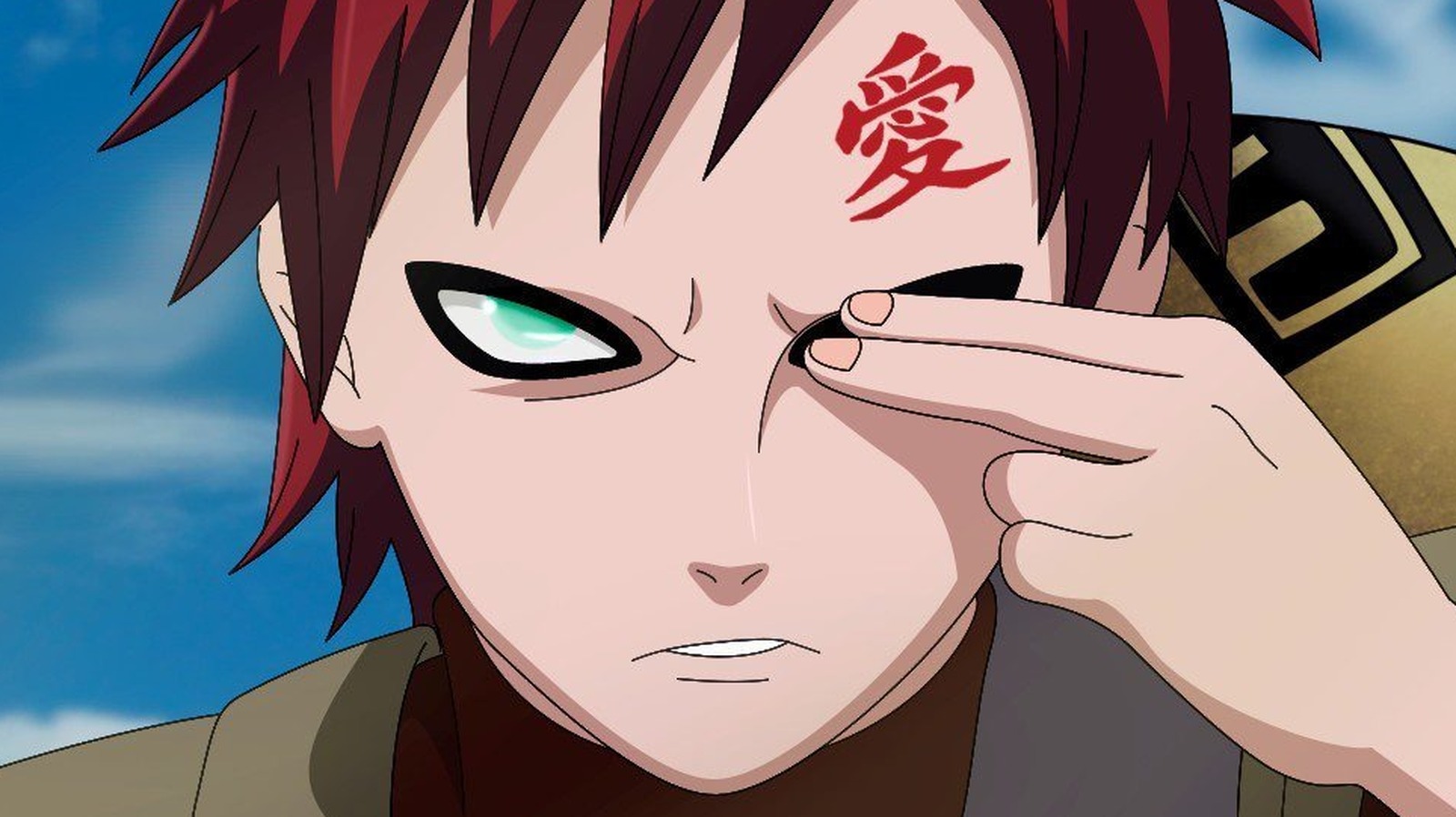
Gaara was a nightmare fuel character in the early Chunin Exams. He was a bloodthirsty killer who lived only to prove his existence by ending others'. He was widely considered one of the most hated anime villains because of his psychological instability. After his defeat by Naruto, his transformation into the compassionate Kazekage who leads his village with love remains one of the most emotional arcs in shonen history.
4. Scar (Fullmetal Alchemist: Brotherhood)
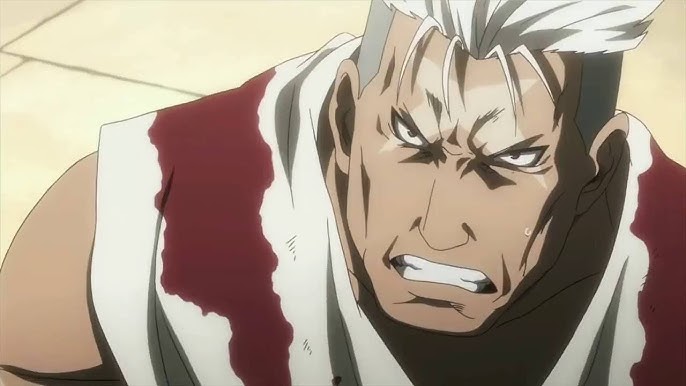
Scar began as a terrifying serial killer targeting State Alchemists, including our heroes. His actions were brutal and seemingly fueled by blind rage. However, as the Ishvalan Civil War’s details were revealed, his status as a victim of genocide shifted the audience’s perspective. Scar’s journey from a seeker of vengeance to a protector of the world made him an essential and beloved ally.
5. Endeavor (My Hero Academia)
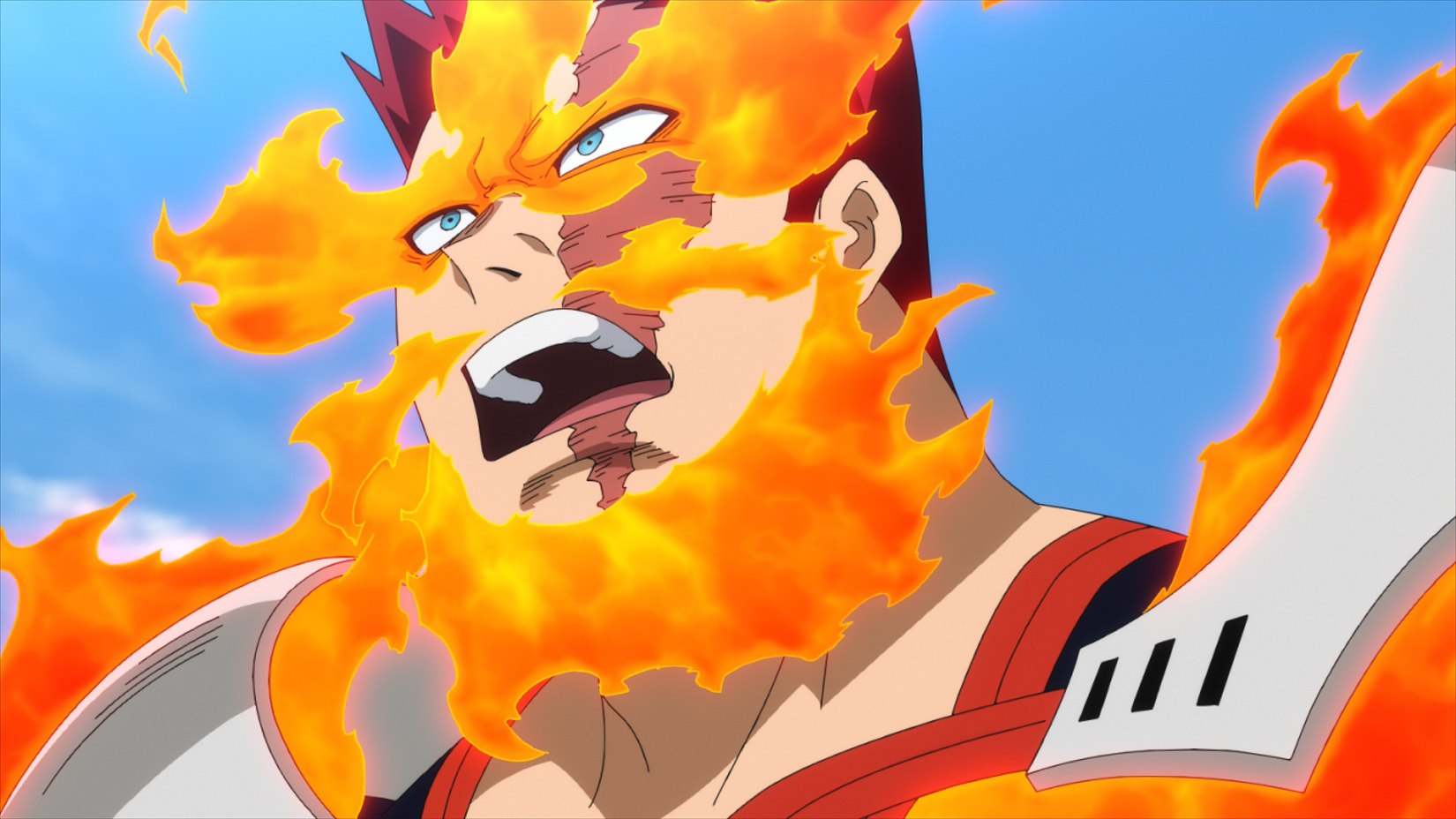
Enji Todoroki, known as Endeavor, was perhaps the most controversial anime villain for years because his "villainy" was domestic. He was an abusive father and husband, making him more "realistically" hated than world-conquering tyrants. His slow, painful journey toward atonement—not for forgiveness, but to be a better man—is widely regarded as one of the best-written redemption arcs in modern anime.
6. Isabella (The Promised Neverland)
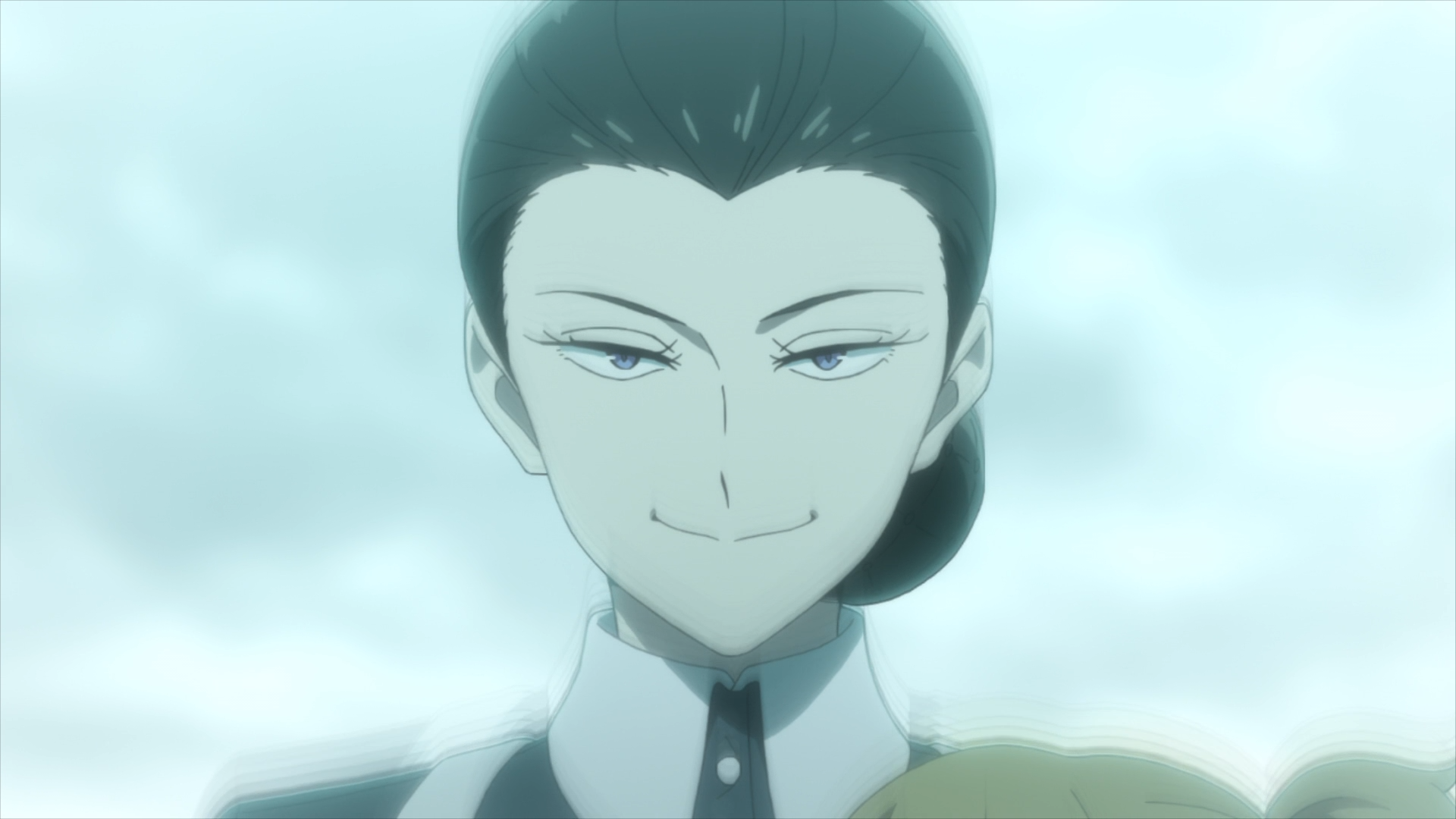
Isabella, or "Mama," was the chilling antagonist of the first season. Her calm, motherly demeanor while sending children to their deaths made her one of the most despicable anime antagonists of the era. However, the revelation of her own past as a captive in the system and her ultimate sacrifice to save the children in the final arc turned her from a monster into a tragic, beloved figure.
7. Reiner Braun (Attack on Titan)
format(webp))
Reiner was the ultimate traitor. As the Armored Titan, he was responsible for the destruction of the walls and the deaths of thousands. When his identity was revealed, the fan hatred was palpable. Yet, the "Marley Arc" provided such deep insight into his trauma, indoctrination, and suicidal guilt that he became one of the most sympathetic characters in the entire series.
8. Greed (Fullmetal Alchemist: Brotherhood)

Greed was initially a self-serving rogue with no interest in human life. However, his second incarnation, sharing a body with Ling Yao, allowed for a unique bromance that highlighted the better parts of his "sin." Greed eventually realized that what he truly craved wasn't money or power, but friends. His final stand against Father cemented him as a hero in the eyes of the fandom.
9. Askeladd (Vinland Saga)
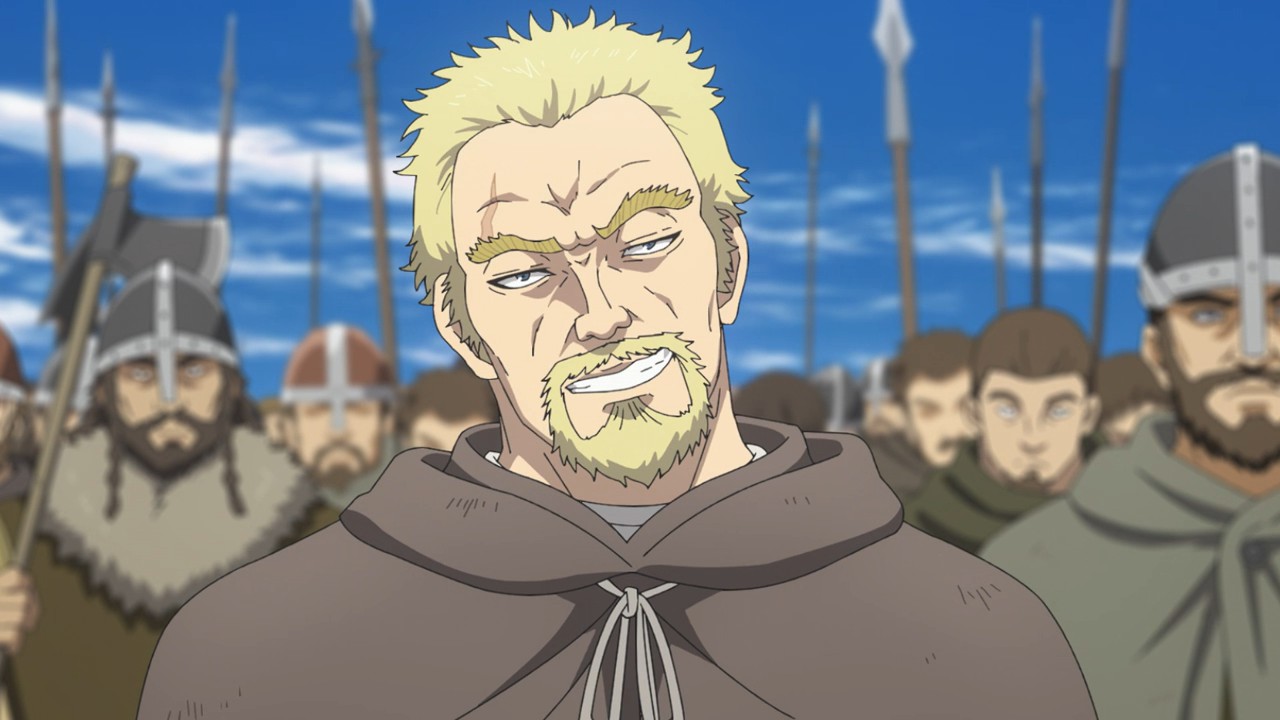
Askeladd murdered the protagonist's father in front of him and spent years exploiting a child’s rage. He was a manipulative, cynical mercenary. Yet, by the end of the first season, his brilliance, his hidden noble goals for Wales, and his fatherly (albeit twisted) guidance of Thorfinn and Canute made him the show's most compelling and missed character.
10. Gajeel Redfox (Fairy Tail)
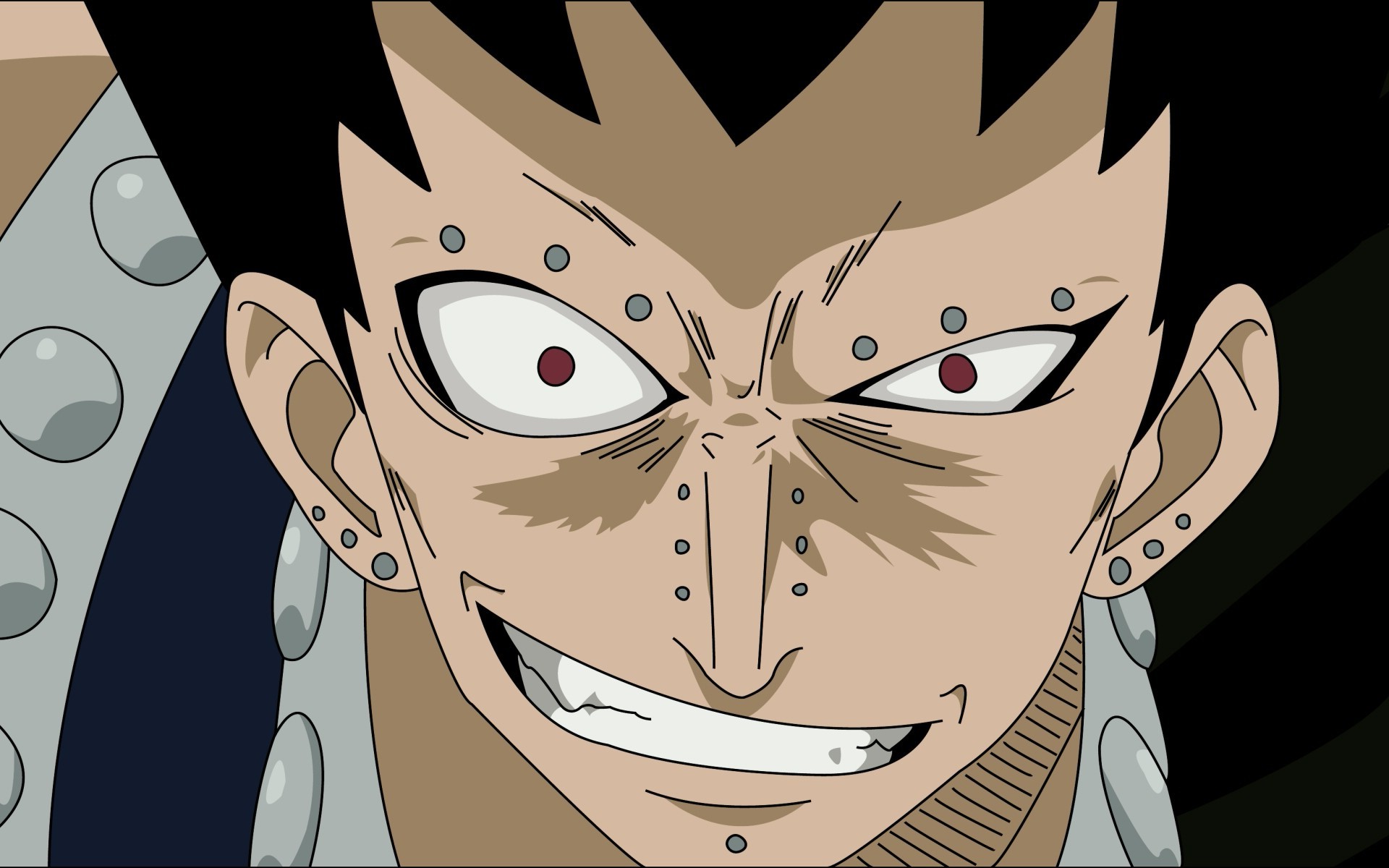
Gajeel entered the series by crucifying members of the Fairy Tail guild and destroying their home. He was a brutal thug with no redeeming qualities. After joining the guild, his awkward attempts at socializing, his devotion to Levy, and his fierce loyalty to his new family turned him into a cornerstone of the series that fans absolutely adore.
The Role of Tragic Backstories in Character Redemption
One of the most effective tools in the arsenal of an anime creator is the "Tragic Backstory." While it can sometimes be a trope, it serves a vital function in humanizing the most hated anime villains. When a viewer understands the "why" behind the "what," the character ceases to be a caricature of evil and becomes a product of their environment.
Psychologically, humans are wired to look for causality. Seeing a character like Gaara being treated as a monster from birth or Reiner Braun being brainwashed as a child soldier provides a framework for their later actions. It shifts the narrative from "this person is evil" to "this person is broken." This distinction is the bridge over which fans travel from hatred to empathy. For more on character archetypes, the Wikipedia page on Antagonists provides a great breakdown of how these roles function in literature.
Impact of Character Growth on Fan Reception
Redemption is not a destination; it is a process. The most hated anime villains who successfully win fans over are those who show consistent, often painful, growth. Fans in 2026 value authenticity over quick fixes. A character who struggles to be good, fails, and tries again is infinitely more appealing than one who suddenly decides to be a hero without any internal conflict.
This growth often manifests in small ways before the big "hero moment." It could be a change in tone, a moment of hesitation before a cruel act, or an uncharacteristic show of kindness. These breadcrumbs allow the audience to gradually adjust their perception, making the eventual redemption feel earned rather than forced. This slow-burn development is what transforms infamous anime bad guys into icons.
Iconic Villains vs. Anti-Heroes: Where is the Line?
The line between a redeemed villain and an anti-hero is often blurred. Generally, an anti-hero is someone who does the right thing for the wrong reasons or uses questionable methods to achieve a noble goal. A redeemed villain, however, is someone who actively moves from a position of malice to one of virtue.
Characters like Vegeta often occupy both spaces. He began as a villain, transitioned into an anti-hero during the Namek and Android arcs, and eventually became a hero with a grumpy exterior. Understanding this distinction helps fans categorize their favorite characters. You can explore more character rankings and community discussions on Crunchyroll News to see how modern audiences view these tropes.
How Narrative Shifts Change Audience Perception
The "Narrative Shift" is a structural change where the story’s focus moves from the hero’s perspective to the villain’s. This is common in "Seinen" anime or more mature "Shonen" titles. By spending time in the villain's head—hearing their thoughts and seeing their daily struggles—the audience naturally begins to develop a bias toward them.
This is precisely what happened with characters like Reiner Braun. When the perspective shifted to his life in Marley, viewers were forced to confront the reality that he was simply the protagonist of a different, much sadder story. These shifts are powerful SEO tools for storytellers because they generate massive amounts of community engagement and debate, keeping the series relevant for years.
Conclusion: The Lasting Legacy of Redeemed Villains
The journey from being one of the most hated anime villains to a beloved icon is a testament to the power of narrative empathy. These characters teach us that people are more than their worst mistakes and that change is possible, even for the most irredeemable anime characters. They provide a richness to the story that a purely "good" hero simply cannot match.
As we look toward the future of anime in 2026 and beyond, we can expect creators to continue pushing the boundaries of the despicable anime antagonist. The "villain to hero" pipeline remains one of the most successful ways to build a lasting legacy for a character. Whether they win us over with a tragic past, a selfless sacrifice, or simply a slow transition into a better person, these former bad guys hold a special, complicated place in every fan's heart.








// Comments