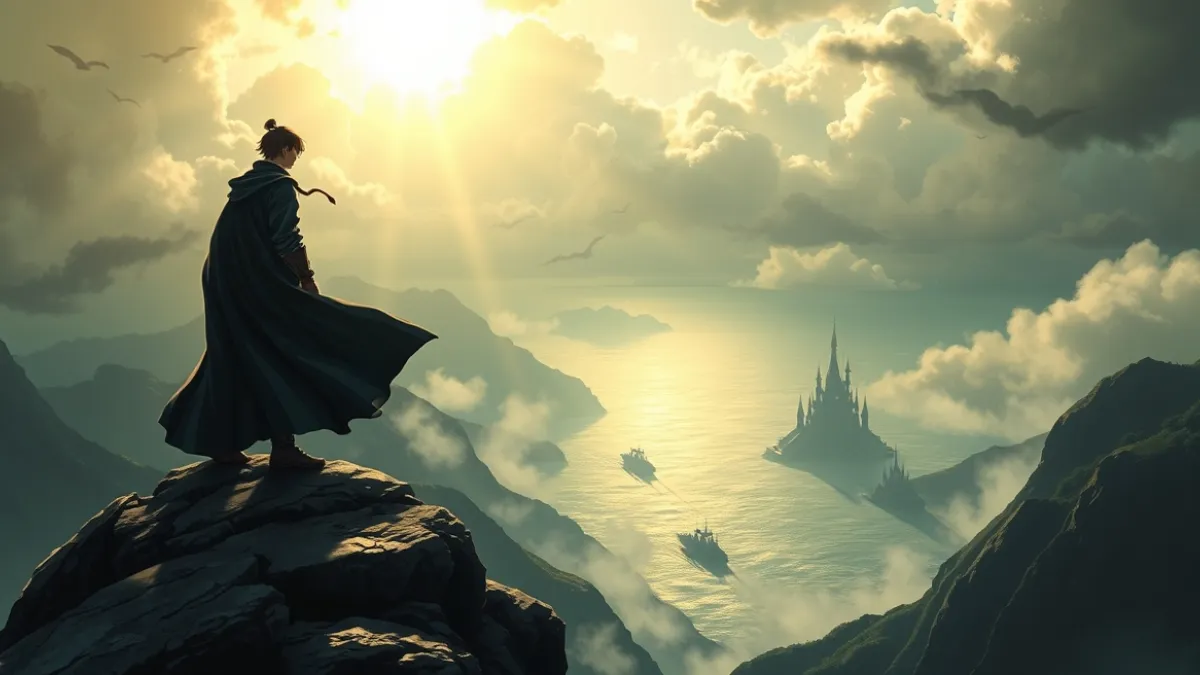

What If the Revolutionary Army Attacked Mariejois Earlier?
History in the One Piece world isn't a straight line—it’s an ocean with currents that shift based on the smallest change in wind direction. We’ve seen how one choice can ripple out and change everything. But what if the biggest shift happened years before Luffy ever set foot on a boat? Imagine a timeline where the Revolutionary Army decided to stop playing the long game and launched a full-scale rebellion against Mariejois much earlier than they did in the canon story.
This isn't just about a different battle or some cool fight scenes. We’re talking about a fundamental shift in the "architecture" of the world. In the original story, Monkey D. Dragon is the ultimate enigma, a man who waits for the perfect moment while lighting small fires across the globe. But if he had pulled the trigger early, the Celestial Dragons wouldn't just be sitting pretty in their high towers—they’d be facing a literal storm. The "Dragon element" is the crux here. If his trajectory bends even a little, the world he leaves for the next generation looks completely different.
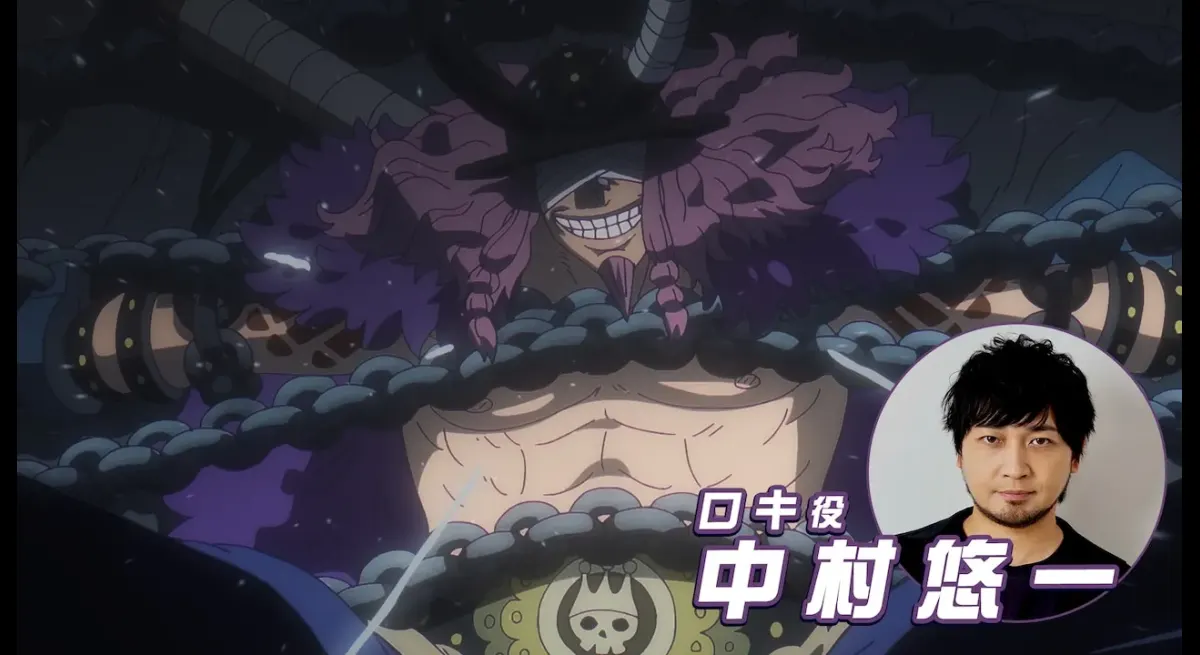 Also ReadYuichi Nakamura as Loki in "ONE PIECE": Elbaf Edition OP by Aina The End
Dragon’s Gamble: Lighting the Spark of Rebellion
In our current timeline, Dragon is a strategist. He knows that attacking the Holy Land head-on is basically suicide unless the world is ready to turn with him. But in this "What If" scenario, maybe something pushed him. Maybe a specific atrocity by the Celestial Dragons was too much to ignore, or maybe he felt the window of opportunity closing. An early attack on Mariejois would force the World Government to pull their best assets back to the Red Line. Think about it: the Admirals, the Holy Knights, and even the Gorosei would be occupied with a direct threat to their doorstep.
This creates a massive power vacuum in the four blues and the Grand Line. While the Revolutionary Army is busy throwing the Holy Land into chaos, the Marines wouldn't be able to police the seas like they usually do. This is where the story gets really interesting for our favorite characters. Pirates talk about fate a lot, but even Luffy operates within a web of circumstances he didn't choose. If the World Government is distracted by a massive war at the top of the world, the environment Luffy grows up in is no longer a "peaceful" era of Marine control—it’s the Wild West on steroids.
The Ripple Effect: A Different Path for the Straw Hats
How does this change the crew? If the world is already in a state of open war between the Revs and the Government, the people Luffy meets along the way have very different scars. For instance, consider Robin. In the canon, she spent years running from a government that was at the height of its power. In this alternate timeline, she might have found a safer haven within a Revolutionary cell much earlier, or perhaps the hunt for her was less intense because the Marines were spread too thin at Mariejois.
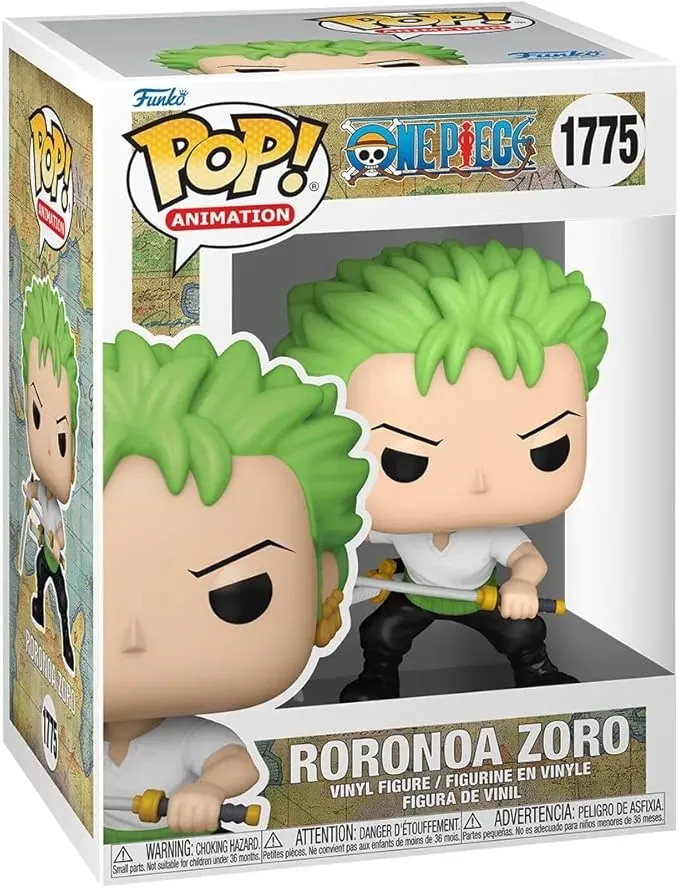
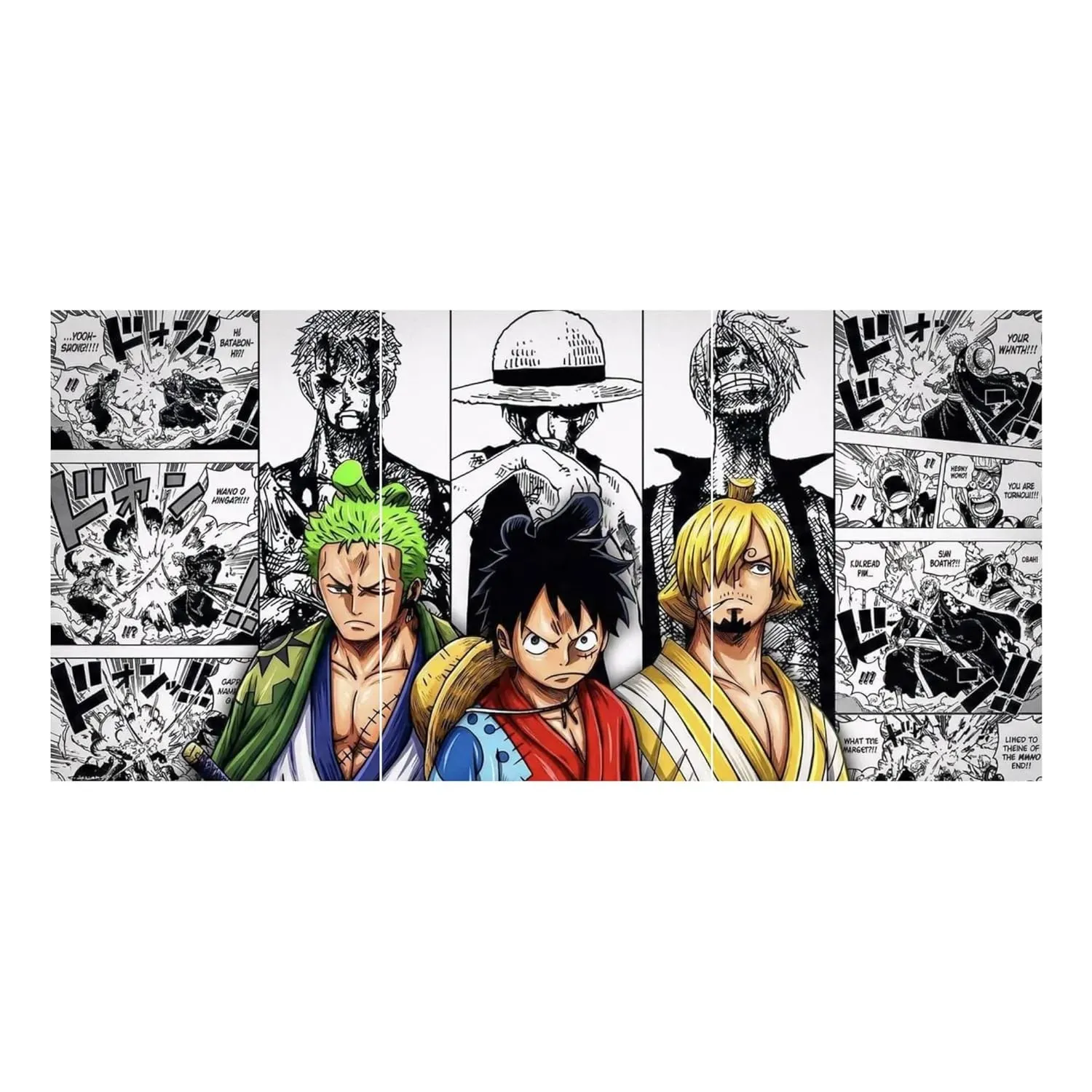
The dynamic of the crew would shift because the stakes are higher from the jump. You can imagine the Straw Hats being forced into "Revolutionary-adjacent" conflicts before they even reach the Grand Line. For a deeper look at how these characters stack up in the current power scale, check out our One Piece character tier list. In this version, someone like Zoro might not just be looking for the greatest swordsman; he might be fighting for survival in a world where dojos are being burned down by desperate warlords filling the gap left by the Marines.
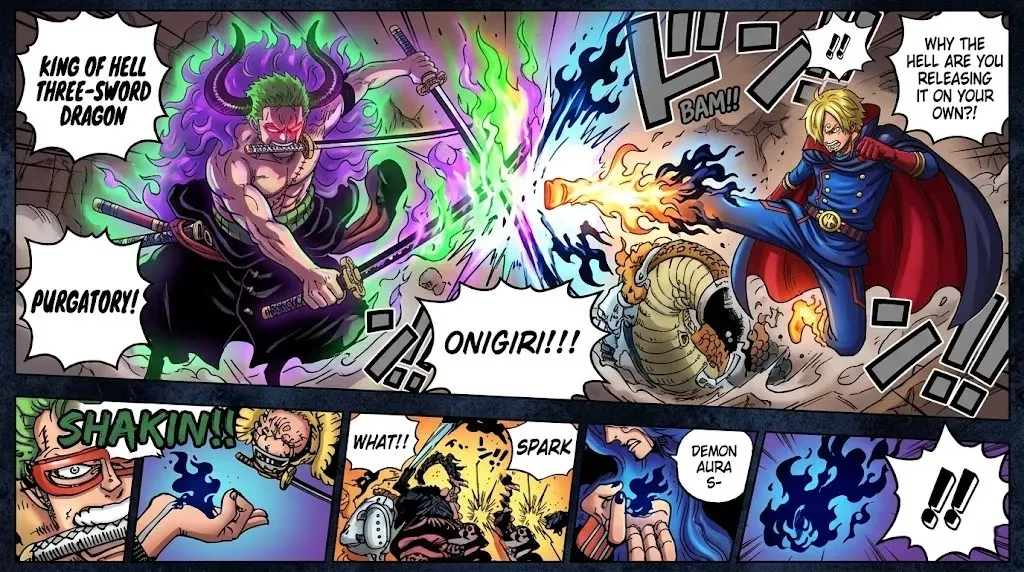
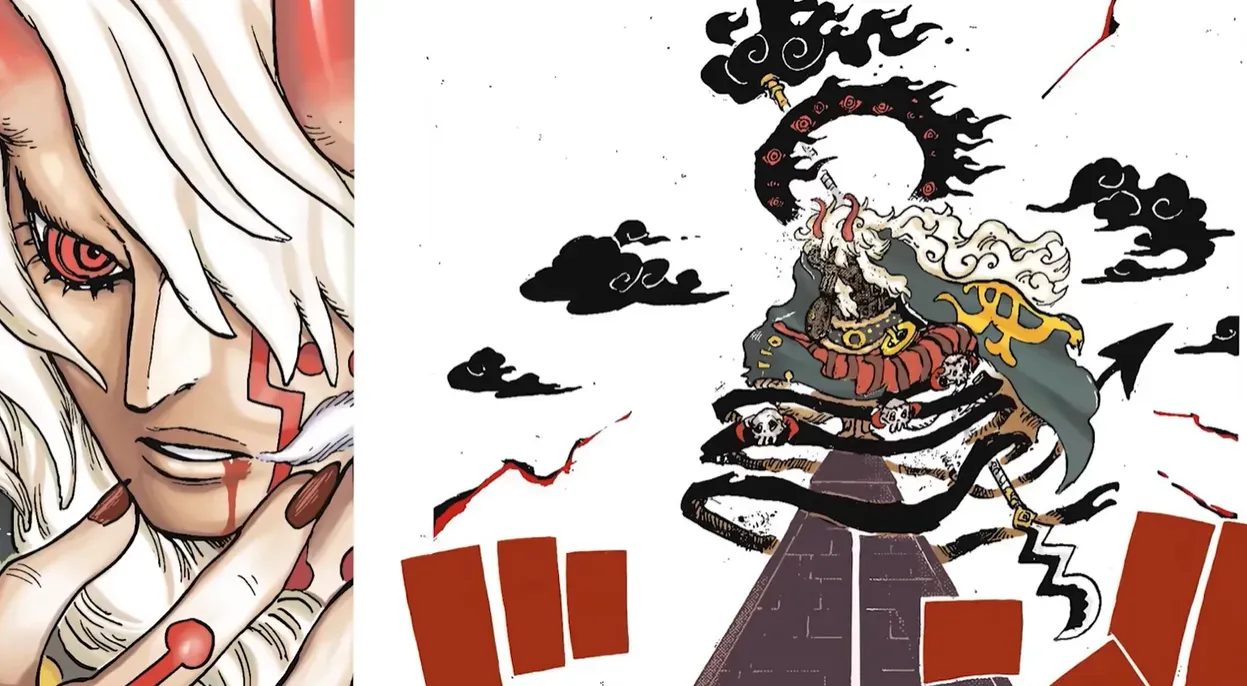 Also ReadOne Piece Chapter 1180 "Omen" Spoilers: Imu's God-Like Power Destroys Zoro & Sanji
Character Shifts in a World of Chaos
- Sanji: Instead of a relatively quiet life on the Baratie, the restaurant might have become a neutral ground for spies and revolutionaries, forcing Sanji to sharpen his kicks against much deadlier foes earlier on.
- Nami: Arlong’s occupation of Cocoyasi Village might have gone unnoticed or even been supported by a desperate branch of the Marines, making her struggle even more lonely—or, conversely, attracting a Revolutionary scout who sees the potential in her navigation.
- Usopp: His lies about pirates might turn into actual reconnaissance for the local resistance, turning him into a "Brave Warrior of the Sea" much faster out of necessity.
The World Government’s Long Game
Now, don't get me wrong—the World Government has played a long game for centuries. They wouldn't just crumble because of one early attack. The Poneglyphs still exist, the Ancient Weapons are still hidden, and the Void Century remains a secret. But the *texture* of life changes. If the Revolutionary Army attacked early, the Government might have accelerated their plans for a "Great Cleansing." We might have seen the "Mother Flame" or other insane final saga powerups being tested much sooner.
The rebellion would force characters to choose sides before they’re ready. In the original timeline, Luffy is a pirate who just happens to do good things. In this world, the line between "Pirate" and "Revolutionary" becomes blurred. Every island the Straw Hats visit would be a political tinderbox. Think about the Alabasta arc—instead of a secret conspiracy by Crocodile, it could have been an open civil war where the Straw Hats have to decide if they’re helping a kingdom or joining a movement.
This even impacts how we view the supernatural side of the world. If you look at every Straw Hat Devil Fruit explained, many of those powers were mastered through specific trials. In a more violent, unstable world, those masteries might have happened differently. Chopper might have had to use his medical knowledge for battlefield trauma way before Drum Island, potentially changing the very nature of his Rumble Ball research.
Conclusion: All Roads Lead to Laugh Tale
At the end of the day, whether Dragon attacked early or waited for the "chosen one" to appear, there’s an island called Laugh Tale waiting at the end of the sea. The One Piece is still there, and the destination remains the same. But the reason for the journey? That’s what changes. In this timeline, Luffy isn't just seeking freedom; he’s seeking it in a world that is actively tearing itself apart.
It’s a heavy thought, isn't it? As fans, we love the goofy, adventurous spirit of the early arcs, but an earlier Revolutionary Army attack would have stripped some of that away, replacing it with a grit and urgency that we’re only just now seeing in the manga. It proves that while the destination is fixed, the "flavor" of the victory depends entirely on the path taken. Luffy would still be our King, but he might have had to trade a bit of his laughter for the weight of a world already in flames. And honestly? That’s the beauty of Oda’s world-building—every "What If" just makes us appreciate the original journey even more.









// Comments