Introduction to Well-Written Evil Anime Women
In the vast landscape of Japanese animation, the concept of the antagonist has undergone a radical transformation. Gone are the days when a villain was merely a flat obstacle for the hero to overcome. Today, some of the most compelling, discussed, and feared figures in the medium are female antagonists. The rise of the well-written evil anime woman has brought a new level of depth to storytelling, challenging viewers to confront complex moralities and uncomfortable truths.
These characters are often the primary drivers of tension, possessing motivations that are as intricate as those of the protagonists. Whether they are motivated by a warped sense of love, a cold Darwinian philosophy, or a desire for absolute control, they command the screen with an intensity that is impossible to ignore. Their presence ensures that the stakes are high and the emotional impact is lasting.
As we move through 2026, the demand for nuanced character writing has never been higher. Fans are no longer satisfied with "evil for the sake of evil." They want to see the cracks in the armor, the history that forged the weapon, and the intellect behind the malice. In this article, we rank the best written anime villainess characters who have left an indelible mark on the genre.
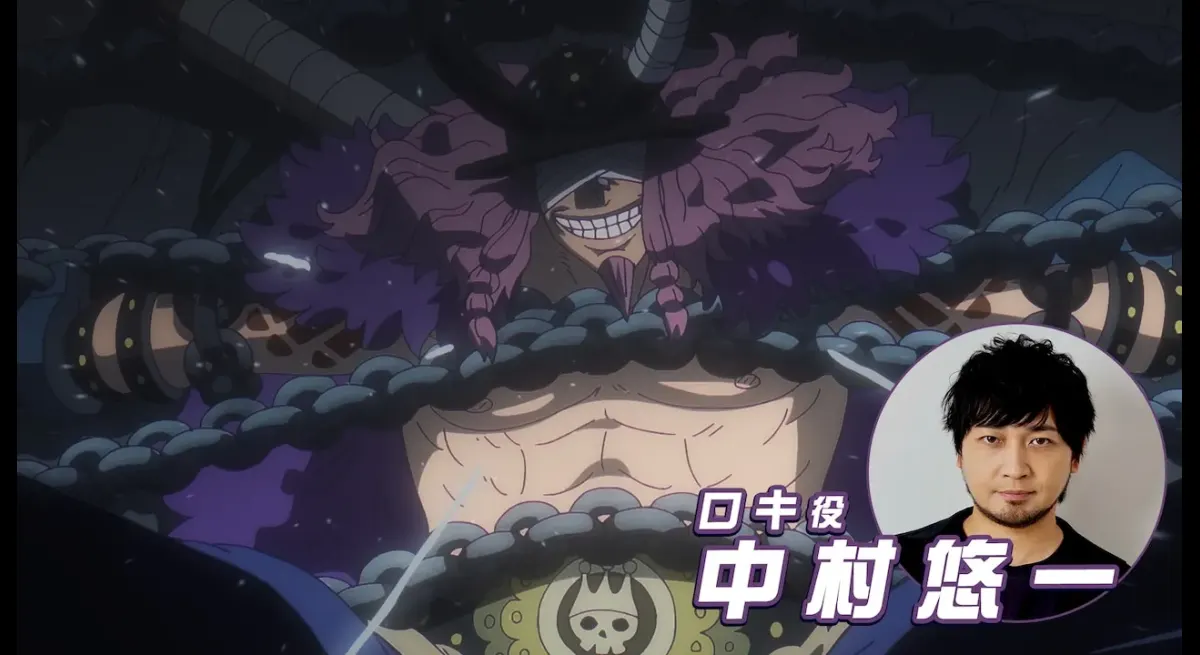 Also ReadYuichi Nakamura as Loki in "ONE PIECE": Elbaf Edition OP by Aina The End
Defining the Villainess: What Makes a Great Evil Female Character?
A great evil anime woman is defined by more than just her capacity for destruction. While power is a common trait, the "writing" aspect refers to her agency, consistency, and psychological depth. A truly iconic female anime villain possesses a clear world-view that, while often horrifying, is logically consistent within the context of her life and the world she inhabits.
Complexity is key. The best villainesses are often the heroes of their own stories. They don't see themselves as "evil"; they see themselves as necessary, visionary, or simply honest about a world that everyone else is too afraid to face. This internal justification makes them far more terrifying than a monster, because it implies a level of human intellect and conviction that is difficult to break.
Furthermore, a ruthless anime female antagonist must have a lasting impact on the narrative. Her actions should have consequences that ripple through the entire cast, forcing the protagonist to grow or change in response. When a villainess is written well, her defeat—or her victory—feels earned and significant, rather than a mere plot convenience.
The Evolution of Female Antagonists in Anime
The history of female antagonists in anime has evolved from simple archetypes to the complex anime villainesses we see today. In the early decades, evil women were often relegated to the role of the "wicked queen" or the "jealous rival." These characters were usually motivated by vanity or spite, lacking the grand ambitions or deep philosophical underpinnings of their male counterparts.
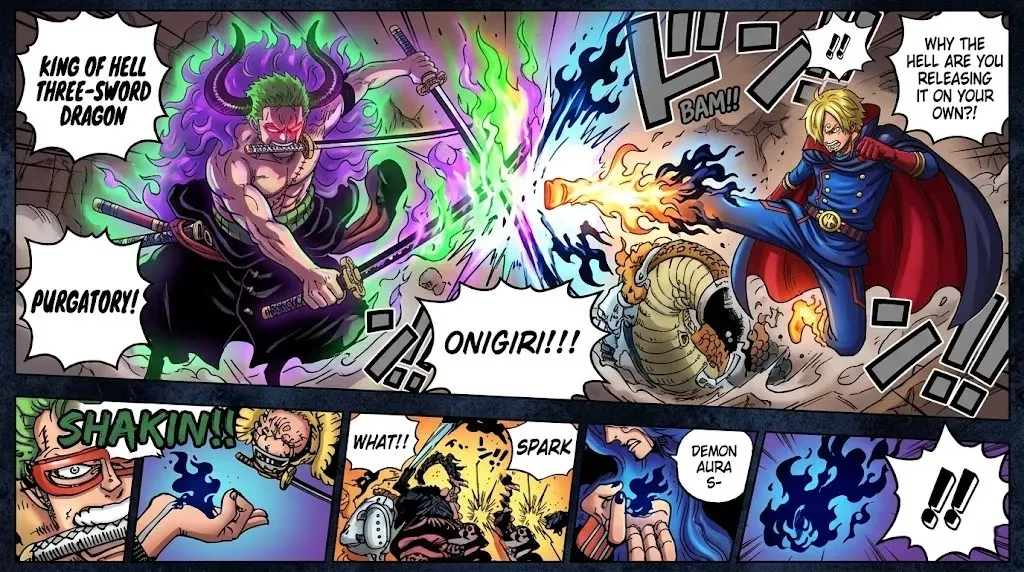
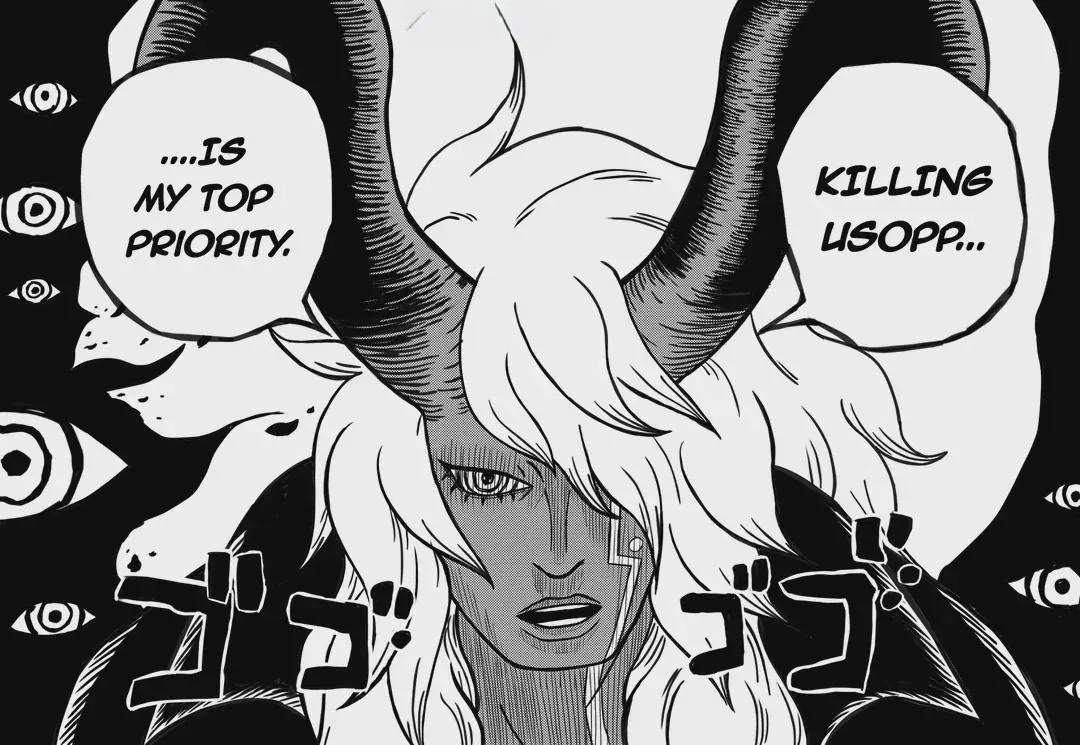
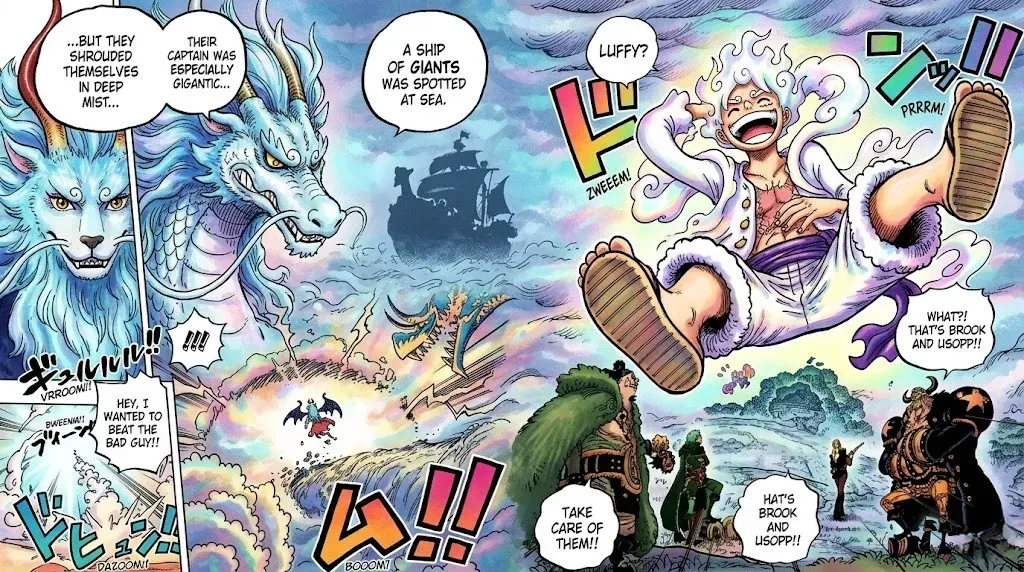
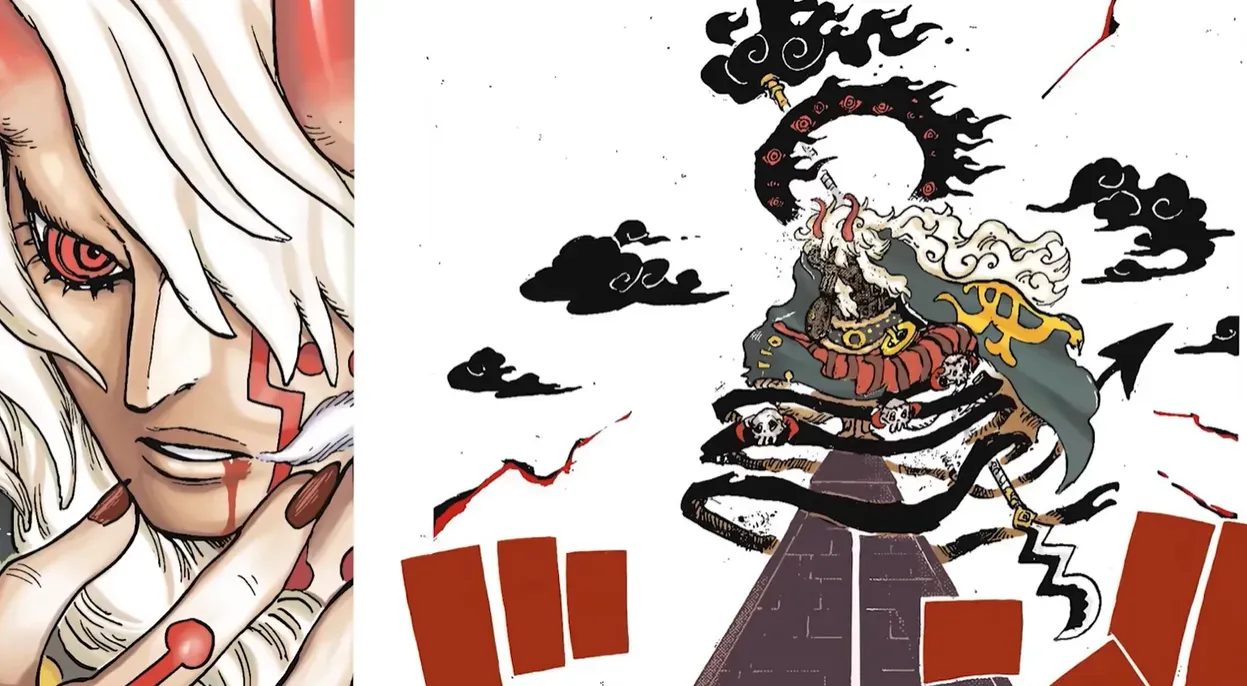 Also ReadOne Piece Chapter 1180 "Omen" Spoilers: Imu's God-Like Power Destroys Zoro & Sanji
The 1990s and early 2000s marked a significant shift. Series began to experiment with female characters who held positions of immense political and military power. We started seeing women who weren't just secondary threats but the ultimate "final bosses" of their respective series. This era introduced the idea that a woman could be a cold, calculating strategist or a physical powerhouse capable of rivaling any hero.
In the modern era, the evolution has moved toward psychological realism and moral ambiguity. Today’s top female anime villains are often products of systemic failure, trauma, or a hyper-logical reaction to a broken world. This evolution reflects a broader trend in global media toward more inclusive and sophisticated character portraits, where "evil" is explored as a multifaceted human condition rather than a binary trait.
Criteria for Ranking the Best Written Evil Anime Women
To determine which characters represent the pinnacle of writing in the antagonist category, we have established a specific set of criteria. These factors ensure that the ranking is based on literary and narrative quality rather than just popularity or "coolness."
- Narrative Agency: Does the character drive the plot forward through her own choices and intellect?
- Psychological Depth: Are her motivations well-explored and believable within the series' logic?
- Impact on Protagonist: How significantly does she challenge the hero’s physical abilities and moral compass?
- Thematic Significance: Does she represent a core theme or philosophical question of the show?
- Consistency and Evolution: Does her character remain consistent while also showing growth or descent throughout the story?
Top 10 Best Written Evil Anime Woman Characters, Ranked
10. Big Mom (One Piece)
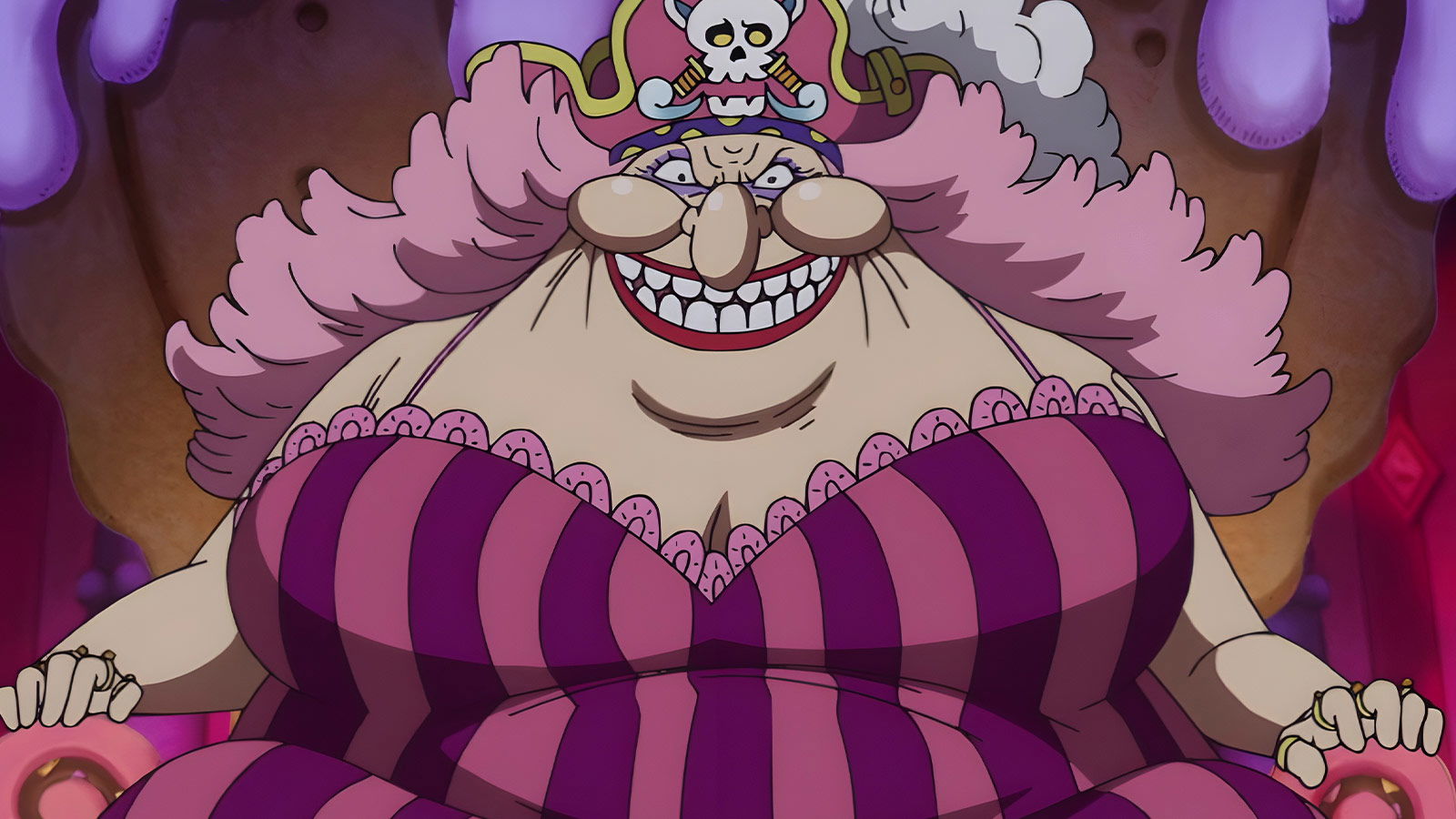
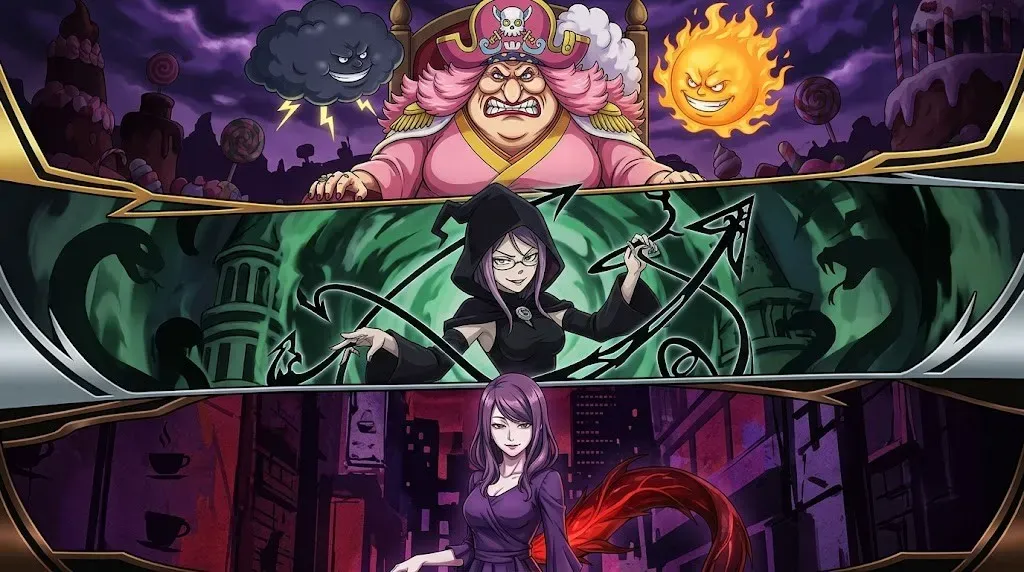
Charlotte Linlin, better known as Big Mom, is a masterpiece of subverted expectations. She blends the whimsy of a fairy tale with the terrifying reality of an unstoppable natural disaster. Her "evil" stems from a combination of childhood trauma, an insatiable hunger, and a warped vision of a utopia where all races can live together—even if she has to force them. She is one of the most powerful evil anime women ever created, wielding the power of souls themselves.
9. Malty S. Melromarc (The Rising of the Shield Hero)

While many villains are loved for their charisma, Malty is a character designed to be utterly loathed. Her writing is exceptional because of how effectively she manipulates social systems to destroy the protagonist. She represents the "banality of evil"—someone who uses lies and privilege to cause immense suffering. Her presence is a constant, grating reminder of how vulnerable truth can be in the face of a calculated liar.
8. Medusa Gorgon (Soul Eater)
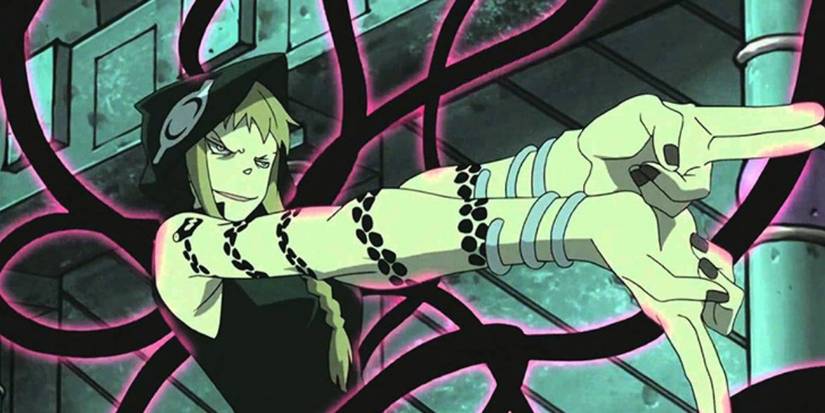
Medusa is the embodiment of the "mad scientist" trope taken to a feminine, maternal extreme. Her cold, analytical approach to magic and her willingness to use her own child as a biological experiment make her one of the most ruthless anime female antagonists. She doesn't seek world domination for glory; she seeks it for progress, making her scientific cruelty feel uniquely chilling and professional.
7. Balalaika (Black Lagoon)

Balalaika is a veteran of the Soviet-Afghan War and the leader of Hotel Moscow. What makes her a complex anime villainess is her strict adherence to military discipline in the lawless world of crime. She isn't motivated by chaos, but by a sense of duty to her "family" of soldiers. Her ruthlessness is a byproduct of her environment, and her interactions with the protagonist, Rock, highlight the thin line between professional survival and moral decay.
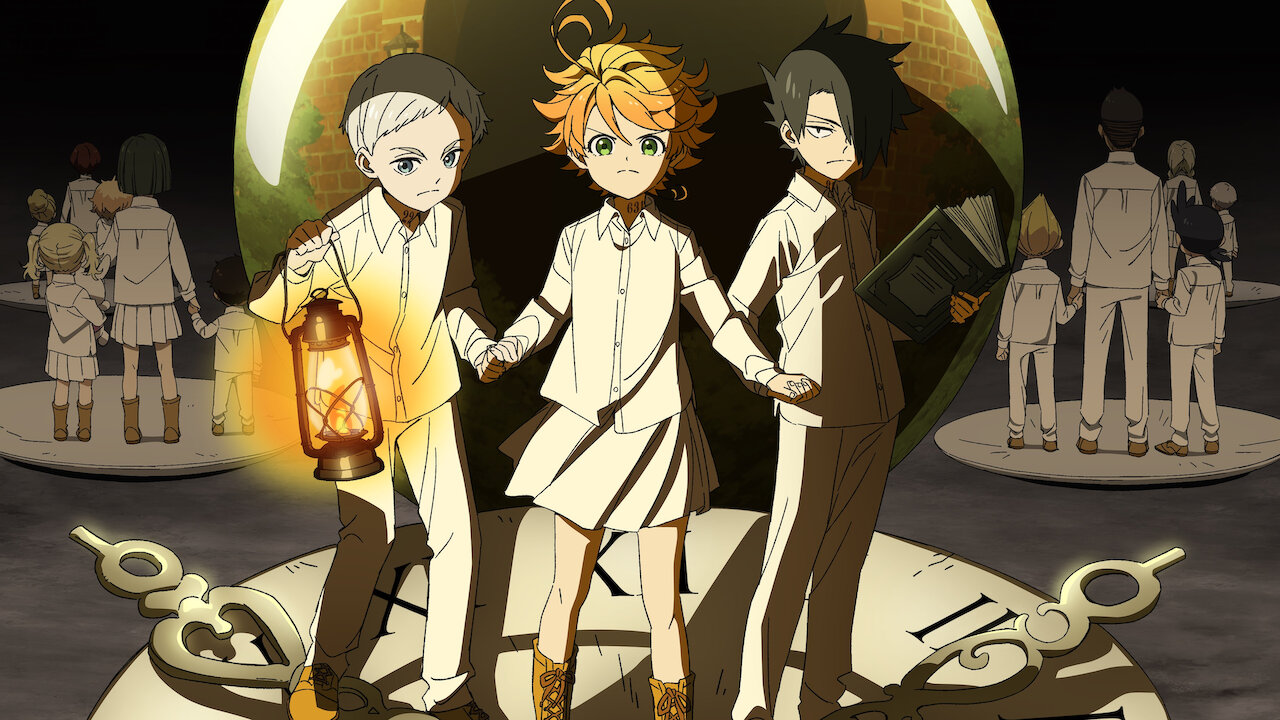
6. Isabella (The Promised Neverland)
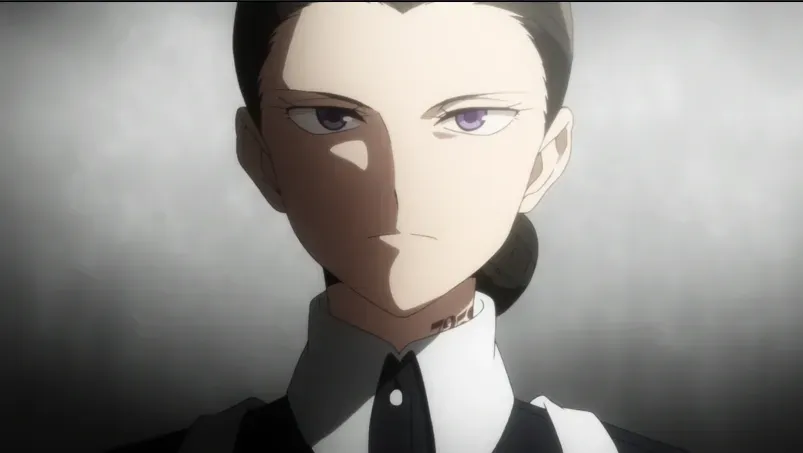
Isabella, or "Mama," is a terrifying villain because her malice is wrapped in a facade of maternal love. She is a product of the very system she enforces, having once been a child in the same position as her victims. Her decision to become a caretaker for a farm that harvests children is a hyper-rational response to a hopeless world. She represents the horror of choosing a comfortable, high-status life within an evil system over a doomed rebellion.
5. Rize Kamishiro (Tokyo Ghoul)
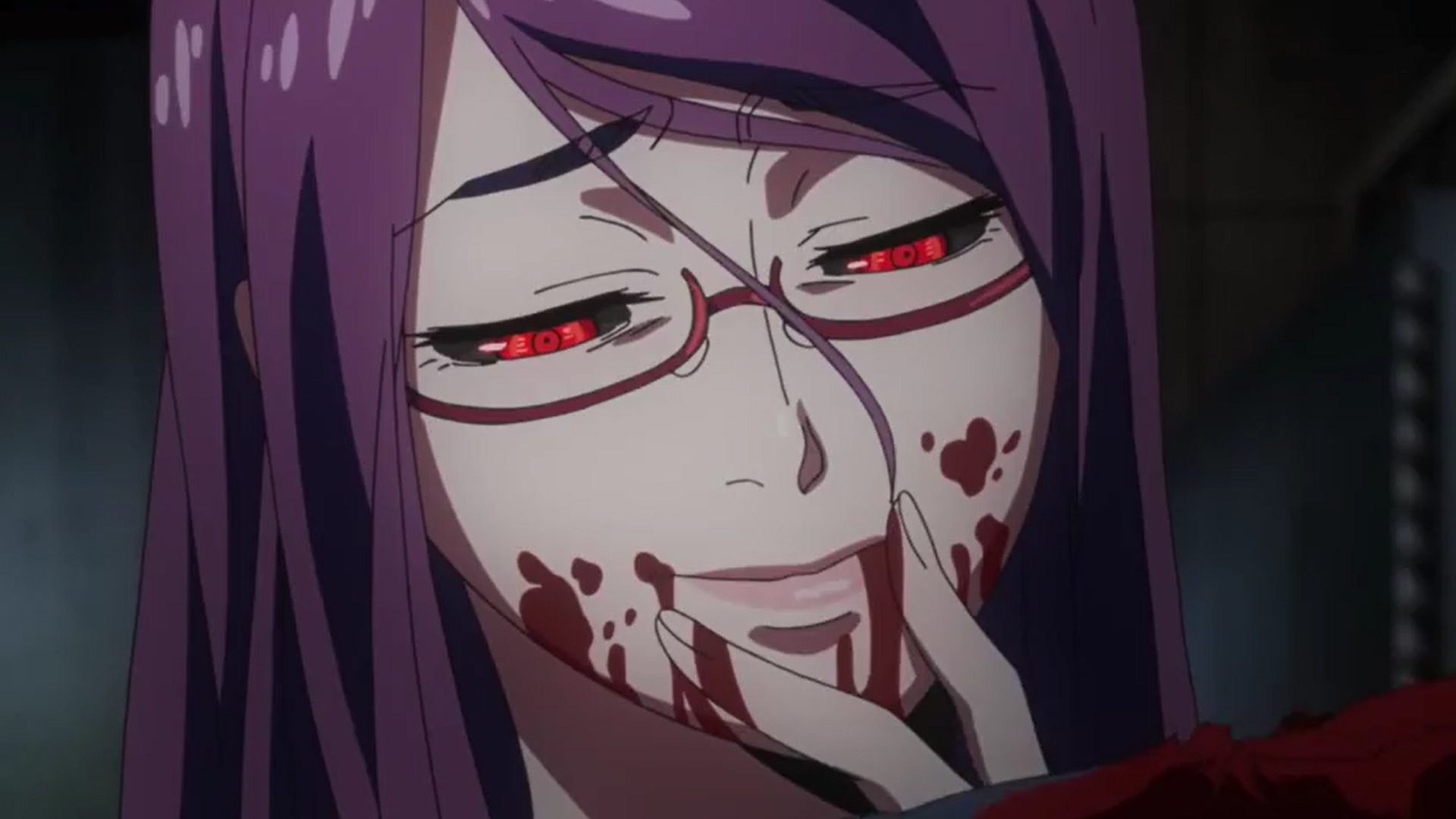
Rize is the catalyst for the entire series, and though she is often seen through memories or hallucinations, her presence looms over every chapter. She represents pure, hedonistic indulgence. Unlike other ghouls who struggle with their nature, Rize embraces it fully. Her "evil" is an honest expression of her biological reality, and her influence on Ken Kaneki’s psyche provides some of the most profound psychological horror in modern anime.
4. Lust (Fullmetal Alchemist: Brotherhood)
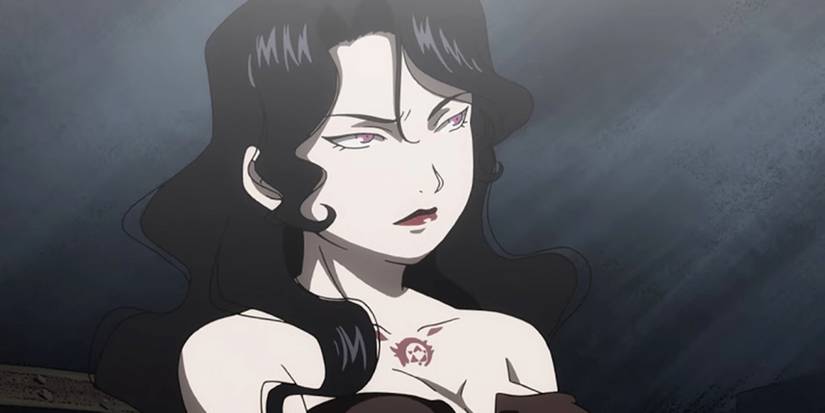
As a Homunculus, Lust is the personification of a human vice, but her character is far more than a label. In a world where humanity is defined by the soul, Lust’s existence as an artificial being seeking purpose is deeply compelling. She is a top female anime villain who executes her missions with a predatory grace. Her role in the death of key characters and her eventual confrontation with Roy Mustang are legendary moments of narrative tension.
3. Esdeath (Akame ga Kill\!)

Esdeath is a fascinating study in the "might makes right" philosophy. She is a genocidal general who is genuinely capable of love—even if that love is possessive and terrifying. Her writing is unique because the show doesn't try to redeem her. She is a monster of her own making, someone who finds beauty in the struggle of the weak. Her sheer power and refusal to compromise her Darwinian views make her an iconic female anime villain.
2. Ragyo Kiryuin (Kill la Kill)

Ragyo is the ultimate corporate and biological overlord. She represents the terrifying extreme of vanity and the abandonment of one's own humanity for the sake of a higher, alien power. Her visual design is radiant and beautiful, contrasting sharply with her horrific actions as a mother and a leader. She is the best written anime villainess for those who appreciate high-concept, stylized evil that challenges the very definition of "human."
1. Makima (Chainsaw Man)

Makima is the gold standard for the modern evil anime woman. Throughout the series, she maintains a veneer of calm, professional helpfulness that slowly unravels into a terrifying display of absolute control. Her motivations are vast and philosophical, rooted in a desire to "save" humanity by removing its free will. She is a manipulator par excellence, and her impact on the protagonist, Denji, is a masterclass in psychological abuse and narrative payoff. She is arguably the most well-written female antagonist of the decade.
Honorable Mentions: Other Iconic Anime Villainesses
While our top 10 list covers the absolute peak of character writing, several other villainesses deserve recognition for their impact on the genre. Characters like Himiko Toga from My Hero Academia provide a visceral look at how societal rejection can warp a person's understanding of love and friendship.
Similarly, Annie Leonhart from Attack on Titan served as a pivotal antagonist who highlighted the moral grey areas of war. Her stoicism and hidden vulnerability made her one of the most discussed characters during the show's early run. For a deeper dive into the history of these characters, you can visit in fiction.
Finally, we must mention Cery from various magical girl deconstructions. These characters often serve as the "dark mirror" to the protagonist, proving that power, when untethered from empathy, leads to inevitable tragedy. These honorable mentions ensure that the legacy of powerful evil anime women continues to grow across all sub-genres.
The Impact of Complex Female Villains on the Genre
The introduction of complex anime villainesses has fundamentally changed how stories are told in the medium. By providing protagonists with formidable female opponents, creators have opened up new avenues for emotional and philosophical exploration. These characters often force the hero to confront issues of gender, power, and social structure that might not arise with a traditional male antagonist.
Furthermore, these characters have influenced the way fans engage with anime. The "villain fan" subculture is massive, often focusing on the aesthetic and intellectual appeal of these characters. This engagement drives higher production values, as studios realize that a compelling villain is just as important as a likable hero for a series' long-term success.
The impact also extends to character design and marketing. The "femme fatale" has been updated for the 2020s, blending traditional beauty with tactical gear, horrific transformations, or cold, professional attire. This visual diversity reflects the growing complexity of the roles these women play within their worlds. You can see more character breakdowns on .
Why Fans Love to Hate These Evil Anime Women
There is a unique psychological satisfaction in watching a well-written evil anime woman. Unlike heroes, who are often bound by moral codes and societal expectations, villainesses are free to act on their darkest impulses. This sense of absolute freedom is both terrifying and alluring to the audience.
Moreover, fans often appreciate the intelligence and competence displayed by these characters. In a world where female characters are sometimes sidelined, a villainess who commands armies, manipulates governments, or possesses god-like power is a breath of fresh air—even if she is using those skills for "evil."
The "love to hate" dynamic also comes from the narrative catharsis of seeing a truly formidable opponent. When a character like Makima or Isabella is finally outsmarted, the victory feels significantly more earned. The tension they build throughout a series makes the eventual resolution far more satisfying for the viewer.
Conclusion: The Future of Well-Written Anime Antagonists
As we look toward the future of the industry in 2026 and beyond, it is clear that the evil anime woman will remain a cornerstone of high-quality storytelling. The trend toward deconstructing tropes and exploring the "villain's journey" suggests that we will see even more experimental and challenging characters in the years to come.
The best written evil anime woman characters are those who stay with us long after the series has ended. They challenge our perceptions, make us question our own morals, and provide some of the most thrilling moments in animation history. Whether they are seeking to rewrite the laws of the universe or simply to watch it burn, their presence is a testament to the power of great character writing.
In the end, a villain is a mirror held up to the hero and the audience. By creating complex, ruthless, and powerful female antagonists, anime creators continue to push the boundaries of what is possible in the realm of fiction, ensuring that the genre remains as vibrant and provocative as ever.



// Comments