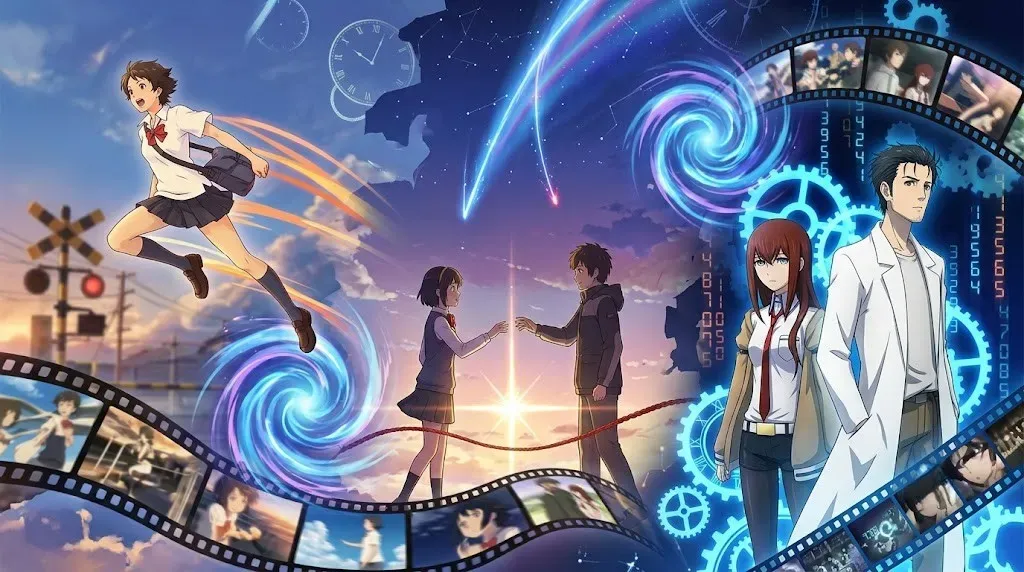

Introduction to Time Travel Anime Movies
Time travel has long been a cornerstone of speculative fiction, but few mediums capture the wonder and tragedy of temporal displacement quite like anime. The anime movie time travel subgenre offers a unique canvas where visual artistry meets complex, non-linear storytelling. These films do more than just explore "what if" scenarios; they delve into the very fabric of human regret, hope, and the desire to change the past.
Whether it involves high-tech machines, mystical phenomena, or simple, unexplained leaps through the days, these stories resonate with audiences globally. In 2026, as storytelling leans further into high-concept themes, these films remain more relevant than ever. They challenge our perception of causality and force us to confront the consequences of our choices across different timelines.
 Also Read10 Best Anime Movies Like My Neighbor Totoro, Ranked
The Appeal of the Anime Movie Time Travel Genre
What makes an anime movie time travel story so compelling? Much of the appeal lies in the high stakes. Unlike traditional dramas, time travel adds a layer of cosmic urgency. A single mistake in the past can ripple forward, erasing lives or altering the entire world. This creates a "puzzle-box" narrative that keeps viewers engaged, trying to piece together the rules of the world alongside the protagonist.
Furthermore, these films often serve as profound metaphors for the human experience. We all live with a degree of nostalgia or "mono no aware"—the pathos of things—and the wish to revisit a lost moment is a universal sentiment. By using time travel, creators can externalize these internal feelings, turning a character's emotional growth into a literal journey through the years. This blend of science fiction and deep-seated emotion is the hallmark of the genre.
Criteria for Ranking the Best Time Travel Films
Ranking the best time travel anime movies requires a balance between several critical factors. It is not enough to simply have a clever mechanic; the film must execute that mechanic in a way that serves the story and the characters. Our ranking considers the following criteria:
- Narrative Cohesion: Does the timeline make sense within the established rules of the film?
- Emotional Resonance: Does the time travel element enhance the emotional stakes of the characters?
- Visual Innovation: How does the animation depict the shifting of time or the differences between eras?
- Cultural Impact: Has the film influenced how other must-watch time travel films are made or perceived?
- Rewatchability: Does the movie offer new insights or hidden details upon a second or third viewing?
 Also Read10 Best Anime Like Tokyo Revengers You Should Watch, Ranked
10 Best Time Travel Anime Movies to Rewatch, Ranked
1. Your Name (Kimi no Na wa)

While primarily known as a body-swap romance, Your Name is fundamentally a masterpiece of the anime movie time travel genre. Makoto Shinkai utilizes a temporal rift to separate his leads, creating a race against time that is both visually stunning and emotionally devastating. The way the timelines converge remains one of the most iconic anime movie timelines in history.
2. The Girl Who Leapt Through Time
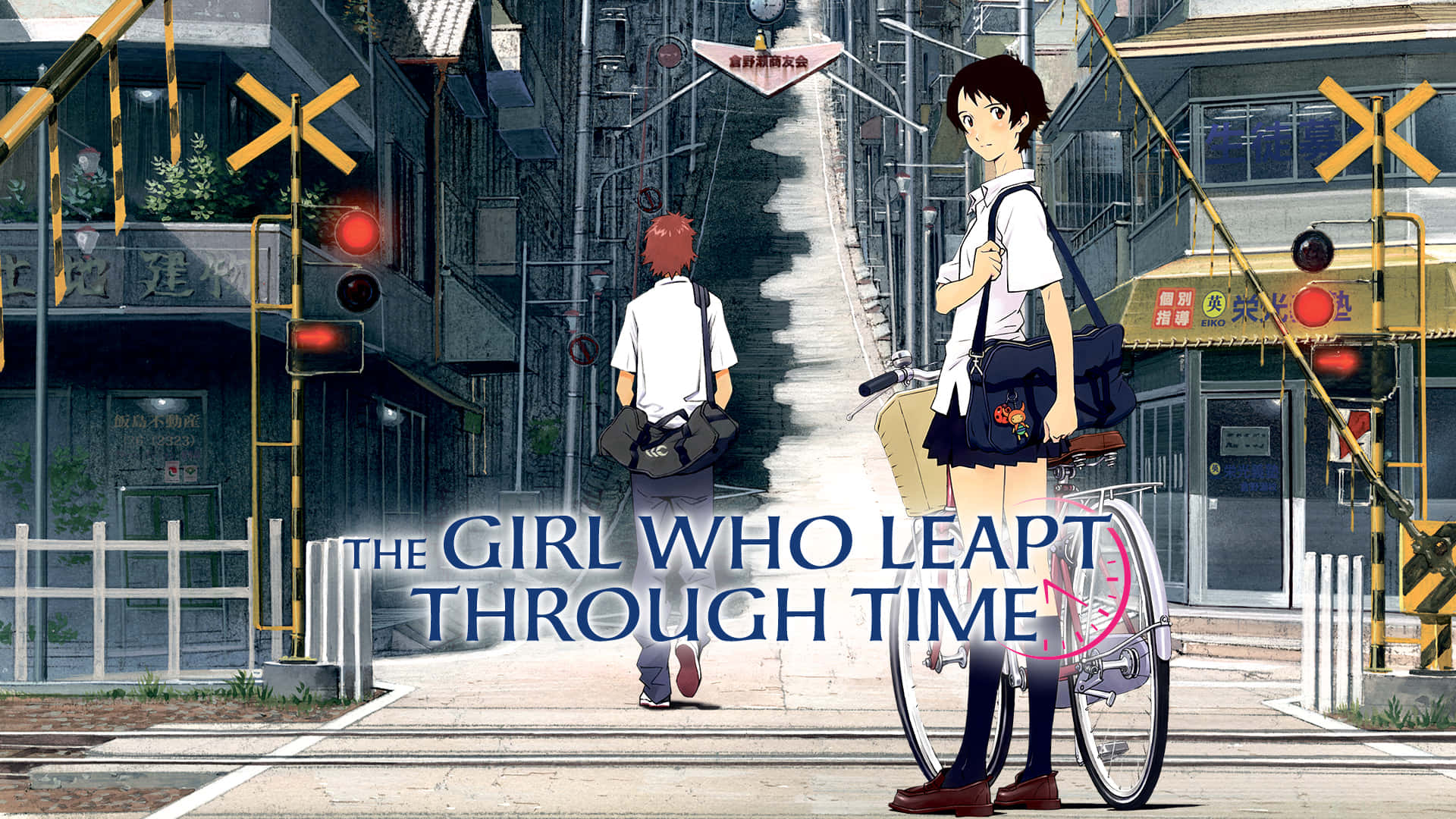
This film is the quintessential "time-leap" story. It focuses on Makoto Konno, a high schooler who gains the ability to literally jump back in time. What starts as a series of low-stakes fixes for minor inconveniences quickly spirals into a poignant exploration of how we cannot truly escape the consequences of our actions. It is a top rated time travel anime for its relatability and heart.
3. Madoka Magica the Movie: Rebellion

While part of a larger franchise, Rebellion (and the series' associated films) features some of the most psychological time travel anime elements ever put to screen. Homura Akemi’s relentless, tragic loops to save Madoka showcase the dark side of temporal power. The visual representation of her crumbling reality is a masterclass in avant-garde animation.
4. Steins;Gate: The Movie − Load Region of Déjà Vu

Serving as a follow-up to the legendary series, this film explores the "R-line" and the mental toll that world-line shifting takes on Okabe Rintarou. It successfully manages the heavy lifting of temporal theory while focusing on the emotional bond between Kurisu and Okabe, making it essential for fans of the franchise.
5. Mirai

Mamoru Hosoda’s Mirai takes a whimsical, familial approach to the genre. A young boy meets older and younger versions of his family members through a magical garden. It is a beautiful look at how our ancestors' lives influence our present, making it one of the most unique emotional time travel stories available.
6. Hello World

Set in a futuristic Kyoto, Hello World blends time travel with digital simulation theories. A young man is approached by a version of himself from ten years in the future to save a classmate. It is a fast-paced, high-concept film that challenges the viewer's understanding of reality versus data.
7. Aura: Koga Maryuin's Last War

While leaning more into the psychological and "chunibyo" aspects of perception, Aura deals with the "internal" time travel of trauma and memory. It is a grounded, often difficult watch that uses temporal metaphors to discuss social isolation and the desire to find a world where one belongs.
8. In This Corner of the World

Though not a traditional sci-fi time travel film, the way this movie transports the viewer to pre-and-post-war Hiroshima feels like a visceral journey through time. It acts as a historical time capsule, using animation to bridge the gap between 2026 and the 1940s with staggering detail and emotional weight.
- 9. Fireworks, Should We See It from the Side or the Bottom?
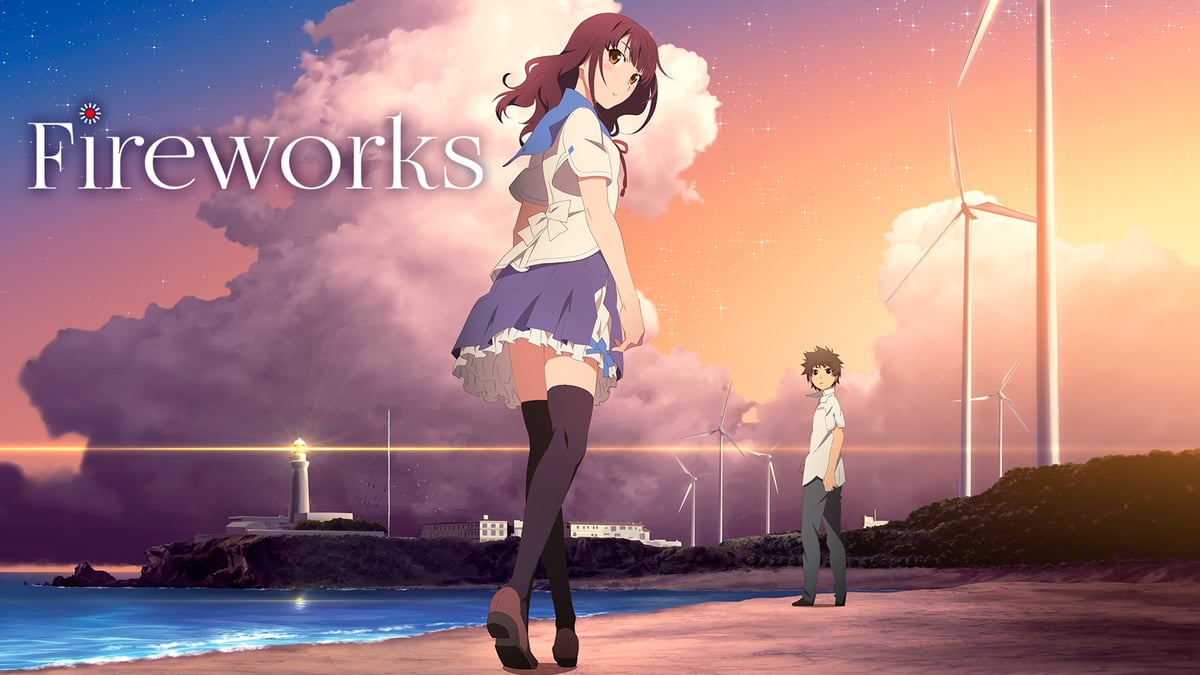
This film uses a mysterious glass marble to allow the protagonist to "undo" moments in a single day. While polarized upon release, its dreamlike aesthetic and loop-based narrative offer a fascinating, experimental take on the anime movie time travel trope of the "do-over."
10. Paprika
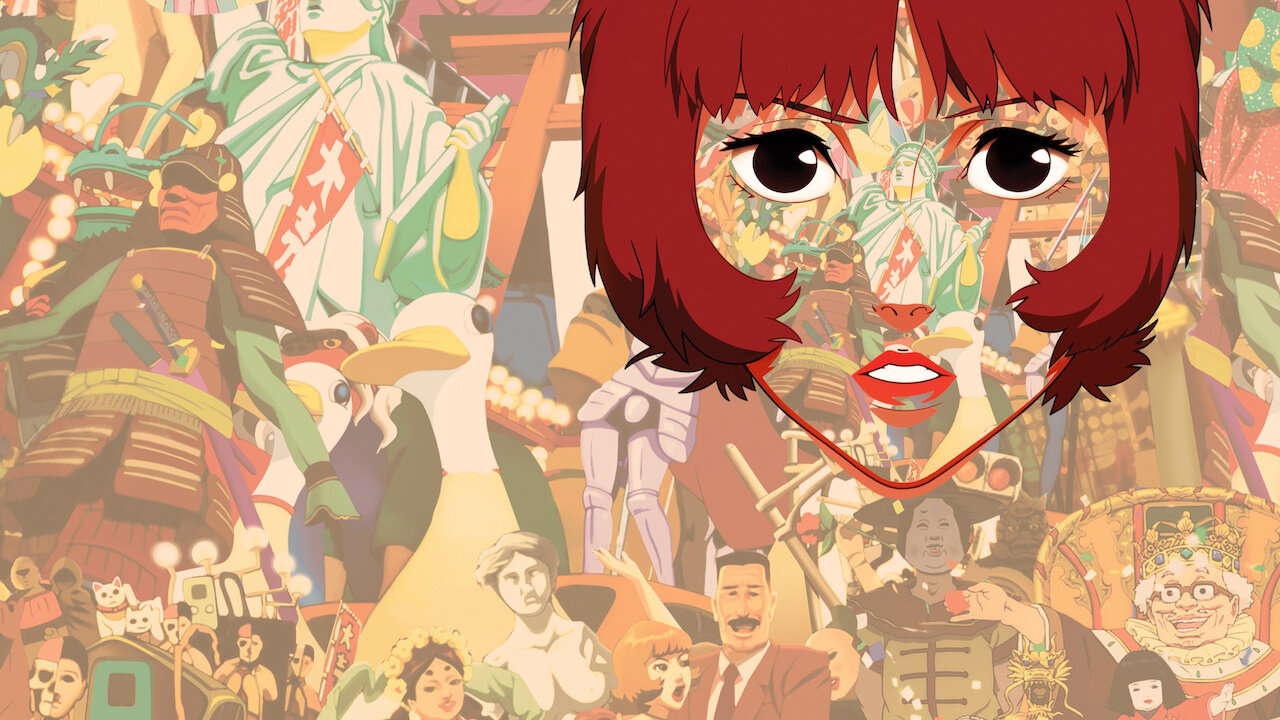
Satoshi Kon’s Paprika deals with travel through dreams, which often functions similarly to time travel in its non-linear progression. As dreams and reality bleed together, the past and present collide in a parade of psychological imagery that remains unmatched in the industry.
Most Iconic Time-Leap Mechanisms in Anime
The "how" of time travel is often as important as the "why." In anime, these mechanisms range from the scientific to the surreal. In The Girl Who Leapt Through Time, the mechanic is physical—a literal leap that requires momentum. This adds a sense of kinetic energy to the temporal shifts.
Conversely, Steins;Gate utilizes the "PhoneWave," a microwave that sends text messages into the past. This grounded, "garage-science" approach makes the high-concept world-lines feel surprisingly tangible. You can read more about the physics of such theories on . Whether it is a magical comet in Your Name or a digital backup in Hello World, these mechanisms define the visual and narrative logic of the film.
Emotional Impact of Temporal Paradoxes
A temporal paradox is more than just a logical knot; in anime, it is an emotional crucible. When a character changes the past to save someone, they often lose something of themselves. This "trade-off" is a recurring theme in emotional time travel stories. The realization that saving a loved one might mean they never met you is a heart-wrenching trope that anime explores with surgical precision.
These paradoxes force characters to grow up instantly. They move from the selfishness of wanting to fix a mistake to the selflessness of accepting a timeline they cannot control. This transition from "master of time" to "subject of time" provides the narrative backbone for the genre's most enduring classics.
Hidden Gems: Underrated Time Travel Anime
While the big names dominate the conversation, several hidden gems deserve a spot on any must-watch time travel films list. The Case of Hana & Alice (a prequel to a live-action film) uses rotoscoping to create a nostalgic, time-stopping atmosphere. Pop in Q also experiments with temporal concepts through the lens of a rhythmic, magical world.
Another underrated mention is The Garden of Words. While not explicitly a time travel film, its focus on "rainy season" as a recurring, cyclical time period creates a temporal bubble for its characters. For fans looking to branch out, these titles offer different flavors of the genre. For a wider database of titles, is an excellent resource for discovery.
Visual Storytelling in Time-Bending Narratives
Animation allows for visual cues that live-action struggle to replicate. Creators often use color palettes to distinguish between timelines—vibrant hues for a hopeful past and muted tones for a dystopian future. In Your Name, the shifting perspective of the comet across different years is used as a visual ticking clock.
Furthermore, the use of "match-cuts" where a character in the past mirrors a character in the present creates a seamless bridge across the years. This visual language helps the audience navigate complex anime movie timelines without the need for constant exposition. It is a testament to the power of the medium that we can understand a thousand-year jump through a single, well-placed frame.
Conclusion: The Lasting Legacy of Time Travel in Anime
The anime movie time travel genre continues to thrive because it speaks to the core of the human condition. We are all time travelers in our own lives, moving forward one second at a time, often looking back with wonder or regret. These films take those internal reflections and blow them up into cinematic spectacles.
As we look toward the future of the medium, the influence of these iconic films will only grow. They remind us that while we cannot truly change the past, we have total control over how we let the past shape our future. For any fan of storytelling, these ten films are not just movies; they are experiences that transcend time itself.



format(webp))










// Comments