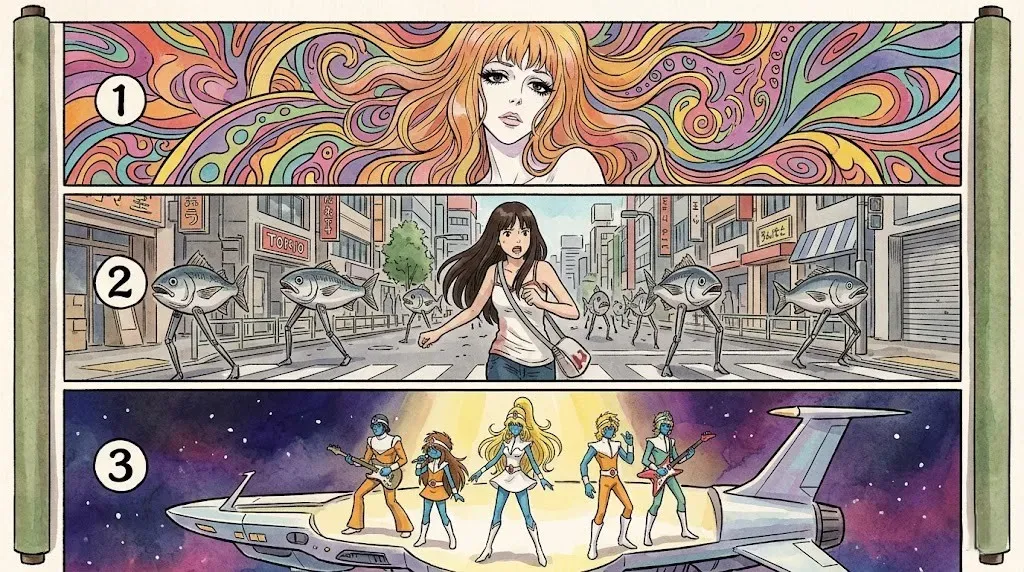

Introduction to Weird Anime Movies
The world of Japanese animation is vast, offering everything from heart-wrenching romances to high-octane space battles. However, there is a specific corner of this medium that defies easy categorization. We are talking about weird anime movies—films that push the boundaries of logic, visual design, and storytelling. These are the projects where directors are given total creative freedom to explore the subconscious, resulting in some of the most memorable experiences in cinema history.
As we navigate the landscape of 2026, the appetite for surreal anime films has never been higher. Modern audiences are increasingly seeking out content that challenges their perceptions and offers an escape from the formulaic tropes of mainstream media. Whether it is through melting landscapes, non-linear timelines, or bizarre character designs, these movies provide a visceral journey into the unknown. In this guide, we will explore the 15 weirdest anime movies ever created, ranking them by their ability to leave you both confused and captivated.
 Also ReadSailor Moon Heads Back to Christie’s NY Auction October After $89K Sale
What Defines a Movie as "Weird" in Anime?
Defining "weirdness" is inherently subjective, but in the context of anime, it usually refers to a departure from traditional narrative structures. A weird movie often prioritizes atmosphere and psychological depth over a straightforward plot. These films might use abstract imagery to represent internal trauma or social anxiety, making the "weirdness" a tool for deeper emotional resonance rather than just a gimmick for shock value.
Key characteristics often include:
- Visual Dissociation: Artistic styles that shift mid-scene or use impossible geometry.
- Psychedelic Logic: Events that occur without cause and effect, mimicking the flow of a dream or a fever.
- Avant-Garde Soundscapes: Atmospheric scores that range from haunting silence to industrial chaos.
- Thematic Density: Complex philosophical questions that are left for the viewer to interpret.
The Evolution of Surrealism in Japanese Animation
Surrealism in anime did not happen overnight. It evolved alongside Japan’s shifting social and technological landscape. In the 1970s and 80s, experimental creators began using animation to process the rapid modernization of the country. This era birthed early avant-garde anime movies that traded commercial appeal for artistic integrity. These creators realized that animation, unlike live-action, had no physical limits, allowing them to draw the impossible.
 Also ReadCat and Dragon Anime Releases Episode 1 Scene Cuts
By the 1990s and early 2000s, directors like Satoshi Kon and Masaaki Yuasa took these concepts into the mainstream (or at least the "prestige" side of it). They integrated surreal elements into psychological thrillers and comedies, proving that trippy anime recommendations could find a global audience. Today, digital animation techniques have further expanded these horizons, allowing for even more fluid and reality-bending visuals that continue to define the weird anime movies genre.
Criteria for Ranking the Weirdest Anime Movies
Ranking the weirdest anime movies requires a specific set of metrics. It is not enough for a movie to simply be "odd"; it must possess a unique vision that separates it from everything else in the medium. Our ranking is based on a combination of visual experimentation, narrative unpredictability, and the lasting "what did I just watch?" factor that lingers after the credits roll.
Our specific criteria include:
- Visual Originality: Does the film offer a style that is genuinely unique or groundbreaking?
- Cohesion of Chaos: Does the weirdness serve the story, or is it just random? We favor films that use surrealism purposefully.
- Cultural Impact: Has the film influenced other directors or defined a specific sub-genre of experimental art?
- Viewer Disorientation: How effectively does the movie subvert the audience's expectations of reality?
Top 15 Weirdest Anime Movies, Ranked
1. Mind Game (2004)
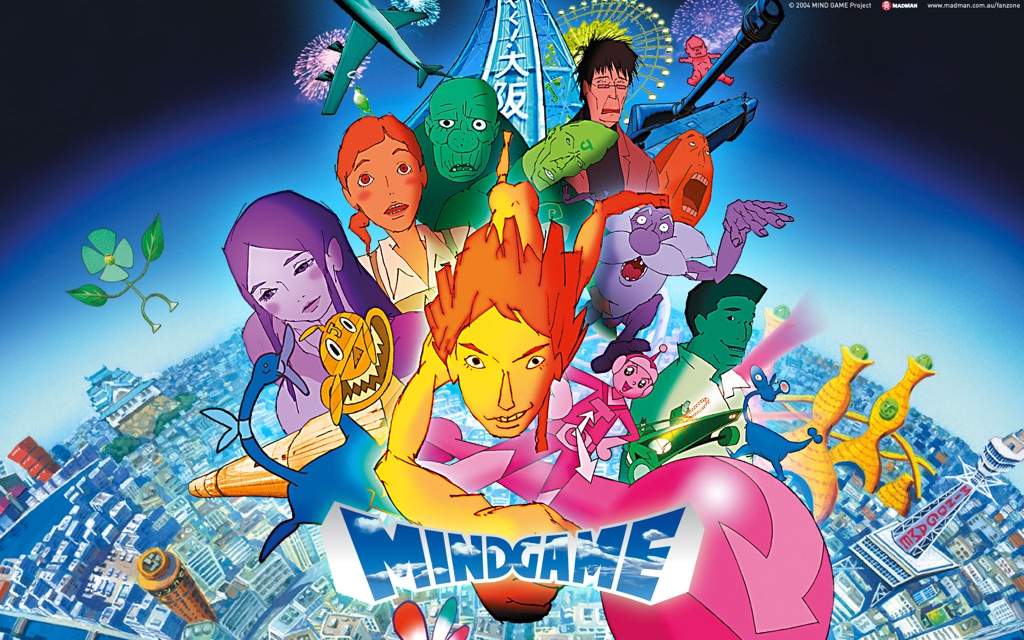
Directed by Masaaki Yuasa, Mind Game is the ultimate psychedelic anime film. It blends multiple animation styles—from live-action photos to crude sketches—to tell a story about life, death, and being trapped inside a whale. It is a frantic, life-affirming explosion of creativity that defies every rule of traditional filmmaking.
2. Angel’s Egg (1985)

This collaboration between Mamoru Oshii and artist Yoshitaka Amano is a masterpiece of obscure experimental anime. With almost no dialogue, it follows a young girl protecting a large egg in a desolate, neo-gothic world. It is a haunting, slow-burn experience that feels like watching a moving painting of a forgotten myth.
3. Paprika (2006)

Satoshi Kon’s final feature film is the gold standard for trippy anime recommendations. When a device that allows therapists to enter patients' dreams is stolen, reality and the dream world begin to merge. The result is a vibrant, terrifying, and visually stunning parade of the subconscious that inspired modern Hollywood blockbusters.
4. Belladonna of Sadness (1973)
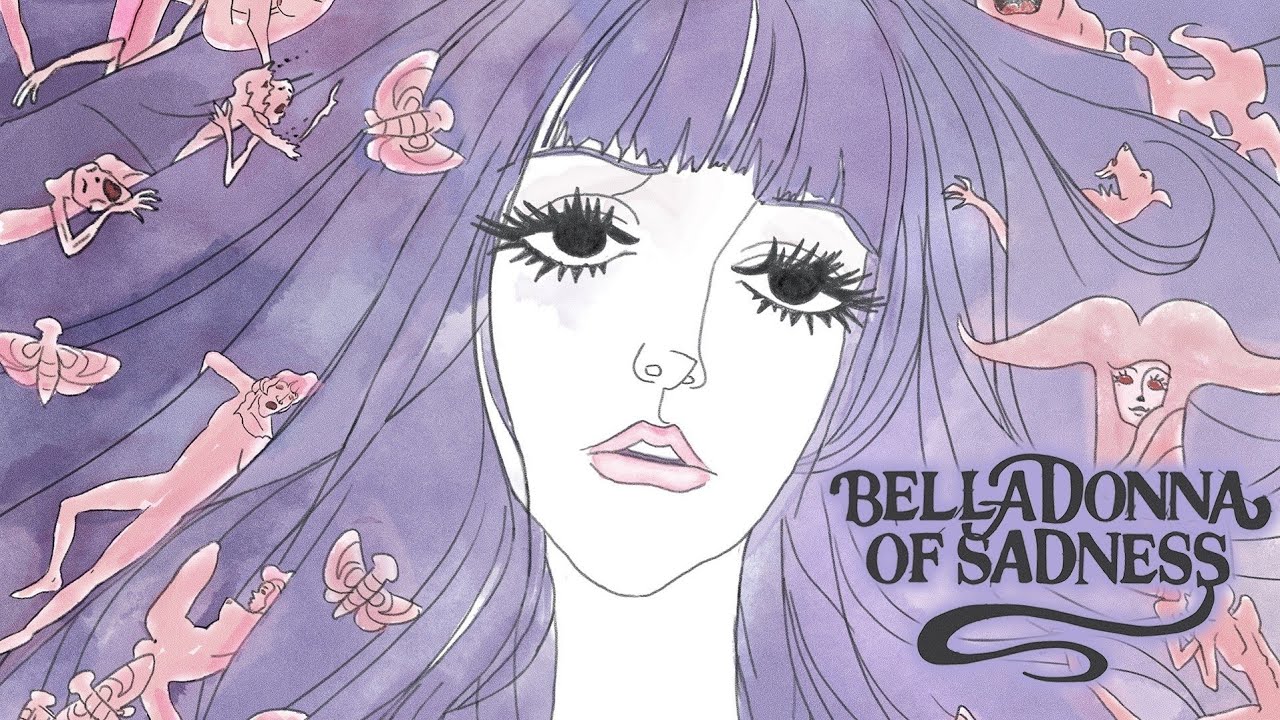
Part of the "Animerama" trilogy, this film is an avant-garde anime movie that uses watercolor-style stills to tell a tragic, erotic, and occult-heavy story. It is a visual assault of psychedelic colors and 1970s experimentalism that remains one of the most unique entries in the medium.
5. Perfect Blue (1997)

While grounded in a psychological thriller framework, Perfect Blue earns its spot through its masterful use of editing to blur the lines between reality, film-within-a-film, and hallucination. It captures the "weirdness" of identity breakdown in a way that is profoundly unsettling.
6. Gyo: Tokyo Fish Attack (2012)

Based on the manga by horror legend Junji Ito, this film is "weird" in the most visceral sense. It features fish with mechanical legs powered by a "death stench" invading Japan. It is a grotesque, bizarre, and unforgettable dive into body horror and environmental anxiety.
7. Night on the Galactic Railroad (1985)

This adaptation of Kenji Miyazawa's novel features anthropomorphic cats on a metaphysical train journey through the stars. Despite its cute character designs, the film is deeply philosophical, melancholic, and filled with Christian and Gnostic symbolism that creates a surreal, dreamlike atmosphere.
8. Catnapped\! (1995)
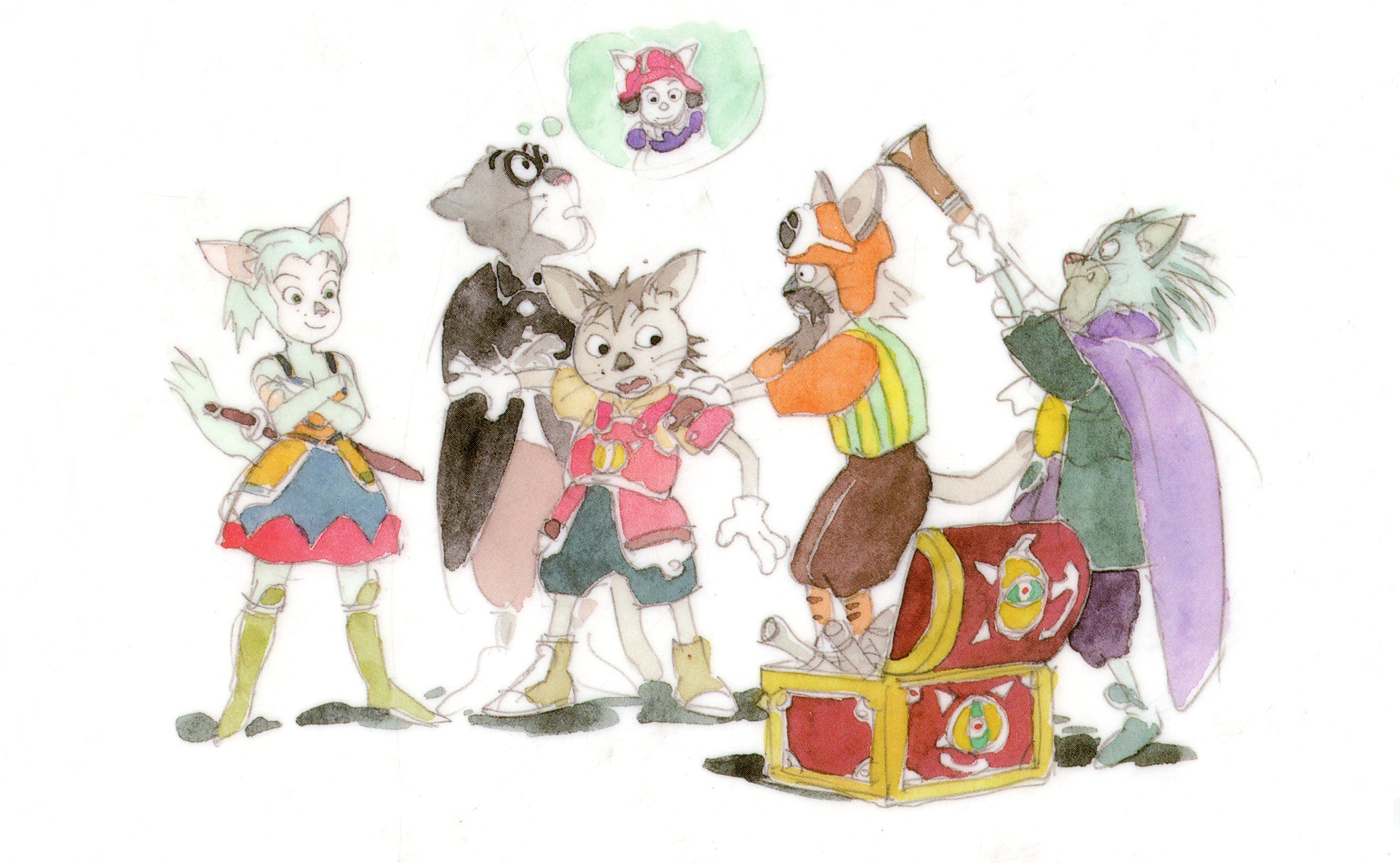
An often-overlooked gem, Catnapped\! (Totsuzen\! Neko no Kuni Banipal Witt) is a best psychedelic anime film candidate for younger audiences. It features a world of cats, weird mechanical designs, and a sun that turns people into balloons. It’s a whimsical but decidedly trippy adventure.
9. Dead Leaves (2004)
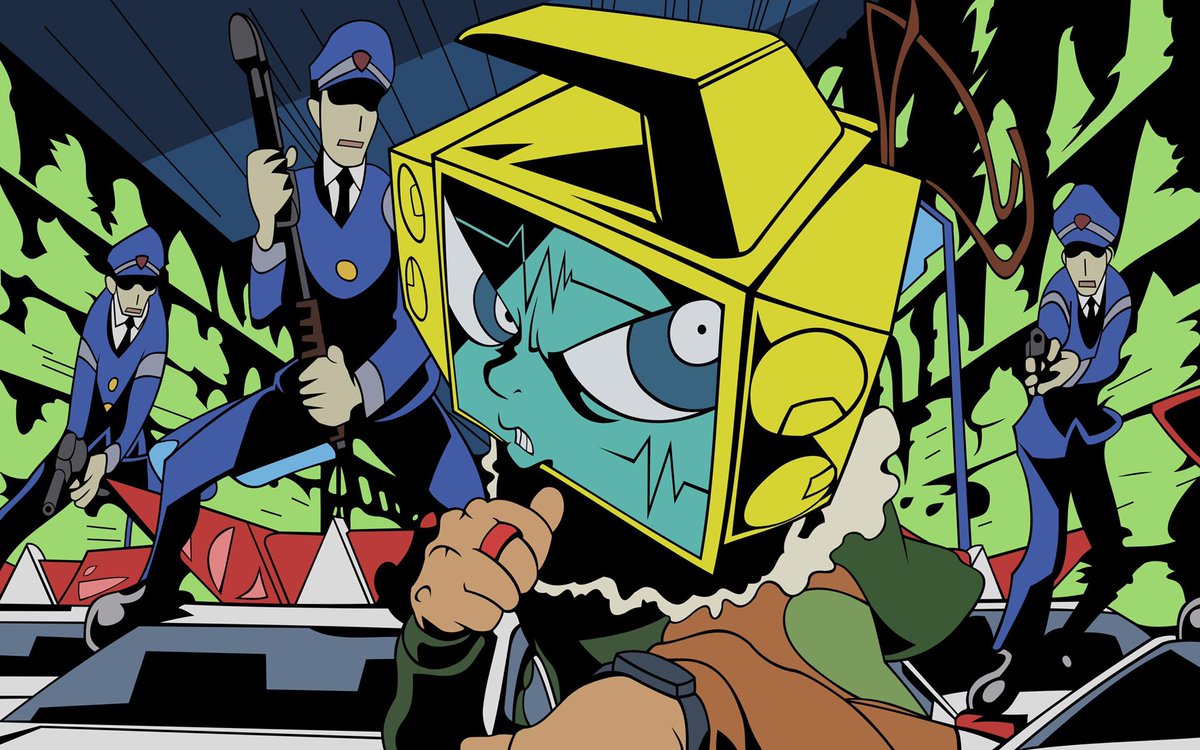
Directed by Hiroyuki Imaishi, Dead Leaves is like a comic book on high-speed adrenaline. The characters have TV heads or drill bits for parts, and they are trying to escape a lunar prison. The hyper-active animation and crude humor make it one of the most "out there" shorts in anime history.
10. Akira (1988)
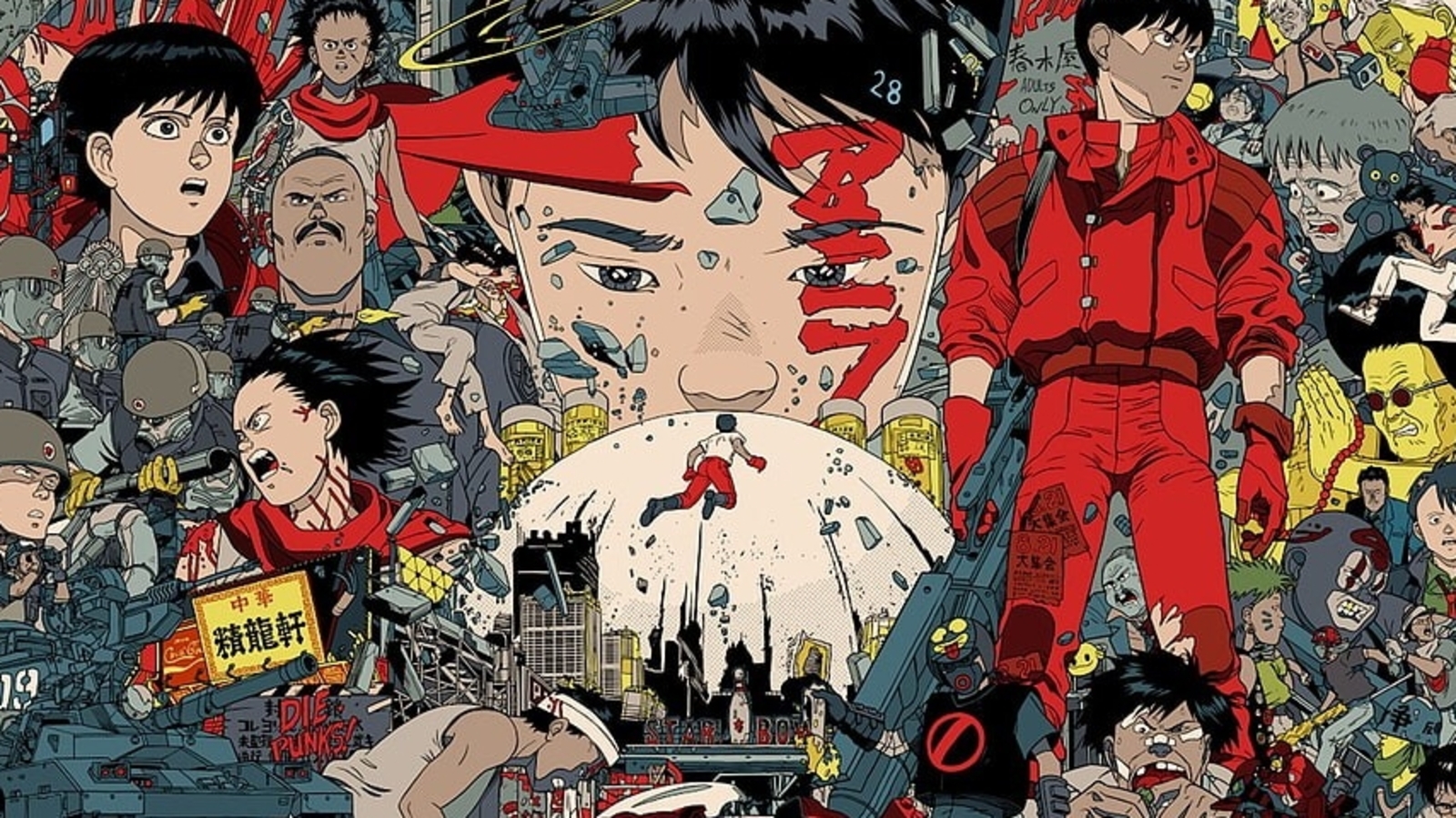
While a mainstream classic, Akira makes the list for its final act. The body horror transformation of Tetsuo and the metaphysical rebirth of a city are some of the most weirdest anime movies moments ever put to cel. It remains a benchmark for grand-scale experimentalism.
11. Tamala 2010: A Punk Cat in Space (2002)
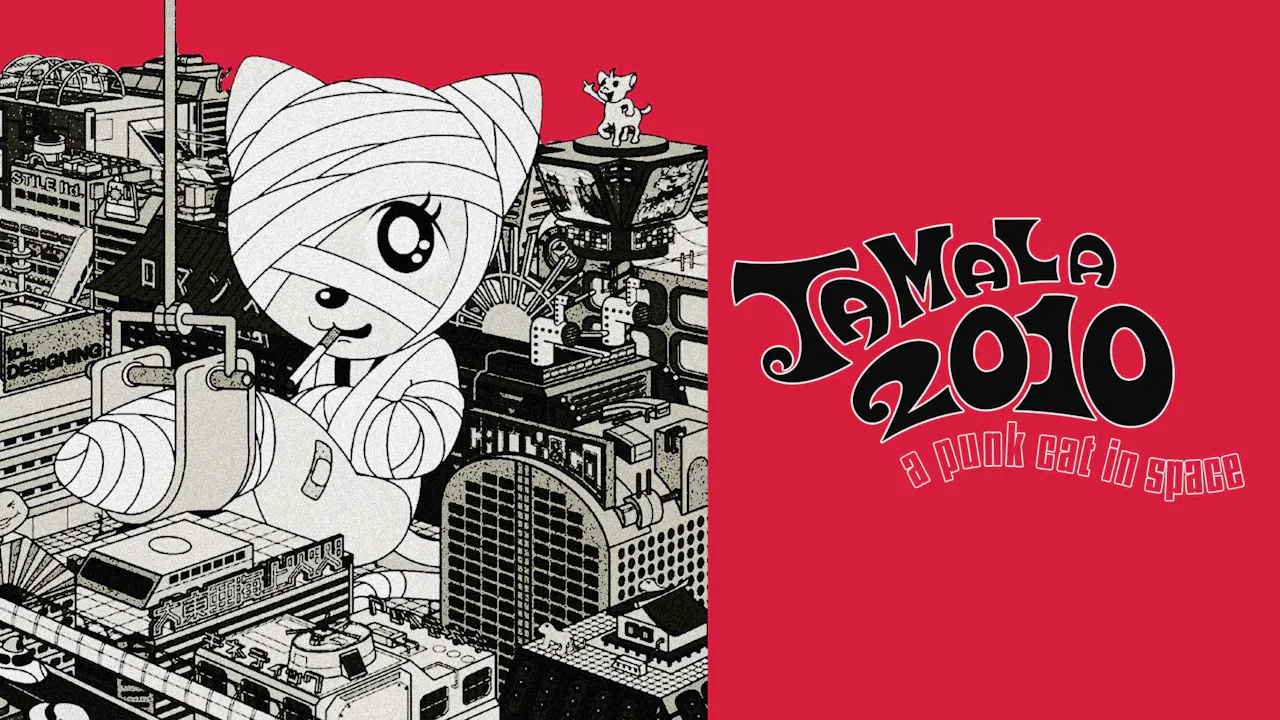
This film combines a cute "Hello Kitty" aesthetic with a cynical, corporate-dystopian sci-fi plot. It’s a black-and-white fever dream filled with cults, ancient prophecies, and punk-rock attitude. It’s a true obscure experimental anime that feels like a transmission from another dimension.
12. Pom Poko (1994)
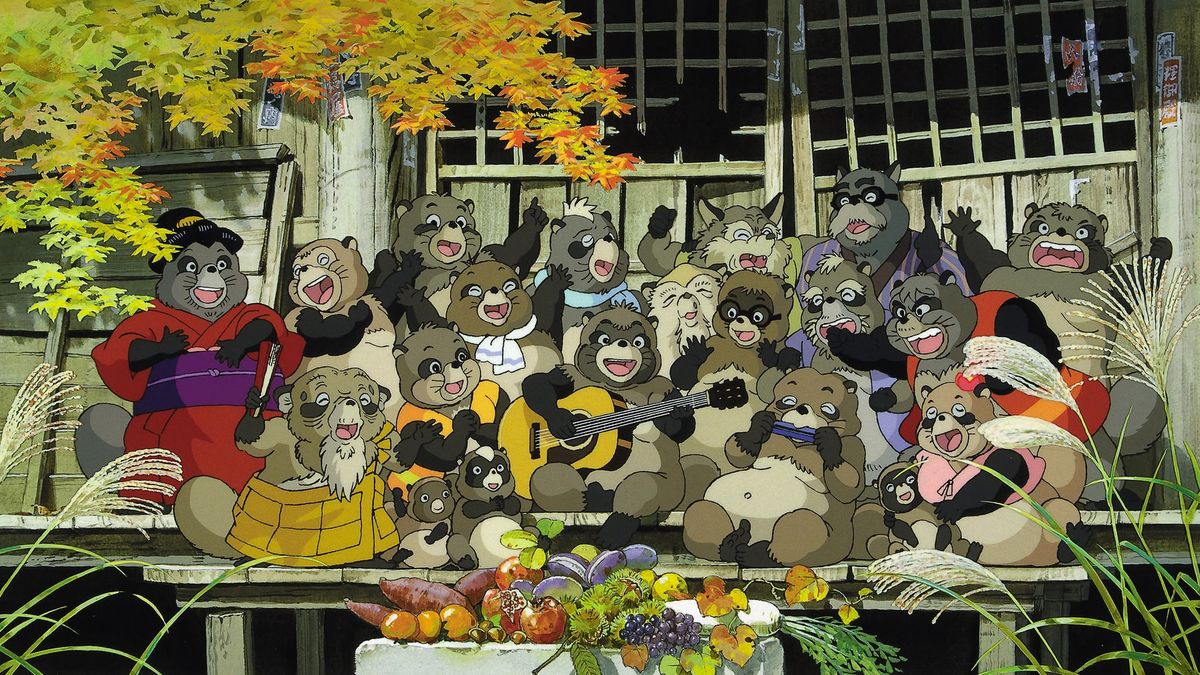
Even Studio Ghibli gets weird. Pom Poko follows a group of Tanuki (raccoon dogs) who use their shapeshifting testicles to fight off suburban developers. It is a bizarre blend of Japanese folklore, environmental tragedy, and anatomical humor that only Ghibli could pull off.
13. Robot Carnival (1987)
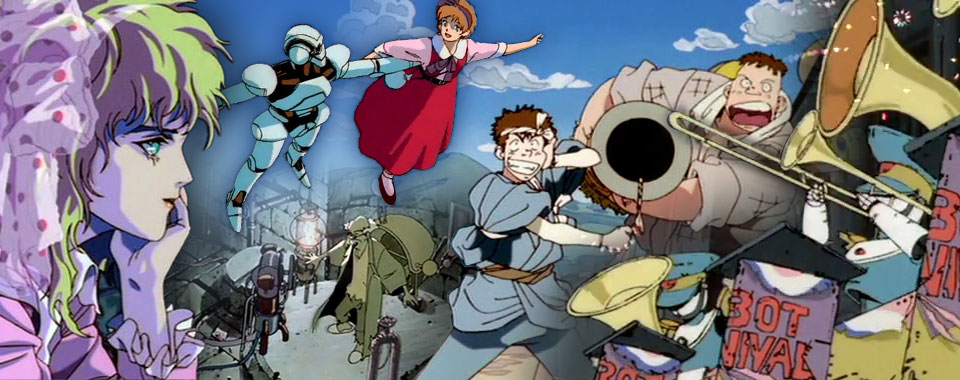
This anthology film features several shorts centered on robots, ranging from silent mechanical ballets to terrifying tales of creation. Each segment offers a different flavor of surreal anime films, showcasing the sheer variety of weirdness possible in the 80s OVA era.
14. Neo Tokyo (1987)
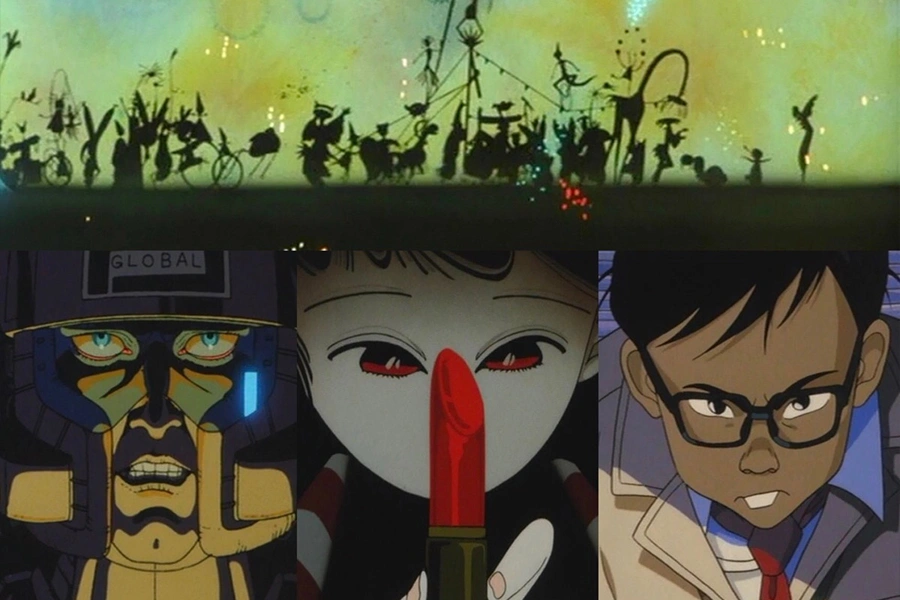
Another anthology, Neo Tokyo features the segment "Labyrinth Labyrinthos," which follows a girl and her cat into a distorted world of clowns and living shadows. It is a prime example of high-budget experimentalism that captures the essence of a nightmare.
15. Interstella 5555: The 5tory of the 5ecret 5tar 5ystem (2003)

A visual realization of Daft Punk's Discovery album, this film has no dialogue and tells the story of an alien band kidnapped and brought to Earth. It’s a colorful, rhythmic, and strangely emotional psychedelic anime film that bridges the gap between music video and cinema.
Hidden Gems: Underrated Surrealist Films
While the big names like Paprika get most of the attention, there are several obscure experimental anime titles that deserve more recognition. Films like The Case of Hana & Alice (2015) use rotoscoping to create an uncanny, hyper-realistic flow that feels slightly "off" in a beautiful way. Similarly, Midori: The Camellia Girl (1992) is a forbidden piece of "ero-guro" art that is as disturbing as it is visually unique.
For those looking for weird anime movies that lean into the abstract, look no further than the works of Kunio Kato. While often producing shorts, his ability to create melancholic, impossible worlds is unparalleled. These hidden gems remind us that surrealism isn't just about being loud or colorful; it can also be found in the quiet, unsettling corners of the human heart.
Iconic Directors of Avant-Garde Anime
Several directors have dedicated their careers to pushing the medium of animation into avant-garde anime movies territory. Masaaki Yuasa is perhaps the most famous contemporary example, known for his "loose" animation style that prioritizes movement and emotion over anatomical correctness. His work on Inu-Oh and Mind Game has redefined what modern audiences expect from a feature film.
Satoshi Kon remains a legend for his ability to weave complex psychological narratives through reality-bending visuals. His influence can be seen in everything from the works of Christopher Nolan to the latest trippy anime recommendations on streaming platforms. These directors prove that being "weird" is not a barrier to success; rather, it is a hallmark of a visionary who sees the world differently.
The Cultural Impact of Experimental Anime Movies
The impact of weird anime movies extends far beyond the borders of Japan. These films have challenged the global perception of animation as a "children's medium." By tackling themes of existentialism, political corruption, and sexual identity through a surrealist lens, they have earned a place in the pantheon of "high art." They provide a blueprint for how to use symbolism and metaphor to speak to universal human experiences.
Furthermore, the visual language of these best psychedelic anime films has seeped into music videos, fashion, and digital art. The "glitch" aesthetics and reality-warping backgrounds found in experimental anime are now staples of modern internet culture. For more in-depth analysis on the history of these styles, you can visit resources like Crunchyroll News, which frequently covers the intersection of art and animation.
Conclusion: The Lasting Legacy of Weird Anime Cinema
As we look toward the future of the industry in 2026 and beyond, it is clear that weird anime movies will continue to play a vital role in keeping the medium fresh. These films serve as the "R&D" department of animation, where new techniques are born and new ways of storytelling are tested. They remind us that at its core, animation is about the power of imagination and the courage to depict the world not as it is, but as it feels.
Whether you are a seasoned fan or a newcomer looking for weirdest anime movies to challenge your perspective, there is something in this genre for everyone. From the colorful chaos of Mind Game to the silent beauty of Angel's Egg, these surrealist masterpieces offer a journey that no other medium can provide. So, dim the lights, clear your mind, and prepare to dive into the wonderful, baffling world of avant-garde anime.









format(webp))












// Comments