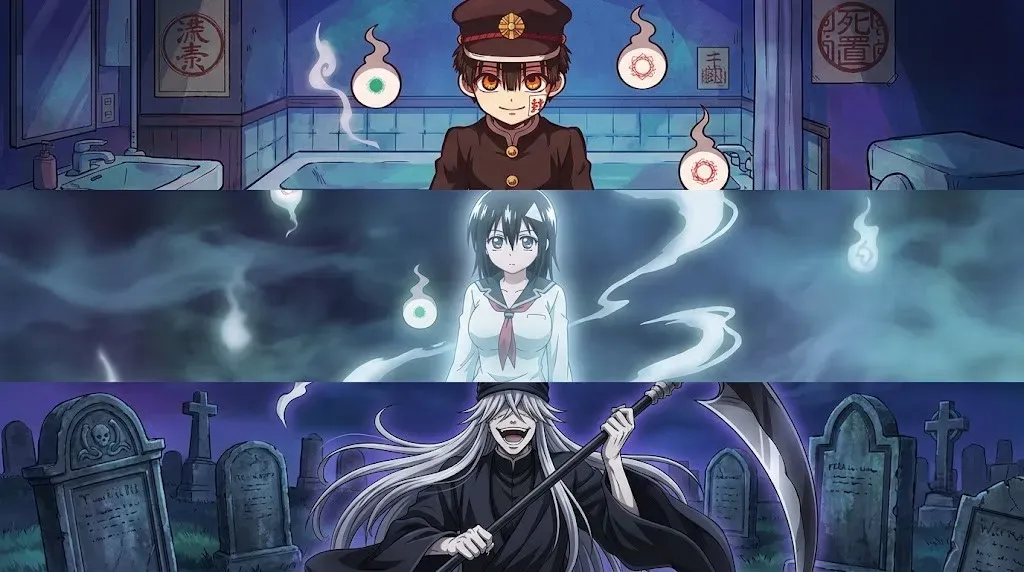
Introduction to Anime Ghost Characters
The boundary between the living and the dead has always been a fertile ground for storytelling in Japanese animation. An anime ghost character is rarely just a simple jump-scare; they are often complex entities tethered to the physical world by regret, love, or a burning desire for justice. These supernatural beings provide a bridge between our reality and the unknown, offering a unique perspective on life through the lens of the afterlife.
From the classic yūrei of folklore to modern digital spirits, anime has reimagined what it means to be a ghost. Whether they are haunting a school restroom or serving as a powerful mentor to a young protagonist, these characters define the supernatural genre. In this guide, we will rank the most impactful spirits that have left an indelible mark on fans worldwide.
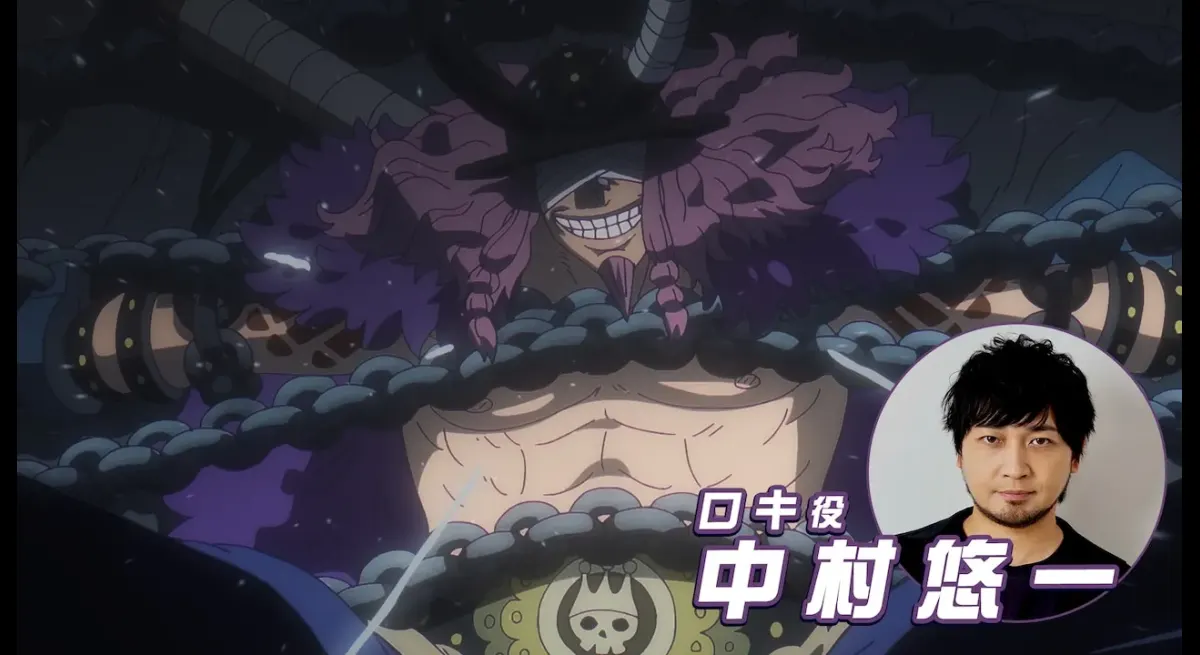 Also ReadYuichi Nakamura as Loki in "ONE PIECE": Elbaf Edition OP by Aina The End
The Appeal of Supernatural Spirits in Anime
Why are we so fascinated by the deceased in anime? The appeal lies in the inherent drama of an unfinished life. Supernatural spirit characters allow writers to explore themes of mortality and legacy without the constraints of physical laws. They represent the "what ifs" of human existence, personifying the memories and emotions that refuse to fade away even after the heart stops beating.
Furthermore, the visual diversity of these characters is staggering. Anime can portray ghosts as ethereal, beautiful maidens, terrifying masses of distorted energy, or even helpful, invisible companions. This versatility ensures that whether a viewer is looking for a psychological thriller, a heartwarming romance, or a high-octane battle shonen, there is a ghost story that fits the bill perfectly.
Criteria for Ranking the Best Anime Ghosts
Ranking the best anime ghost characters requires more than just looking at how "scary" they are. To determine who truly stands out in the crowded field of the afterlife, we evaluate them based on several key factors that align with 2026's deep-dive fan culture.
- Narrative Impact: How much does the character’s presence (or absence) drive the plot and the development of the living cast?
- Character Depth: Does the ghost have a compelling backstory, clear motivations, and a personality that transcends their spectral nature?
- Iconic Design: Is the character’s visual appearance memorable and unique within the medium?
- Cultural Longevity: Has the character remained a topic of discussion among fans years after their series concluded?
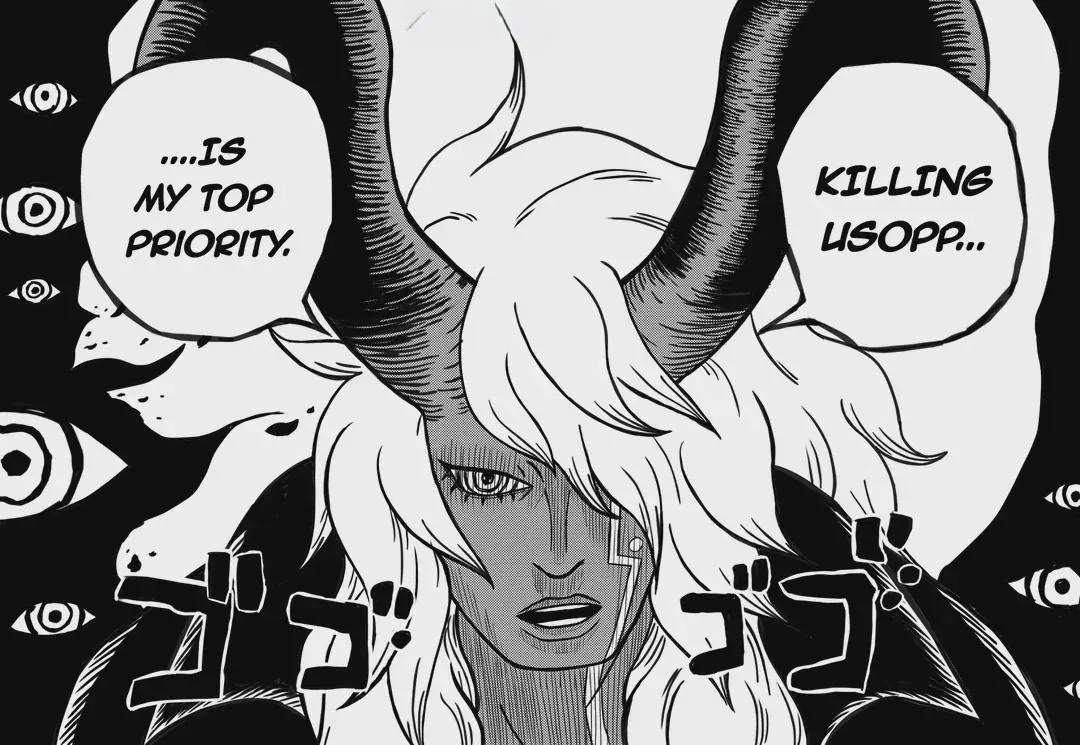
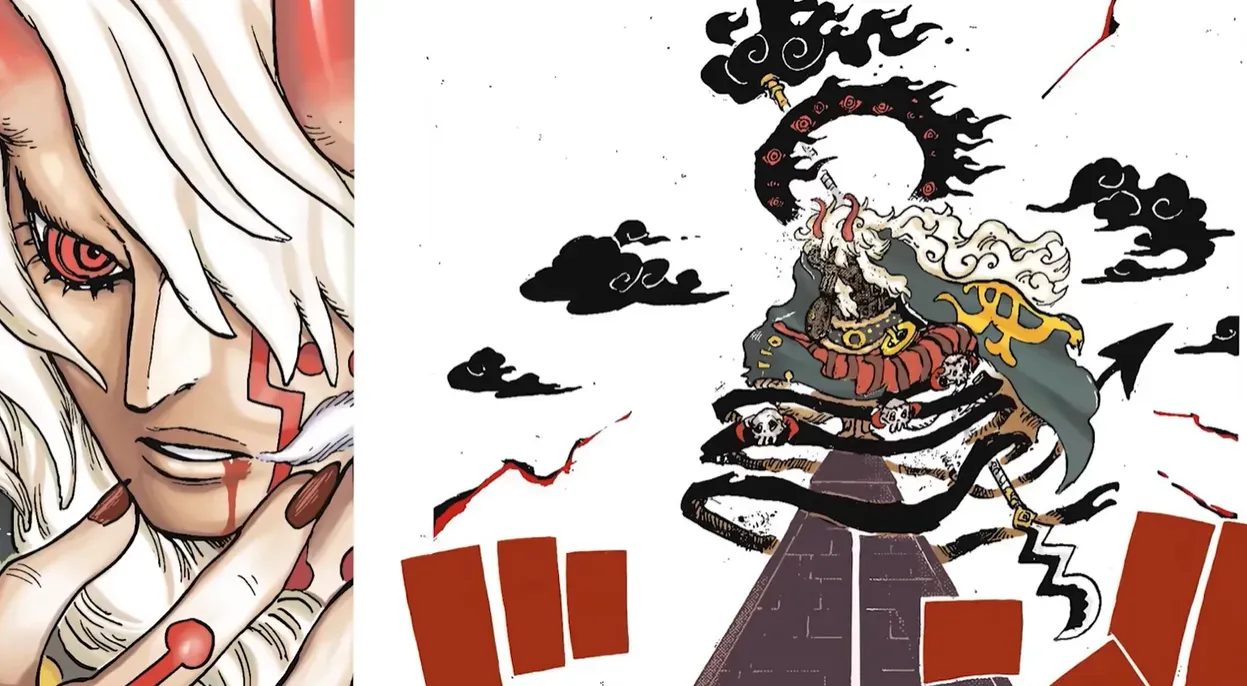 Also ReadOne Piece Chapter 1180 "Omen" Spoilers: Imu's God-Like Power Destroys Zoro & Sanji
Top 15 Best Anime Ghost Characters, Ranked
1. Menma (Anohana: The Flower We Saw That Day)

Meiko "Menma" Honma is perhaps the most emotionally devastating ghost in anime history. Appearing years after her childhood death to reunite her estranged friends, she embodies the purity of childhood innocence and the pain of unresolved grief. Her journey toward "passing on" remains a benchmark for supernatural drama.
2. Sai (Hikaru no Go)
Fujiwara no Sai is a genius Go player from the Heian era who haunts a Go board. As a mentor to Hikaru, Sai’s passion for the "Divine Move" is infectious. He represents the ideal of artistic perfection and the bittersweet reality of a master who can only interact with the world through another’s hand.
3. Yuko Ichihara (xxxHOLiC)
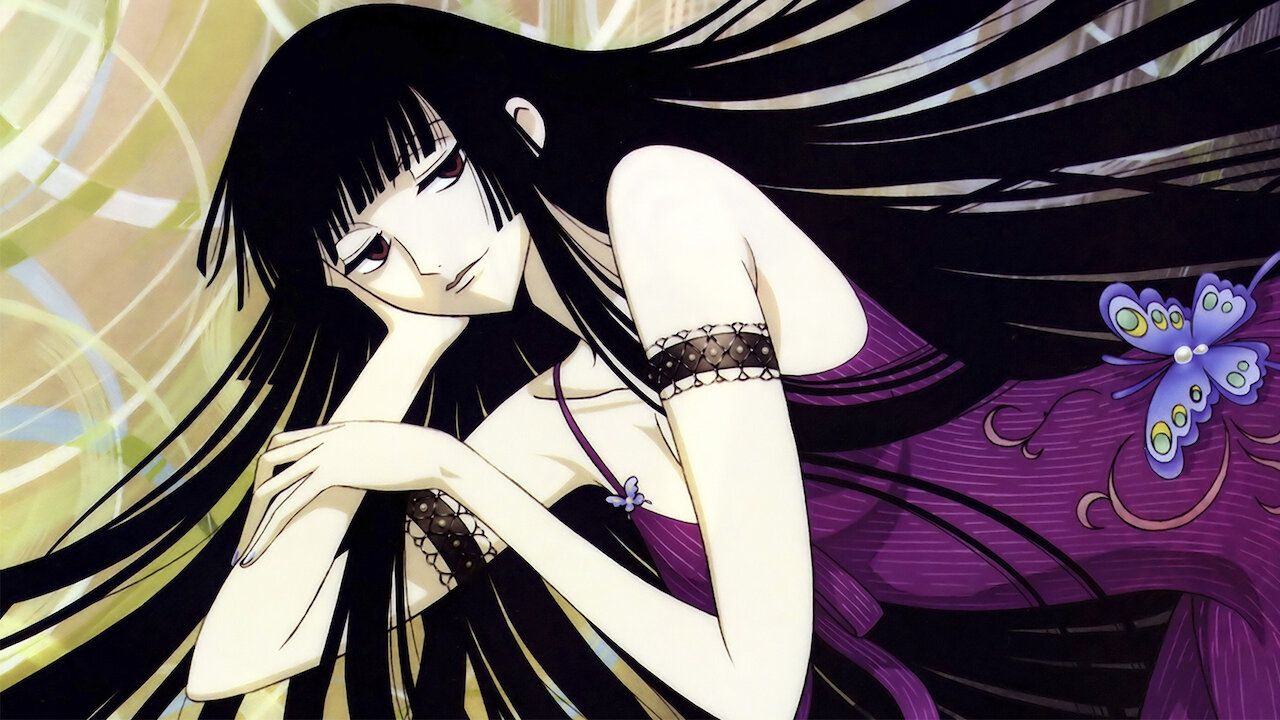
While her status is complicated by space-time magic, Yuko’s existence as a "ghost" of a woman kept alive between seconds is hauntingly beautiful. As the Dimensional Witch, she provides a philosophical backbone to the CLAMP universe, proving that spirits can be more knowledgeable and powerful than the living.
4. Hanako-kun (Toilet-Bound Hanako-kun)

Modern and stylish, Hanako-kun subverts the "scary school ghost" trope. As the seventh of the School Wonders, he maintains the balance between humans and apparitions. His mischievous personality hides a dark, tragic past, making him one of the most popular supernatural spirit characters of the 2020s.
5. Brooke (One Piece)

A living skeleton who returned to his body thanks to the Revive-Revive Fruit, Brooke is technically a ghost inhabiting his own remains. His decades of loneliness on a ghost ship and his joyful "Yohohoho" laugh make him a fan-favorite member of the Straw Hat Pirates.
6. Reimi Sugimoto (JoJo’s Bizarre Adventure: Diamond is Unbreakable)

Reimi is the guardian of Morioh’s hidden alleyway. As the first victim of the series' primary antagonist, her role is crucial in alerting the protagonists to the evil lurking in their town. Her design is classic yet eerie, serving as a constant reminder of the stakes involved.
7. Elaine (The Seven Deadly Sins)
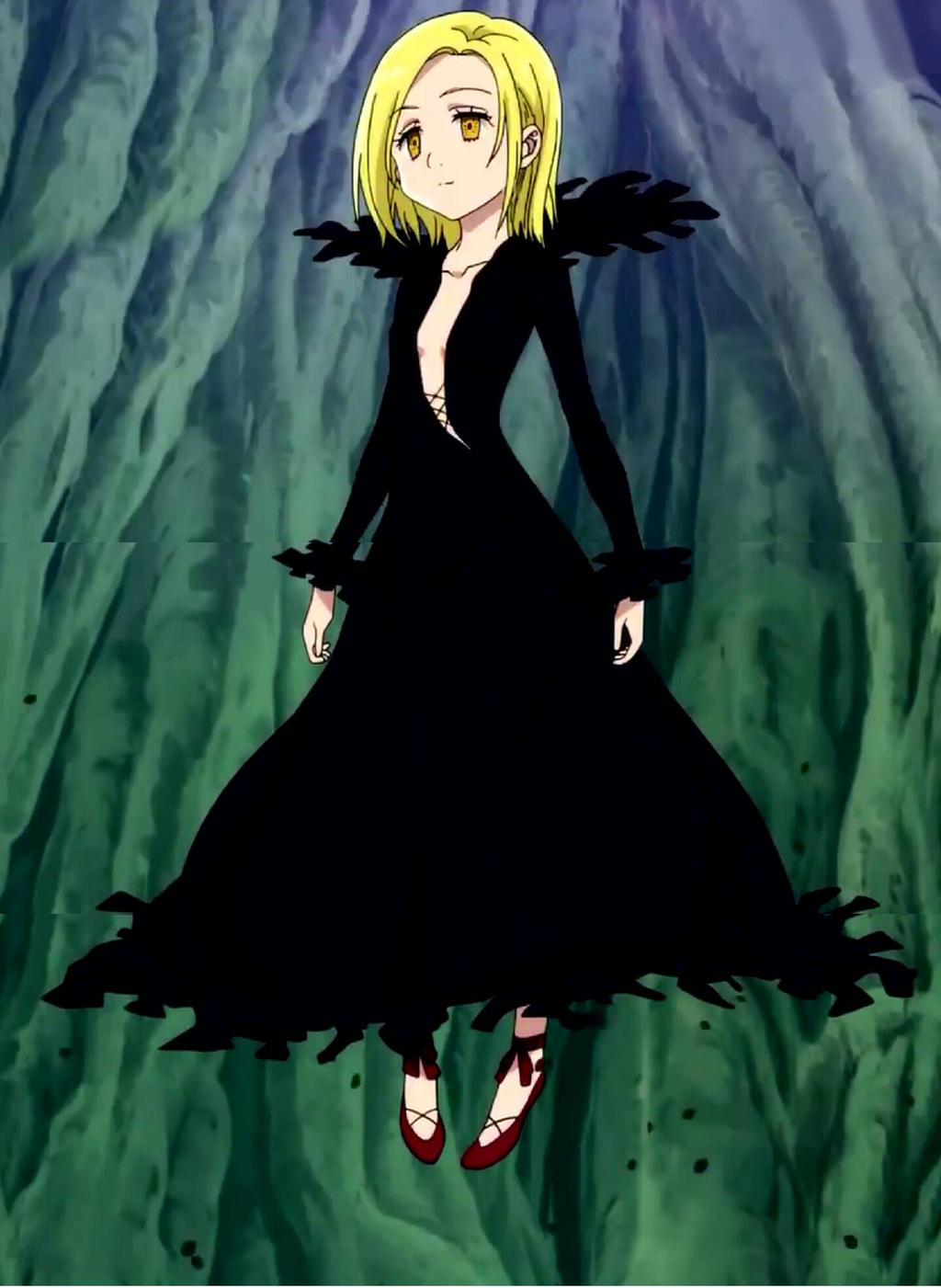
The Holy Maiden of the Fountain of Youth, Elaine spends much of the series as a spirit watching over Ban. Her devotion and the tragedy of her death at the hands of a demon make her one of the most sympathetic and powerful vengeful ghosts—though her vengeance is born of lost love rather than hate.
8. Undertaker (Black Butler)
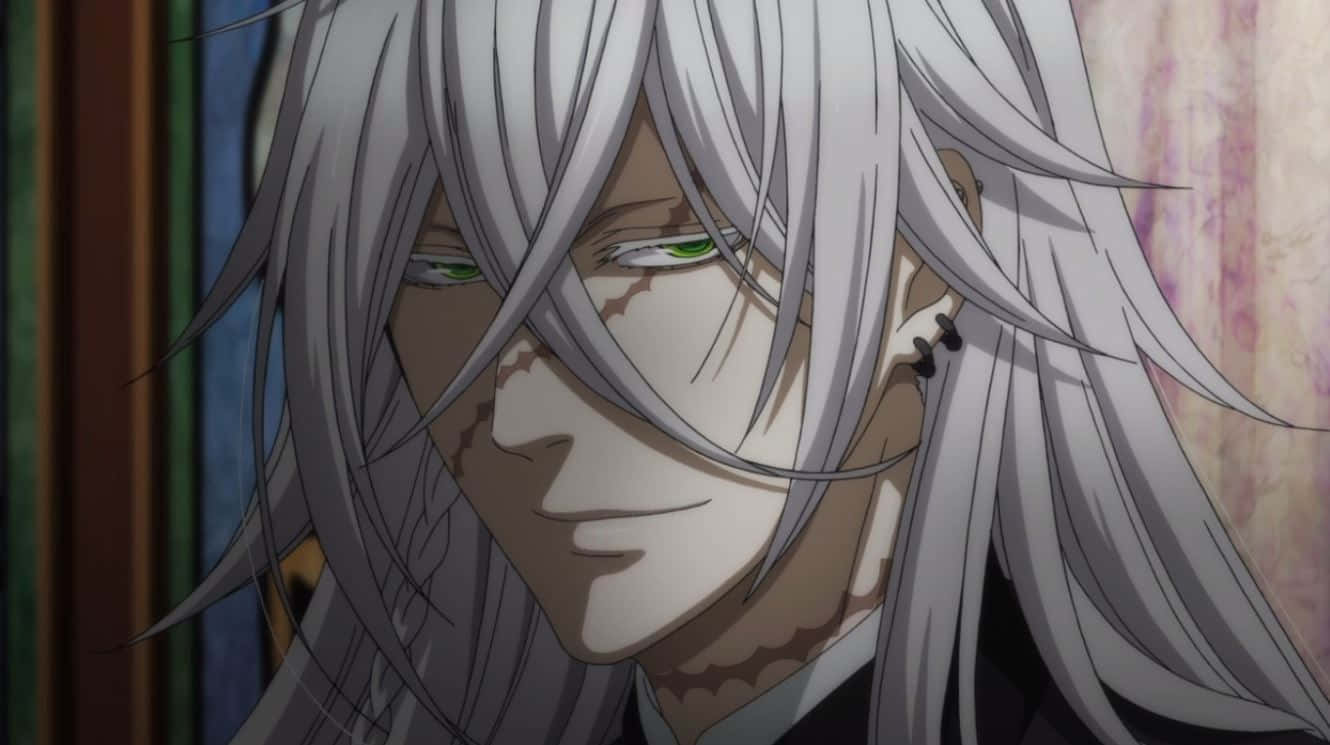
While technically a Grim Reaper (Shinigami) rather than a traditional human ghost, Undertaker operates entirely in the realm of the dead. He spends his days as an eccentric funeral director who demands a "top-tier joke" as payment for information. When he actually fights, his power over souls and the dead is terrifyingly absolute..
9. Kuchisake-onna (Various / Ghost Stories)
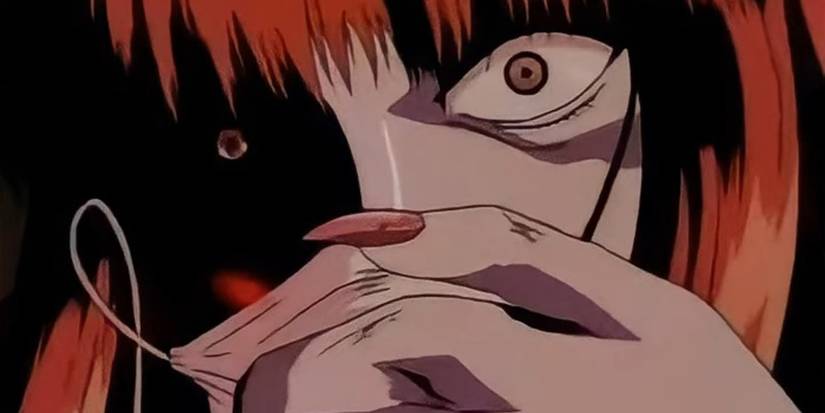
The Slit-Mouthed Woman is an iconic piece of Japanese urban folklore frequently featured in anime. She represents the scary anime ghost designs that tap into primal fears of mutilation and inescapable encounters, often requiring a specific verbal trick to survive.
10. Jibanyan (Yo-kai Watch)

Proof that ghosts can be adorable, Jibanyan is the spirit of a cat who died in traffic. His "friendly anime apparitions" vibe helped launch a massive franchise, showing that the afterlife can be explored through a comedic and child-friendly lens while still touching on themes of loyalty.
11. Nanana Ryuugajou (Nanana's Buried Treasure)

Nanana is a NEET ghost tied to her room, obsessed with pudding and video games. Her character adds a fun, modern twist to the haunting genre, as she provides clues to hidden treasures while refusing to leave her comfortable spectral life.
12. Fuyumi Yanagi (Blood Lad)
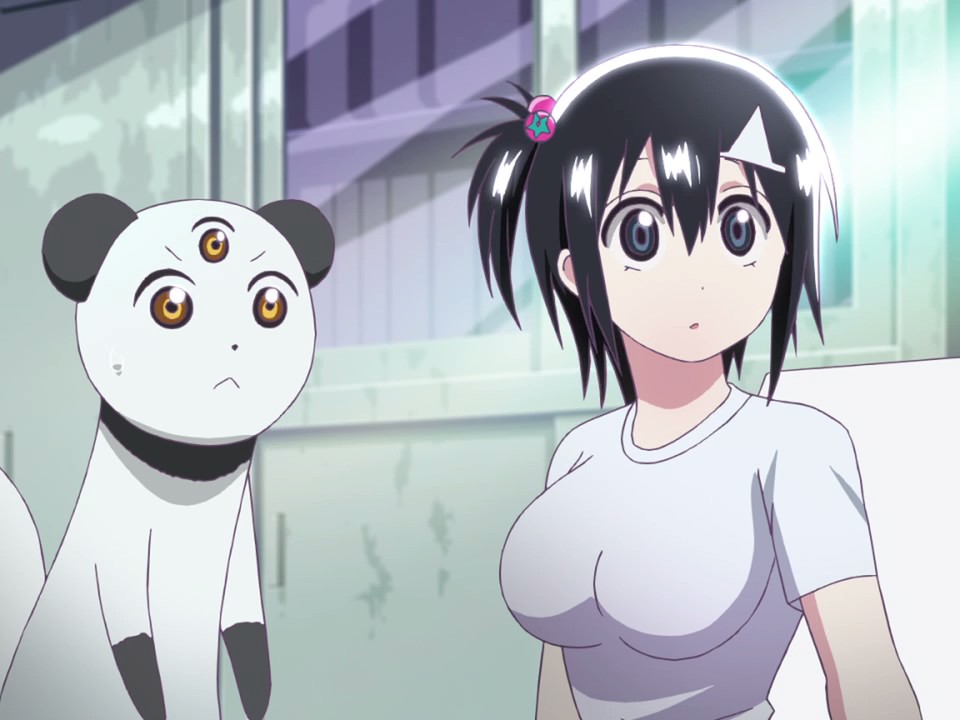
Fuyumi starts as a human but quickly becomes a ghost after being eaten by a carnivorous plant. Her quest to regain her humanity while navigating the Demon World provides a lighthearted yet engaging look at the transition from life to the spirit realm.
13. Ryu (Shaman King)
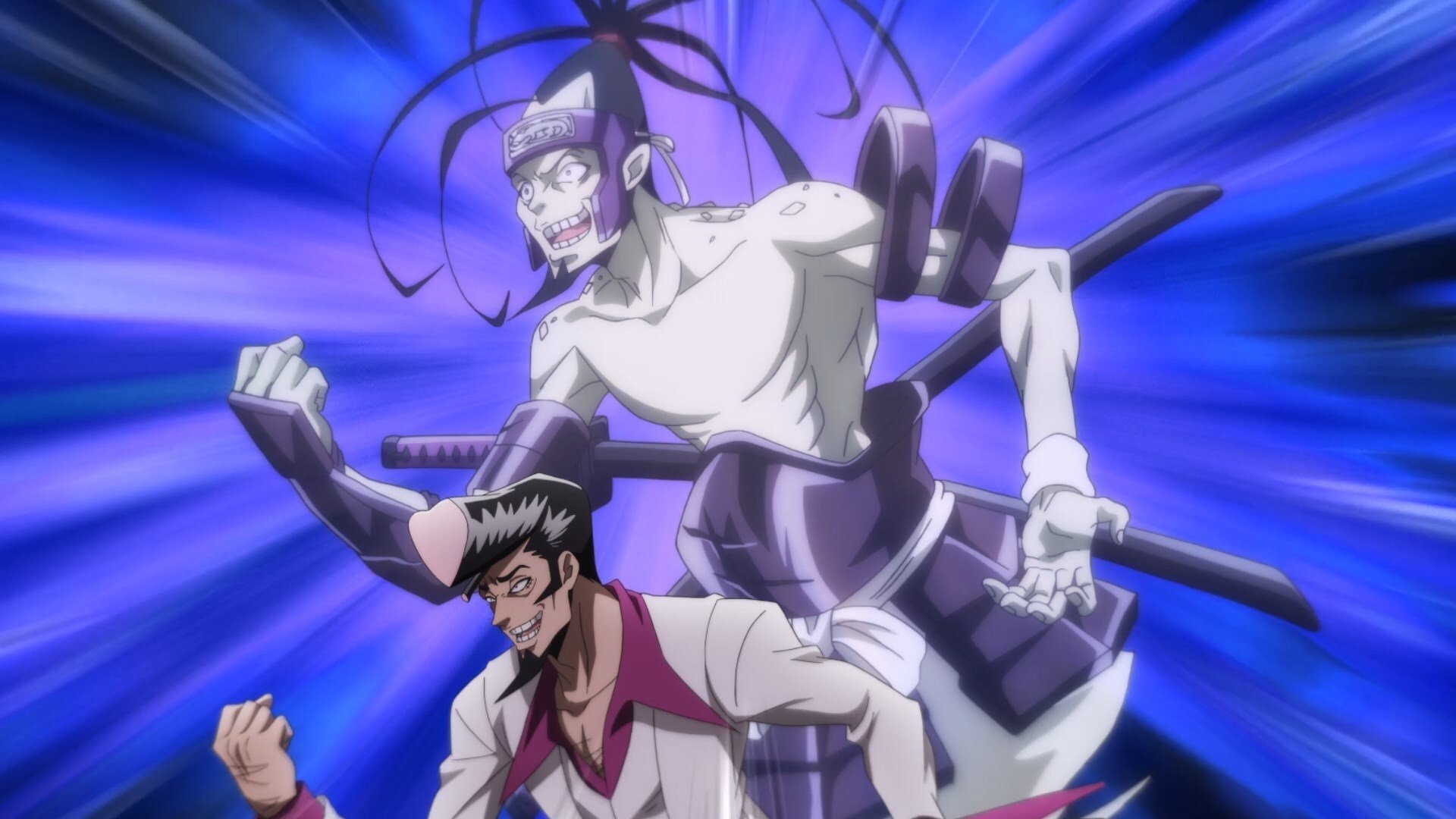
The ghost of Tokageroh, who eventually becomes Ryu’s guardian spirit, is a classic example of a "villain turned ally." His redemption arc from a vengeful spirit to a loyal protector highlights the shonen theme of growth even after death.
14. Mima (Perfect Blue)
In Satoshi Kon’s masterpiece, the "ghost" of Mima’s idol persona haunts her as she tries to transition into acting. This psychological manifestation is one of the most terrifying depictions of a ghost, representing the loss of identity and the pressure of fame.
15. No-Face (Spirited Away)

While often classified as a spirit or Kami, No-Face functions much like a wandering ghost, absorbing the emotions and traits of those around him. He is a haunting representation of loneliness and the hunger for connection in the spirit world.
Iconic Restless Spirits and Phantoms
Many of the most memorable ghosts in anime are those who cannot find peace. These restless spirits often serve as the primary antagonists or the central mystery of a series. In folklore-heavy shows like Mushishi or Natsume’s Book of Friends, these phantoms are often misunderstood creatures whose "haunting" is simply a plea for recognition.
The visual language used to depict these spirits often involves traditional Japanese elements, such as white burial kimonos (katabira) or triangular headbands (hitta). By rooting these characters in Japanese ghost folklore, anime creators tap into a deep-seated cultural reverence and fear of the dead.
Protective and Friendly Anime Ghosts
Not every anime ghost character is out for blood. Many function as guardian angels or helpful guides. These friendly anime apparitions often provide the emotional support that the living characters lack. For instance, in Shaman King, the bond between a shaman and their spirit is one of mutual respect and partnership.
These characters often retain their human personalities, allowing for comedic interactions and heartwarming moments. They remind the audience that death does not necessarily mean the end of a relationship. Instead, it transforms the connection into something spiritual and enduring, often giving the protagonist the strength to face challenges they couldn't tackle alone.
Dark and Vengeful Supernatural Beings
On the opposite end of the spectrum are the powerful vengeful ghosts. These entities are driven by "onryō"—a grudge so powerful it allows them to manifest and cause physical harm. Series like Hell Girl or Another thrive on the tension created by these unstoppable forces of nature.
The horror in these stories comes from the inevitability of the ghost's wrath. Unlike a human killer, a vengeful spirit cannot be bargained with or physically stopped. They represent the consequences of past sins coming back to haunt the present, a theme that resonates deeply with audiences looking for justice in a supernatural format.
Impact of Ghost Characters on Anime Storytelling
Ghost characters serve as a unique narrative tool that allows for non-linear storytelling. Through flashbacks or spectral visions, a ghost can reveal secrets that have been buried for centuries. This makes them invaluable for world-building, especially in fantasy or mystery series where the past is key to the present conflict.
Moreover, the presence of a ghost often forces living characters to confront their own mortality. This leads to profound character growth, as seen in shows like Anohana, where the ghost's presence is the catalyst for a group of adults to finally heal their childhood traumas. They are the ultimate "outsiders" looking in, providing commentary on human nature from a place of absolute detachment.
Conclusion: The Enduring Legacy of Anime Spirits
The best anime ghost characters are those that linger in our minds long after the screen goes black. Whether they bring tears to our eyes like Menma or chills to our spines like the spirits of Ghost Stories, they enrich the medium with their complexity and haunting beauty.
As we look toward the future of anime in 2026 and beyond, the ghost character remains a staple of the industry. As long as humans have questions about what lies beyond and regrets about what they leave behind, creators will continue to find new and innovative ways to bring the dead back to life on screen. The legacy of these spirits is not one of death, but of the eternal power of the human spirit.





// Comments