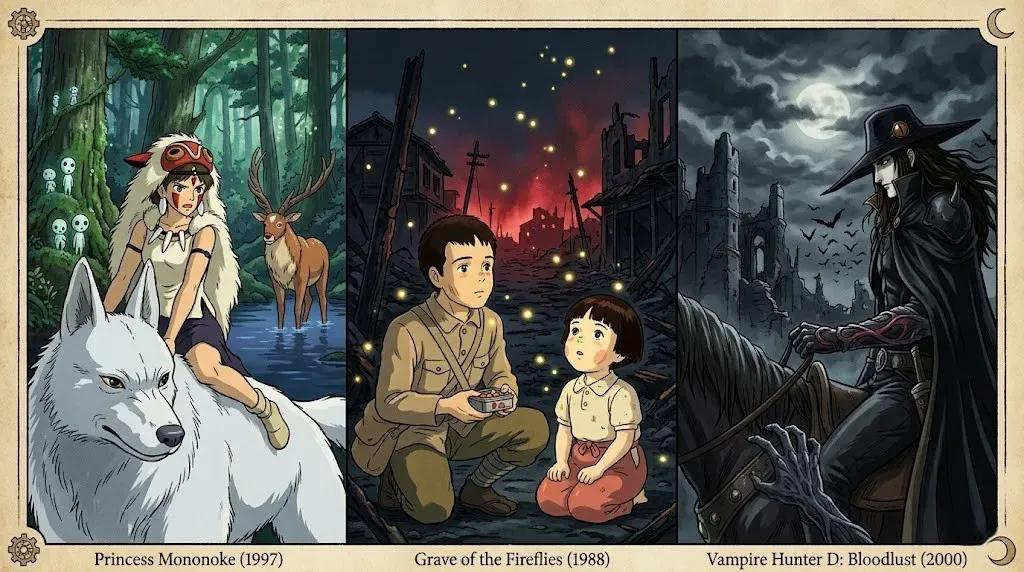

Introduction to 80s and 90s Anime Movies
The landscape of global cinema would look vastly different today without the profound influence of 80s 90s anime movies. This twenty-year span represents a transformative era where Japanese animation evolved from a niche domestic product into a worldwide cultural phenomenon. These films didn't just tell stories; they pushed the boundaries of what was possible in hand-drawn art.
During this period, directors like Hayao Miyazaki, Katsuhiro Otomo, and Mamoru Oshii redefined the medium, proving that animation could tackle complex philosophical, political, and social themes. Whether you are a lifelong fan or a newcomer looking for 80s 90s anime movie recommendations, these films offer a depth and artistry that remains unmatched in the modern digital age.
From the neon-soaked streets of cyberpunk dystopias to the lush, breathing forests of fantasy epics, the variety found in this era is staggering. These movies served as the gateway for international audiences, laying the groundwork for the massive global industry we see today in 2026. Let's dive into why this specific timeframe is considered the ultimate high-water mark for the medium.
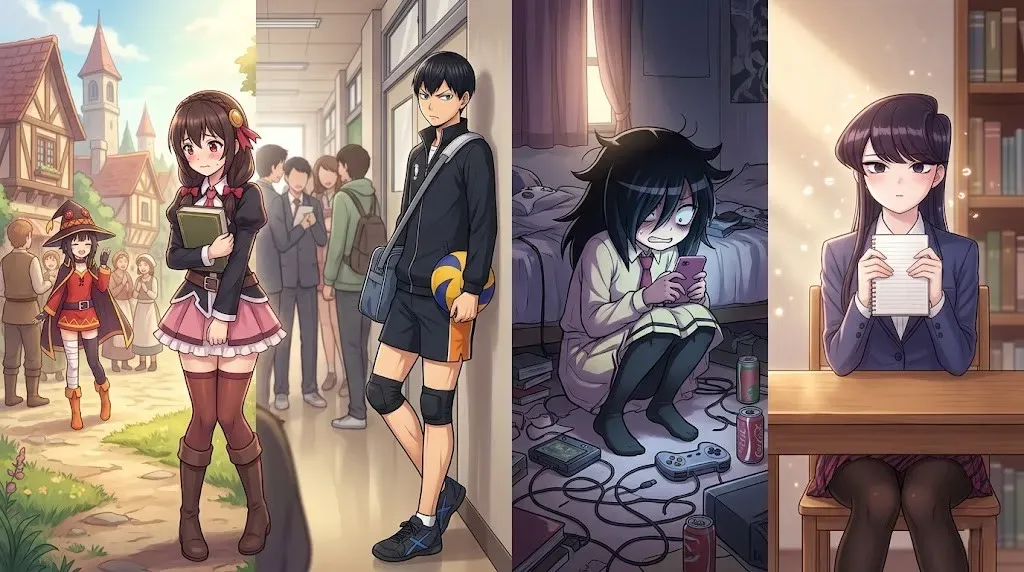 Also Read10 Best Anime Characters With Social Anxiety, Ranked
Why the 80s and 90s Were a Golden Era for Anime Films
The 1980s and 1990s are often referred to as the "Golden Era" because of a unique convergence of economic prosperity in Japan and a surge in creative risk-taking. Known as the "Bubble Economy" era, Japanese studios had access to unprecedented budgets, allowing for high-frame-rate animation and incredibly detailed background art that would be cost-prohibitive today.
This financial freedom meant that creators weren't just making "cartoons for kids." They were crafting cinematic experiences intended for adult audiences. This led to the rise of the "OVA" (Original Video Animation) market and high-profile theatrical releases that focused on mature storytelling, intricate plots, and visceral action that challenged the status quo of Western animation at the time.
Furthermore, this era benefited from the perfection of cel animation. Before the industry-wide shift to digital ink and paint in the early 2000s, studios like Ghibli, Madhouse, and Production I.G were at the peak of their manual craftsmanship. Every explosion, every mechanical detail, and every facial expression was meticulously painted by hand, giving these classic 80s anime films a tangible, organic soul.
Key Characteristics of Retro Anime Aesthetics
What exactly defines the "look" of retro 90s anime movies? It starts with the color palettes. The use of hand-painted cels created a specific texture and depth that digital animation often struggles to replicate. There is a "warmth" to the grain and a specific way that light interacts with the layers of acetate that creates a dreamy, nostalgic atmosphere.
 Also Read15 Best War Animes of All Time, Ranked
Another hallmark is the obsession with mechanical realism and "clutter." In 80s 90s anime movies, technology felt heavy and functional. Ships had visible pipes, greasy gears, and flickering CRT monitors. This aesthetic, often paired with the "city pop" musical influence or dark ambient synths, created an immersive world-building style that felt lived-in and gritty.
Character designs also followed distinct trends. The 80s favored sharp, angular faces and voluminous hair, while the 90s transitioned into more realistic proportions and expressive, fluid movement. Regardless of the decade, the emphasis was always on the "cinematography"—using dramatic lighting, shadows, and creative camera angles to tell a story through visuals alone.
Criteria for Ranking Timeless Classics
Ranking the best vintage anime movies is no easy task, as the "best" can be subjective. To provide a definitive list, we have evaluated these films based on four primary criteria that have allowed them to stand the test of time into 2026:
- Technical Innovation: Did the film push the boundaries of animation, sound design, or special effects for its time?
- Narrative Depth: Does the story resonate on a human or philosophical level beyond simple entertainment?
- Cultural Impact: How much did this film influence future filmmakers, both in Japan and in the West?
- Rewatchability: Does the film still feel fresh and engaging decades after its initial release?
Our list of iconic retro anime films balances mainstream masterpieces with cult favorites that redefined their respective genres, from psychological thrillers to high-octane sci-fi.
Top 10 Best 80s & 90s Anime Movies, Ranked
1. Akira (1988)

Widely considered the pinnacle of 80s 90s anime movies, Akira is a technical marvel. Set in the sprawling Neo-Tokyo, it follows a biker gang member who gains telekinetic powers. Its fluid animation and haunting score by Geinoh Yamashirogumi changed the world's perception of anime forever.
2. Ghost in the Shell (1995)

This film is the definitive cyberpunk masterpiece. Following Major Motoko Kusanagi as she hunts a hacker known as the Puppet Master, it explores the boundaries between humanity and technology. Its influence on films like The Matrix is well-documented and undeniable.
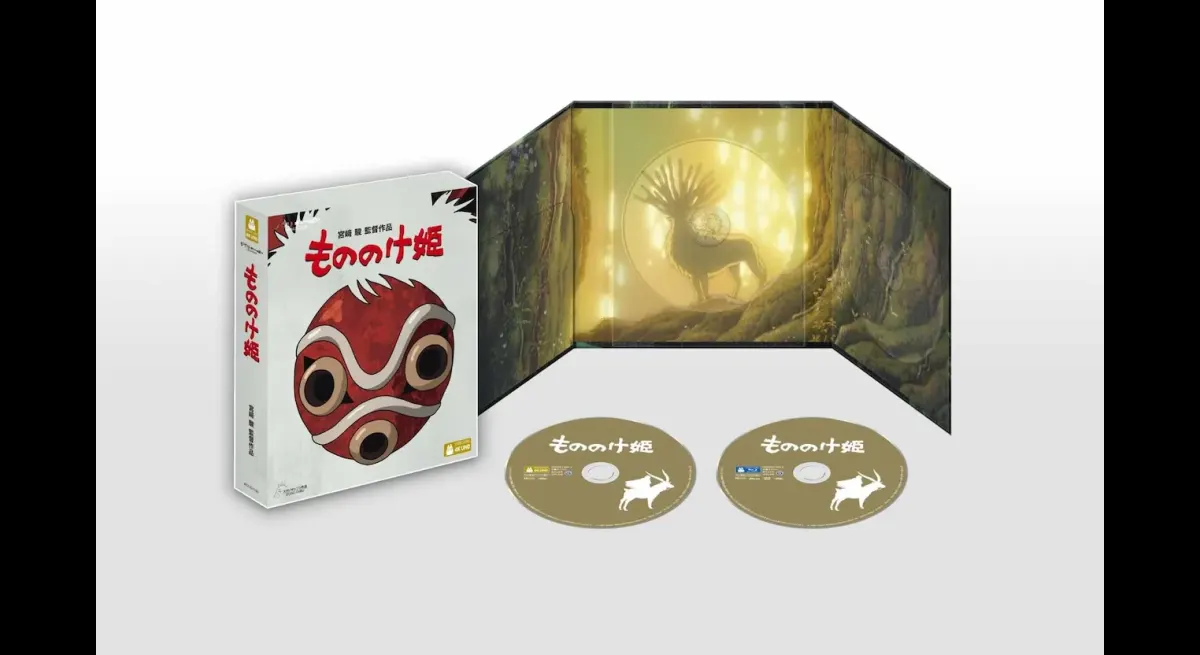
3. Princess Mononoke (1997)

Hayao Miyazaki’s epic tale of the conflict between industrializing humans and the gods of the forest is a masterpiece of environmental storytelling. It is a darker, more violent Ghibli film that proved mature themes and high fantasy could achieve massive commercial success.
4. Perfect Blue (1997)

Satoshi Kon’s directorial debut is a chilling psychological thriller about an idol-turned-actress being stalked. It blurs the line between reality and hallucination so effectively that it remains a must-watch 90s anime film for anyone interested in high-concept cinema.
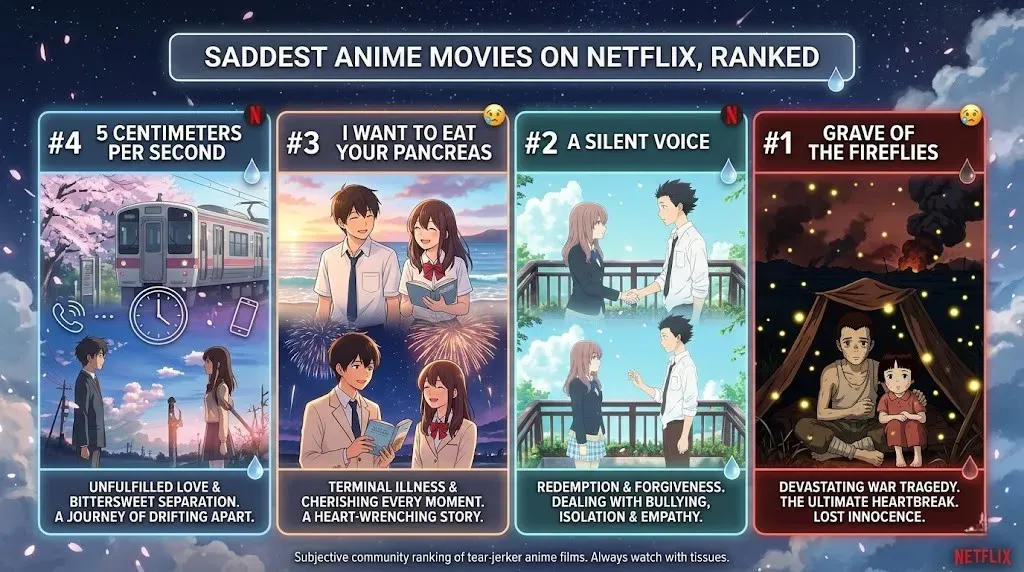
5. Grave of the Fireflies (1988)

While heartbreaking, this Isao Takahata masterpiece is an essential piece of world cinema. It depicts the struggle of two siblings during the final months of WWII. It serves as a powerful reminder of the human cost of war and the versatility of the animation medium.
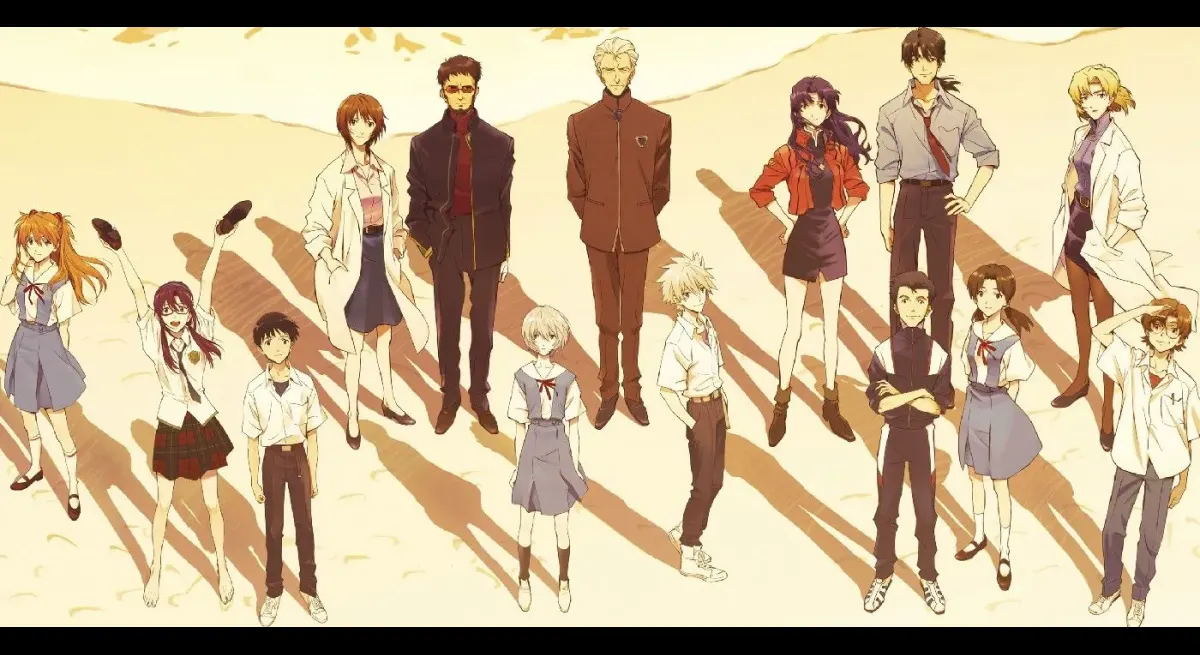
6. Neon Genesis Evangelion: The End of Evangelion (1997)

Serving as an alternative ending to the famous TV series, this film is a surreal, apocalyptic journey into the human psyche. It is visually stunning and narratively dense, cementing its place as one of the most discussed iconic retro anime films in history.
7. Ninja Scroll (1993)
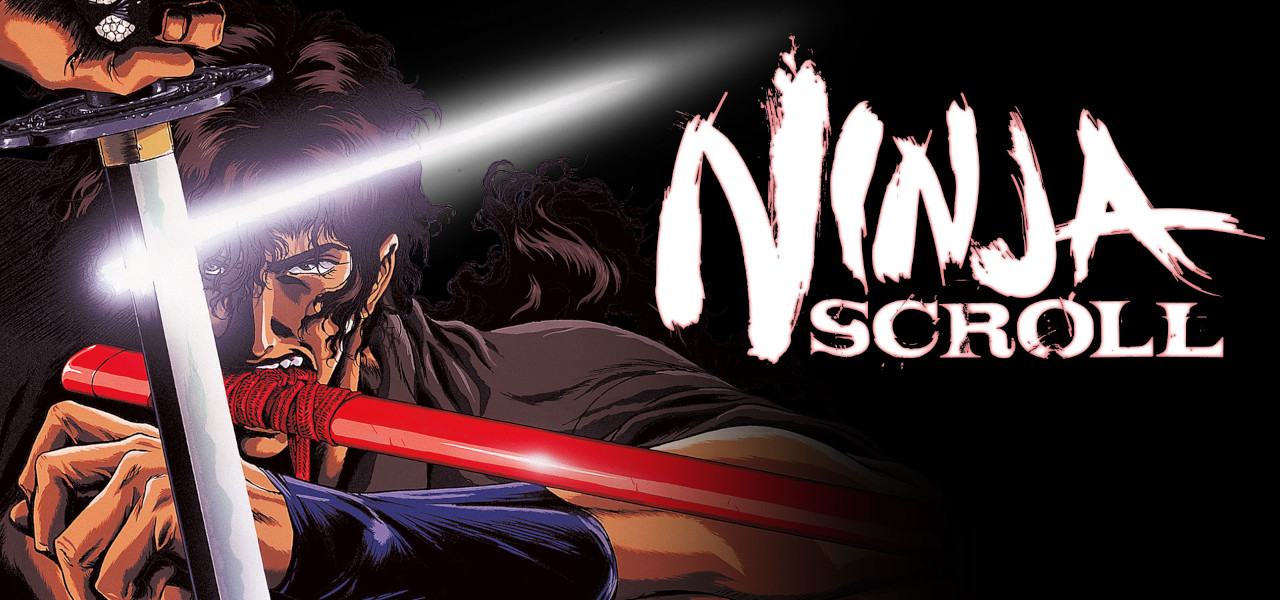
For fans of high-octane action, Ninja Scroll is the gold standard. It features incredibly creative character designs and fluid, bloody combat. It was instrumental in popularizing anime in the West during the 90s through its gritty, uncompromising style.
8. My Neighbor Totoro (1988)
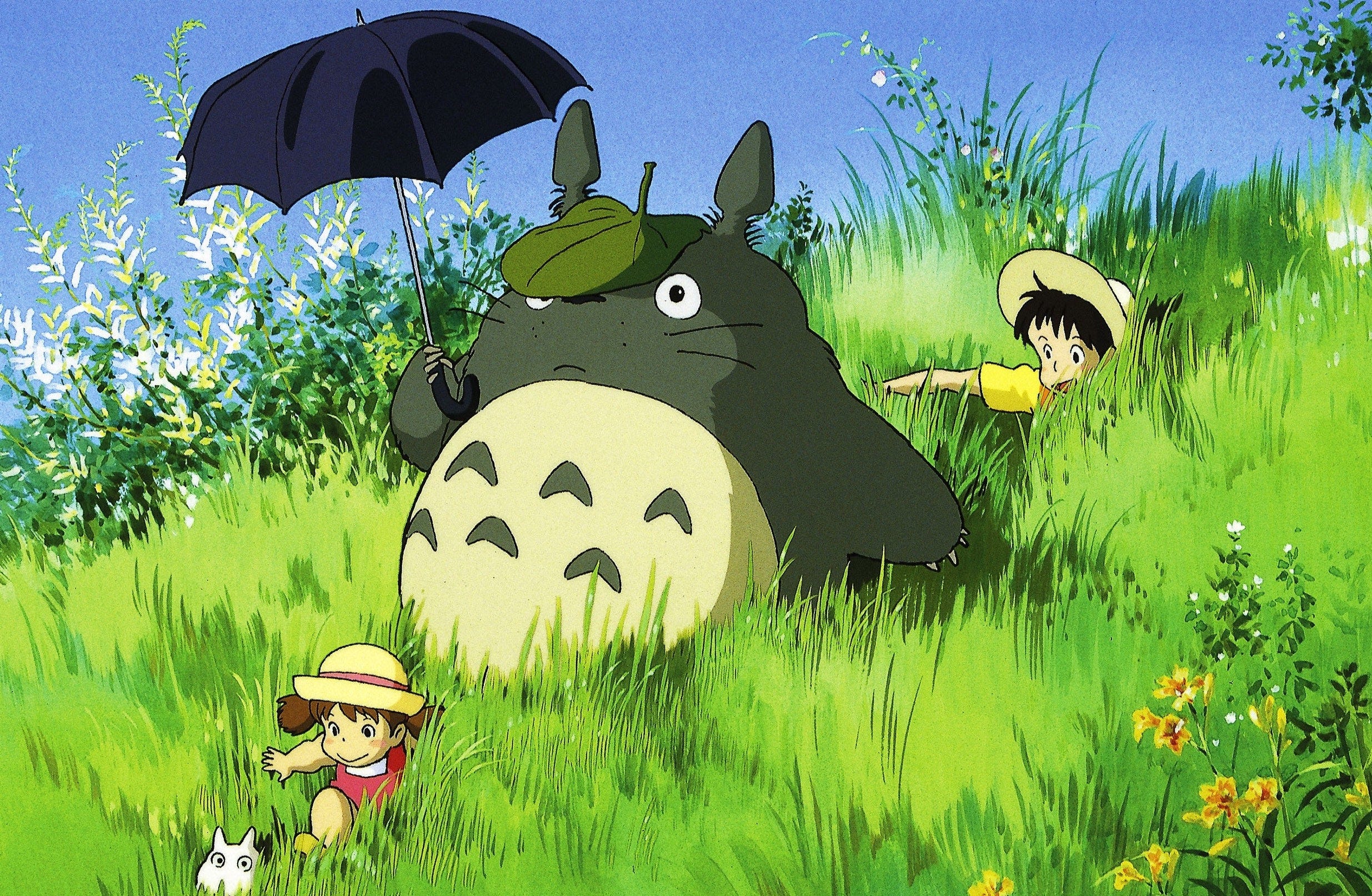
On the opposite end of the spectrum, Totoro is a celebration of childhood wonder and nature. Its gentle pacing and iconic creature designs have made it a timeless classic that continues to charm new generations of viewers even in 2026.
9. Patlabor 2: The Movie (1993)

Mamoru Oshii directed this political thriller that uses giant robots (Labors) as a backdrop for a deep meditation on peace, war, and the state of modern Japan. It is perhaps the most sophisticated "mecha" film ever produced.
10. Vampire Hunter D: Bloodlust (2000)

While released at the turn of the millennium, its production and aesthetic are the culmination of 90s Gothic sensibilities. Wielding breathtaking art and a dark romantic atmosphere, it represents the final peak of high-budget cel-shaded stylings.
Impact of Cyberpunk and Sci-Fi Themes in Classic Films
The 80s 90s anime movies were obsessed with the future, specifically one where technology had outpaced human morality. The "Cyberpunk" subgenre flourished here because it reflected Japan's rapid technological growth and the anxieties that came with it. Films like Akira and Ghost in the Shell asked what it meant to have a soul in a digital world.
These themes weren't just background noise; they drove the narrative. The concept of "High Tech, Low Life" became a visual and philosophical staple. This era of sci-fi influenced global pop culture, from fashion to video game design. You can explore more about the historical context of these themes on Wikipedia.
The Legacy of Studio Ghibli in the 80s and 90s
No discussion of classic 80s anime films is complete without mentioning Studio Ghibli. Founded in 1985, the studio became a lighthouse for quality and artistic integrity. While other studios focused on grit and violence, Ghibli specialized in "Ma"—the quiet moments of stillness that allow a story to breathe.
The legacy of Ghibli from this era is one of universal appeal. Movies like Kiki's Delivery Service and Porco Rosso showed that anime could be whimsical yet deeply emotional. Their commitment to hand-drawn perfection set a standard that still influences creators at Crunchyroll and other major streaming platforms today.
Where to Stream Classic 80s and 90s Anime Movies Today
In 2026, accessing these 80s 90s anime movies is easier than ever. Major streaming services have recognized the value of these libraries. For Ghibli films, HBO Max (or its successor) remains the primary home in many regions. For more niche or action-oriented titles like Ninja Scroll or Akira, Crunchyroll and Hulu offer extensive retro catalogs.
If you are looking for high-definition restorations, many of these titles have been painstakingly remastered in 4K. Physical media collectors still prize Blu-ray releases from companies like Discotek Media, which specialize in preserving the grain and color accuracy of these best vintage anime movies.
Conclusion: The Lasting Influence of 80s and 90s Anime Movies
The 80s 90s anime movies represent a period of unbridled imagination and craftsmanship. They bridged the gap between East and West, showing that animation is a medium for all ages and all types of stories. The lessons in cinematography, world-building, and character development from this era continue to be the foundation for modern hits.
Whether it is the haunting philosophical questions of the 90s or the bold, experimental energy of the 80s, these films are more than just historical artifacts—they are living masterpieces. By revisiting these 10 best 80s & 90s anime movies, fans can appreciate the roots of the medium and the timeless artistry that defined a golden generation.



format(webp))











// Comments