

Introduction to Singing Anime Characters
Music has the unique ability to transcend language barriers, and in the world of Japanese animation, it serves as a heartbeat for some of the most emotional and high-stakes narratives ever produced. Singing anime characters are more than just entertainment; they are the vessels through which creators express character growth, grief, joy, and determination.
From the neon-lit stages of futuristic idol competitions to quiet, soulful performances in a high school music room, these vocalists have left an indelible mark on fans globally. As we move into 2026, the appreciation for musical storytelling in anime has only grown, with digital streaming and virtual concerts bringing these fictional voices to life in unprecedented ways.
In this guide, we dive into the world of talented anime musicians and rank the absolute best vocalists based on their vocal prowess, narrative impact, and cultural legacy. Whether they are professional idols or hidden talents, these characters have defined the sound of modern anime.
 Also Read10 Best BL and Gay Anime on Crunchyroll, Ranked
The Role of Music and Performance in Anime
Performance in anime isn't just about the music; it’s about the "sakuga"—the fluid, high-quality animation that captures every finger movement on a fretboard or the subtle sway of a singer under a spotlight. These moments often serve as the emotional climax of an arc, where words alone are no longer sufficient to carry the story's weight.
Historically, anime used music primarily for opening and ending themes, but the rise of the "idol" and "band" genres transformed singing anime characters into central protagonists. Series like Love Live! and Beck proved that the journey of a musician is just as compelling as that of a shonen hero. You can explore the technical evolution of music production in media on Wikipedia.
Today, music serves several structural roles in anime:
- World Building: Establishing the cultural atmosphere of a setting, such as the futuristic pop of Macross.
- Characterization: Revealing a character's internal thoughts through the lyrics they write or perform.
- Emotional Anchor: Providing a recurring theme that connects the audience to specific memories or feelings throughout a series.
Criteria for Ranking the Best Anime Singers
How do we determine who stands at the top of the musical hierarchy? Ranking the best anime singers requires looking beyond just a catchy melody. We evaluate these characters based on a blend of technical skill and the emotional resonance of their top anime singing performances.
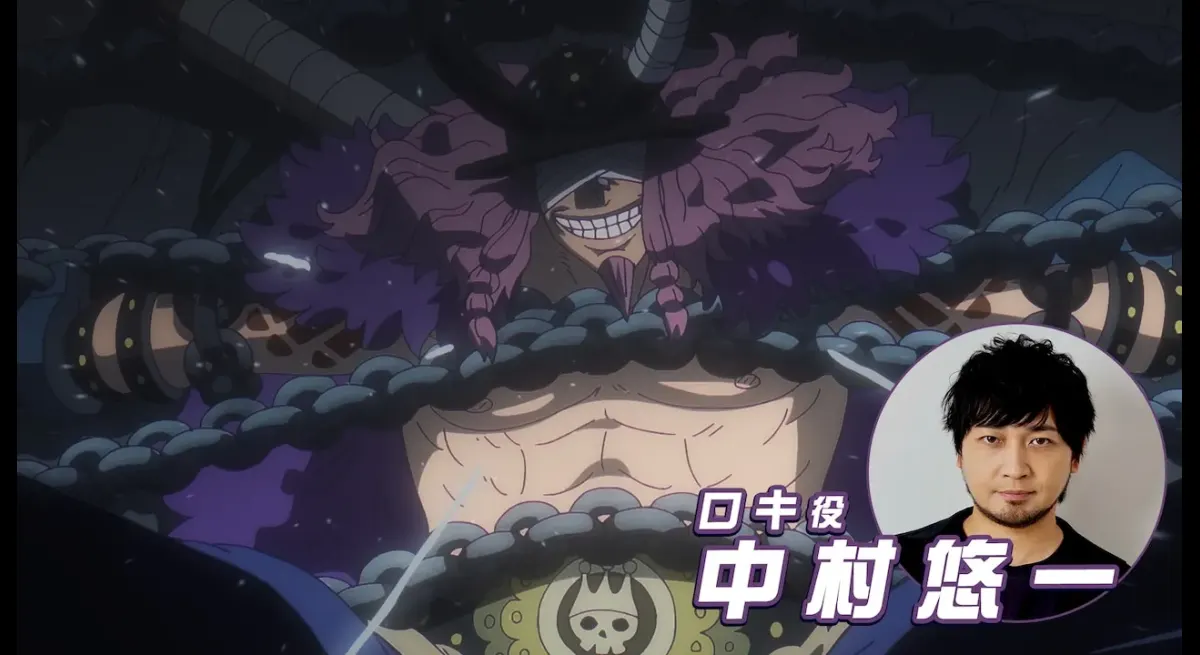 Also ReadYuichi Nakamura as Loki in "ONE PIECE": Elbaf Edition OP by Aina The End
Our ranking criteria include:
- Vocal Range and Quality: The actual technical performance of the voice actor (Seiyuu) and how well it matches the character’s persona.
- Narrative Impact: How much the character's singing influences the plot or the development of those around them.
- Iconic Status: The longevity of their songs and how recognizable they remain within the anime community.
- Versatility: The ability to perform across different genres, from rock and metal to soft ballads.
Top 10 Best Singing Anime Characters, Ranked
1. Sheryl Nome (Macross Frontier)

Known as the "Galactic Fairy," Sheryl Nome is the gold standard for iconic anime vocalists. Her voice is a symbol of hope and power, capable of swaying the tide of interstellar wars. With a blend of confidence and vulnerability, her performances are theatrical masterpieces that define the Macross legacy.
2. Brook (One Piece)
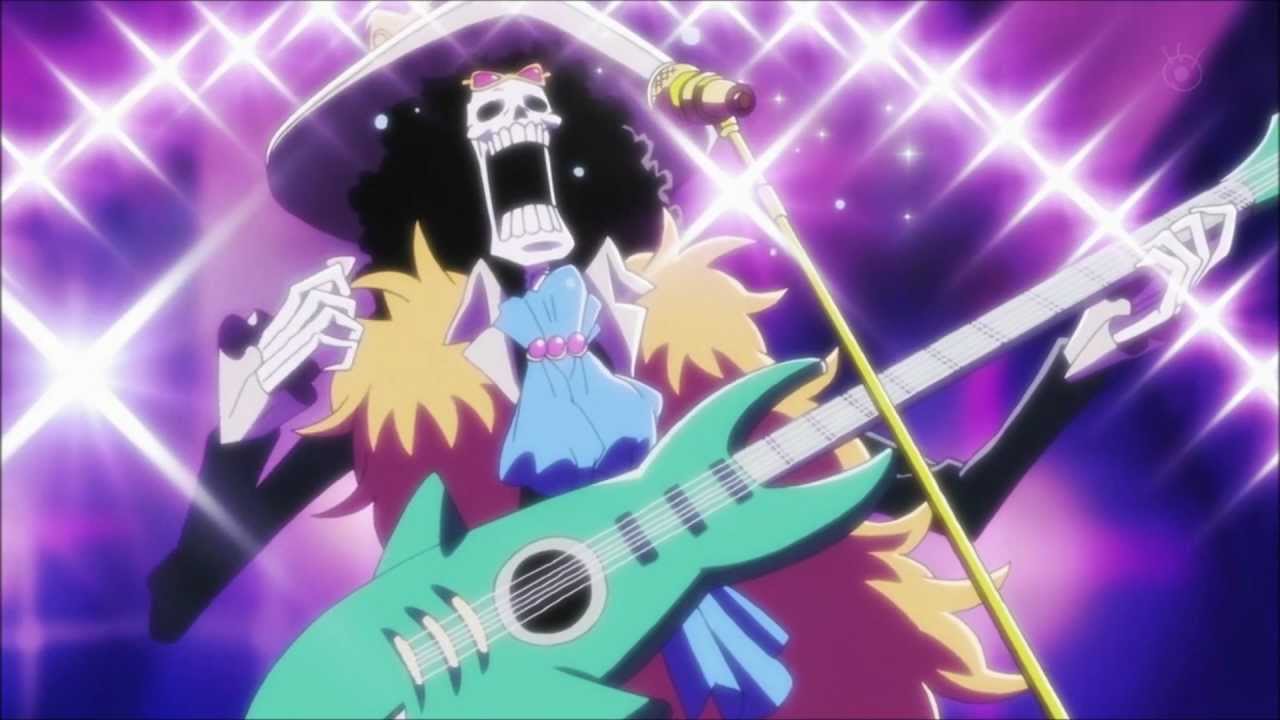
The "Soul King" of the Straw Hat Pirates brings a unique flavor to the list. Brook’s singing is literally his soul manifested. His rendition of "Bink’s Sake" is one of the most emotional pieces of music in history, representing the bond of camaraderie and the pain of loss.
3. Yukino "Koyuki" Tanaka (Beck: Mongolian Chop Squad)

Koyuki represents the raw, unfiltered talent of a rising rock star. His voice is described as a once-in-a-generation gift that can silence a rowdy room. His journey from a shy kid to a confident frontman makes him one of the most relatable talented anime musicians.
4. Inori Yuzuriha (Guilty Crown)

As the lead singer of the fictional band Egoist, Inori’s voice is ethereal and haunting. Her music serves as a bridge between the physical world and the digital void, providing a melancholic soundtrack to a world on the brink of collapse.
5. Mafuyu Sato (Given)

Mafuyu’s first performance is legendary for its raw emotional power. Having struggled to express his grief through words, his sudden, visceral scream-singing during his band’s first live show remains one of the most impactful musical moments in modern anime.
6. Mio Akiyama (K-On\!)

While she is a bassist first, Mio’s occasional lead vocals provide the "cool" balance to After School Tea Time’s sugary pop. Her deep, stable voice and stage fright-induced charm have made her a fan-favorite among musical anime idols.
7. Nana Osaki (Nana)

Nana Osaki is the epitome of the punk-rock aesthetic. Her singing is a weapon—sharp, aggressive, and fiercely independent. She doesn't just sing songs; she tells the story of her struggle for autonomy in a harsh industry.
8. Mitsuha Miyamizu (Your Name)

Though she isn't a professional singer, Mitsuha's (and Taki's) connection to the music of RADWIMPS is inseparable from her character. Her "performance" is the heartbeat of the film, proving that characters who love singing can anchor a global phenomenon.
9. Carole & Tuesday (Carole & Tuesday)

While they are a duo, their harmonized voices represent a return to "human" music in a world dominated by AI. Their simple, acoustic-driven melodies highlight the purity of the human spirit and the universal language of song.
10. Mariya Kawasumi (Beck)
format(webp))
Mariya's voice is the catalyst for many of the series' turning points. As a character who sings from the heart, her presence reminds the audience that music is often a personal sanctuary before it is a public performance.
Iconic Idols and Professional Performers
Professional idols occupy a massive space in the musical anime subgenre. Characters like Sheryl Nome or the girls from Love Live! are trained for the spotlight, and their narratives often focus on the grueling reality of the entertainment industry. For these characters, singing is a profession, a duty, and a dream combined into one.
The "Idol" archetype has evolved from simple pop singers to complex characters who deal with corporate pressure, fan expectations, and the loss of privacy. Their performances are often the most visually stunning in anime, utilizing complex choreography and 3D modeling to simulate a real-world concert experience. You can find more about the history of idol culture in media at Crunchyroll.
Hidden Talents: Characters Who Sing from the Heart
Some of the best singing anime characters are those who never intended to be on a stage. These "hidden talents" often use music as a coping mechanism or a way to connect with others when social interaction fails them. Mafuyu from Given is the perfect example; his talent is discovered by accident, but his need to sing is born out of an internal necessity.
These performances often feel more intimate and raw than the polished shows of professional idols. When a character who has been silent for episodes finally opens their mouth to sing, the impact is magnified. It is a moment of total honesty that strips away the character's defenses, allowing the audience to see their true self.
Impact of Musical Themes on Character Development
Music is a powerful tool for character growth. In series like Hibike! Euphonium or Your Lie in April, the ability to perform is directly tied to the character's emotional maturity. A character might find their "voice" literally and figuratively as they overcome personal trauma or learn the value of teamwork within a band.
The lyrics of the songs performed by these characters often mirror their internal journey. By analyzing the shift in tone from a character's first song to their last, viewers can track their development. Music provides a non-linear way to explore complex themes like legacy, regret, and the pursuit of excellence.
Most Memorable Musical Moments in Anime History
Certain performances have become legendary, transcending their original series to become cultural touchstones. These moments are defined by a perfect synchronization of animation, voice acting, and musical composition. They are the scenes that fans revisit years after the show has ended.
- "God Knows" (The Melancholy of Haruhi Suzumiya): A technical marvel that set the bar for band performances in anime.
- "Lost My Pieces" (Toradora\!): A heart-wrenching moment where the music carries the weight of a realization that changes everything.
- "Bink's Sake" (One Piece): A hauntingly beautiful song that connects the past, present, and future of the pirate world.
- "Fuyu no Hanashi" (Given): The emotional release of a character finally letting go of a painful past through song.
Conclusion: The Lasting Appeal of Anime’s Greatest Voices
The world of singing anime characters is a rich tapestry of genres, emotions, and technical brilliance. Whether they are professional performers or individuals finding their voice in a crowded world, these vocalists remind us why we fall in love with anime in the first place. They provide the soundtrack to our favorite stories and the emotional resonance that lingers long after the final episode.
As we look toward the future of the medium in 2026, the integration of music and story will only become more sophisticated. However, the core appeal remains the same: the power of a human (or human-voiced) spirit reaching out through song to say something that words cannot. These ten characters represent the very best of that tradition, and their voices will continue to echo through the halls of anime history.














// Comments