Introduction to the Heian Era
In the expansive lore of Jujutsu Kaisen, no time period carries as much weight or mystery as the Heian Era. Spanning from 794 to 1185, this historical period is known within the series as the absolute peak of sorcery. Often discussed with a mix of reverence and terror, the Heian Era JJK fans recognize is a far cry from the refined courtly life depicted in history books. Instead, it was a brutal, dog-eat-dog world where the line between humanity and curses was paper-thin. It was a time when sorcerers were not just hidden protectors but central figures in a society dominated by supernatural conflict and raw power.
 Also ReadSukuna's World-Cutting Slash Explained
The Golden Age of Jujutsu and Cursed Energy
The Heian Era is officially designated as the Golden Age of Jujutsu. During this time, the understanding and application of cursed energy reached heights that modern sorcerers struggle to comprehend. The refinement of techniques, the proliferation of lethal Domain Expansions, and the creation of powerful cursed tools were at their zenith. Several factors contributed to this peak:
- Survival of the Fittest: The sheer density of powerful cursed spirits meant that only the most talented and ruthless sorcerers survived, leading to a natural selection of elite bloodlines.
- Experimental Sorcery: Without the rigid structures of the modern Jujutsu High schools, ancient sorcerers explored the darker, more visceral aspects of cursed energy.
- Binding Vows: The mastery of complex binding vows allowed practitioners to push their innate techniques beyond their natural limits, often at a great personal cost.
In this era, jujutsu was not just a tool for exorcism; it was the ultimate currency of power, determining the rise and fall of entire clans and political factions.
Ryomen Sukuna: The History of the King of Curses
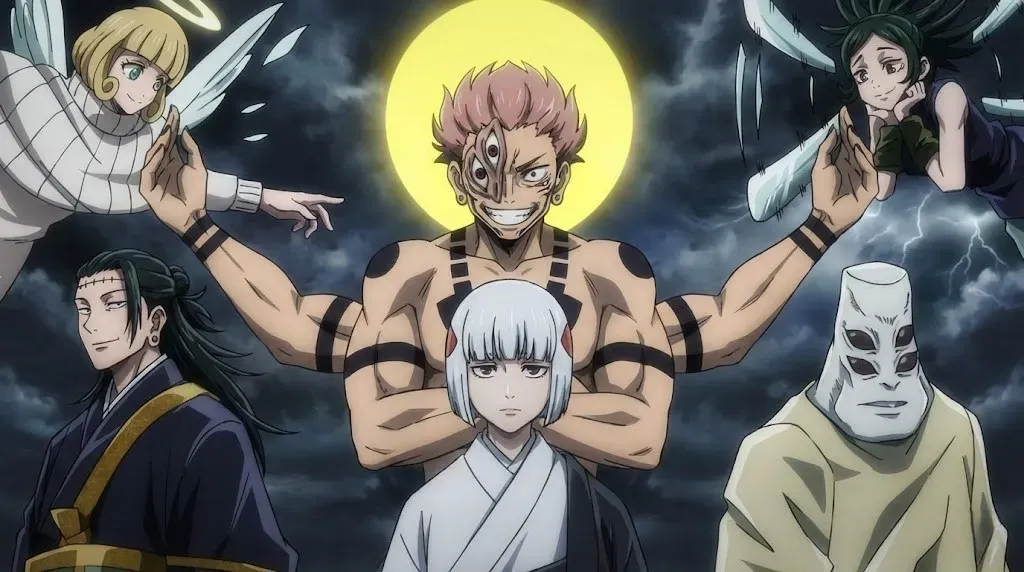
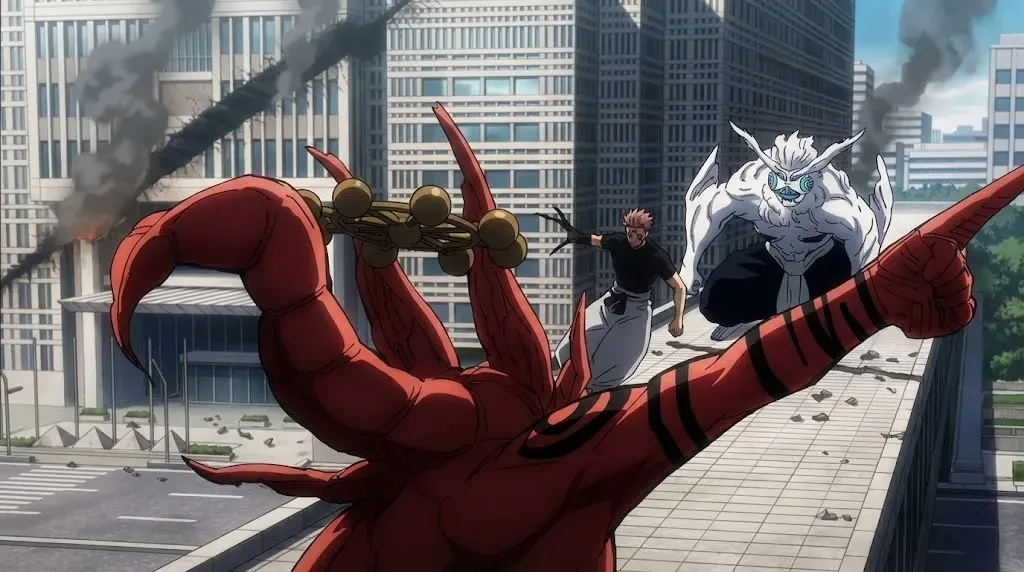
At the very center of the Golden Age of Jujutsu stood a singular, terrifying figure: Ryomen Sukuna. While modern fans know him as a sentient curse residing within Yuji Itadori, Sukuna history begins as a human sorcerer. He was a natural disaster in human form, described as having four arms and two faces. Sukuna did not belong to any specific clan; he was a solitary force of nature who defeated every challenger that dared to cross his path.
The King of Curses earned his title through unparalleled brutality. He refined his "Shrine" technique to a level where he could dismantle entire armies of sorcerers in seconds. His mastery was so complete that he could utilize the Reverse Cursed Technique with ease and manifest a "Divine" Domain Expansion that didn't require a barrier—a feat considered impossible by modern standards. After his death, his power was so immense that it could not be fully destroyed, leading to his remains being preserved in twenty indestructible fingers, waiting for an age that could once again sustain his presence.
 Also ReadThe Mahoraga Ritual Rules Explained
Powerful Ancient Sorcerers of the Heian Era
While Sukuna was the undisputed apex, he was far from the only formidable practitioner. The Heian Era was home to a variety of ancient sorcerers whose techniques remain legendary. Figures like Angel, who possessed the ability to nullify any cursed technique, represented the specialized counters developed during this period. The Fujiwara clan and other noble families employed elite squads like the Sun, Moon, and Stars squad to maintain their dominance.
Many of these ancient sorcerers were so dedicated to their craft that they sought ways to transcend time itself. Through the machinations of Kenjaku, several of these warriors entered into binding vows to be reincarnated in the modern era. Characters like Yorozu and Uraume provide a window into the mindset of Heian-era combatants—valuing strength, directness, and a profound understanding of the "core" of cursed energy that modern sorcerers often lack.
Legacy and Influence on Modern Jujutsu Kaisen
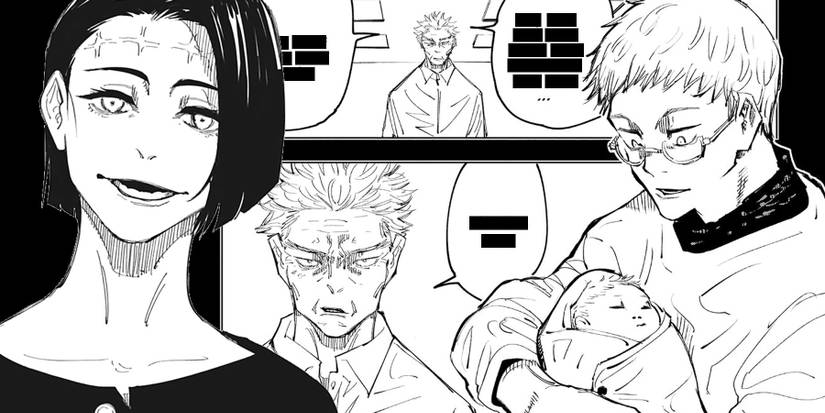
The legacy of the Heian Era continues to dictate the events of the modern JJK narrative. The power ceiling of the series is constantly measured against the standards set a thousand years ago. The "Three Great Onryo of Japan," including the ancestor of Satoru Gojo and Yuta Okkotsu, all have roots in this period. Furthermore, the modern jujutsu society's obsession with lineage and inherited techniques is a direct leftover from the clan-dominated politics of the Heian period.
The Culling Game arc serves as a literal bridge between the two eras, forcing modern students to face the unbridled aggression of reincarnated ancient sorcerers. This collision highlights a key theme in the series: while modern sorcery has become more "civilized" and structured, it has perhaps lost the raw, instinctive connection to the soul that made the Heian sorcerers so terrifyingly efficient.
Conclusion: The Lasting Impact of the Golden Age
The Heian Era remains the most significant chapter in the history of the jujutsu world. It was a time of both incredible discovery and unimaginable cruelty. By exploring the Golden Age of Jujutsu, fans gain a deeper appreciation for the mechanics of cursed energy and the terrifying weight of Sukuna’s history. As the series moves toward its climax, the shadows of the Heian Era loom larger than ever, proving that the past is never truly gone—it is merely waiting for the right vessel to return.














// Comments