Introduction
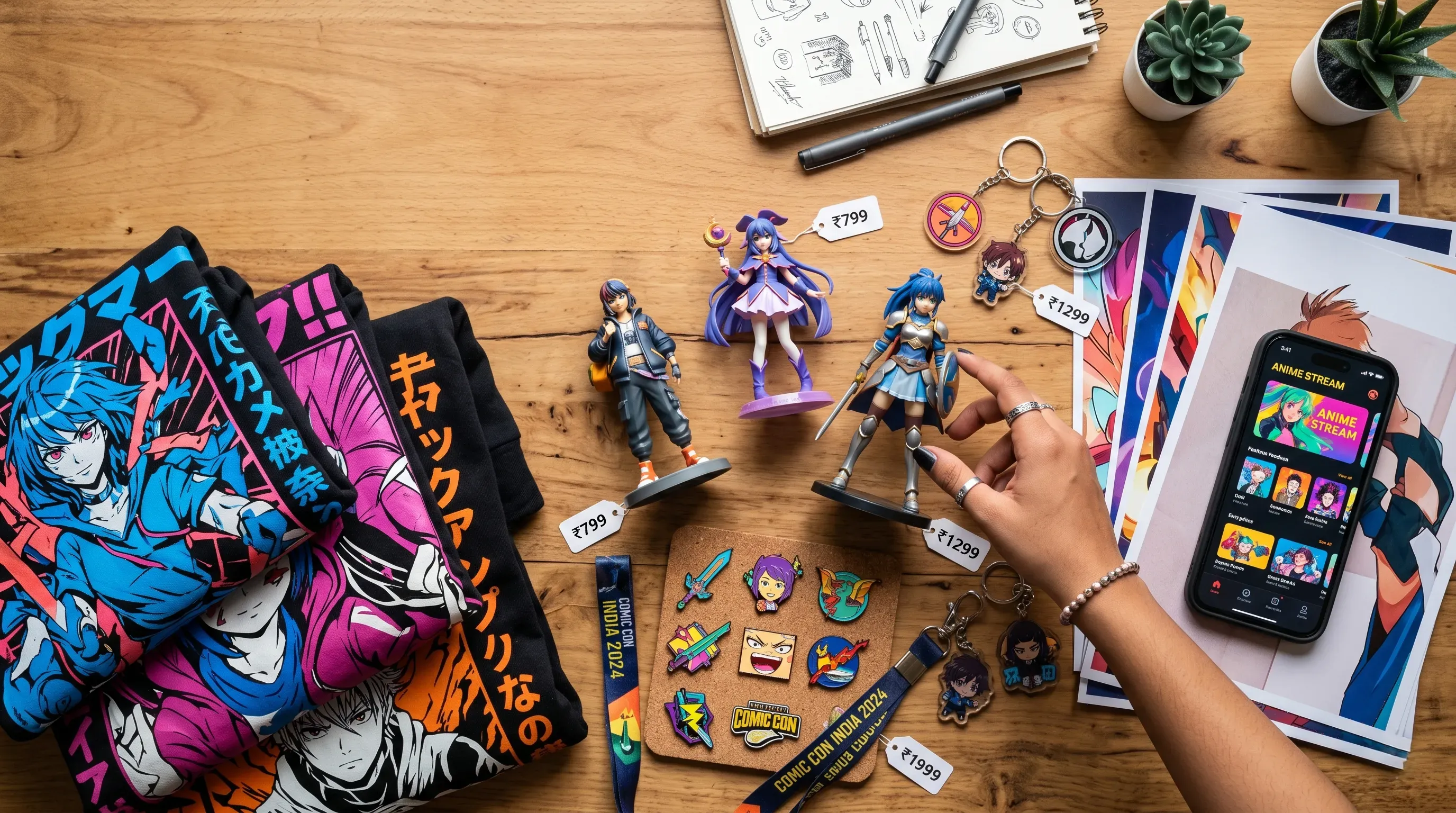
For years, anime in India lived in the margins — fansubbed downloads, late-night TV slots, and small online communities trading recommendations. That era is over. Japanese animation has gone fully mainstream, and the clearest proof isn't just viewership numbers; it's the wallet. Fans are no longer content to simply watch. They want to wear, collect, and display their fandom, and they are spending serious money to do it.
Two forces are converging at once. Globally, anime merchandise spending is exploding into a multi-billion-dollar economy. Locally, India has emerged as one of the fastest-growing anime markets on the planet. This article unpacks both stories — the data, the brands, and the cultural shift turning a once-niche hobby into a mainstream, identity-driven spending phenomenon.
 Also ReadBandai Namco Revives Gundam SEED MSV Line with Designer Kunio Okawara
The Global Anime Boom Setting the Stage
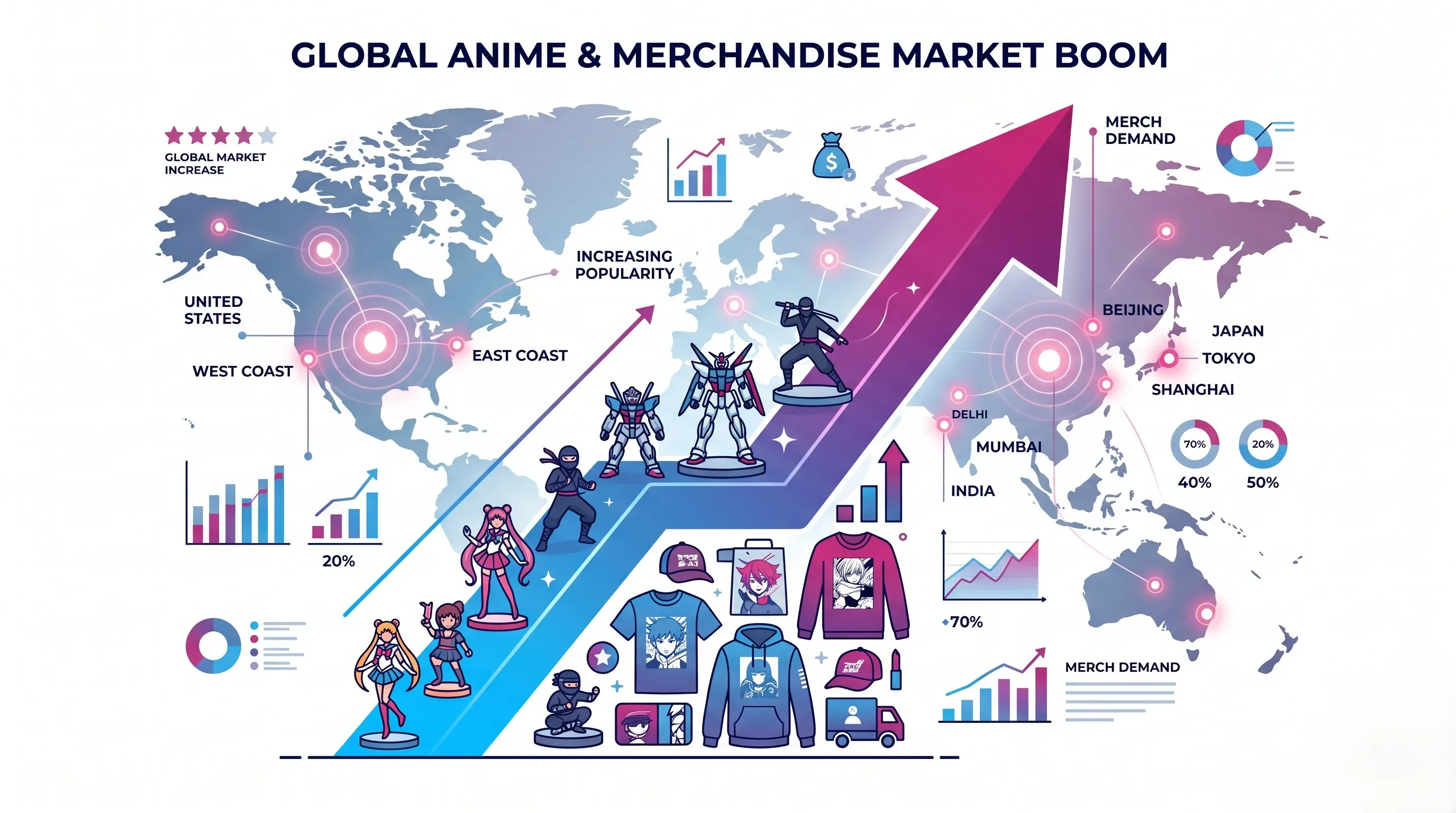
To understand why merch spending is surging, it helps to look at the engine behind it: anime itself. The global anime market was valued at roughly $37.69 billion in 2025 and is projected to reach $60.27 billion by 2030, growing at a compound annual rate of about 9.8%, according to a report highlighted by Grand View Research. That growth is no longer concentrated in Japan and the West — it's a genuinely global story powered by streaming.
Platforms such as Crunchyroll, Netflix, and Disney+ collapsed the geographical gaps that once kept anime niche, releasing titles worldwide on the same day and investing heavily in dubs and licensing. As more people watch, more people buy. The popularity of a series now correlates directly with demand for related products — and that's where merchandise comes in.
How Anime Became Mainstream in India
 Also ReadMy Hero Academia Unveils 10th Anniversary Track and 2027 Ultra Expo
India's transformation has been remarkably fast. The country recorded around 41% anime viewership penetration, with a growth rate exceeding 30% between 2020 and 2025, ranking third globally behind Japan and China, according to Outlook Respawn. The anime fanbase in the country has been estimated at a staggering 180 million people, as reported by Indian Retailer's Brand License — a number larger than the entire population of most countries.
Streaming and localization changed everything
The single biggest catalyst was language. When Crunchyroll rolled out regional dubs across most of its library, engagement among Indian audiences shifted dramatically. For breakout hits like Jujutsu Kaisen and Chainsaw Man, Hindi-dub viewership actually overtook the English versions in India, according to Outlook Respawn. Hindi, Tamil, and Telugu localization opened anime up far beyond metro English-speakers and into smaller towns.
Celebrity validation and convention culture
Mainstream acceptance arrived through pop culture's front door. In 2023, pan-India star Rashmika Mandanna partnered with Crunchyroll to champion anime across the country, as covered by Sportskeeda. Bollywood took notice too — Salman Khan wore anime-inspired outfit details at a high-profile event, a moment Indian Retailer framed as a signal of anime's mainstream embrace.
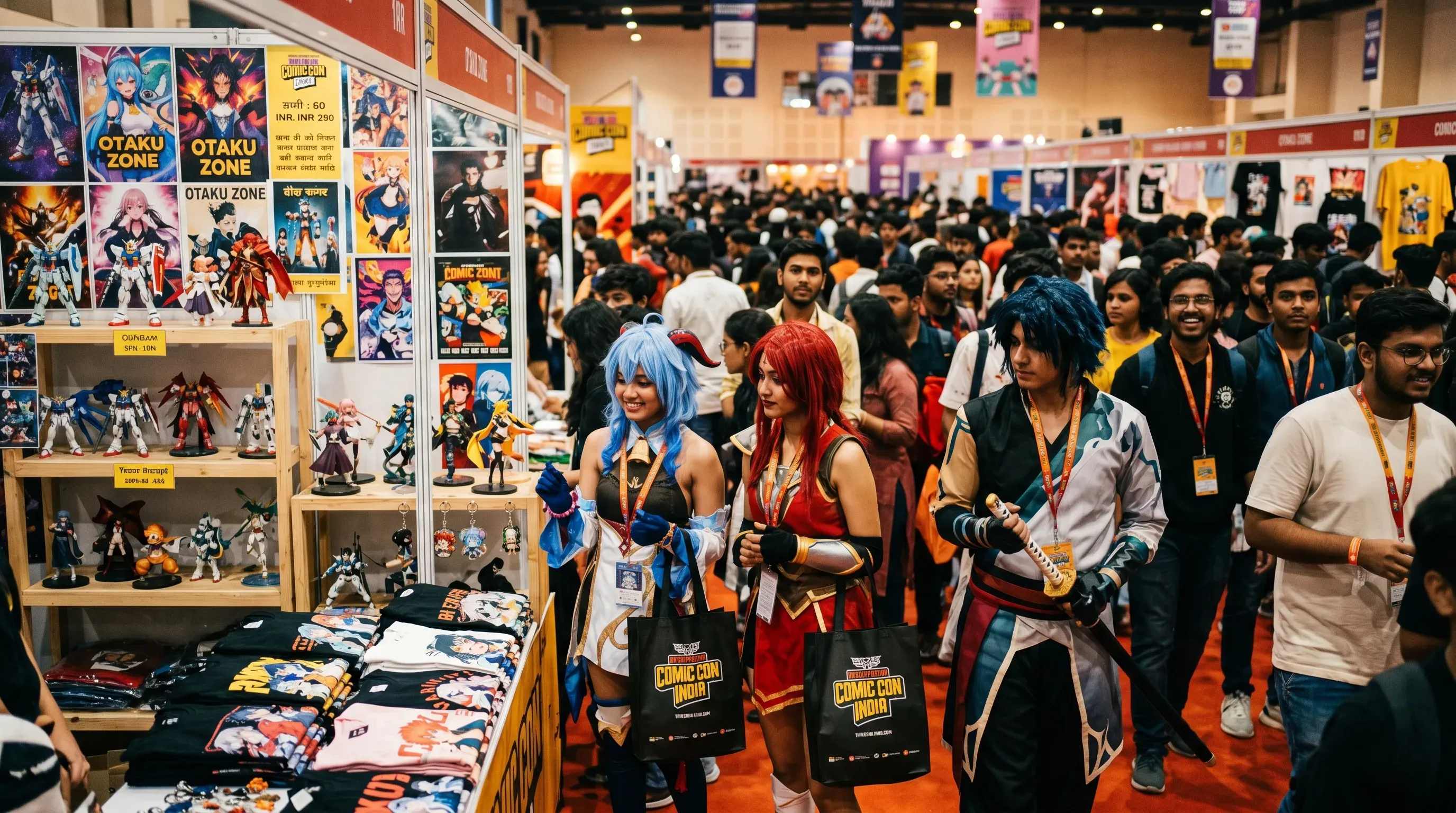
Offline, the fandom became physical. Events like Comic Con Hyderabad 2025 drew tens of thousands of cosplayers and collectors, per Outlook Respawn, giving fans real-world spaces to celebrate and — crucially — to spend.
The market data
The economics mirror the cultural momentum. According to IMARC Group, the India anime market was valued at over $1.2 billion in 2025 and is projected to reach $3.3 billion by 2034, growing at roughly 11.26% annually — comfortably faster than the global average. North India, anchored by the Delhi-NCR fan base, leads with around a 30% regional share.
Why Anime Merch Spending Is Exploding
If viewership is the foundation, merchandise is increasingly where the money lands. The global anime merchandising market alone was valued at around $11.19 billion in 2025 and is projected to reach $22.89 billion by 2033, growing at a compound annual rate of about 9.36%, according to a Research and Markets report published via GlobeNewswire. Fortune Business Insights tracks it even higher, valuing the segment near $12 billion in 2025 and forecasting more than $27 billion by 2034.
Figurines lead the way
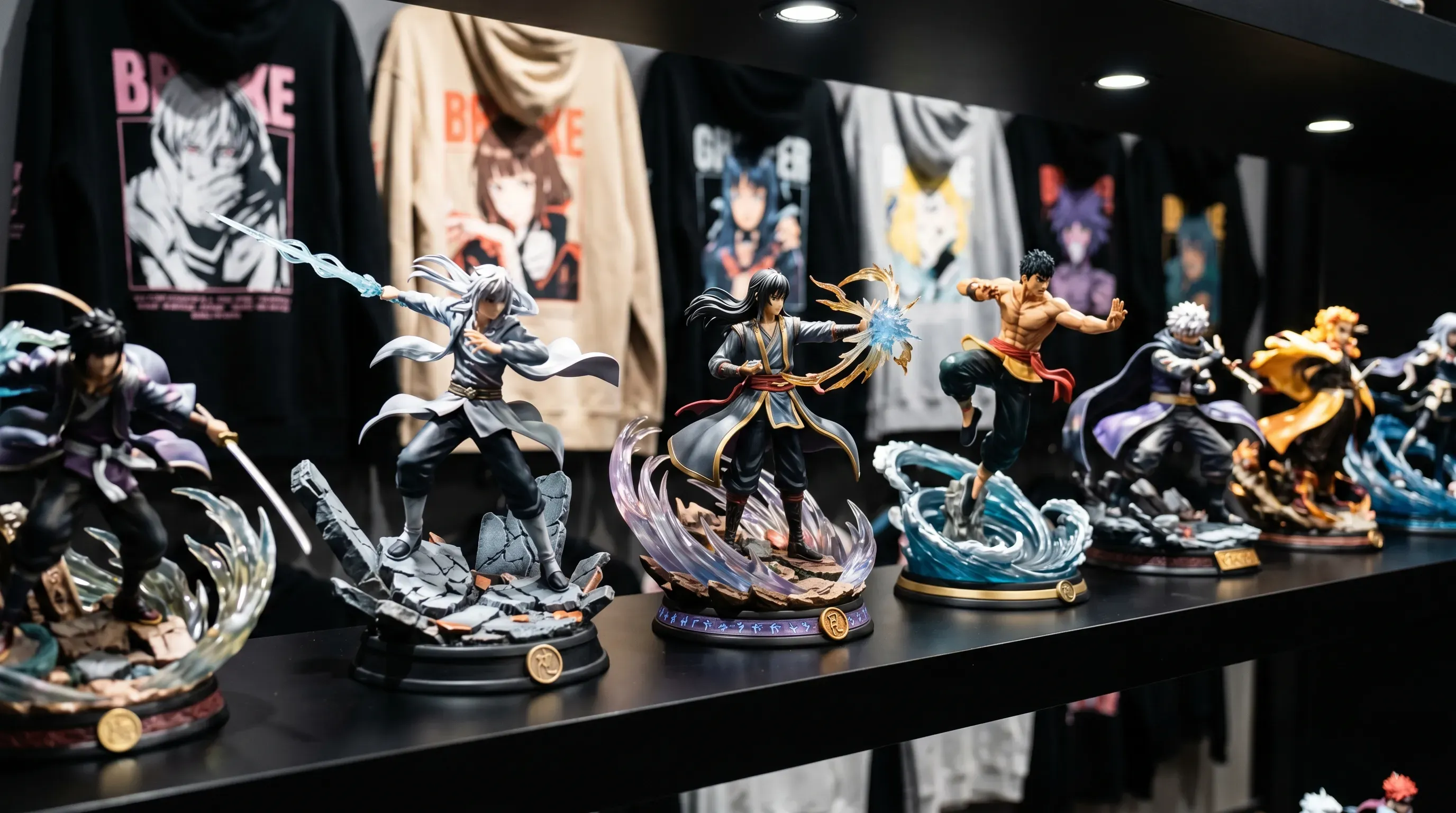
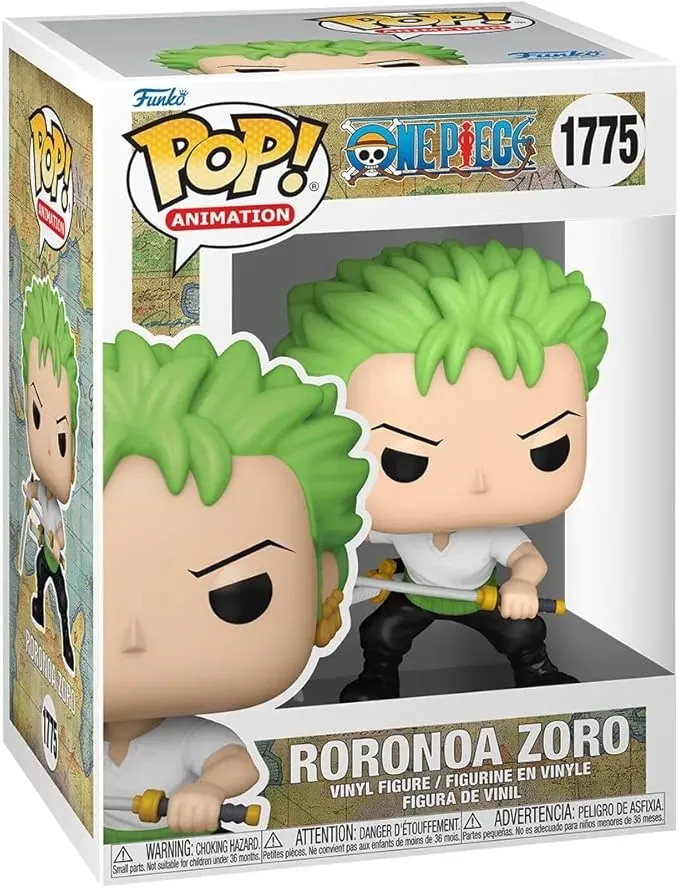
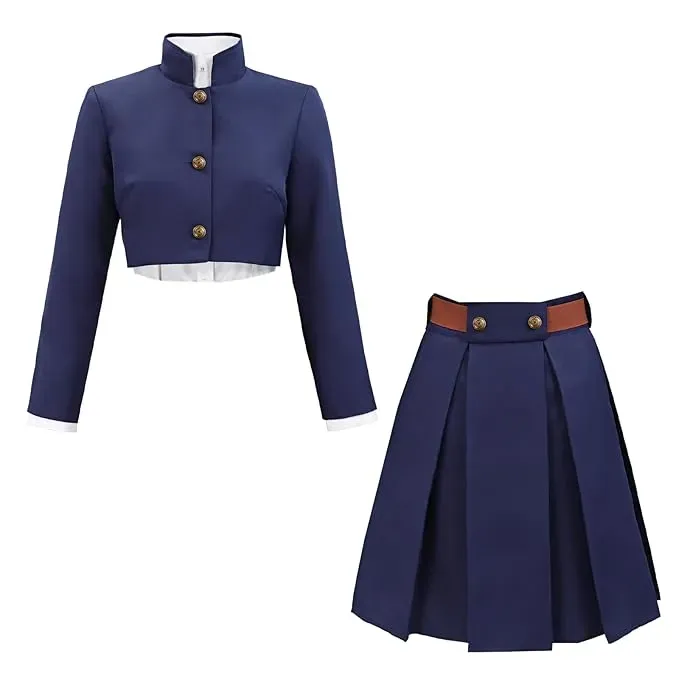
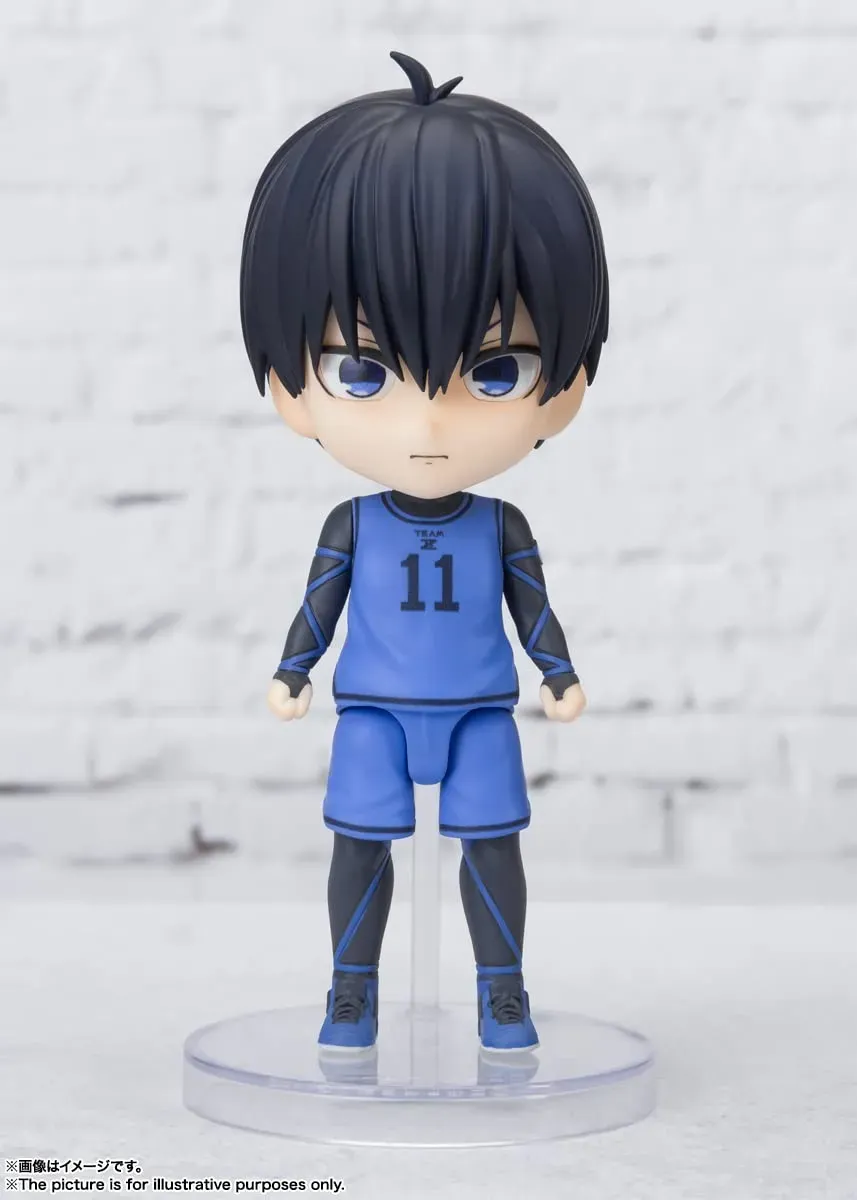
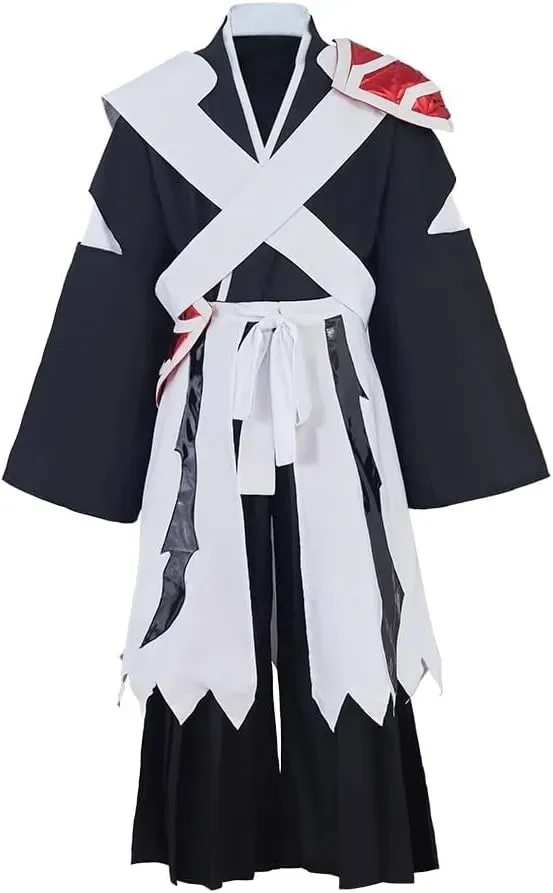
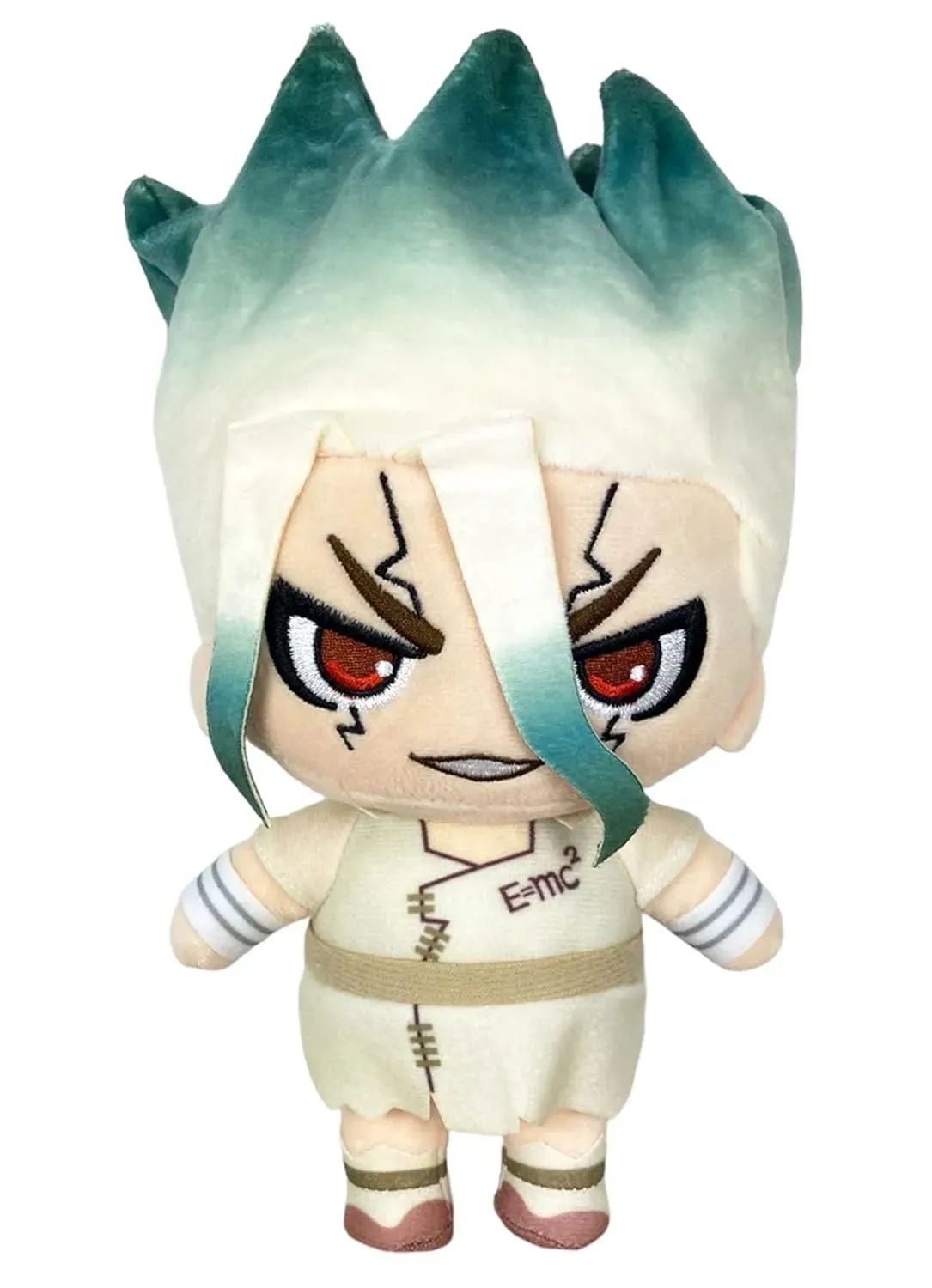
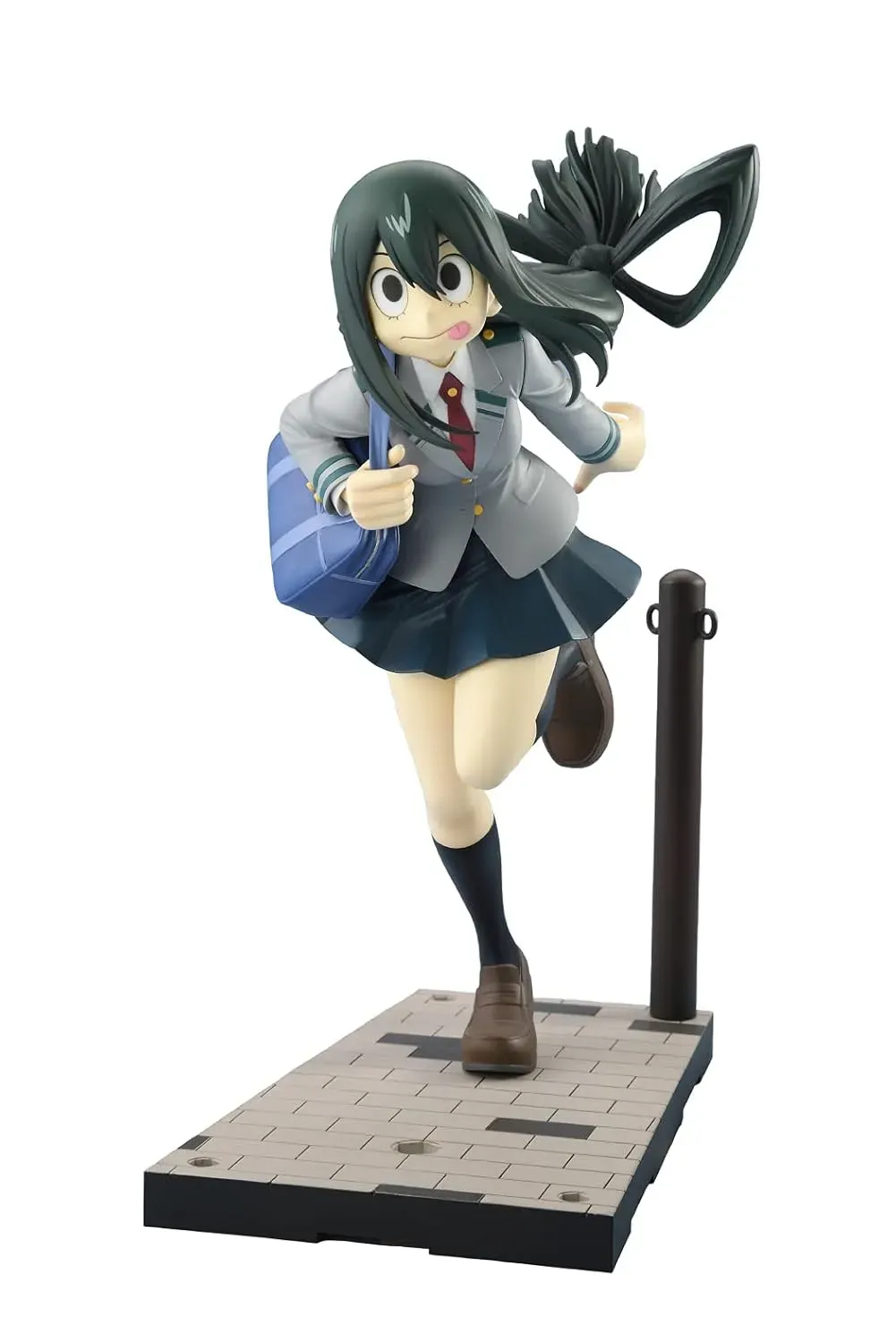
When it comes to what fans buy, collectible figurines dominate — the category accounted for the largest share at over 37% of merchandise sales in 2025, according to Grand View Research. Apparel, accessories, posters, and lifestyle goods round out a deep catalog that gives fans countless ways to spend.
Identity, not just merchandise
The deeper driver is psychological. Fans increasingly treat product ownership as self-expression — a way to signal allegiance to a franchise and to a community, as Grand View Research observes. This is especially true for Gen Z, who, as merchandise founders told Outlook Respawn, aren't just buying clothes — they're buying identity. The core motivation behind anime merch, in that view, is always identity, layered with utility and fashion.
The economics reward fandom
This identity-driven demand translates into hard commercial advantages. Outlook Respawn reports that merchandise now accounts for roughly 47% of The Souled Store's revenue, with a 160% repeat-purchase rate. Licensed anime products reportedly command higher prices — around ₹1,000 per SKU versus ₹850 for original designs — proving that fans willingly pay a premium for the franchises they love.
Inside India's Anime Merch Ecosystem
India's merch economy has matured from improvised fan goods into a structured retail category with homegrown champions and global entrants.
Homegrown brands lead
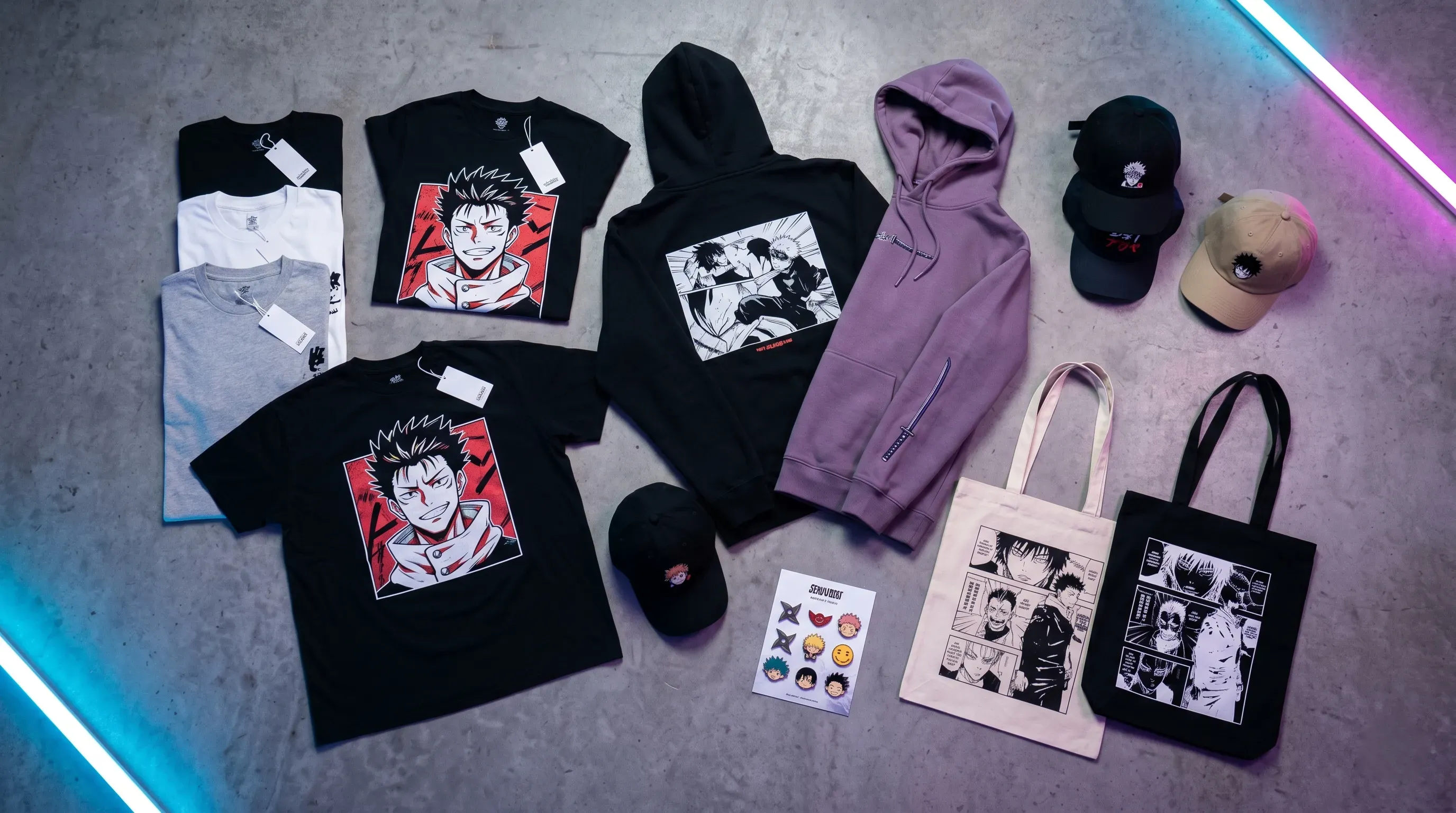
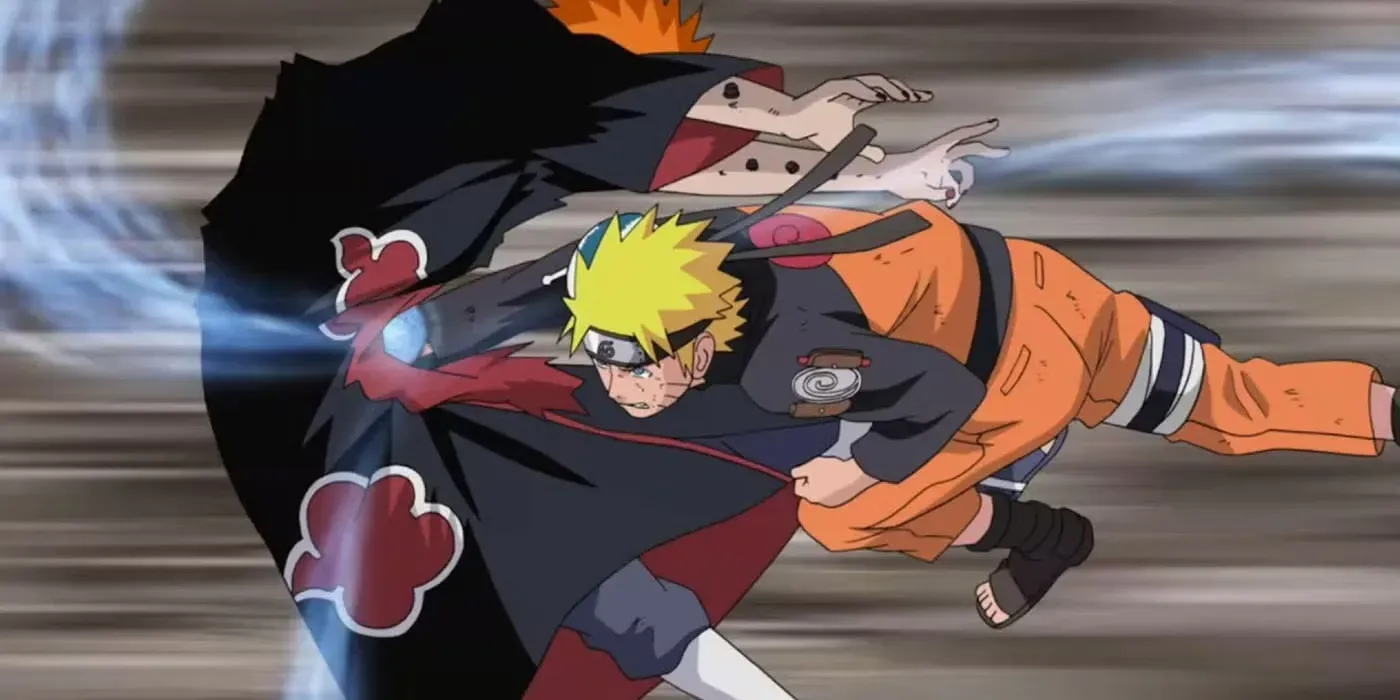
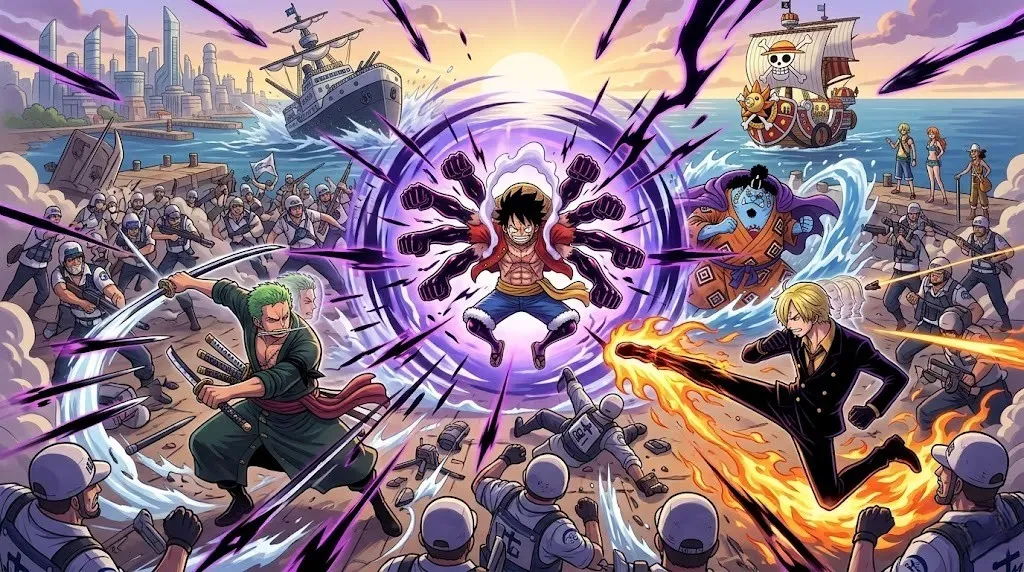
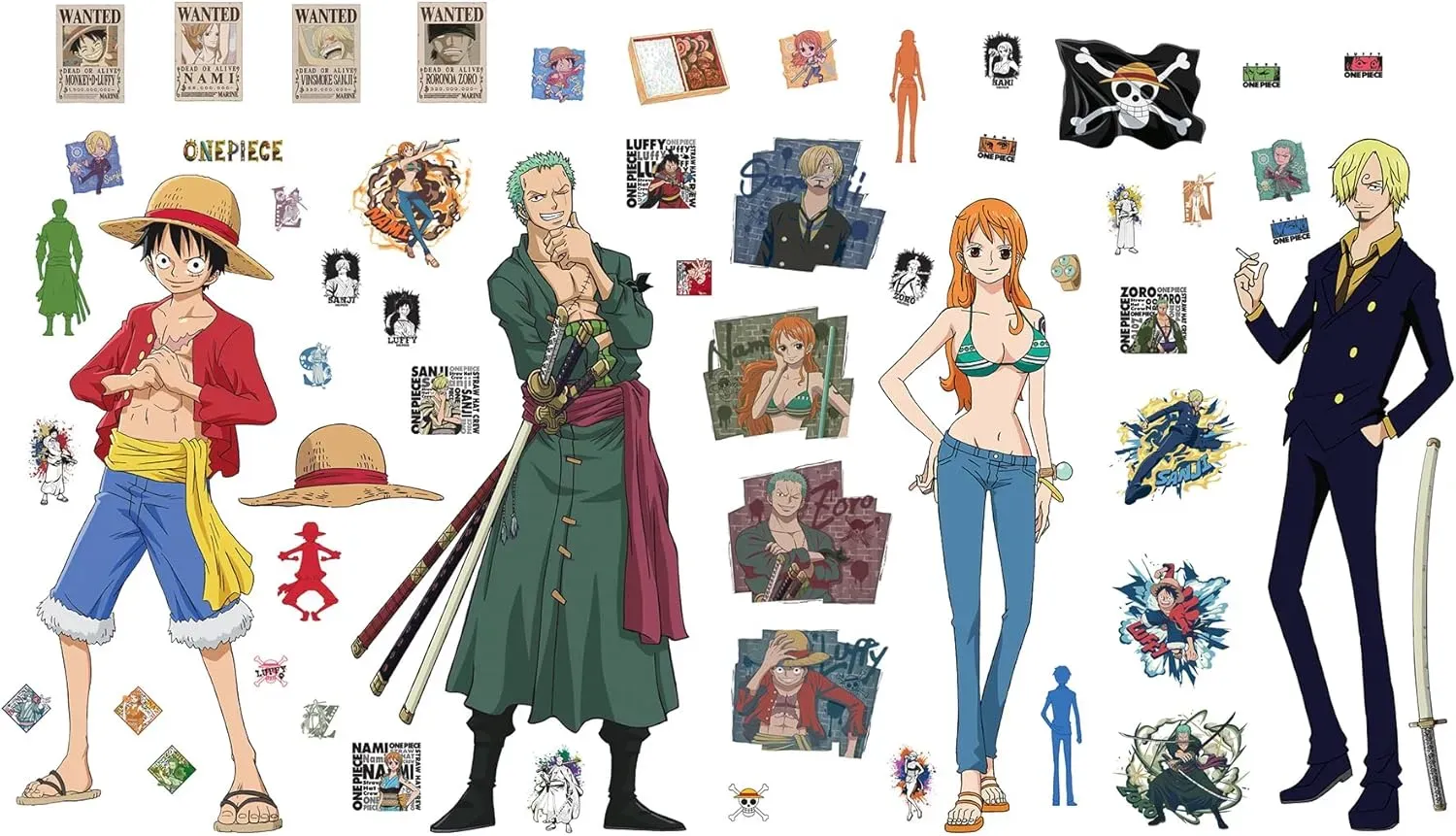
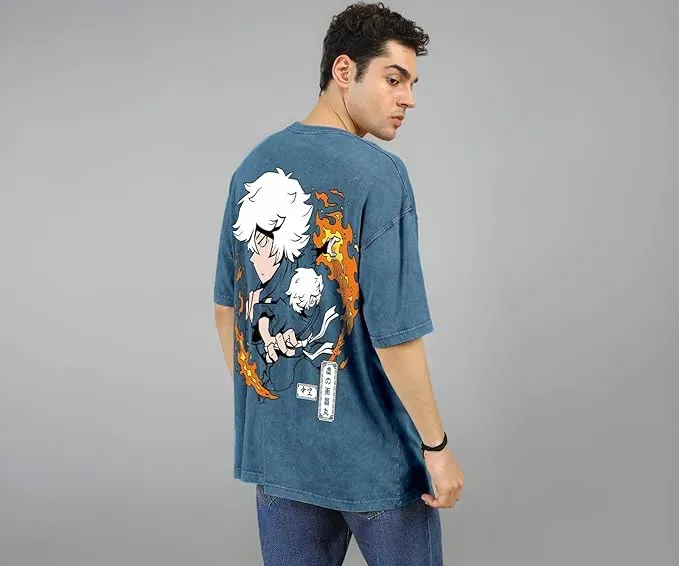
Domestic labels moved early and aggressively. Companies such as The Souled Store, Bewakoof, and specialist retailers like Comicsense and Anime Devta built sizable catalogs around blockbuster franchises including Naruto, One Piece, Attack on Titan, and Dragon Ball Z, as documented by Exchange4media. The Souled Store even pushed beyond apparel into fragrances, launching a Naruto-inspired perfume line, as reported by Anime News Network. Dedicated platforms now cater specifically to anime fans, offering everything from officially licensed goods to fan-made creations, per Outlook Respawn.
Global brands move in
International players recognized the opportunity. French menswear brand Celio launched a Naruto collaboration in India, while Uniqlo brought anime-themed collections to local shelves, as noted by Outlook Respawn. The trend now reaches the premium tier globally: brands ranging from Nike and LEGO to McDonald's and Gucci have woven anime into mainstream marketing, with Nike confirming an Air Max Plus x One Piece collection for 2026, according to Exchange4media and Outlook Respawn.
The Challenges Beneath the Boom
The growth story isn't frictionless. Piracy remains a persistent drag on licensed content monetization in India, undercutting the revenue that funds official merchandise. Globally, the merchandising market also contends with counterfeit goods and the risk of market saturation, as flagged in the GlobeNewswire analysis. For brands, the opportunity lies in out-competing knock-offs with quality, exclusivity, and authentic licensed designs that fans genuinely value.
The Road Ahead
Every signal points upward. Streaming localization will deepen, conventions will spread beyond the metros, and brand collaborations will keep dissolving the line between fandom and everyday fashion. With India's anime market on track to nearly triple by the mid-2030s and global merch spending set to roughly double by 2033, the trajectory is clear.
Anime has completed its journey in India — from imported curiosity to cultural cornerstone — and spending is following the screen. For studios, retailers, and global brands alike, the takeaway is simple: anime is no longer a niche bet. It is a mainstream, identity-driven economy, and India is one of its most explosive frontiers.







// Comments