Introduction to Top Fanservice Anime
In the vast and ever-evolving world of Japanese animation, few topics spark as much debate as "fan service." Often dismissed as a cheap narrative shortcut, the truth is that the best top fanservice anime use these elements to enhance the viewer's experience rather than detract from it. In 2026, the global audience has become more sophisticated, looking for series that offer more than just aesthetic appeal.
When executed correctly, fan service serves as a bridge between the creator’s vision and the audience’s desires. It isn't just about fleeting moments of visual stimulation; it is about celebrating character designs, leaning into genre tropes with a wink to the camera, and providing a sense of escapism that is uniquely anime. This guide dives into the series that have mastered this delicate art.
From high-octane battle shonen to psychological thrillers that use sensuality as a weapon, the spectrum of fan service is broad. We aren't just looking for shows that have "the most" content, but rather those that integrate it into their DNA in a way that feels intentional and rewarding. Let’s explore the titles that define the gold standard for modern animation enthusiasts.
 Also Read15 Best Shy Anime Girls & Waifus, Ranked
Defining Fan Service in Modern Animation
Historically, the term "fan service" referred specifically to brief shots of skin or suggestive poses intended to please the male gaze. However, modern definitions have expanded significantly. In today’s landscape, fan service encompasses anything specifically designed to delight the core audience—this includes "cool" moments for power fantasy fans, specific shipping fodder, and even high-budget animation sequences that serve no purpose other than looking beautiful.
Modern fan service is often self-aware. Creators understand that the audience is "in on the joke," leading to a more playful and less intrusive application of these tropes. Whether it is a beach episode that actually develops character relationships or a transformation sequence that showcases incredible artistic detail, the definition is no longer a monolith. It is a tool for engagement that, when used poorly, can feel like an AI saying, "I'm still learning and can't help with that. Do you need help with anything else?" but when used well, it feels like a personalized gift to the viewer.
The Balance Between Plot and Fan Service
The most common criticism of series with heavy fan service is that they lack substance. However, the best examples of the genre prove that plot and sensuality are not mutually exclusive. A strong narrative provides the stakes and emotional investment that make the fan service feel earned rather than forced. If a viewer doesn't care about the characters, the visual appeal loses its impact almost immediately.
Achieving this balance requires a firm hand in the writer's room. The "top fanservice anime" are those where the spicy moments are woven into the world-building or character motivations. For instance, in a series where characters use their physical vitality as a power source, revealing outfits might actually make sense within the established lore. When the story is robust enough to stand on its own, the fan service becomes a spicy garnish rather than the main course.
 Also Read10 Best Anime for Fans of Strategy Games, Ranked
Criteria for Ranking the Best Series
Ranking these series requires a multifaceted approach. We aren't just looking for the highest "ecchi" rating; we are looking for quality across the board. Our criteria for this list include:
- Narrative Quality: Does the show have a compelling story regardless of the fan service?
- Animation Excellence: Is the visual presentation high-quality, or does it rely on static shots?
- Integration: Does the fan service feel organic to the setting and the characters' personalities?
- Cultural Impact: How has the series influenced the genre or the wider anime community?
- Character Development: Do the characters have depth and growth beyond their physical appeal?
10 Best Anime That Get Fan Service Right, Ranked
10. Fire Force (Enen no Shouboutai)

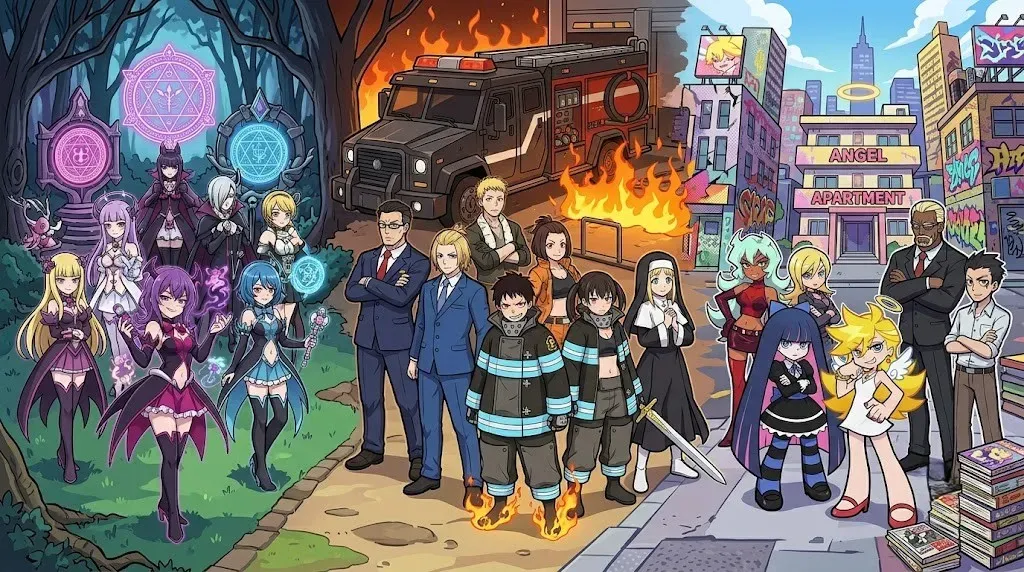
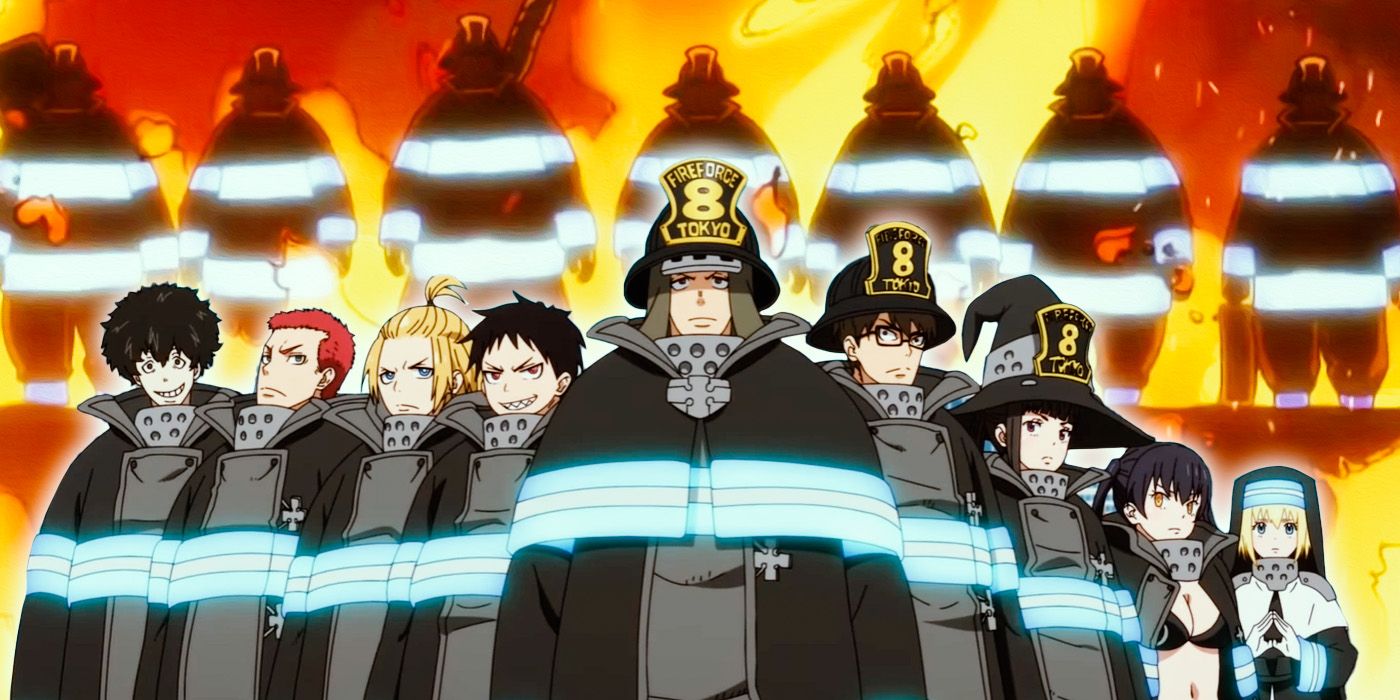
Fire Force is a masterclass in modern shonen animation, but it is also famous for its controversial use of fan service, particularly through the character Tamaki Kotatsu. While polarizing, the show makes the list because the "Lucky Lewd Syndrome" is treated as a supernatural trait within a world of bizarre pykinetic abilities. Beyond the gags, the series offers some of the most stunning animation of the decade, with fire effects that are second to none.
9. My Dress-Up Darling (Sono Bisque Doll wa Koi o Suru)

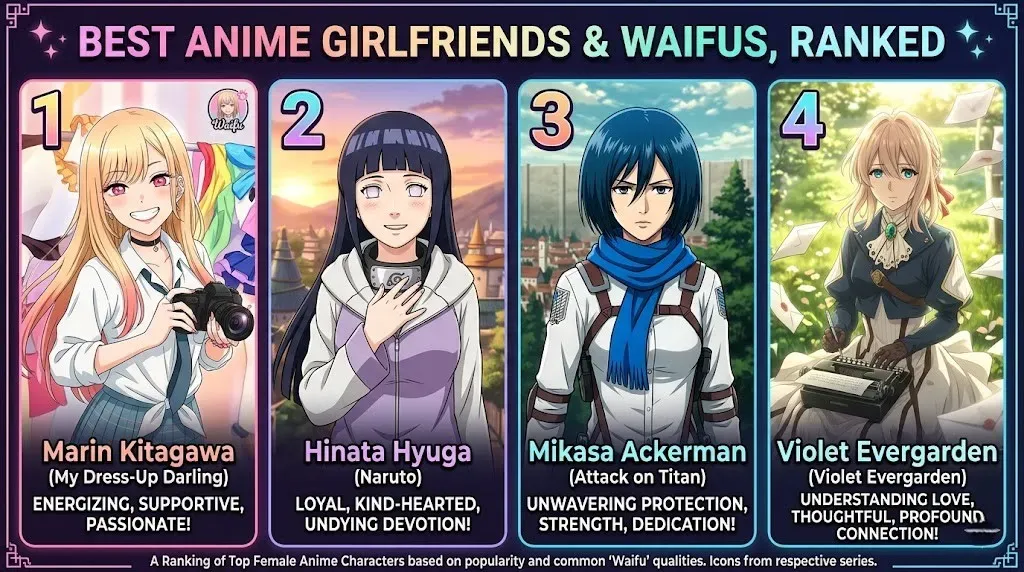
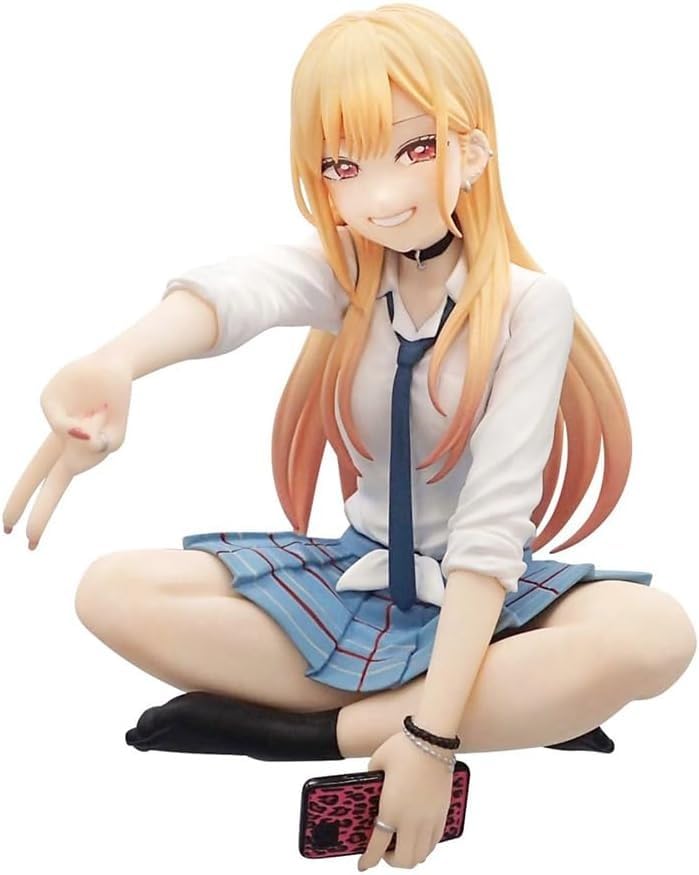
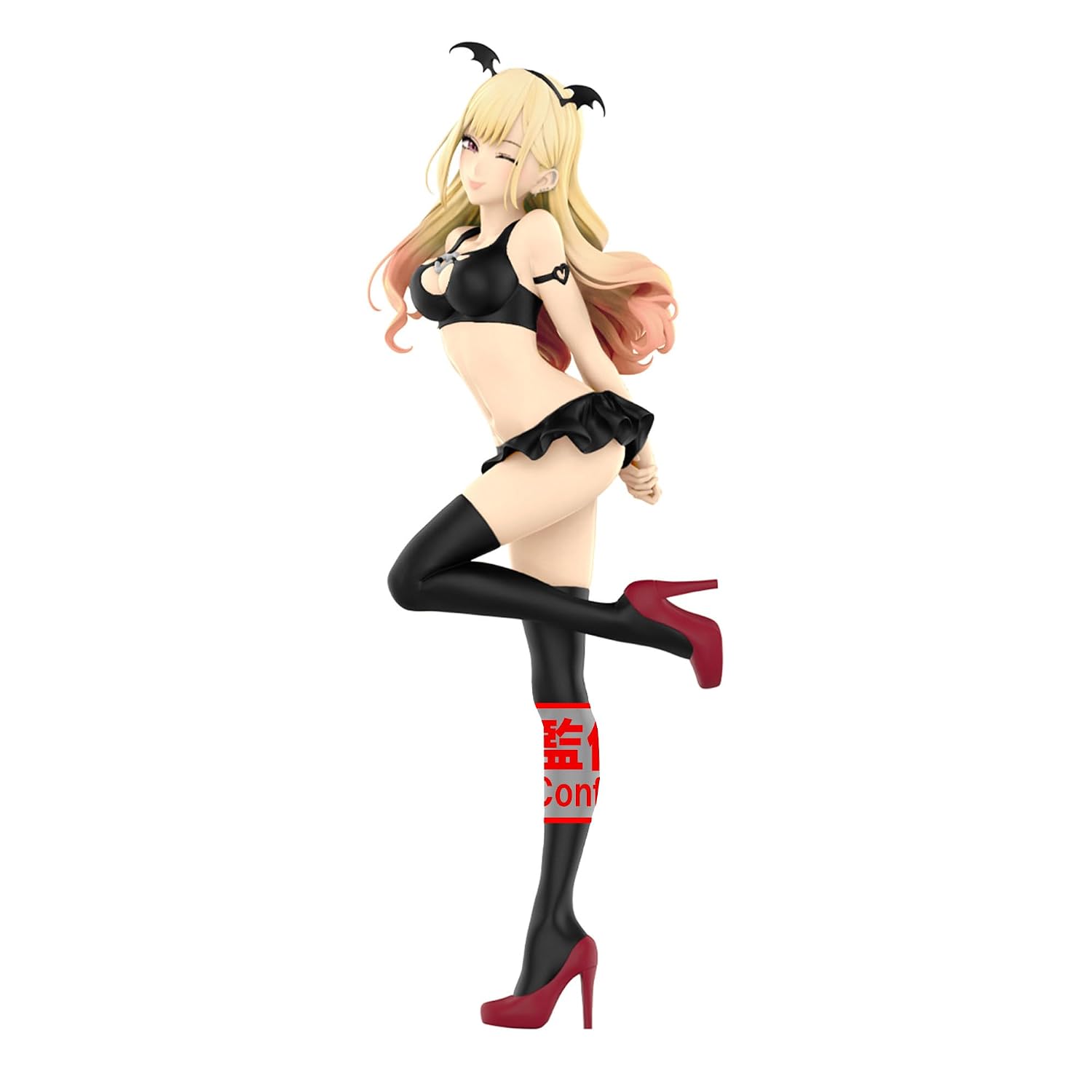
This series revolutionized the "wholesome ecchi" subgenre. By centering the story on the art of cosplay, the fan service feels completely natural. When Marin Kitagawa is being measured for a costume or trying on a revealing outfit, it is a moment of vulnerability and artistic passion. The show succeeds because it respects its characters, making the viewer fall in love with their personalities as much as their designs.
8. No Game No Life

Visually, No Game No Life is a neon-soaked masterpiece. The fan service here is highly stylized, matching the high-stakes, colorful world of Disboard where games decide everything. It uses suggestive humor to break the tension of complex psychological battles. It remains a fan favorite because the intelligence of the protagonists, Sora and Shiro, is always the primary focus, making the spicy moments feel like a playful bonus.
7. Golden Boy
A true classic from the 90s, Golden Boy proves that fan service and genuine comedy are a match made in heaven. Following Kintaro Oe on his quest to "learn" everything about the world, the show is legendary for its over-the-top expressions and hilarious situations. It works because Kintaro is a genuinely hardworking and brilliant character, making his mishaps feel earned and hilarious rather than predatory.
6. High School DxD

Often cited as the "king" of the genre, High School DxD is surprisingly deep. While it is unashamedly packed with fan service, it also features a complex hierarchy of devils, angels, and fallen angels. The protagonist, Issei, has a clear goal and genuine growth, turning his "perverted" nature into a source of power that actually saves his friends repeatedly. It is the gold standard for shows that embrace their ecchi roots while telling a legitimate fantasy epic.
5. Gushing over Magical Girls (Mahou Shoujo ni Akogarethe)
A recent breakout hit, this series takes a satirical and often boundary-pushing look at the magical girl genre. By focusing on a protagonist who is forced into a villainous role because of her obsession with magical girls, it explores themes of fandom and repressed desires. It gets fan service "right" by being incredibly honest about its premise and delivering high-quality production values that many other shows in the niche lack.
4. Shokugeki no Soma (Food Wars!)
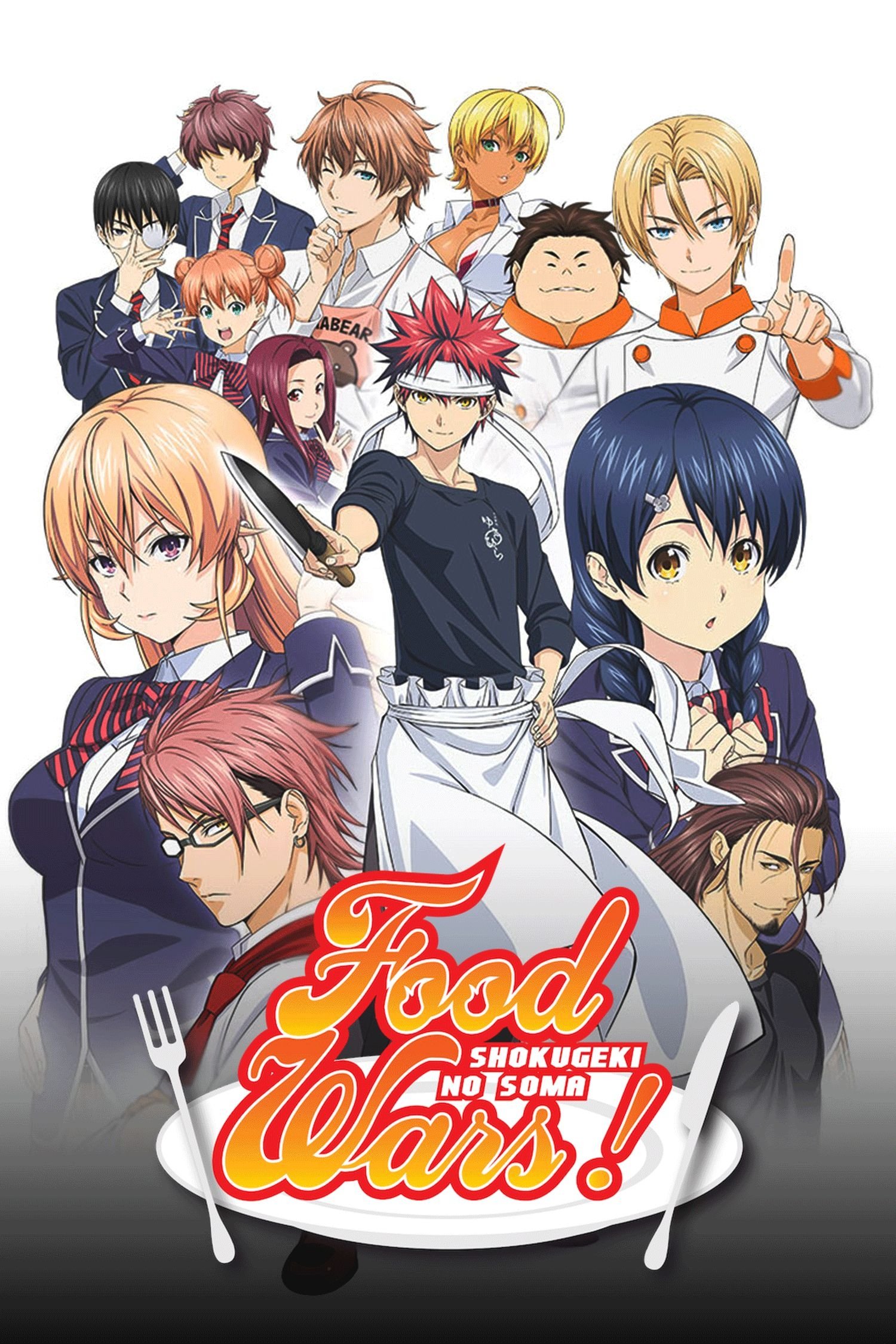
Food Wars\! pioneered the "food-gasm," a visual metaphor for the ecstasy of eating delicious cuisine. By using fan service to describe taste, the show found a way to make it relevant to the plot in every single episode. The high-pressure world of culinary school is the perfect backdrop for these explosive reactions, and the technical knowledge of cooking provided makes the show educational as well as entertaining.
3. Panty & Stocking with Garterbelt
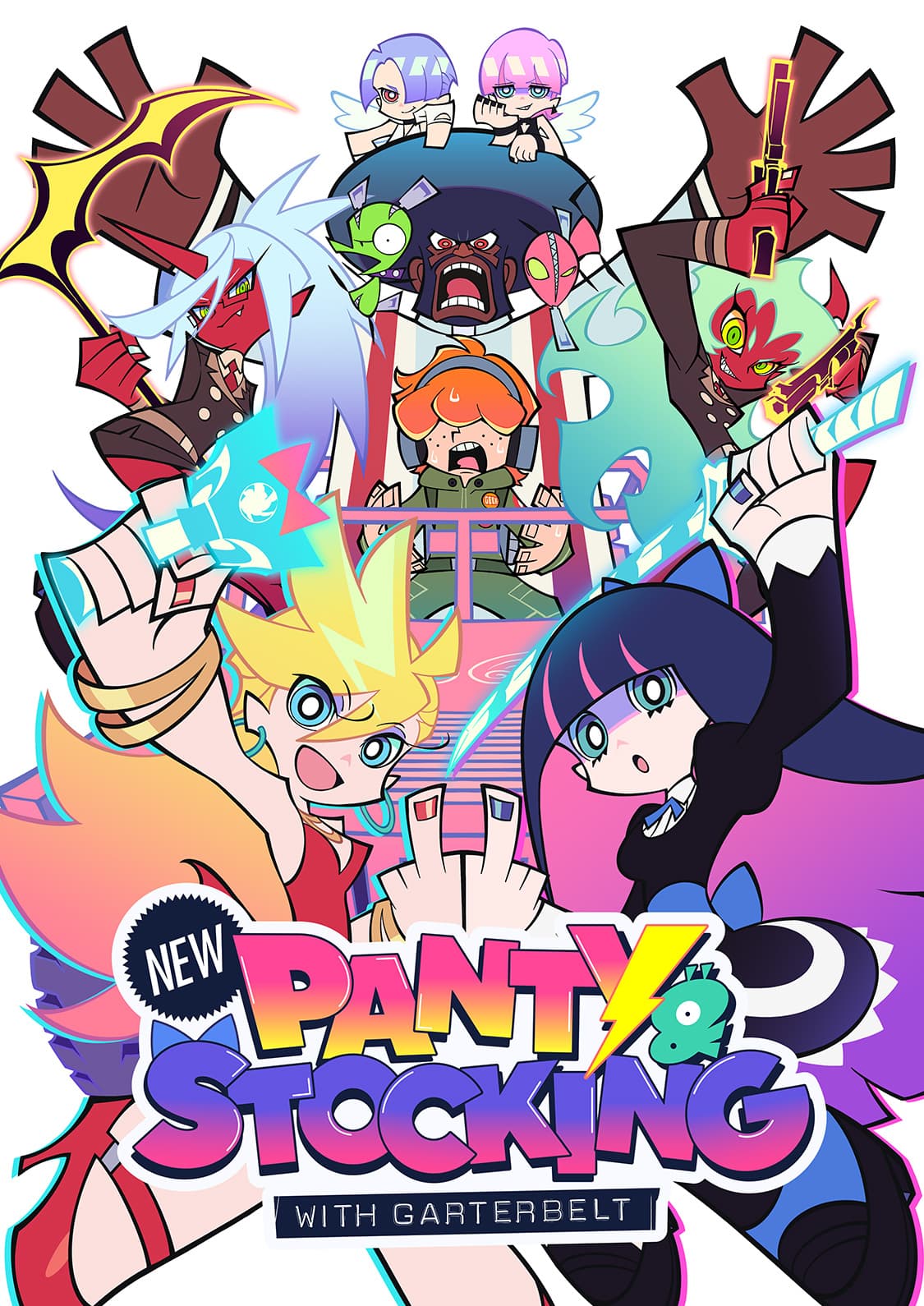
Drawing heavy influence from Western cartoons like The Powerpuff Girls, this Gainax classic is crude, stylish, and unapologetic. The fan service is part of its punk-rock aesthetic. It isn't trying to be "sexy" in the traditional sense; it’s trying to be rebellious and provocative. With a legendary soundtrack and a unique art style, it remains one of the most creative uses of adult themes in the medium.
2. The Monogatari Series
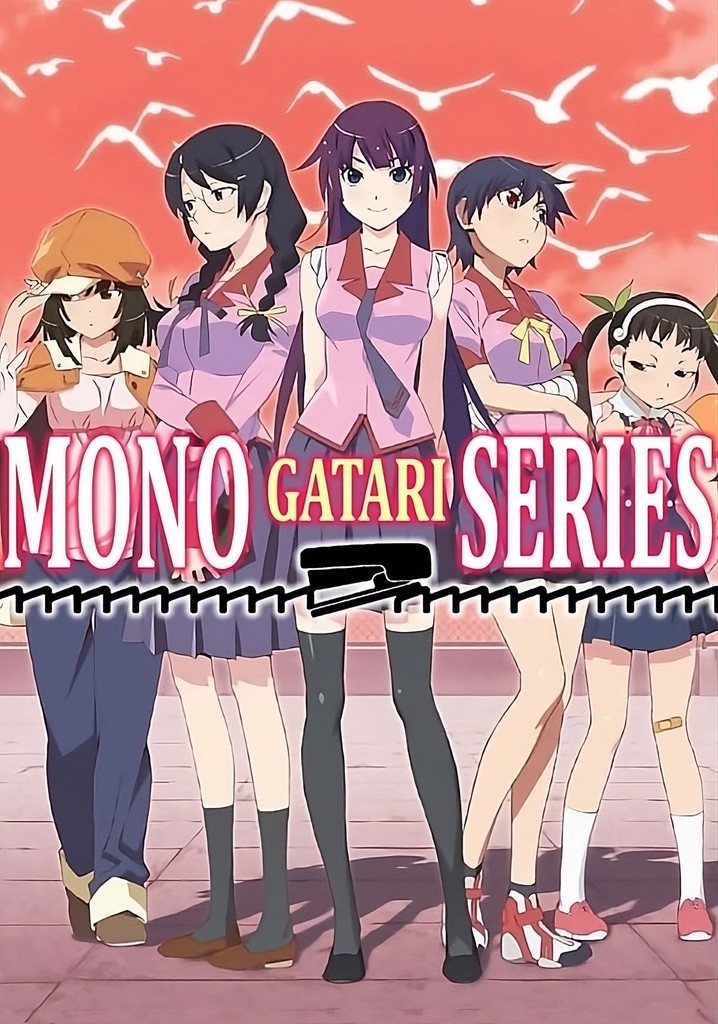
The Monogatari series, starting with Bakemonogatari, uses fan service as a psychological tool. Director Akiyuki Shinbo uses avant-garde visuals to represent the internal states of the characters. In this series, a scene involving a toothbrush can be more intense than a full-scale battle in another show. It is "right" because it is artistic, purposeful, and deeply tied to the complex dialogue and character studies that define the franchise.
1. Kill la Kill
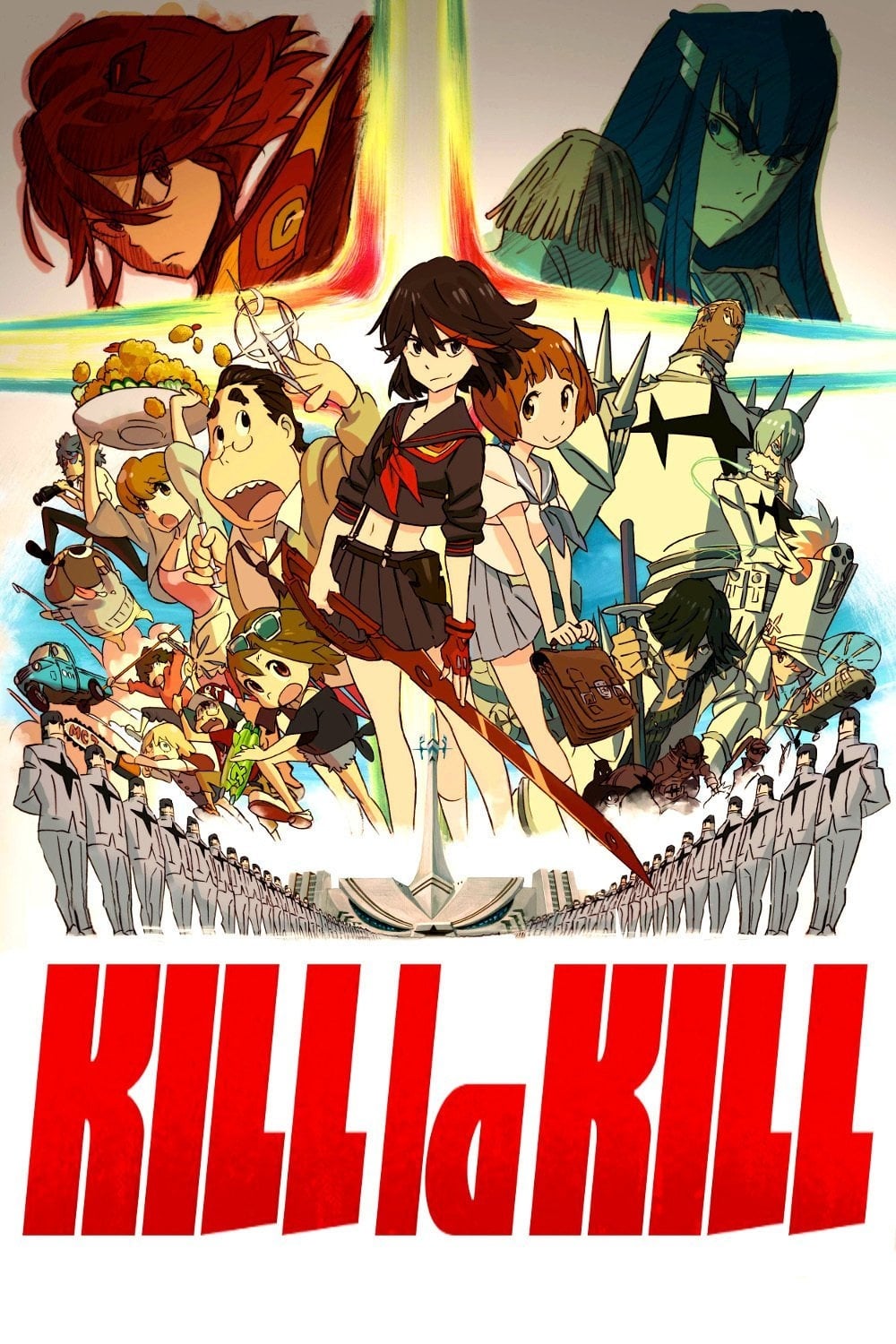
Topping our list is Kill la Kill, a series where the fan service is the plot. In a world where clothing is literally sentient and oppressive, nudity becomes a symbol of rebellion and self-actualization. Trigger’s bombastic animation style ensures that every reveal is a cinematic event. It ranks \#1 because it takes the tropes of "top fanservice anime" and turns them into a profound commentary on societal expectations, all while being an absolute blast to watch.
Impact of Fan Service on Character Development
When used as a narrative device, fan service can actually deepen our understanding of a character. It can highlight a character's confidence, their insecurities, or even their growth over time. In My Dress-Up Darling, the titular character's comfort with her body is a sign of her liberation through art. Conversely, in Kill la Kill, Ryuko Matoi’s initial embarrassment evolving into total acceptance of her "Kamui" represents her journey toward self-confidence.
Furthermore, these moments often humanize characters who might otherwise seem untouchable. Seeing a powerful warrior in a moment of domesticity or vulnerability allows the audience to connect with them on a more personal level. For more information on the history of these character archetypes, you can visit the Fanservice Wikipedia page for a deep dive into its cultural roots.
Evolution of the Ecchi Genre in Anime
The ecchi genre has come a long way since the grainy OVAs of the 1980s and 90s. Initially, these shows were relegated to late-night slots or direct-to-video releases with minimal budgets. Today, ecchi elements are found in mainstream hits, often backed by major studios like MAPPA, A-1 Pictures, or Trigger. The production values have skyrocketed, meaning the "service" is now presented with cinematic lighting and fluid choreography.
Additionally, the "isekai" boom of the 2010s and 2020s has provided a new playground for these tropes. The "overpowered protagonist in a fantasy world" setup naturally lends itself to harem dynamics and fan service. However, the market has become saturated, leading to a "survival of the fittest" where only the shows with the best writing and most unique hooks—like those on our list—survive the scrutiny of modern critics.
Viewer Reception and Global Popularity
The global reception of top fanservice anime is more complex than ever. In the West, streaming platforms like Crunchyroll have made these titles easily accessible, but they often face challenges regarding censorship and local regulations. Despite this, the popularity of these series remains high, often topping "most-watched" lists because of their dual appeal: high-quality storytelling and unapologetic entertainment.
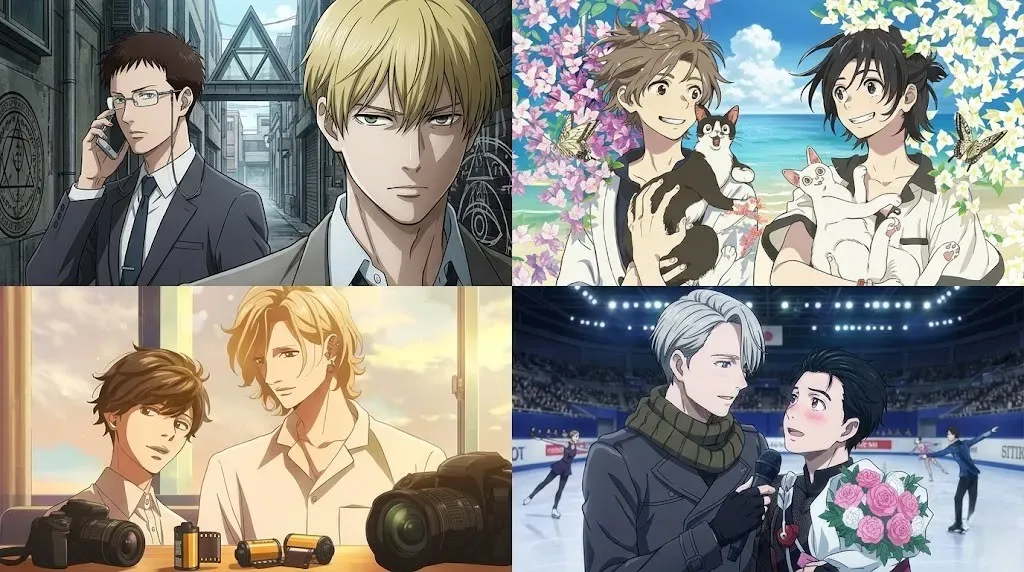
There is also a growing appreciation for the "female gaze" in fan service, with more shows catering to diverse audiences by featuring attractive male characters and emphasizing emotional chemistry. This inclusivity has expanded the market, proving that the desire for aesthetic appreciation in media is universal. The "culture" of anime fans continues to embrace these series as essential parts of the community's identity.
Conclusion: The Art of Executing Fan Service Correctly
Executing fan service correctly is a high-wire act. It requires a deep understanding of the audience, a respect for the characters, and a commitment to high-quality production. The series ranked above have proven that you can have your cake and eat it too—delivering both a "top fanservice anime" experience and a narrative that sticks with you long after the final episode.
As we look toward the future of the industry in 2026 and beyond, the trend seems to be moving toward even more intentionality. Fans are no longer satisfied with mindless content; they want series that challenge them, move them, and yes, occasionally thrill them with a bit of fan service. When these elements work in harmony, they create a viewing experience that is as memorable as it is beautiful.


format(webp))





// Comments