Introduction to Animal Anime People
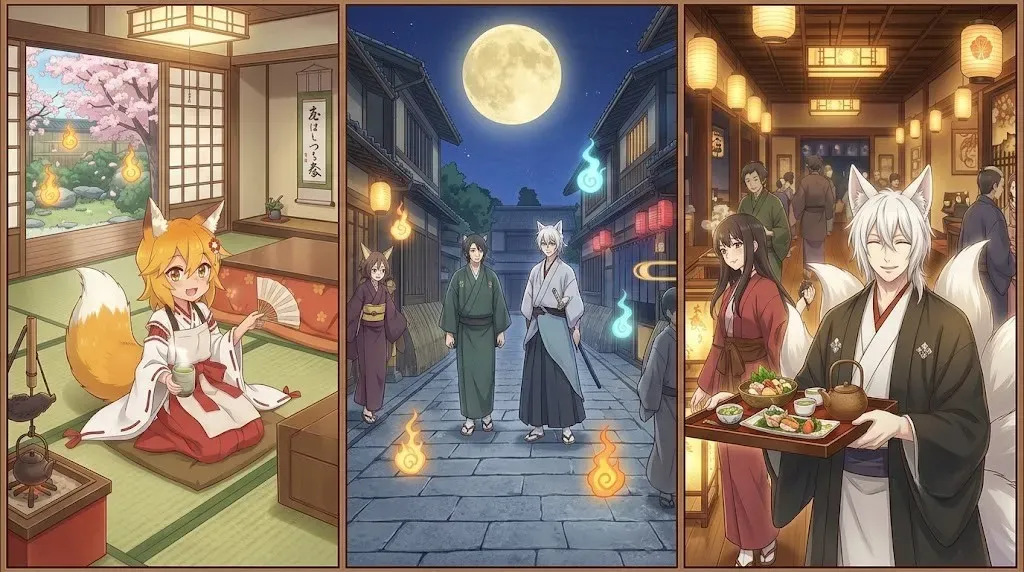
The world of Japanese animation has always been a space where the boundaries of biology and imagination blur. Among the most enduring and beloved tropes in the medium is the concept of animal anime people. These characters, ranging from subtle hybrids with feline ears to fully realized anthropomorphic societies, offer a unique lens through which we can explore human nature, social dynamics, and high-fantasy world-building.
As we move into 2026, the fascination with these animal-humanoid anime characters has only grown, driven by sophisticated storytelling and groundbreaking animation techniques. Whether they are called Beastmen, Demi-humans, or Furries, these characters represent a bridge between the wild instinct of nature and the complex consciousness of humanity. In this guide, we dive deep into the best series that bring these fascinating beings to life.
 Also Read10 Best Mature Romance Anime for Adults, Ranked
The Appeal of Anthropomorphic Characters in Anime
Why are we so drawn to characters that blend human and animal traits? At its core, the appeal of the best anthropomorphic anime series lies in the visual and thematic diversity they provide. Animals carry inherent symbolic weight—wolves represent pack loyalty and ferocity, cats embody independence, and rabbits often symbolize agility or vulnerability. By imbuing human characters with these traits, creators can communicate personality shorthand instantly.
Furthermore, animal anime people allow for a level of physical expression that "pure" human characters cannot match. Tail movements, ear twitches, and predatory instincts add a layer of non-verbal communication that enriches the viewing experience. This aesthetic versatility makes iconic furry anime characters some of the most memorable in the history of the medium, appealing to both casual viewers and dedicated fanbases.
Defining the "Animal People" Genre
Defining the "animal people" genre is complex because it spans across multiple demographics and themes. On one end of the spectrum, you have "kemonomimi" (animal ears), where characters are essentially human but possess animal appendages. On the other end, you have fully anthropomorphic series where characters have animal faces, fur, and bodies, but walk upright and speak like humans.
The genre often overlaps with "isekai" (other-world) adventures, where a human protagonist encounters a society of beastmen. It also flourishes in "seinen" and "shonen" series as a tool for social commentary. Regardless of the specific sub-type, the unifying factor is the presence of characters who occupy the liminal space between the human and the beast, often navigating a world that views them with either awe or prejudice.
 Also Read15 Best Anime Girlfriends & Waifus, Ranked
Criteria for Ranking the Best Series
To determine the top anime with animal people, we looked at several key factors that define quality in this specialized niche. It isn't enough to simply have animal ears; the series must use its anthropomorphic elements to enhance the story. Our ranking criteria include:
- Narrative Depth: How well does the show explore the unique challenges or advantages of being an animal-humanoid?
- Character Design: Are the designs creative, functional, and visually distinct?
- World Building: Does the world reflect the presence of animal people in its architecture, laws, and culture?
- Cultural Impact: How has the series influenced the broader anime community or the "furry" subculture?
- Production Quality: The level of animation, voice acting, and music in the series.
10 Best Anime With Animal People, Ranked
1. Beastars
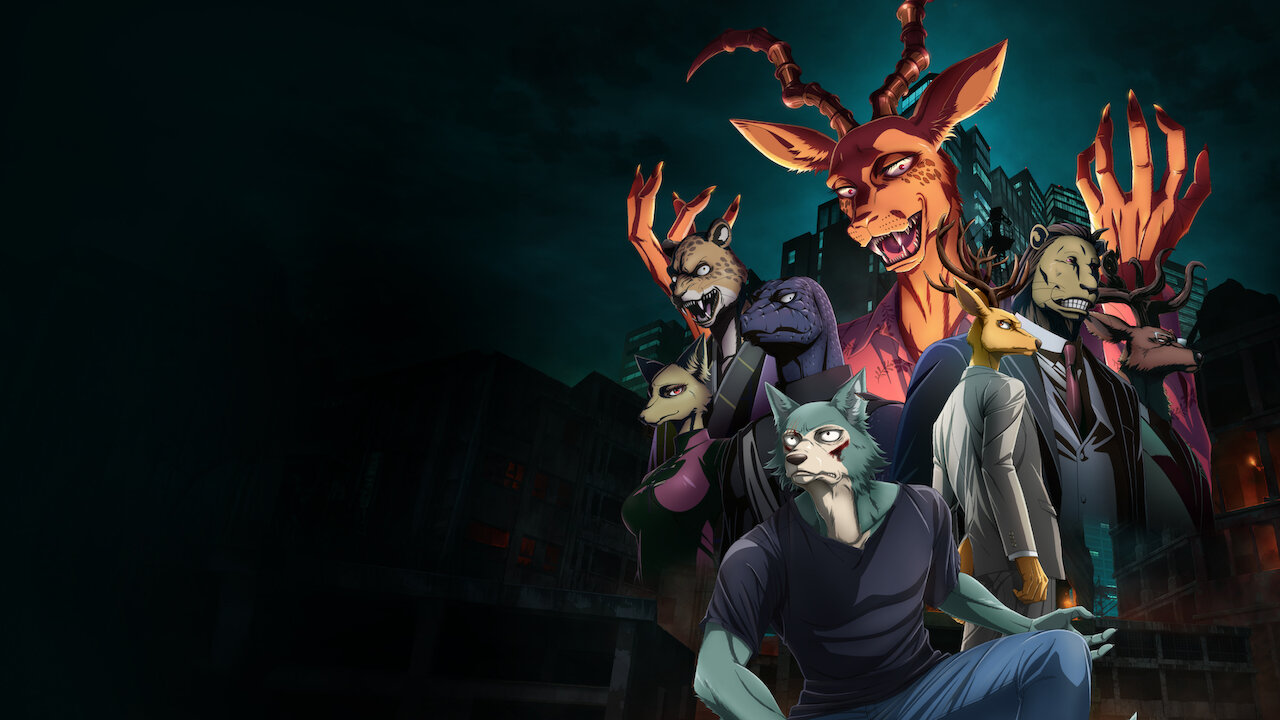
Standing at the pinnacle of beastman anime recommendations, Beastars is a masterpiece of psychological drama. Set in a world of civilized herbivores and carnivores, it follows Legoshi, a shy gray wolf, as he navigates the tensions of school life and his own predatory instincts. It is a brilliant allegory for social class, puberty, and repressed desire, featuring some of the most complex animal anime people ever written.
2. BNA: Brand New Animal
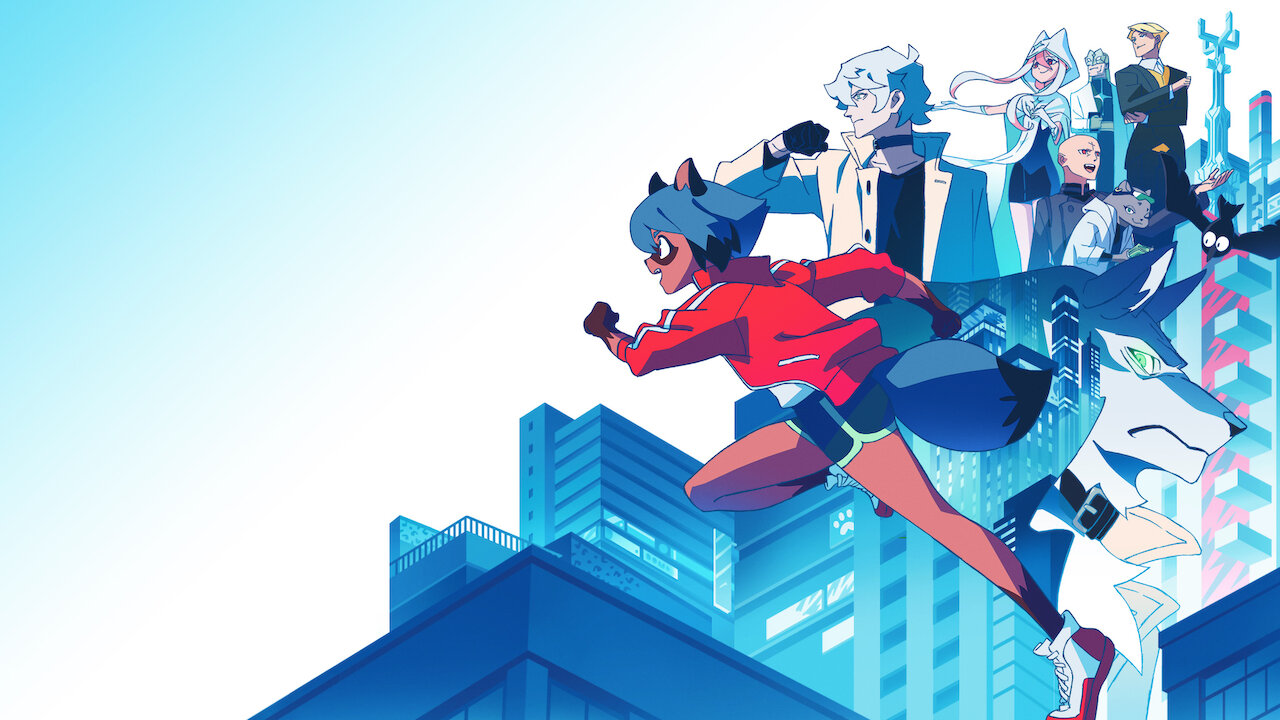
Studio Trigger’s BNA is a high-octane exploration of a specialized city for beastmen. The story follows Michiru, a human who suddenly turns into a tanuki beastman. The vibrant colors and fluid animation highlight the "animal-humanoid anime characters" in their most energetic form, tackling themes of segregation and identity with a stylish, modern flair.
3. Odd Taxi

While Odd Taxi looks like a simple show about a walrus taxi driver, it is actually one of the most tightly written mystery thrillers of the decade. Every character is an animal, but their problems—debt, social media obsession, and organized crime—are painfully human. It is a quintessential example of how anthropomorphism can make a gritty story more accessible and intriguing.
4. The Rising of the Shield Hero

This series popularized the "popular anime with half-animal people" trope within the isekai genre. Raphtalia, a raccoon demi-human, becomes the emotional heart of the series. The show uses her heritage to discuss the dark realities of slavery and discrimination, making her growth from a frightened child to a powerful warrior incredibly impactful.
5. Wolf Children
%7C(0%2C0%2C0%2C0)%7C(0%2C600)%7C(0%2C240)%22%7D%2C%7B%22overlay%22%3A%7B%22position%22%3A%22SouthEast%7C(30%2C30)%22%2C%22operations%22%3A%5B%7B%22image%22%3A%22image_manager%7Cb4c76528-a31c-486f-9053-f6b65269007b%22%7D%2C%7B%22resize%22%3A%22204x204%7Cmax%22%7D%2C%7B%22extent%22%3A%22204x204%22%7D%5D%7D%7D%2C%5D)
A beautiful and heart-wrenching film from Mamoru Hosoda, Wolf Children tells the story of a mother raising two half-human, half-wolf children. It captures the struggle of finding one's place between two worlds. The animation of the children shifting between forms is a landmark in the "animal-humanoid" subgenre.
6. Spice and Wolf

Holo the Wise Wolf is perhaps the most iconic "half-animal" character in anime. As a harvest deity with wolf ears and a tail, her relationship with the merchant Lawrence is built on wit, economics, and slow-burn romance. This series proves that animal people can be the lead in a grounded, intellectual narrative.
7. African Salaryman

For those looking for something absurd, African Salaryman follows a lion, a toucan, and a lizard working in a Japanese office. It is a hilarious parody of corporate life that uses animal traits for comedic effect—such as the lion dealing with shedding fur in the workplace. It is a unique take on "top anime with animal people."
8. Kemono Friends

Despite its simple 3D animation, Kemono Friends became a cultural phenomenon. It features a world of "Friends"—animals that have taken on human forms. Its charm lies in how it incorporates real biological facts about the animals into the characters' human personalities and abilities.
9. Overlord
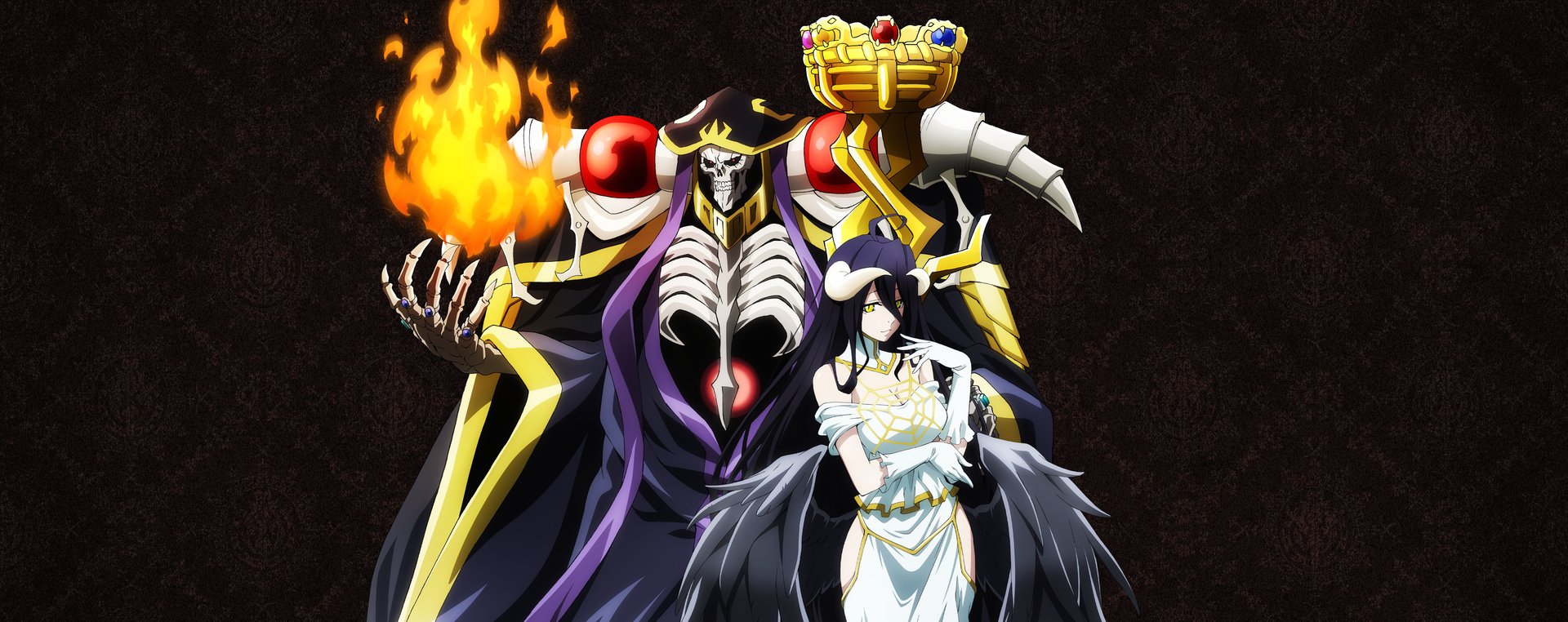
While the protagonist is a skeleton, the world of Overlord is teeming with diverse beastman tribes and demi-humans. Characters like Cocytus (an insectoid warrior) or the various lizardmen tribes showcase the high-fantasy side of the genre, where animal traits equate to specialized combat prowess.
10. Grimoire of Zero

This series features a "Beastfallen" protagonist—a massive, white-furred tiger-man who is a mercenary. It explores a world where animal people are feared and hunted for their hides, offering a classic fantasy perspective on the "beastman" archetype and the bond formed between a human witch and a monstrous protector.
Iconic Animal Humanoid Designs
The visual design of animal anime people has evolved significantly. In 2026, we see a shift toward designs that prioritize "functional biology." This means that instead of just "ears on top," characters have skeletal structures that reflect their animal counterparts. For example, digitigrade legs (walking on toes) are becoming more common in anthropomorphic designs to add realism to how characters run or jump.
Legendary designers often look to the natural world for inspiration, incorporating patterns like leopard spots or the iridescence of beetle shells into character costumes. You can find more detailed breakdowns of character design philosophies on Wikipedia's page on anthropomorphism, which traces these trends from ancient mythology to modern media.
Impact of Anthropomorphism on Anime Storytelling
Using animal anime people allows creators to bypass certain human biases and address sensitive topics more directly. When a story depicts conflict between wolves and sheep, the audience understands the power dynamic immediately. This allows the narrative to focus on deeper themes like systemic inequality or the ethics of consumption without the baggage of real-world politics.
Additionally, the "animal-humanoid" element adds a layer of "otherness" that is perfect for coming-of-age stories. The transformation of a character—whether literal or metaphorical—into their animal self often serves as a powerful symbol for discovering one's true nature or hidden strength. This has made the genre a staple for stories about outcasts and rebels.
Must-Watch Recommendations for Fans
If you have already seen the top 10, there are several other beastman anime recommendations that deserve your attention. Aggretsuko is a fan favorite that uses a red panda to explore the rage of the modern workforce. For a more classic feel, Utawarerumono offers a rich historical fantasy setting filled with various demi-human races.
For those who enjoy the "isekai" twist, Reincarnated as a Sword features a lovable cat-girl protagonist named Fran, whose journey is centered entirely on evolving her beastman tribe. Each of these series contributes to the rich tapestry of animal anime people, ensuring there is something for every type of fan. For the latest updates on new releases, Crunchyroll remains the best resource for streaming and news.
Conclusion: The Growing Popularity of Animal Anime People
The enduring popularity of animal anime people is a testament to the medium's ability to reinvent itself. From the early days of simple hybrids to the complex, socially-conscious worlds of today, these characters continue to capture our hearts and minds. They represent our wildest instincts and our most noble aspirations, all wrapped in fur, feathers, or scales.
As animation technology continues to advance, the world of anthropomorphic anime will likely become even more immersive. Whether you are a fan of the psychological depth of Beastars or the lighthearted fun of Kemono Friends, the presence of animal people ensures that anime remains a vibrant, imaginative, and deeply human (or half-human) form of art.
















// Comments