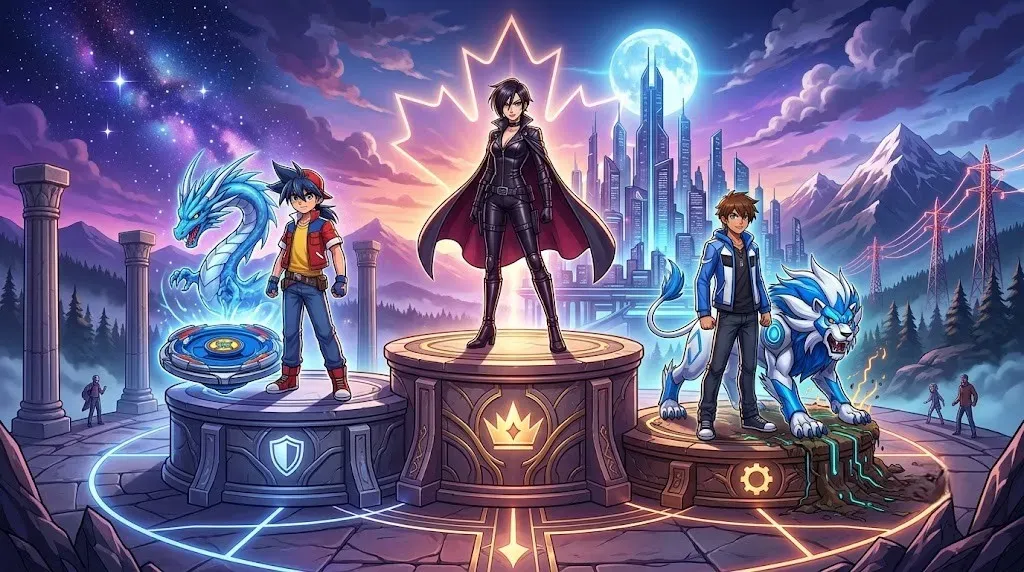
Introduction to Canada Anime Masterpieces
When most people think of anime, their minds immediately drift to the bustling streets of Akihabara or the legendary halls of Studio Ghibli. However, the global animation landscape in 2026 is far more interconnected than many realize. Canada has long served as a silent powerhouse in the industry, bridging the gap between Eastern aesthetic sensibilities and Western narrative structures. The term "canada anime" might seem like a contradiction to purists, but it actually represents a rich history of co-productions, stylistic homages, and technical collaborations that have produced some of the most influential series of the last few decades.
From the early days of Saturday morning cartoons to the high-definition streaming era, Canadian talent has been instrumental in shaping how the world consumes animated content. Whether it is through innovative CGI from Vancouver or masterfully written scripts from Toronto, Canadian animated masterpieces have left an indelible mark on the medium. In this guide, we will explore the best examples of these cross-cultural triumphs, ranking the series that successfully blended Japanese artistry with Canadian creative ingenuity.
This exploration is not just about nostalgia; it is about recognizing the technical excellence and storytelling depth found in top-rated Canadian animation. These shows often serve as a gateway for North American audiences to enter the wider world of Japanese anime, proving that when these two creative hubs collide, the results are nothing short of spectacular. Join us as we dive into the history, the studios, and the iconic series that define this unique sub-genre of global entertainment.
The History of Canadian-Japanese Anime Collaborations
The relationship between Canada and Japan in the world of animation dates back to the early 1980s. During this time, production costs and a desire for global reach led many Japanese studios to seek international partners. Canada, with its favorable tax incentives and a burgeoning pool of artistic talent, became an ideal collaborator. Early partnerships often saw Japanese studios handling the core animation while Canadian firms managed script adaptation, music, and distribution. This synergy laid the groundwork for what would eventually become a sophisticated ecosystem of co-productions.
In the 1990s, this relationship evolved. Studios like Nelvana and Mainframe Entertainment began to take more active roles in the creative process. Instead of simply localizing Japanese content, they started co-developing properties from the ground up. This era gave us series that were designed with a global audience in mind, featuring "anime-lite" styles that combined the kinetic energy of Japanese action with the character-driven pacing common in Western television. These collaborations were pivotal in establishing Canada as a hub for famous animation studios Canada fans now recognize as industry leaders.
By the 2000s, the "canada anime" identity was firmly established. Shows like Bakugan and Beyblade were developed through complex international agreements involving toy manufacturers, Japanese broadcasters, and Canadian production houses. These series became global phenomena, proving that a show could be "anime" in spirit and visual language while being rooted in Canadian business and creative development. This history of cooperation has created a legacy of innovation that continues to influence modern animation pipelines across both North America and Asia.
Criteria for Ranking the Best Canadian Anime
Ranking the 9 best canada anime masterpieces requires a nuanced approach that looks beyond simple popularity. Because the definition of a Canadian-Japanese collaboration can vary—ranging from full co-productions to series that simply use a specific aesthetic—we have established a clear set of criteria to ensure our list represents the absolute pinnacle of the genre. First and foremost, we look at Narrative Impact. A masterpiece must tell a story that resonates across cultures, offering more than just surface-level action.
Visual Synergy is our second criterion. We evaluate how well the show blends the distinct visual language of Japanese anime with the technical strengths of Canadian animation studios. This includes the use of color, character design, and frame-to-frame fluidity. Furthermore, we consider Cultural Legacy. Does the show still have a fanbase in 2026? Did it influence future creators or change the way animation is produced? These questions help us distinguish between a standard cartoon and a true animated masterpiece.
Finally, we look at the Depth of Collaboration. While many shows are outsourced to different countries, the entries on this list feature a significant creative contribution from both Canadian and Japanese teams. Whether it was the voice acting, the musical score, or the character designs, each of these series represents a true partnership. By applying these rigorous standards, we can confidently present a ranking that showcases the very best top-rated Canadian animation available to fans today.
Top 9 Best Canada Anime Masterpieces, Ranked
1. Cybersix

Widely considered the crown jewel of Canadian-Japanese collaborations, Cybersix is a hauntingly beautiful series based on an Argentine comic but brought to life by Tokyo Movie Shinsha (TMS) and Canada’s NoA. It features a dark, noir-inspired aesthetic and a sophisticated plot involving an escaped genetic experiment. The animation quality remains stunning even by 2026 standards, making it the definitive canada anime masterpiece for adult audiences.
2. Bakugan Battle Brawlers

A global juggernaut, Bakugan was co-produced by Nelvana and TMS Entertainment. It successfully combined the "mon" (monster-collecting) genre with high-stakes strategy. Its massive success in both Japan and Canada solidified the viability of international co-productions as a dominant force in the market. It remains one of the most iconic Canada anime series due to its massive commercial and cultural reach.
3. Transformers: Beast Wars

While often categorized as a Western show, Beast Wars was a landmark achievement for Vancouver’s Mainframe Entertainment. In Japan, it was embraced as a legitimate entry in the Transformers anime canon, spawning its own unique Japanese sequels. Its 3D animation was revolutionary, and the writing provided a depth of character development that was rarely seen in early CGI productions.
4. Inspector Gadget

An early pioneer, this series was a collaboration between DIC Entertainment (with Canadian roots) and several Japanese studios including TMS. It utilized a distinct visual style that felt uniquely international. Gadget’s adventures were a staple of early global animation, proving that Canadian production management paired with Japanese technical skill could create a worldwide hit.
5. Beyblade (Original Series)

Another Nelvana-led triumph, Beyblade took the schoolyard hobby of spinning tops and turned it into an epic shonen-style battle series. The collaboration ensured the show felt authentic to Japanese battle tropes while being accessible to Western viewers. It sparked a multi-decade franchise that continues to thrive through various iterations and reboots.
6. Spider-Man: Unlimited

This experimental series featured a collaboration between Saban and several Japanese artists to create a futuristic, Counter-Earth setting. Its sharp lines and vibrant, neon-heavy color palette leaned heavily into the "cyberpunk anime" look of the late 90s. While short-lived, it is celebrated for its unique visual risk-taking and Canadian production ties.
7. Spider Riders

Produced by Cookie Jar Entertainment (now part of WildBrain) and the Japanese studio Bee Train, Spider Riders is a literal interpretation of the "isekai" (transported to another world) trope. It features a young boy traveling to the Inner World to fight alongside giant spiders. It is a true hybrid, with a theme song and pacing that feel perfectly at home in any anime block.
8. Redakai: Conquer the Kairu
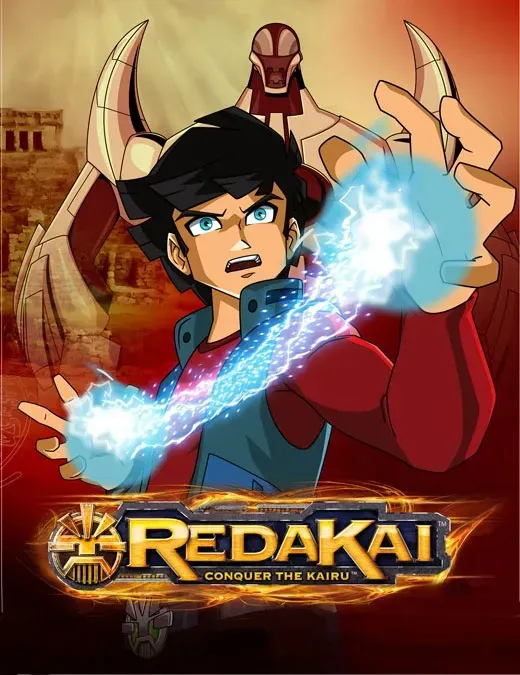
Created by Spin Master and produced in collaboration with French and Japanese partners, Redakai utilized a sophisticated 3D-to-2D animation style. Its focus on energy-based martial arts and strategic combat felt deeply rooted in the shonen tradition, earning it a dedicated following among fans of action-oriented animation.
9. Monsuno

Monsuno represented a massive undertaking by Jakks Pacific and several Japanese partners, with significant creative input from North American teams. The character designs were sharp and modern, echoing the trends of the early 2010s. It stands as a testament to the enduring appeal of the creature-battling genre when executed with high production values.
Iconic Canadian Voice Acting in Anime
One cannot discuss "canada anime" without mentioning the legendary voice acting talent that has emerged from the Great White North. For many fans, the "Ocean Dub" is a term synonymous with quality. Ocean Studios, based in Vancouver, was responsible for some of the most iconic English localizations in history. From the high-energy performances in Dragon Ball Z to the sophisticated, moody delivery in Death Note, Canadian voice actors have defined the English-speaking voices of many legendary characters.
Actors like Brian Drummond, Peter Kelamis, and Kelly Sheridan are household names among the anime community. Their ability to match the intensity of Japanese seiyuu while adding their own local flair has made Canadian dubs a preferred choice for many international viewers. This vocal talent is a vital component of top-rated Canadian animation, as the emotional resonance of a scene often relies on the actor's ability to bridge the cultural gap through performance.
In 2026, Canadian studios continue to be a go-to for high-end dubbing and ADR. The tradition of excellence established in the 90s has evolved into a sophisticated industry that handles everything from blockbuster theatrical releases to niche indie projects. This vocal legacy is a core reason why Canada remains such a central figure in the global anime ecosystem, providing the human element that brings these animated masterpieces to life for millions of people.
The Impact of Canadian Animation Studios on the Genre
The technical contributions of famous animation studios Canada has produced cannot be overstated. Nelvana, founded in Toronto, was one of the first companies to realize that animation was a global business. By investing in co-productions, they brought Japanese visual styles to the forefront of North American television. Their ability to scale production while maintaining high artistic standards set a benchmark for the entire industry.
Meanwhile, on the West Coast, Mainframe Entertainment pioneered the use of 3D CGI in television. Their work on series like Beast Wars showed Japanese creators the potential of computer-generated characters, influencing a wave of CGI integration in Japan’s own domestic productions. This exchange of technology and technique is a two-way street that has benefited the global animation community, leading to the sophisticated hybrid styles we see in 2026.
Other studios, such as Bardel Entertainment and DHX (now WildBrain), have provided crucial support for major anime-inspired projects. Whether through high-quality animation outsourcing or full creative partnerships, these Canadian firms have proven that they have the vision and the technical chops to handle the world’s biggest animated properties. You can learn more about the history of these companies on Wikipedia.
Notable Canadian Co-Productions and Outsourcing
Co-production is the lifeblood of the "canada anime" world. These agreements are more than just financial; they are artistic mergers. A notable example is the work done on series like Cardcaptor Sakura, which was heavily edited and re-scored by Nelvana for its North American release. While controversial among purists, this version—titled Cardcaptors—was instrumental in bringing the mahou shoujo (magical girl) genre to a massive new audience in the West.
Outsourcing also plays a significant role. Many Japanese studios rely on Canadian firms for specific technical tasks, such as background painting, special effects, or digital compositing. This collaborative model allows for higher production values and a more diverse range of artistic perspectives. It is a testament to the skill of Canadian artists that they are often the first choice for Japanese producers looking for high-quality support on major projects.
The synergy between these regions is further bolstered by international treaties and co-production forums. These events allow creators to pitch ideas and find partners across the Pacific, ensuring a steady stream of Canadian animated masterpieces. By working together, these two nations have created a unique brand of content that is technically superior and culturally diverse, satisfying the demands of a global audience that craves high-quality, innovative storytelling.
Underrated Canadian Anime Gems to Watch
While the heavy hitters like Bakugan and Cybersix get most of the attention, there are several underrated series that deserve a place in the "canada anime" canon. One such gem is Shadow Raiders (also known as War Planets). Produced by Mainframe, it featured a complex, overarching narrative about celestial conflict and planet-sized threats. Its dark tone and intricate world-building were ahead of its time, echoing the themes found in many high-concept seinen anime.
Another series to look for is Delilah & Julius. While primarily a Western-style spy show, its character designs and action choreography were clearly influenced by the "cool" aesthetic of shows like Cowboy Bebop. It captured the sleek, stylized look of modern anime and combined it with a fast-paced, episodic format that worked perfectly for North American audiences. These hidden gems show the depth and variety of top-rated Canadian animation beyond the most famous titles.
For fans who want to see a true hybrid of styles, Spider Riders remains a fascinating watch. It captures the sheer earnestness of mid-2000s adventure anime, complete with a talking spider and a quest to save the world. These shows may not have the massive name recognition of their peers, but they offer a unique window into the creative experimentation that defines the Canadian-Japanese relationship. For a broader list of animated works, check out the resources at Crunchyroll.
Conclusion: The Future of Canada Anime Partnerships
As we look toward the future of animation in 2026 and beyond, the partnership between Canada and Japan shows no signs of slowing down. The "canada anime" phenomenon has evolved from simple outsourcing to a sophisticated exchange of ideas and technologies. With the rise of AI-assisted animation and real-time rendering, the technical collaboration between these two hubs is only going to deepen, leading to even more impressive Canadian animated masterpieces.
The legacy of the series we have ranked today—from the moody streets of Cybersix to the competitive arenas of Beyblade—serves as a foundation for the next generation of creators. We are seeing more independent Canadian artists using anime styles to tell local stories, and more Japanese studios looking to Canada for narrative innovation. This cross-pollination ensures that the medium remains vibrant, diverse, and technically cutting-edge.
Ultimately, the best Canada anime series are those that recognize the strengths of both cultures. By combining the legendary work ethic and artistic tradition of Japan with the technical brilliance and storytelling diversity of Canada, creators are able to produce content that truly belongs on the global stage. Whether you are a hardcore otaku or a casual viewer, the world of Canadian-Japanese animation offers a wealth of stories that are waiting to be discovered.


format(webp))








// Comments