
Understanding the Attack on Titan Finale
The conclusion of Hajime Isayama’s epic saga has left a permanent mark on the anime community. After a decade of mystery, betrayal, and titan-shifting action, the series reached its climax with "The Battle of Heaven and Earth." As the Rumbling threatened to wipe out the majority of life on the planet, the remaining members of the Survey Corps and the Marleyan Warriors were forced into a final, tragic confrontation with their former friend, Eren Yeager. This Attack on Titan ending explained breakdown dives into the heavy themes of predestination and the high cost of freedom that defined the finale.
 Also ReadMost Viewed Anime of All Time?
Does Eren Yeager Die? The Final Moments Explained
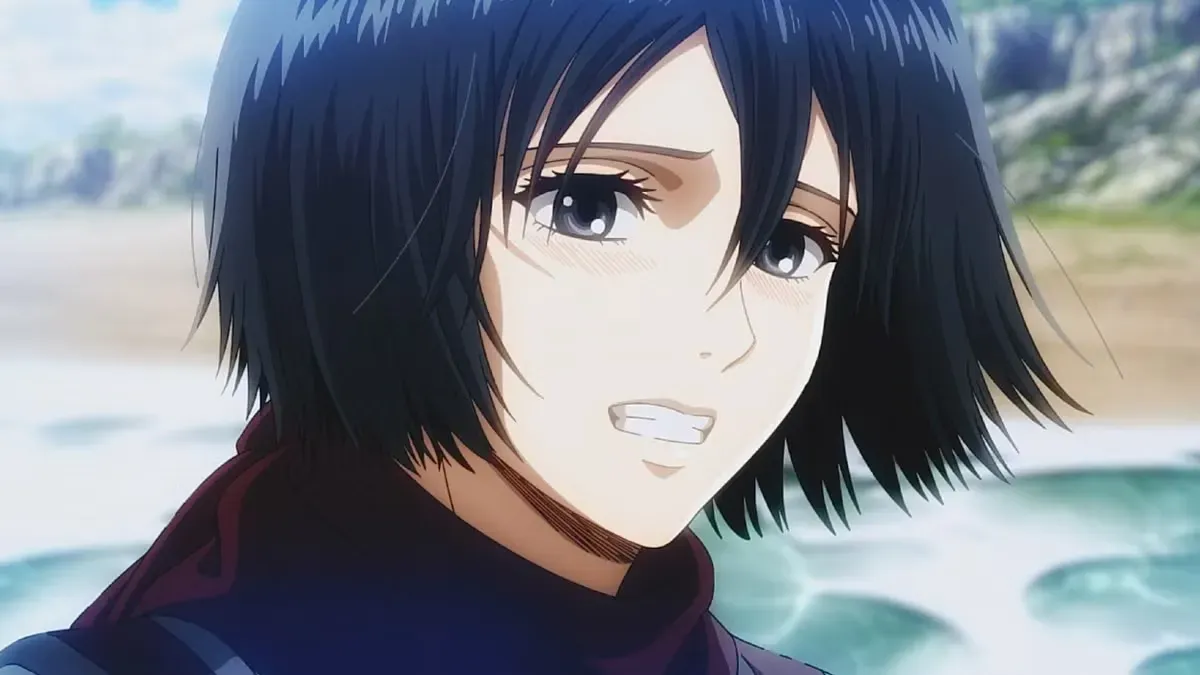
The question that haunts many viewers is simple: Does Eren Yeager die in the end? The answer is a definitive yes. In the final moments of the battle, Mikasa Ackerman realizes that Eren’s human body is located inside the mouth of his massive Founding Titan form. Entering the Titan's mouth, Mikasa decapitates Eren, putting an end to the Rumbling and the Power of the Titans. Before the final blow, the two share a moment of connection in the Paths, symbolizing their deep, tragic bond. Mikasa eventually buries Eren's head beneath the tree in Shiganshina where the series first began, completing a full narrative circle.
Key Differences Between the Anime and Manga Ending
While the core events remain the same, there are notable AOT anime vs manga ending differences that smoothed over some of the original controversy. The anime adaptation expanded upon the final conversation between Eren and Armin, clarifying Eren’s internal turmoil and his admission of being an "idiot" who gained power he couldn't fully control. Additionally, the post-credits scenes in the anime were slightly adjusted to show more time passing, emphasizing that the subsequent destruction of Paradis happened much further in the future, possibly centuries or even millennia later, making the cycle of war feel more like a human inevitability than a direct result of Eren's failure.
 Also ReadMikasa Ackerman's Fate: What Happened After the Final War?
Popular Fan Theories: Is Eren Alive in the Paths?
Despite the physical death shown on screen, numerous Attack on Titan Eren survival theories continue to circulate within the fandom. Many fans ask: Is Eren alive in the AOT finale in some metaphysical sense? One popular theory suggests that since Eren had full control of the Founding Titan and the Paths, he could have transferred his consciousness, much like Reiner did in earlier seasons. Others point to the final scene of a bird wrapping a scarf around Mikasa, or the post-credits scene of a young boy discovering the massive tree where Eren was buried, suggesting that Eren’s essence—or the "source of all living matter"—lives on, ready to be rediscovered in a new era.
Why the Attack on Titan Ending Divided the Fanbase
The Attack on Titan fan reaction to ending was polarized from the moment the manga’s final chapter was released. One segment of the fanbase felt that Eren’s character was "assassinated," arguing that his breakdown over Mikasa and his admission of confusion contradicted the stoic, determined revolutionary he had become in the final arc. Conversely, other fans praised the ending for its realism, arguing that Eren was always a traumatized child forced into a god-like role. The division stems from a fundamental disagreement on the story's themes:
- Pro-ending fans appreciate the message that human conflict is an endless cycle that even the Power of the Titans cannot break.
- Critics of the ending often feel that the 80% genocide rendered the characters' previous struggles meaningless.
- The "Paths" logic and Ymir’s love for King Fritz remain points of heavy debate regarding narrative consistency.
The Legacy of Eren Yeager’s Choice
In the end, Eren Yeager’s choice to trigger the Rumbling remains one of the most controversial decisions in fiction. By killing 80% of humanity, he ensured that his friends would live long, peaceful lives and that the Titan curse would be lifted from the Eldian people. However, the final shots of the series remind us that peace is fragile. The legacy of Eren Yeager is not one of a hero or a villain, but of a "slave to freedom" who sacrificed his humanity to give his loved ones a chance to survive in a world that originally wanted them dead. Whether his actions were a "necessary evil" or an unforgivable atrocity continues to be the heart of the Attack on Titan discourse.



















// Comments