What If Luffy Never Developed Gear Fourth?
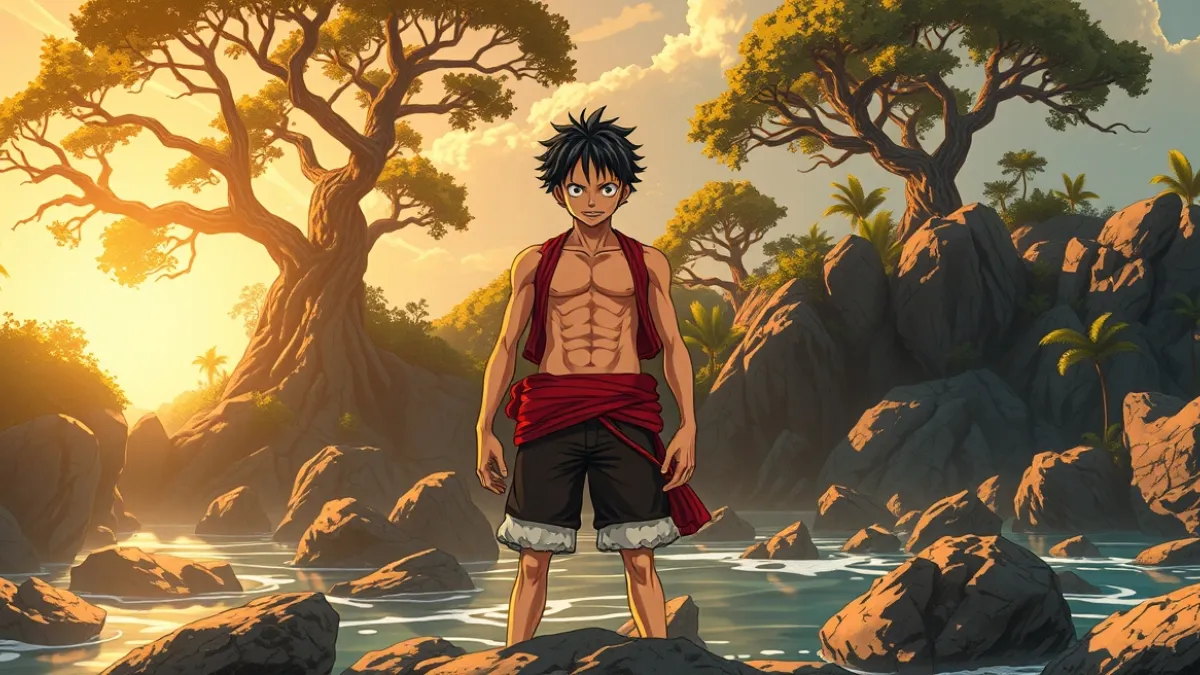
One Piece is a story about the ocean, and as any sailor in the Grand Line will tell you, the smallest change in the wind can lead you to an entirely different sea. We all know the high-octane thrill of seeing Gear Fourth for the first time in Dressrosa. The sheer bulk of Boundman, the insane speed of Snakeman, and the way it finally let our boy stand toe-to-toe with monsters like Doflamingo and Katakuri. But what if that spark of inspiration never happened during those two years on Rusukaina?
What if Luffy never developed Gear Fourth? It sounds like a small deviation, but in the world of Eiichiro Oda, power-ups are tied to character growth and destiny. Removing Gear Fourth doesn't just make Luffy "weaker"; it creates a massive ripple effect that changes how every battle is won, how the crew survives, and how the "Sun God" eventually awakens—or if he even does at all. Let's explore this alternate timeline where the "muscle balloon" never inflated.
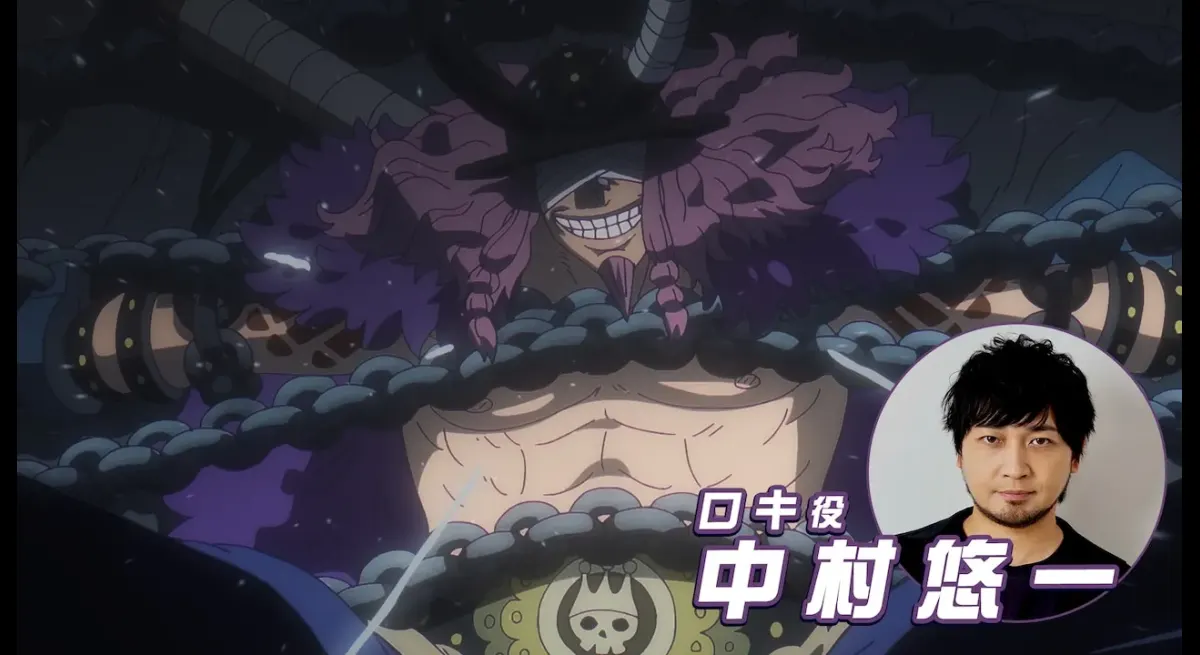 Also ReadYuichi Nakamura as Loki in "ONE PIECE": Elbaf Edition OP by Aina The End
The Dressrosa Disaster: A Test of Resolve
In the canon timeline, Gear Fourth was the only thing that could break through Doflamingo’s Spider's Web and God Thread. Without it, the Dressrosa arc becomes a horror story. Imagine Luffy stuck in Gear Second and Third, desperately trying to land a hit on a Warlord who is literally stitching his own internal organs back together. He would be completely outclassed. In this world, the alternative power wouldn't come from a new transformation, but from a deeper, more desperate reliance on his allies.
Maybe Zoro and Law would have to take a much more active role in the final showdown. We’ve seen in the One Piece character tier list how close these top-tier fighters are. Without Boundman to carry the heavy lifting, the "Grand Fleet" wouldn't just be a backup; they would be a necessity. This shift would change Luffy's psychology. He wouldn't be the lone hero carrying the world on his shoulders; he’d be a captain who truly understands that his "rubber" strength has reached its limit, forcing a premature evolution of his Haki or a totally different approach to combat.
The "No Awakening" Paradox
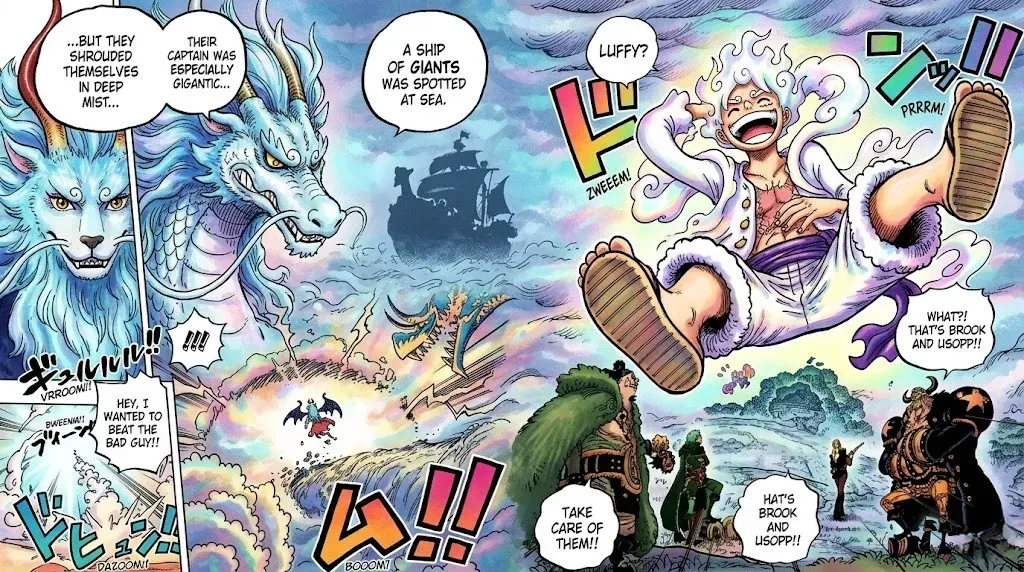
One of the most fascinating things to consider is the no awakening angle. We now know that Gear Fourth was basically the precursor to Gear Fifth—it was Luffy using Haki to force his body into a shape that mimicked the freedom of his true fruit. If he never finds that middle ground, the road to Gear Fifth becomes much steeper. Without the experience of manipulating his rubbery nature with such intensity, would his fruit ever have "realized" its true potential during the fight with Kaido?
In this timeline, Luffy might have stayed in his "base" form much longer, focusing on the pure refinement of Advanced Conqueror’s Haki. This version of the story feels more like the "Old Gen" style of Roger or Garp—winning through pure spirit and Haki rather than DF hax. It's a "Heavy Metal" version of One Piece where every punch is a struggle for survival because there is no "God Mode" waiting at the end of the tunnel. For a deeper dive into these mechanics, check out every Straw Hat Devil Fruit explained to see how the Gomu Gomu no Mi (or the Hito Hito no Mi) usually functions.
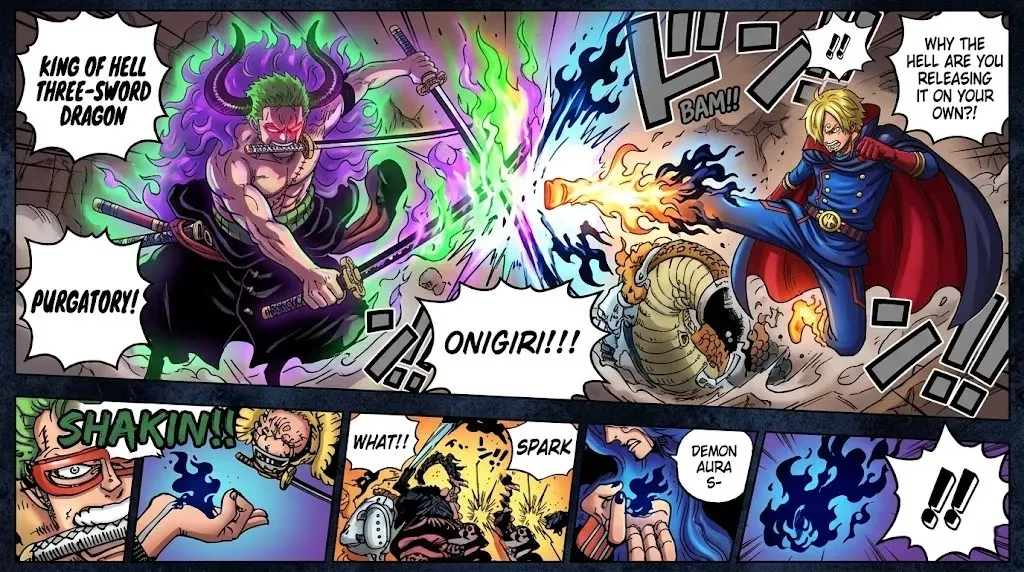
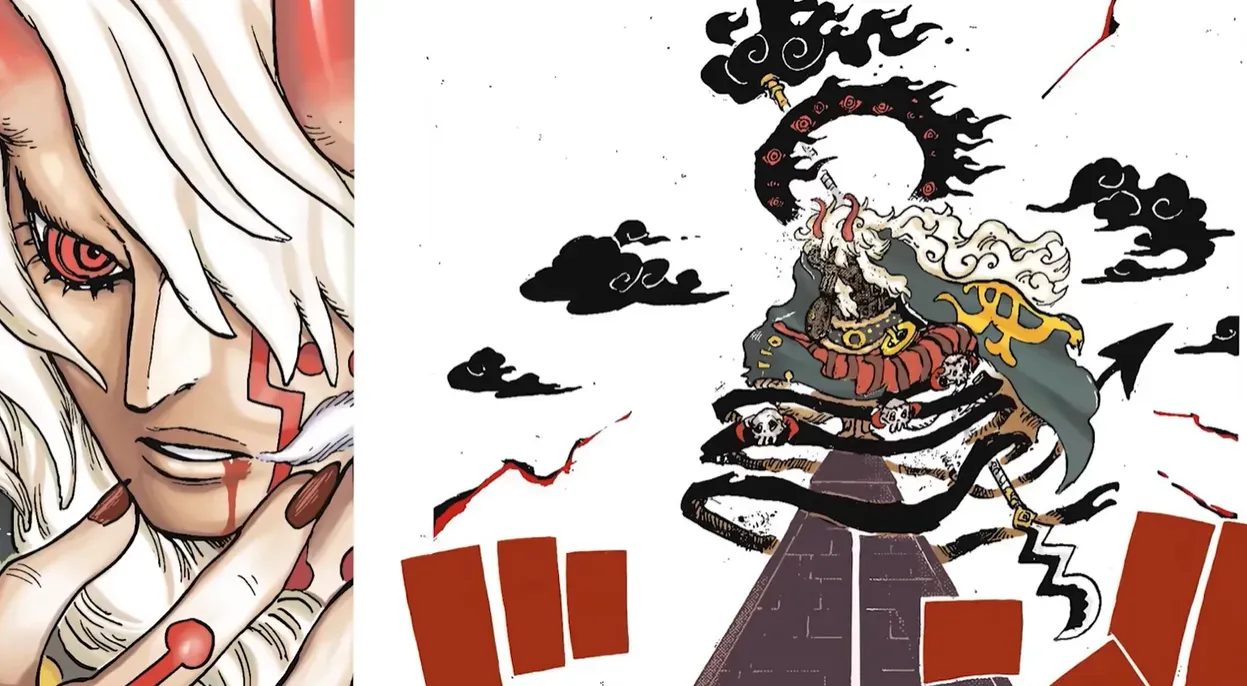 Also ReadOne Piece Chapter 1180 "Omen" Spoilers: Imu's God-Like Power Destroys Zoro & Sanji
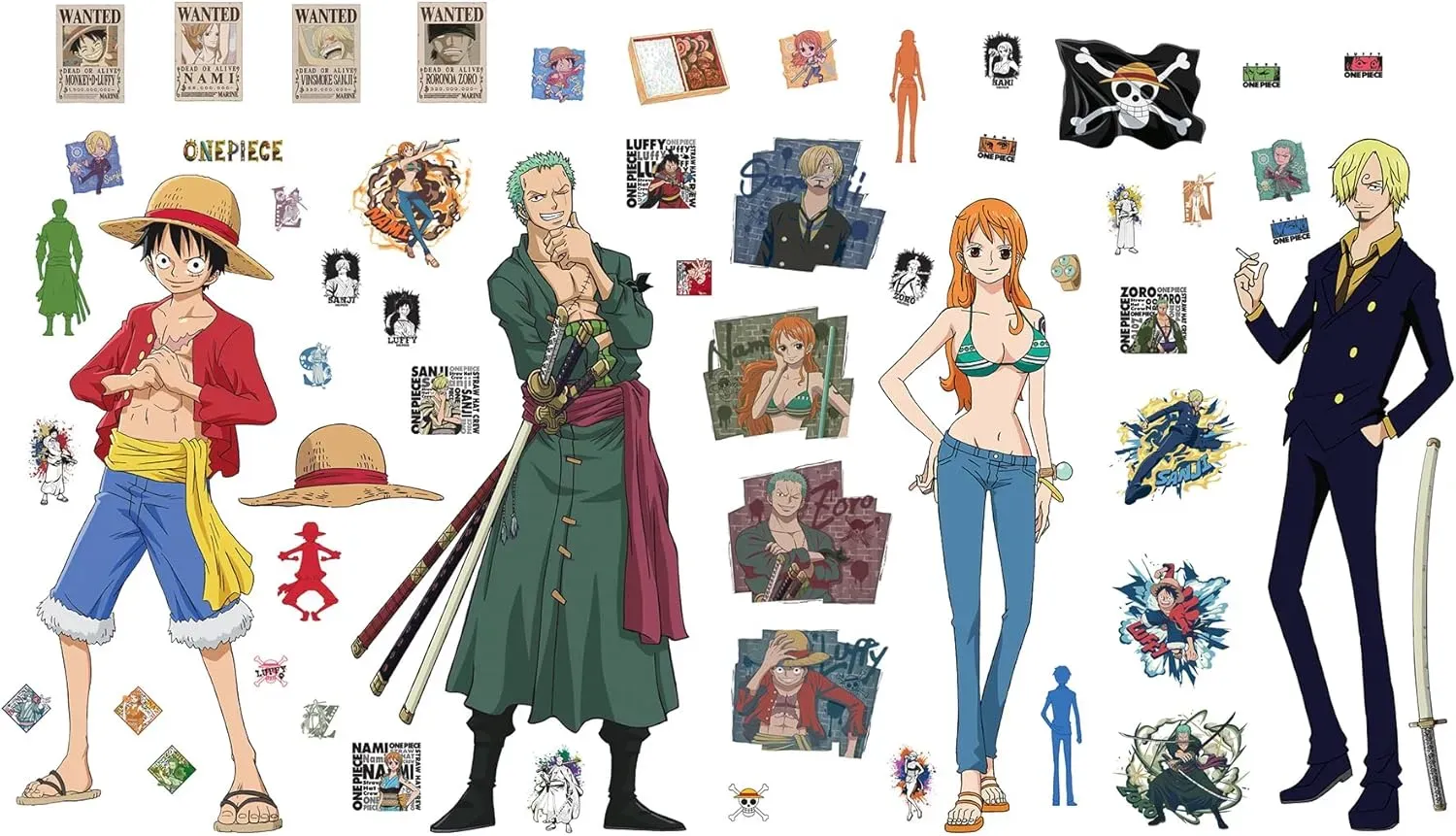
How the Straw Hats Step Up
When the captain hits a ceiling, the crew has to raise the floor. If Luffy can't one-shot a Commander, the rest of the crew has to become twice as dangerous. We might see different final saga powerups appearing much earlier in the story.
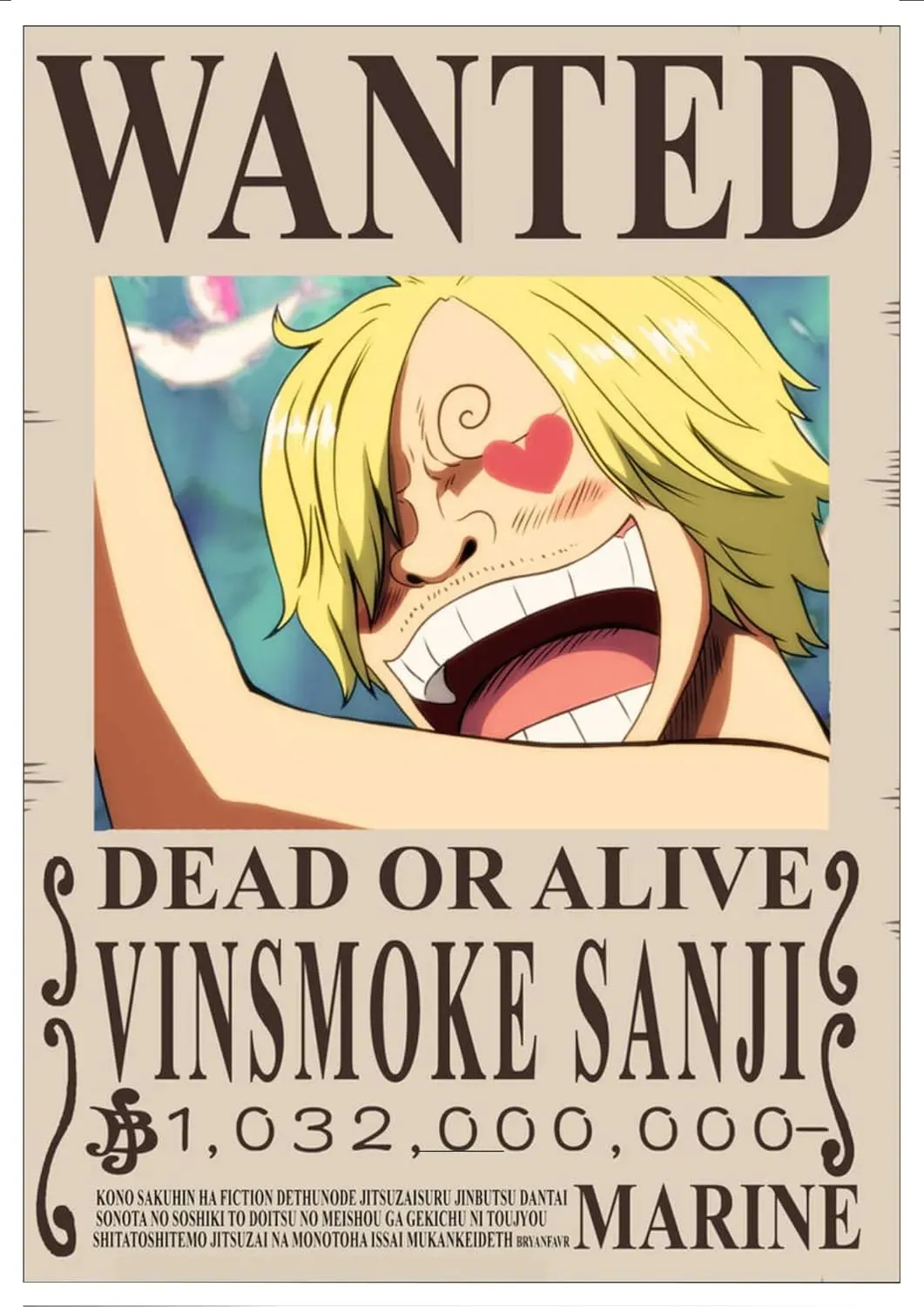
- Sanji: Without Gear Fourth to handle the heavy hitters, Sanji might have been forced to embrace his Germa 66 awakening during Whole Cake Island out of pure necessity to protect his captain.
- Nami: Her role as the tactical support would become the literal lifeblood of the crew. Battles against opponents like Cracker would require her to be the primary offensive force while Luffy acts as the shield.
- Chopper: He might have had to research more dangerous versions of the Rumble Ball specifically to give Luffy a "boost" to compensate for the lack of a fourth gear.
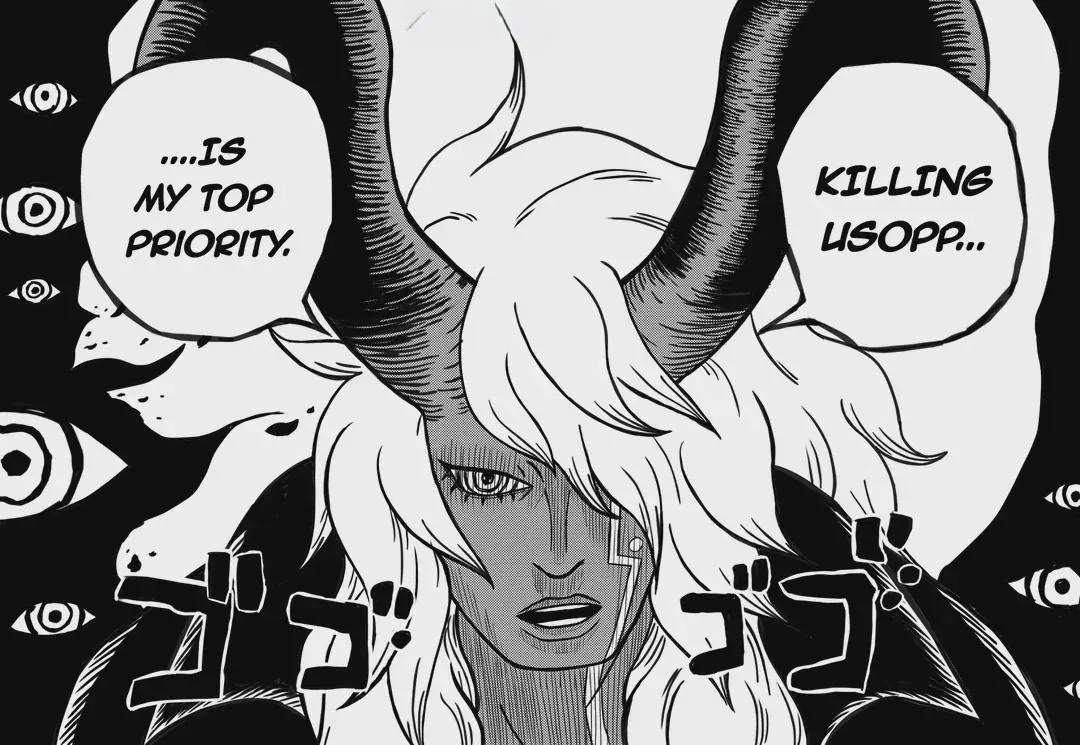
- Usopp: The "God" would need to transition from a sniper to a full-blown field commander, using his observation Haki to guide a "weaker" Luffy through the chaos of battle.
The Narrative Weight of Failure
There’s something deeply human about a version of Luffy who fails because he isn't strong enough. In the original story, Luffy is almost a force of nature—he hits a wall, he breaks it. But without Boundman, he would hit walls that he couldn't break alone. This would lead to a much more somber, reflective tone for the series. Imagine the emotional weight of the crew having to retreat from a fight they normally would have won. It would add a layer of character psychology we rarely see in the shonen genre: the acceptance of limits.
However, nature abhors a vacuum. That missing power would eventually be replaced by something else—perhaps a more "pure" version of Haki mastery that we only see from the likes of Shanks. This Luffy would be leaner, faster, and much more reliant on his "voice of all things" to predict and dismantle his enemies. It’s a different path to Laughtale, but the destination remains the same. The One Piece isn't waiting for the strongest man; it's waiting for the freest one.
Conclusion: The Path of the Unstoppable Will
At the end of the day, Gear Fourth was a bridge. It was the bridge between the goofy kid from the East Blue and the Emperor of the Sea. But even without that bridge, Luffy is still Luffy. He would have found another way, even if it meant crawling through the Grand Line with nothing but his bare fists and his iron-clad will. That’s the beauty of this series—it’s not about the "gears" or the "fruits," it’s about the man who refuses to let the world tell him he can't be free. Whether he’s bouncing around in Boundman or fighting in his base form, the heartbeat of liberation would still eventually find its rhythm. The sea is vast, and while the winds might change, the Straw Hat will always find its way to the shore of destiny.




// Comments