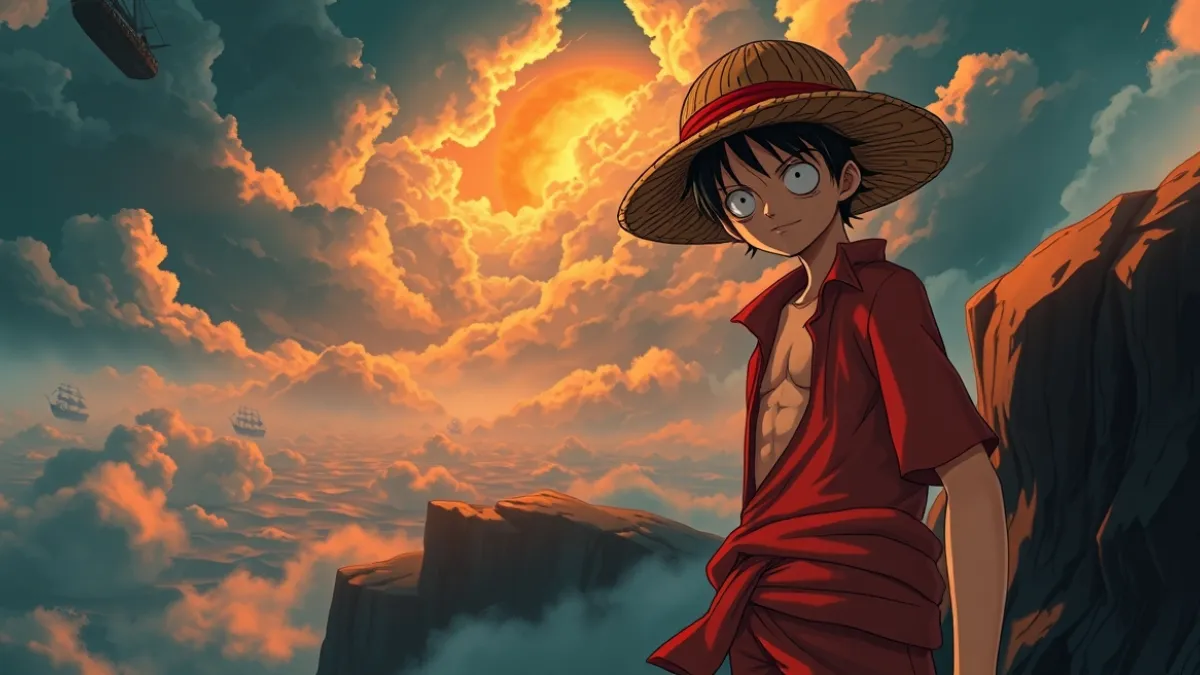
What If Luffy Was Born in the New World?
Alternate histories in One Piece are just so addictive to talk about because Eiichiro Oda built a world where everything is connected. It’s like a giant tapestry—if you pull just one single thread, the whole thing uncurls and reweaves into something totally different. One of the biggest "what if" questions that keeps me up at night is: What if Luffy was born in the New World instead of the East Blue?
I mean, think about it. The East Blue is called the "weakest sea" for a reason. It gave our rubber boy the room to grow, to fail, and to build a crew of dreamers. But the New World? That’s the "Pirate Graveyard." If Luffy had started his life there, the physical reality, the power scaling, and the emotional stakes would have shifted the entire story of One Piece before it even began. Let’s dive into how this change ripples through the Grand Line and beyond.
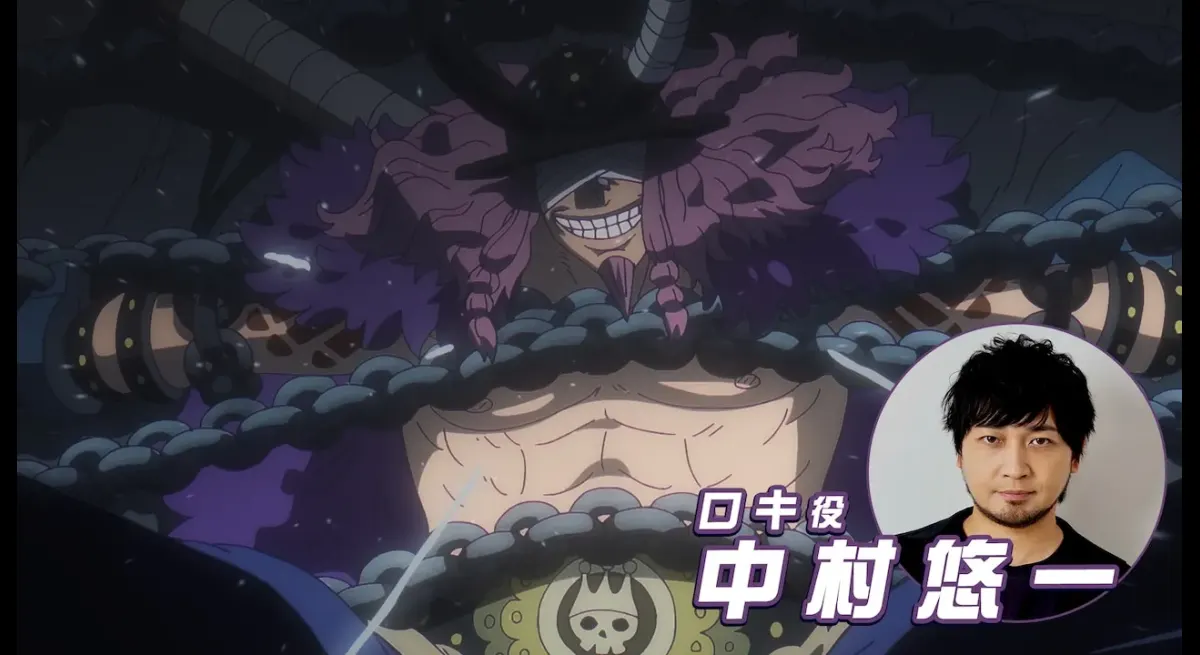 Also ReadYuichi Nakamura as Loki in "ONE PIECE": Elbaf Edition OP by Aina The End
A Childhood Defined by Yonko Shadows
In the canon story, Luffy’s childhood in Foosha Village was relatively peaceful (well, besides Garp throwing him into ravines). But if he’s born in the New World, he isn't growing up around mountain bandits; he’s growing up in the literal backyard of the Yonko. Imagine a young Luffy seeing Whitebeard’s Moby Dick or Big Mom’s singing ships on a regular basis. The scale of strength he would witness daily would be astronomical compared to seeing Higuma the Bear.
The character psychology here is huge. Luffy’s dream is about freedom, but in the New World, "freedom" is something you have to fight for against literal gods of the sea every single day. He wouldn't just be a kid with a dream; he’d be a survivor. Maybe Zoro never meets him because Zoro is stuck in the East Blue dealing with small-fry bounty hunters while Luffy is already learning the basics of Haki just to stay alive in a territory war. The people who mentor him would have to recalibrate everything they know about him.
The Butterfly Effect on the East Blue
If Luffy isn't in the East Blue, the "weakest sea" stays exactly as it is, but with a much darker fate for our favorite characters. Geographically, Shells Town and the Baratie are still there, but the people who pass through them leave different marks. Without Luffy showing up to punch out Morgan or Arlong, think about the trauma that persists:
- Nami: She might still be working for Arlong, trapped in that cycle of stealing to buy back Cocoyasi Village, never finding the "freedom" a certain rubber man promised.
- Usopp: Without the Straw Hats, Syrup Village might have actually fallen to Captain Kuro’s plan. The "brave warrior of the sea" might have just been another tragic story.
- Sanji: He’d likely still be at the Baratie, but would he ever leave to find the All Blue without that push from a captain who believes in the impossible?
The East Blue would bear the scars of pirates who fought differently because the one person who disrupted the status quo was never there to begin with. You can see how this would totally shift our One Piece character tier list, as many heroes would never even reach their potential.
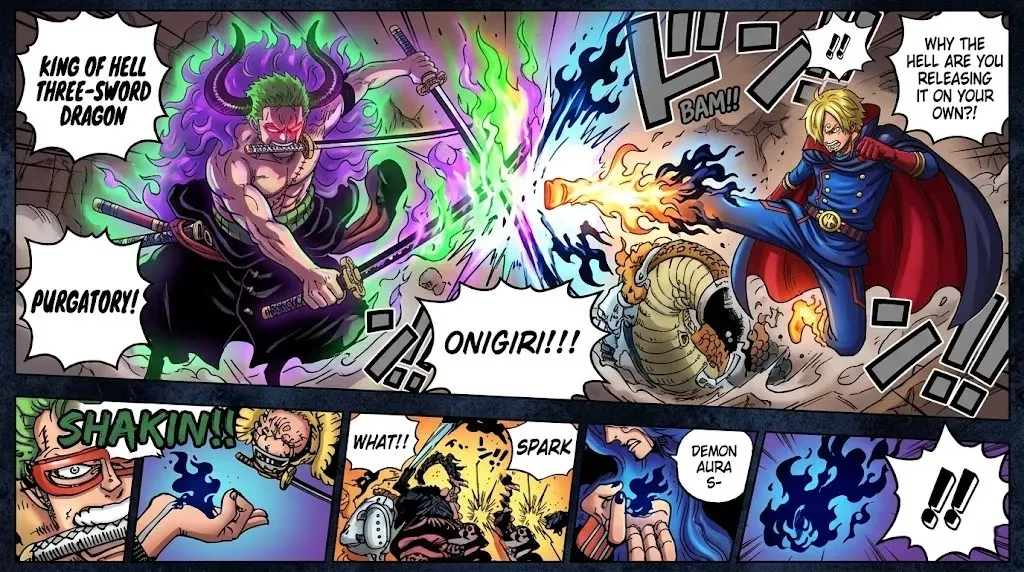
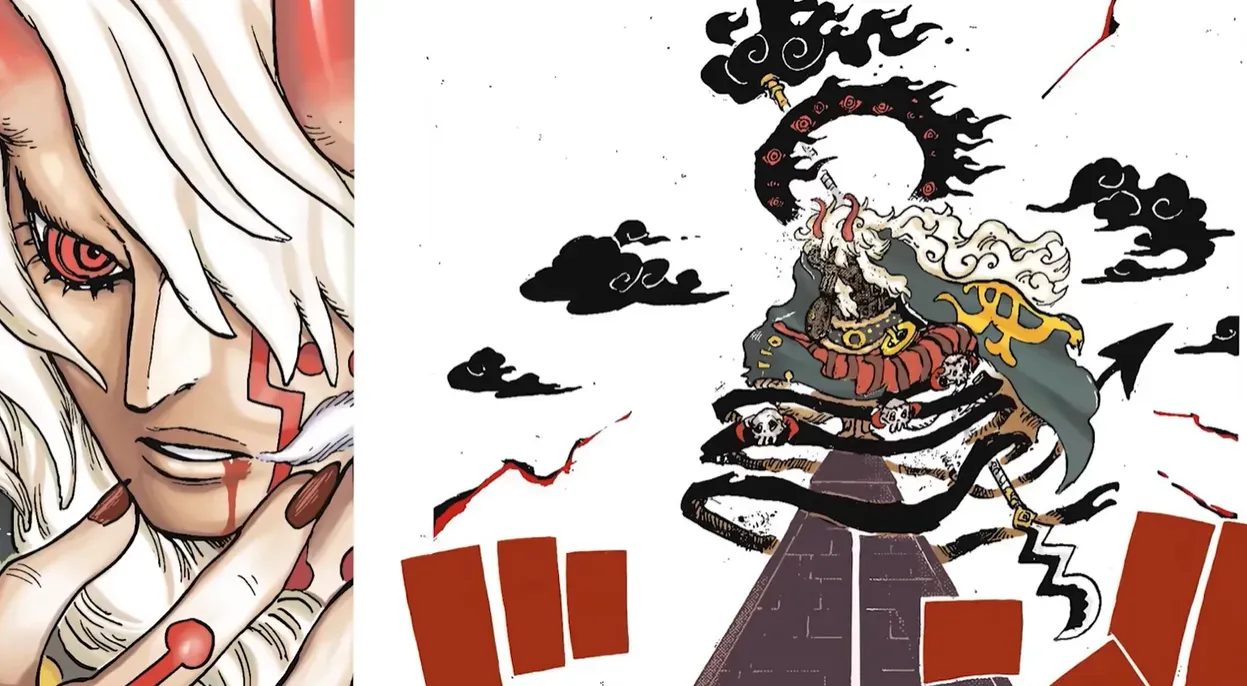 Also ReadOne Piece Chapter 1180 "Omen" Spoilers: Imu's God-Like Power Destroys Zoro & Sanji
Baroque Works and the Compounding Chaos
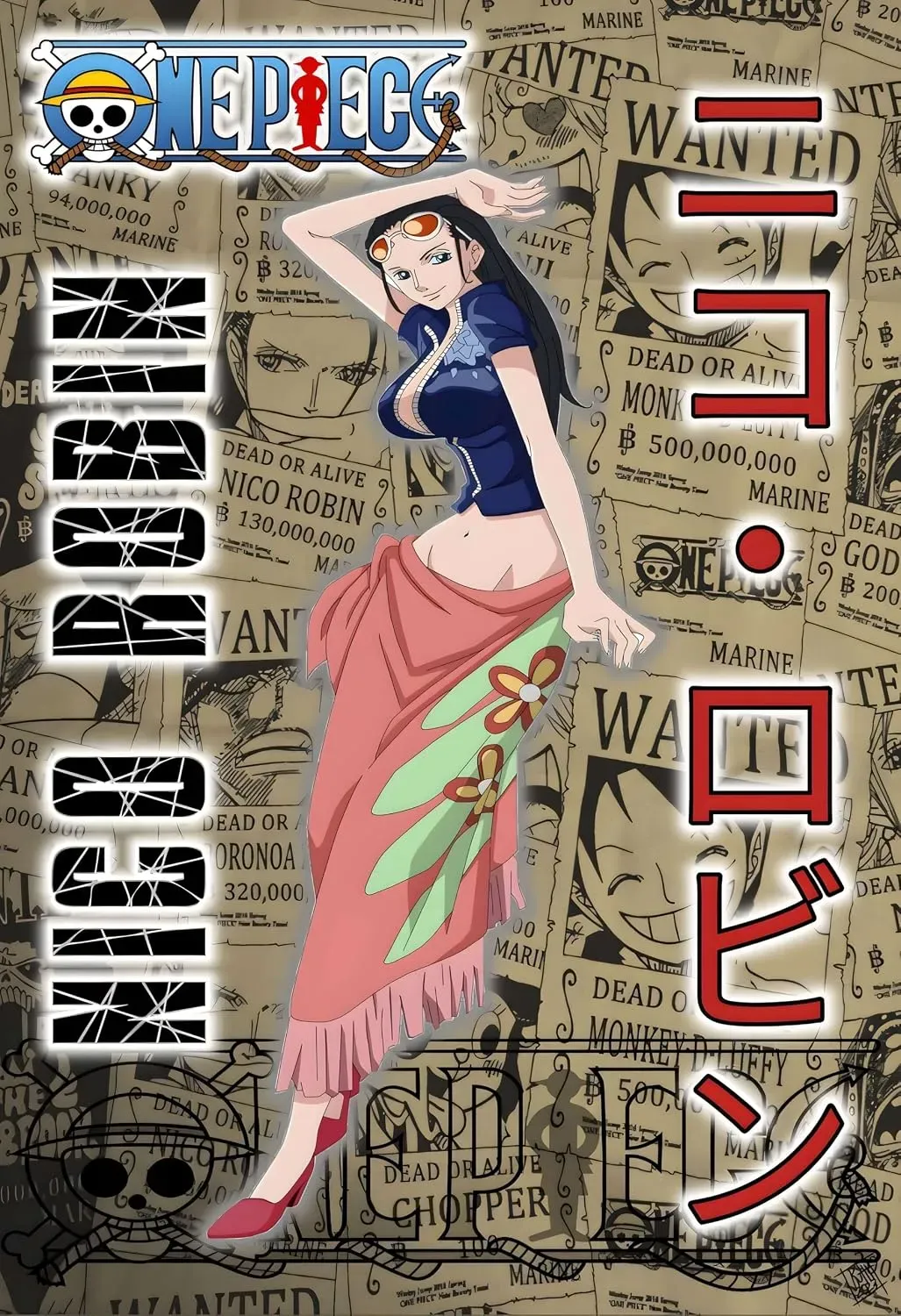
By the time the Grand Line gets involved in this timeline, the variation has compounded. In the original story, Luffy was the wrench in the gears of Crocodile’s Alabasta plan. If Luffy is busy navigating the New World, does Robin ever find a reason to live? Or does Baroque Works succeed in destabilizing a whole kingdom because no one arrived with the specific brand of chaos Luffy brings?
Even Skypiea’s eternal war might end differently—or not at all. If Enel doesn't run into a rubber man (his natural predator), he might have actually completed his "Fairy Vearth" journey with zero resistance, leaving the Sky Islands in ruins. The strength dimension here is key; the concept of a hero exists only in the context of the challenges they face. In this alternate history, the materials are different, so the results are unrecognizable.
The Worst Generation: A Reconfigured Rivalry
When we get to Sabaody, the "Eleven Supernovas" would have completely different histories. If Luffy was born in the New World, he might have arrived at the Red Line from the opposite direction, or perhaps he was already a known figure in the New World before even reaching the half-way point. His rivalries with Law or Kid would be more or less natural, but their collective impact would have a totally different texture.
The Yonkos would respond to this altered information too. Big Mom’s intelligence networks would be reporting on a "New World native" D. making waves much earlier. Kaido’s boredom might be alleviated by a young, reckless kid who doesn't know when to quit, or maybe Whitebeard takes an interest in Garp's grandson before the Marineford War even becomes a possibility. Check out every Straw Hat Devil Fruit explained to see how their canon powers contrast with the raw survival skills they’d need in this version of the story.
Conclusion: The Dream That Cannot Be Drowned
At the end of the day, whether Luffy starts in a peaceful village or the heart of a warzone, the dream persists. The sea is wide, and its secrets are deep. Even with a different upbringing, different allies, and a completely reconfigured world, I truly believe Luffy would still end up seeking the One Piece. He might be more hardened, his strength might be more refined early on, and he might even skip some of those insane final saga powerups because he had to master Haki just to survive puberty.
It’s a bit sad to think about a world where the original Straw Hat crew doesn't find each other, but that’s the beauty of Oda’s writing—it makes us value the journey we actually got. Luffy being born in the East Blue wasn't a mistake; it was the foundation for the liberation of the entire world. But man, seeing a "New World Born" Luffy clashing with Kaido at age 15? That would have been something else. Somewhere at the end of the Grand Line, Laughtale is still waiting, patient as the ocean, for whoever the currents of history finally wash ashore.






// Comments