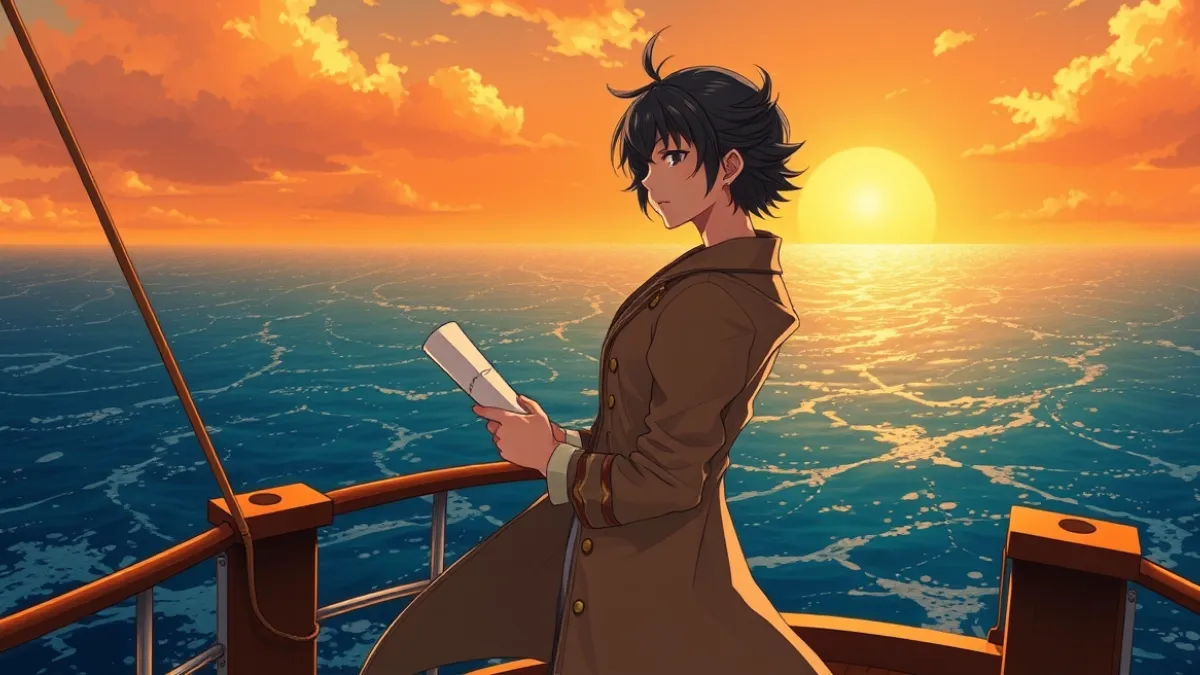

What If Nami Became the Straw Hat Crew's Captain?
The question changes everything the moment you ask it seriously. In the world of One Piece, where Devil Fruits reshape destinies and the ocean holds secrets older than any living nation, small shifts in a single moment cascade into entirely different histories. We usually think of the Nami we know—the brilliant navigator who keeps the boys in line—but what if the hierarchy was flipped from day one? What if she was the one with the black hat and the final word?
Consider the scenario: Nami became the Straw Hat crew's captain. It sounds simple on the surface, maybe even like a comedy bit where she just bosses everyone around more. But it is anything but simple. If Nami is the captain, the entire soul of the journey shifts from a reckless sprint toward freedom to a calculated, strategic chess match against the sea itself. It’s a fascinating "what if" because it forces us to look at how much a captain's dream dictates the reality of everyone under them.
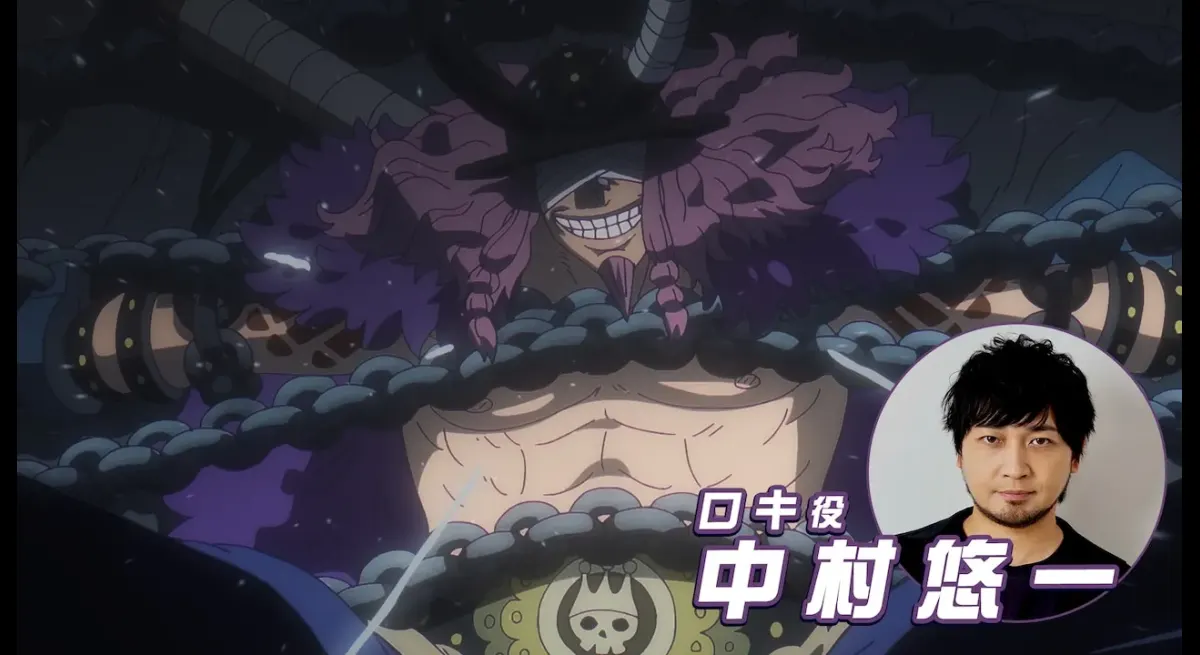 Also ReadYuichi Nakamura as Loki in "ONE PIECE": Elbaf Edition OP by Aina The End
A Different Kind of Command: Strategy Over Instinct
The immediate consequences ripple outward in unexpected directions. Characters who relied on specific circumstances find their footing altered. In the canon, Luffy’s "go for it" attitude often forces the crew into impossible situations where they have to grow or die. As a captain, Nami’s primary instinct isn't adventure—it’s survival and profit. She’s the girl who spent years stealing from pirates to buy back her village, after all. Her leadership wouldn't be about picking the biggest fight; it would be about avoiding the ones you can't win.
Alliances that formed because of particular events either don't happen or take entirely different shapes. Would the crew even go to Enies Lobby? If Nami was making the final call, she might have looked at the Buster Call and decided the risk was too high, or she would have found a way to blackmail the World Government instead of declaring war. The power structures that hold the One Piece world together—the Yonkos, the Marines, the Shichibukai, the Revolutionary Army—all shift when one variable changes. A "Captain Nami" isn't a symbol of liberation like Nika; she’s a mastermind who likely builds an empire of information and wealth.
The Psychological Shift of the Navigator-Queen
Among the most significant changes would be the effect on Nami herself. Her role in the story is fundamentally tied to the conditions we're imagining as different. Usually, she’s the anchor of reality for a crew of dreamers. Without those conditions—without a Luffy to balance her caution—she must adapt, improvise, or discover entirely new paths through the world. The strength that was forged in the fire of Arlong's betrayal now must be forged in the fire of absolute responsibility. If she fails, her crew doesn't just get hurt; they die because of her orders.
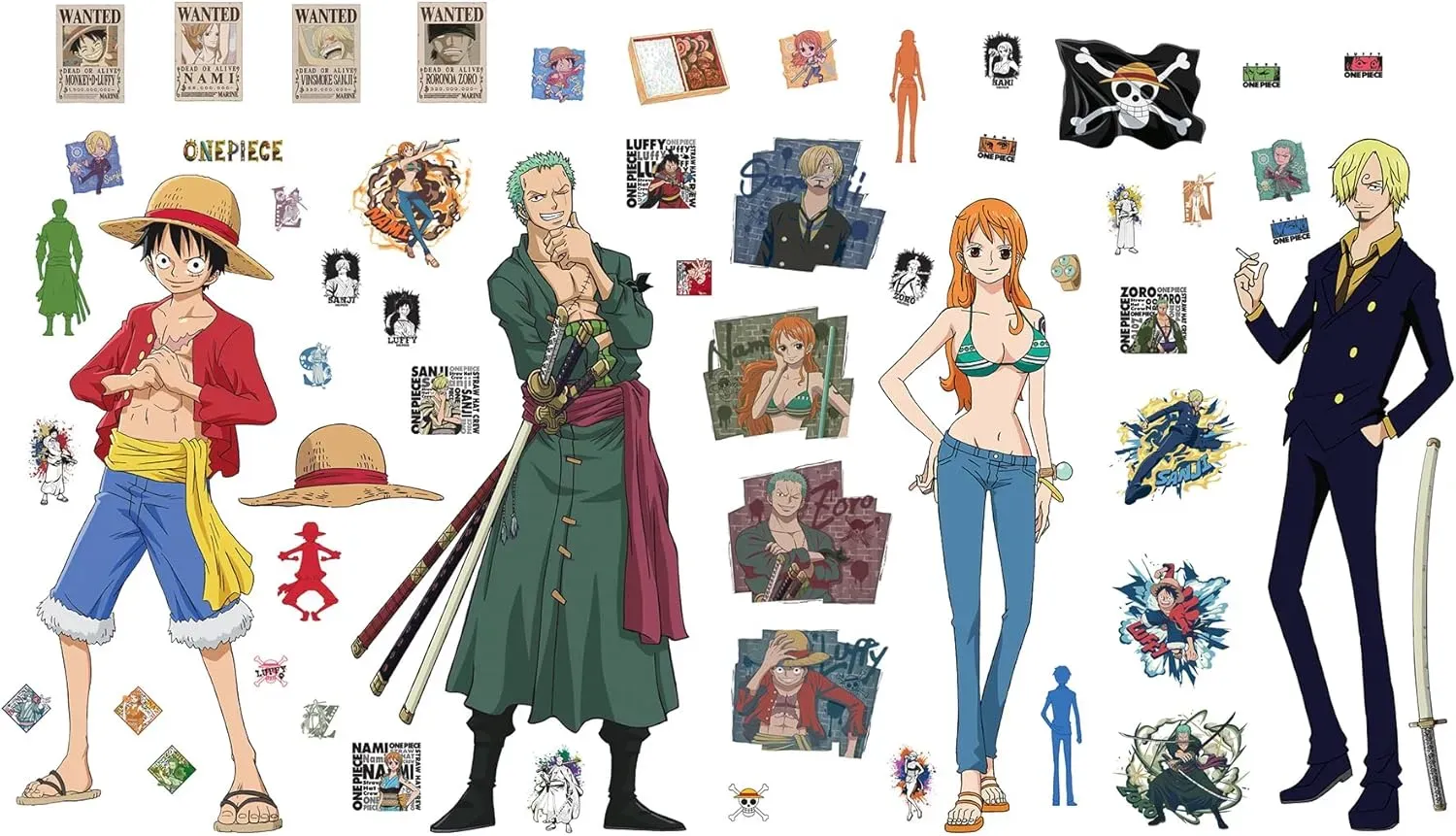
The crew dynamics, if a crew is involved, shift noticeably. Trust is built differently when the circumstances that originally forged bonds are altered. Think about the recruitment. Zoro might not follow a captain who doesn't have that "it" factor of raw, overwhelming power, unless Nami proves she’s the smartest person on the ocean. Trust in this version of the Straw Hats would be based on competence rather than just vibes and dreams. Nami's suspicion, Zoro's loyalty, Sanji's pride, Robin’s isolation—all of these emerge from specific experiences. Change the experience, and the character who emerges from it is recognizably similar but genuinely different. You can see how this would completely flip the rankings on a One Piece tier list, as Nami's value becomes her brainpower rather than her Clima-Tact.
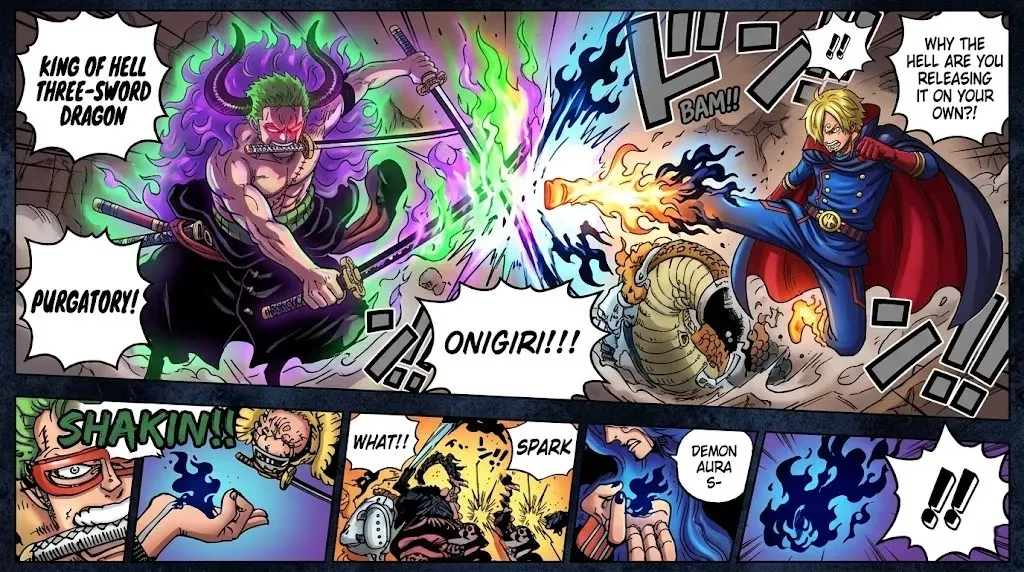
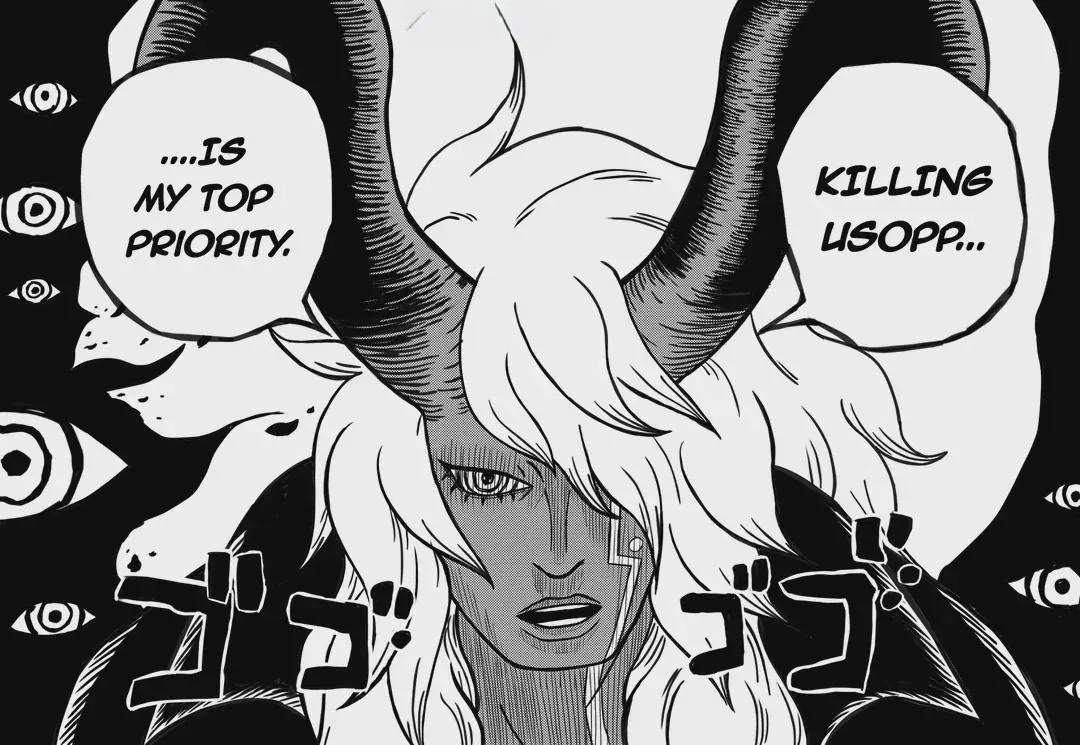
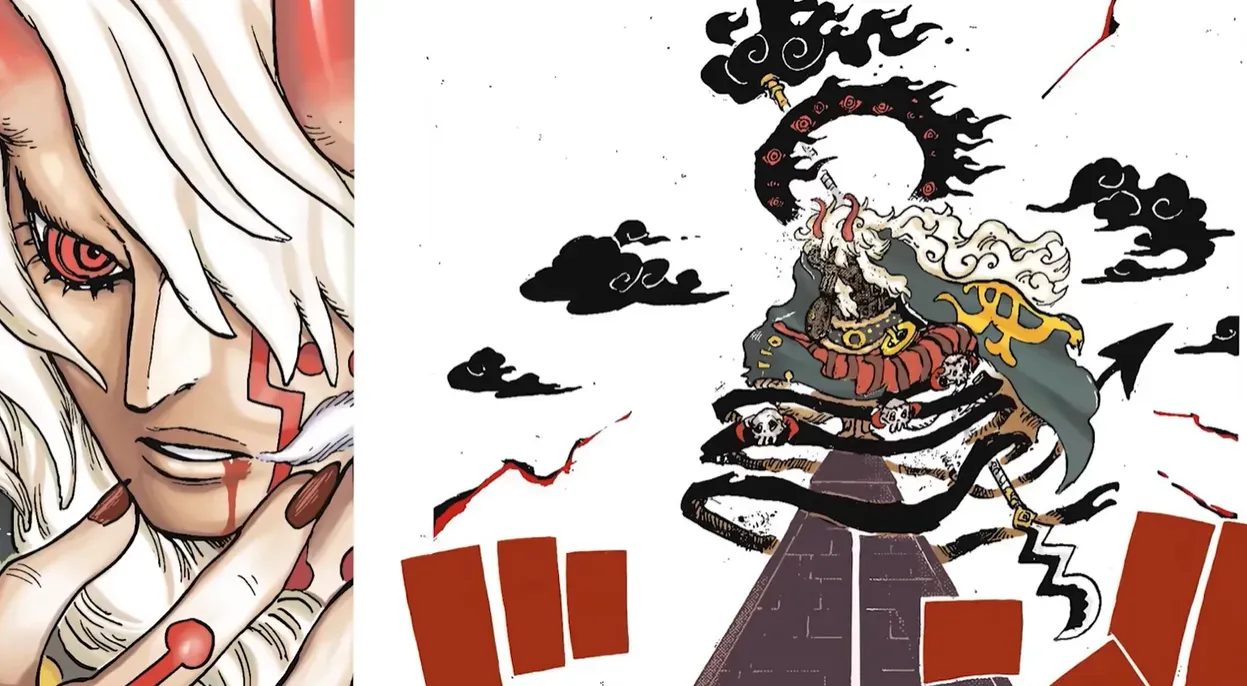 Also ReadOne Piece Chapter 1180 "Omen" Spoilers: Imu's God-Like Power Destroys Zoro & Sanji
The Marine Response: Chasing a Shadow, Not a Storm
The Marines respond differently as well. Luffy is a loud, bright fire that they can easily track. A Nami-led crew would be like a ghost ship. The World Government's calculations about threats, priorities, and acceptable sacrifices are all recalculated. Admiral deployments change because you don't send Akainu to fight someone who is three islands away by the time you arrive. Cipher Pol priorities shift toward counter-intelligence rather than just brute force. The machinery of global governance, which runs on predictions and patterns, suddenly finds its predictions unreliable because Nami doesn't play by the rules of "shonen" logic—she plays by the rules of the weather.
In the long arc of this alternate history, the search for the One Piece continues—it always continues, because the dream is bigger than any single circumstance. But the path through the Grand Line looks different. Islands that were pivotal, like Drum Island or Alabasta, might become less so if Nami decides the political risk isn't worth the reward. Islands that were background become critical. Maybe they spend more time in Sky Island because of the sheer amount of gold they could "liberate." The map of what matters is redrawn, literally, by her hand.
Would the Powerups Still Happen?
Fans always wonder about the "gear" system. Without the Gomu Gomu no Mi, the every Straw Hat devil fruit explained guide would look very different. Nami as captain might rely more on technology and Haki earlier on. She’d probably force Usopp and Franky to turn the ship into a floating fortress of science. We wouldn't see Gear 5, but we might see a crew that uses weather-based Haki or advanced weaponry that rivals the Ancient Weapons. Even every Straw Hat pirate powerup in the final saga would be focused on control and environmental mastery rather than just punching harder.
- Luffy as First Mate: He’d be the heavy hitter, the "Zoro" of the crew, arguably even more dangerous because he’d be pointed like a weapon by Nami.
- Sanji's Role: Sanji would likely be even more devoted, but he might struggle with a captain who makes cold-hearted tactical sacrifices.
- Medical Oversight: Chopper would have to deal with a crew that takes fewer physical risks but faces much more psychological stress.
- The Soul of the Ship: Brook would provide the rhythm for a much more organized, rhythmic style of piracy.
The Enduring Heart of the Straw Hats
What doesn't change is the essential nature of the people involved. Even in a world where she wears the captain's coat, Luffy still wants to be King of the Pirates (or maybe the freest man on the sea under her command). Zoro still wants to be the world's greatest swordsman. Nami still wants to map the world. The dreams are durable even when the journey through them shifts entirely. This is perhaps the most important thing the what-if exercise reveals: character runs deeper than circumstance.
The people are recognizable across all the timelines because the core of who they are persists even when everything around them changes. They adapt. They grow differently. But they remain, fundamentally, themselves. Nami might be more stressed as a captain, but her love for her "family" would still be the thing that keeps the ship afloat during the darkest nights of the New World. And in some version of the story, the One Piece is still out there. Waiting. The ocean keeps its secrets across every possible history, and whether it's a rubber man or a weather-witch leading the way, the dawn will eventually come.
At the end of the day, thinking about Nami as the captain makes you realize just how much she already does. She's the "hidden captain" in many ways, steering the destiny of the future Pirate King every single day. If she truly took the mantle, the world might be a bit more organized, the crew might be a lot richer, and the journey might be a lot safer—but the bond would be just as unbreakable. The sea is vast and terrifying, but with Nami at the helm, you know you're at least going to find your way home.






// Comments