Introduction to the Most Dropped Anime Series
In the golden age of streaming, anime fans have more choices than ever before. With hundreds of new series premiering every year across various platforms, the competition for a viewer's time is fierce. This abundance has led to a fascinating phenomenon in the community: the rise of the most dropped anime. While some shows capture our hearts for hundreds of episodes, others lose their audience before the first commercial break of episode two.
The act of dropping a series—stopping mid-watch with no intention of returning—is a powerful statement of a show's failure to engage. Whether it is a highly anticipated adaptation that falls flat or an original project that loses its way, understanding why certain popular anime everyone stopped watching is crucial for both creators and consumers. In this guide, we dive deep into the statistics and sentiments behind the shows that fans simply couldn't finish.
As we navigate the landscape of 2026, the data shows that high drop rates are no longer just reserved for "bad" shows. Sometimes, even visually stunning masterpieces become the most abandoned anime of all time due to structural or narrative choices. By analyzing these trends, we can better understand the evolving tastes of the global anime audience, including the 10 Most Disappointing Winter Anime 2026 currently trending.
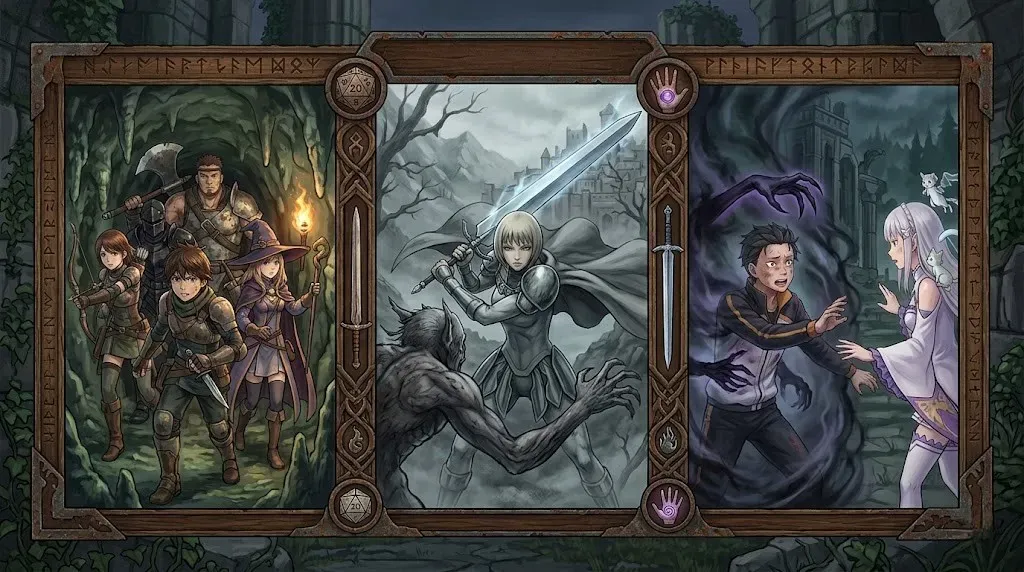
 Also Read10 Best Dark Fantasy Anime Similar to Claymore, Ranked
Defining What Makes an Anime "Dropped"
To discuss the most dropped anime series, we must first define what it means to "drop" a show. In the context of database sites like MyAnimeList or AniList, a dropped status indicates that a user started a series but officially moved it to their "dropped" list rather than "on-hold" or "completed." This isn't just about missing an episode; it is a conscious decision to sever ties with the narrative.
Usually, the "Three-Episode Rule" is the standard benchmark. Fans often give a show three episodes to prove its worth. If a viewer leaves before this point, it often points to a failure in the hook or premise. If they drop it much later, say at episode eight of twelve, the issue usually lies in pacing, a disappointing plot twist, or a decline in animation quality.
Defining these metrics helps us differentiate between shows that were simply never watched and those that were actively rejected. An anime with high drop rates suggests that the initial marketing was successful enough to get people through the door, but the actual content wasn't strong enough to keep them in their seats.
The Rise of Seasonal Burnout in the Anime Community
One of the primary drivers behind why fans drop anime in 2026 is seasonal burnout. With over 50 shows airing in a single three-month window, viewers often adopt a "survival of the fittest" mentality. When a schedule is packed with heavy hitters, the mid-tier shows are the first to be sacrificed to make room for the latest viral hit.
 Also Read15 Best War Animes of All Time, Ranked
This burnout is exacerbated by the "hype culture" prevalent on social media. Fans flock to a series because it is trending, but if the show doesn't provide immediate gratification or a unique hook, the initial excitement fades quickly. This leads to a massive spike in dropped numbers by week four of any given season.
Furthermore, the mental energy required to keep up with multiple complex plots can be taxing. When a series becomes "homework" rather than entertainment, it becomes a prime candidate for the dropped list. This trend has forced studios to reconsider how they pace their first few episodes to ensure maximum retention in an era of dwindling attention spans.
Criteria for Ranking the Most Dropped Series
Ranking the most dropped anime isn't just about looking at the highest raw numbers. We must consider the ratio of "Plan to Watch" versus "Dropped" to get an accurate picture of audience dissatisfaction. Our criteria for this list include:
- Statistical Drop Rate: The percentage of users on major tracking platforms who marked the show as dropped compared to those who completed it.
- Community Sentiment: General consensus across forums and social media regarding the show's "unwatchable" nature.
- Expectation vs. Reality: How far the final product fell from the initial hype generated by trailers or source material.
- Historical Data: Whether the show consistently appears as one of the lowest rated anime on MyAnimeList's bottom tier.
By using these weighted factors, we can identify which series truly struggled to maintain their audience versus those that were just niche and misunderstood. The following ten entries represent the pinnacle of viewer abandonment.
10 Most Dropped Anime Series Everyone Stopped Watching
1. EX-ARM

Widely regarded as a modern disaster, EX-ARM holds a legendary spot among the most dropped anime. Marketed as a revolutionary sci-fi action series, its jarring, unfinished-looking CGI animation became a meme overnight. Most viewers didn't make it past the first five minutes, resulting in a drop rate that remains one of the highest in history.
2. Pupa
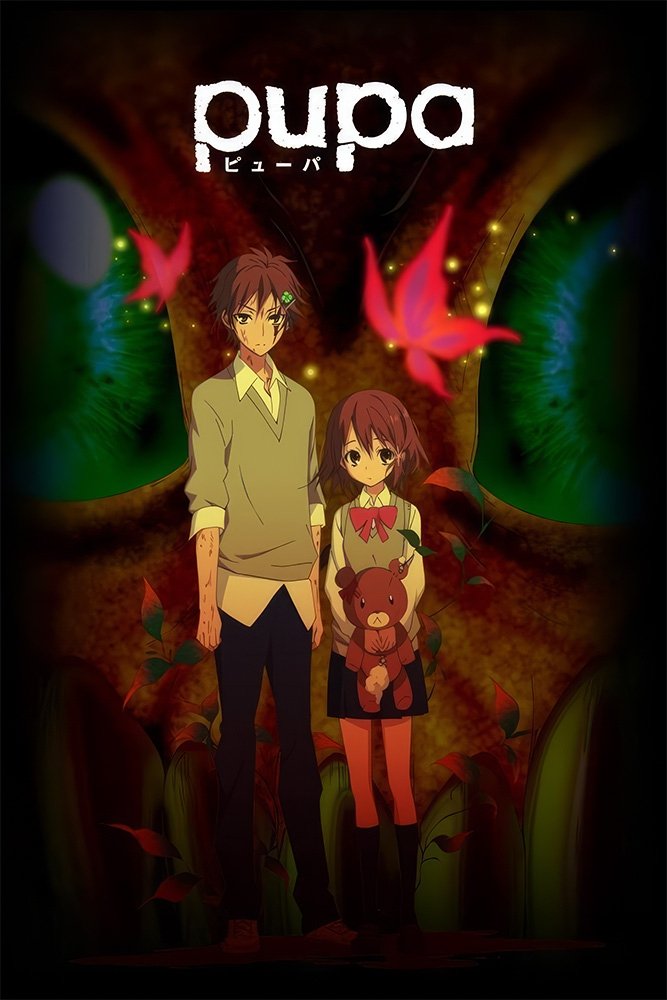
Pupa is a masterclass in how to fail an adaptation. Despite a haunting and popular manga source, the anime was plagued by production issues, resulting in episodes that were only four minutes long and heavily censored. Fans who expected a psychological horror masterpiece found a disjointed, confusing mess and abandoned it almost immediately.
3. Mars of Destruction

Frequently cited as one of the lowest rated anime on MyAnimeList, this OVA is a staple of "so bad it's bad" lists. With nonsensical plotting, stolen sound effects, and laughable animation, it has become a rite of passage for fans to start it just to see how quickly they feel the urge to drop it.
4. The Detective Is Already Dead
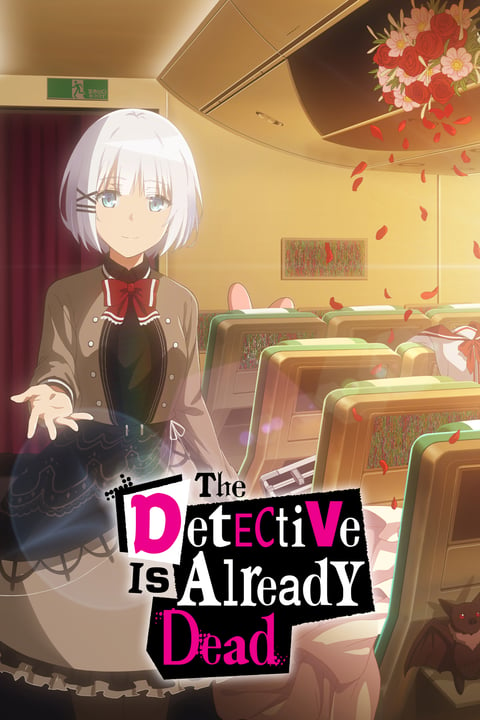
This series is a prime example of a show with high drop rates due to a spectacular first episode that the rest of the season couldn't live up to. After a high-budget, 45-minute premiere, the series devolved into slow pacing and convoluted dialogue, causing a mass exodus of viewers who felt "clickbaited" by the start.
5. Gibiate

Gibiate featured high-profile character designs from Yoshitaka Amano (Final Fantasy), yet it became one of the most abandoned anime of all time. The combination of dated CGI monsters and a repetitive, uninspired plot led to a swift decline in viewership, as the "Amano hype" couldn't save the poor execution.
6. Hand Shakers

Hand Shakers is infamous for its "visual overload." The studio, GoHands, used experimental camera angles and hyper-saturated colors that literally gave some viewers motion sickness. The aesthetic was so polarizing and difficult to follow that the drop rate spiked within the first two episodes.
7. Taboo Tattoo

What started as a promising supernatural action series quickly lost its audience due to tonal whiplash. The show jumped between serious violence and jarring comedy so frequently that fans couldn't connect with the story or characters, leading many to mark it as "dropped" by the halfway point.
8. Glasslip

Produced by P.A. Works, a studio known for beautiful slice-of-life series, Glasslip was a major disappointment. It is often called the "anime where nothing happens." After twelve episodes of vague metaphors and zero character progression, a significant portion of the audience stopped watching out of sheer boredom.
9. Platinum End

Coming from the creators of Death Note, expectations for Platinum End were sky-high. However, the protagonist's extreme passivity and the show's heavy-handed nihilism turned off many viewers. While it had its defenders, the "drop" count on tracking sites tells a story of lost potential, even featuring some male anime characters with long hair that couldn't save the interest.
10. Berserk (2016)

The 2016 adaptation of Berserk is perhaps the most heartbreaking entry. Fans had waited decades for a continuation of Guts' story, only to be met with "clanging" sound effects and poorly integrated 3D models. It remains a top candidate for most abandoned anime because fans preferred to read the manga rather than suffer through the adaptation.
Common Tropes That Lead Fans to Stop Watching
While technical failures like bad animation are obvious, certain narrative tropes are equally responsible for making an anime "unfinishable." One major culprit is the "overpowered but bland" protagonist. In the saturated Isekai genre, many viewers drop shows the moment they realize the lead character will face zero stakes or personal growth.
Another common reason why fans drop anime is excessive fanservice that interrupts the plot. While common in certain genres, when it feels forced or exploitative in a serious story, it can alienate the core audience. Additionally, the "misunderstanding" trope—where a plot is dragged out simply because two characters refuse to have a basic conversation—is a frequent trigger for the "Dropped" button.
Finally, the "over-explanation" trope, where characters narrate every single action during a fight, can kill momentum. Modern audiences in 2026 value "show, don't tell." When a series treats its viewers like they can't follow the action, it often loses its more mature or seasoned fanbase.
The Impact of Poor Pacing and Animation Quality
Pacing is the silent killer of anime retention. A show can have a great premise, but if it spends five episodes on a minor subplot, viewers will drift away. Conversely, rushing through major story arcs can make the narrative feel hollow. Finding that "Goldilocks zone" of pacing is essential for keeping a show off the most dropped list.
Animation quality, while subjective to an extent, has a baseline that fans expect. In an era where shows like Crunchyroll favorites Demon Slayer or Jujutsu Kaisen have set the bar incredibly high, "average" animation can feel like a failure. If the art style fluctuates wildly or relies on stiff CGI, it breaks the immersion necessary for a viewer to stay invested.
For many, the visual experience is a primary reason to choose anime over manga. If the anime doesn't offer a visual upgrade or at least a competent adaptation of the art, fans will naturally revert to the source material. This is why many of the most abandoned anime of all time are those that failed to translate a beautiful manga into a functional animated series.
How Streaming Trends Affect Completion Rates
The way we consume anime has changed the metrics for success. The "simulcast" model encourages viewers to pick up 10-15 shows at once. However, this also makes it easier to discard them. In the past, when fans bought physical media or watched on TV, they were more likely to stick with a show because of the financial or time investment. Now, dropping a show costs nothing.
Furthermore, the "binge-watch" culture created by platforms like Netflix has altered our patience. If a show doesn't "get good" by episode three, viewers aren't willing to wait until episode twelve. This has led to a "front-loading" trend where studios put all their budget into the first few episodes, often leading to a visible drop in quality—and a subsequent rise in drops—later in the season.
Social media echo chambers also play a role. If the collective "vibe" on Twitter or Reddit turns against a show early on, casual viewers are more likely to drop it without giving it a fair chance. You can see more about how these trends fluctuate on the MyAnimeList Wikipedia page, which tracks the history of these community interactions. Some fans even transition to watching musical anime to inspire learning anime instruments rather than following the latest failed releases.
Conclusion: The Future of High-Stakes Anime Retention
The list of the most dropped anime series is a sobering reminder that quality and engagement are not guaranteed, even with a big budget or a famous name attached. As we move further into 2026, the battle for audience attention will only intensify. Studios must focus on strong hooks, consistent quality, and avoiding the "tired tropes" that lead to abandonment.
For fans, the ability to drop a show is a form of consumer power. It signals to the industry what is and isn't working. While it is always disappointing when a series fails to live up to its potential, the high turnover rate ensures that only the truly exceptional stories rise to the top and stay there.
Ultimately, the "most dropped" label isn't always a death sentence—sometimes it's a badge of honor for being experimental or niche. But for the shows that everyone stopped watching due to poor execution, they serve as valuable case studies for the future of the medium. As always, the best way to avoid being a statistic is to provide a story worth finishing.










// Comments