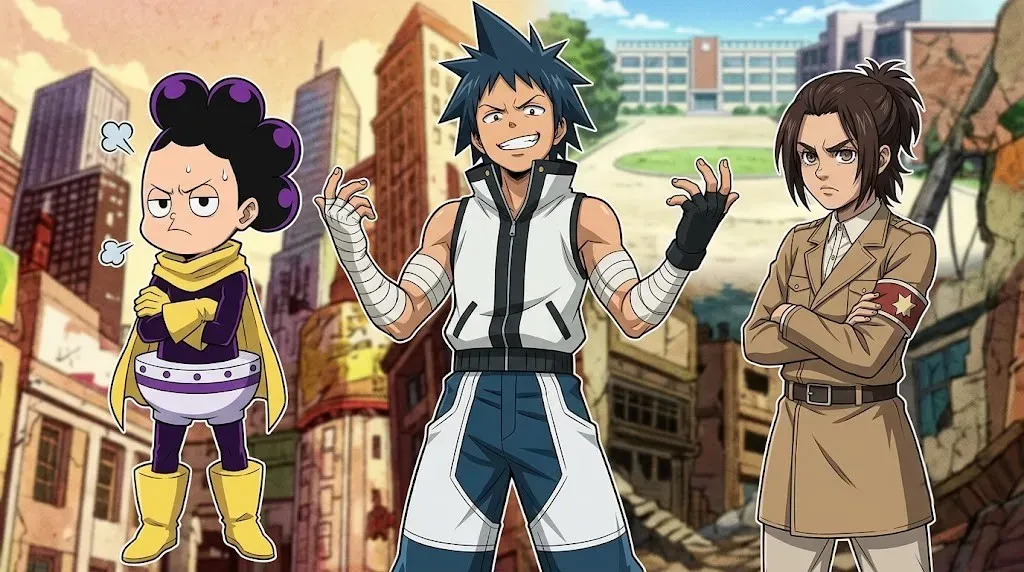
Introduction to Annoying Anime Characters
Every anime fan has that one character who makes them want to reach through the screen and hit the mute button. Whether it is a grating catchphrase, an inexplicable sense of entitlement, or a tendency to stall the plot with useless whining, the most annoying anime characters can turn a masterpiece into a chore. While we often celebrate the heroes and villains, the characters who truly stick with us—for better or worse—are often the ones who irritate us the most.
In the evolving landscape of 2026 animation, creators are taking more risks with character design, sometimes intentionally creating divisive anime personalities to spark conversation. However, there is a fine line between a character who is "fun to hate" and one that simply makes the viewer want to drop the series entirely. From classic shonen archetypes to hated modern anime characters, the hall of shame is filled with individuals who have tested the patience of millions.
Understanding the "annoyed anime character" trope is essential for any deep dive into the medium. These figures often serve as a mirror to our own frustrations or represent the worst traits of humanity amplified by the stylization of Japanese animation. In this guide, we rank the top 15 characters who have earned their place as the most obnoxious and frustrating leads and side characters in history.
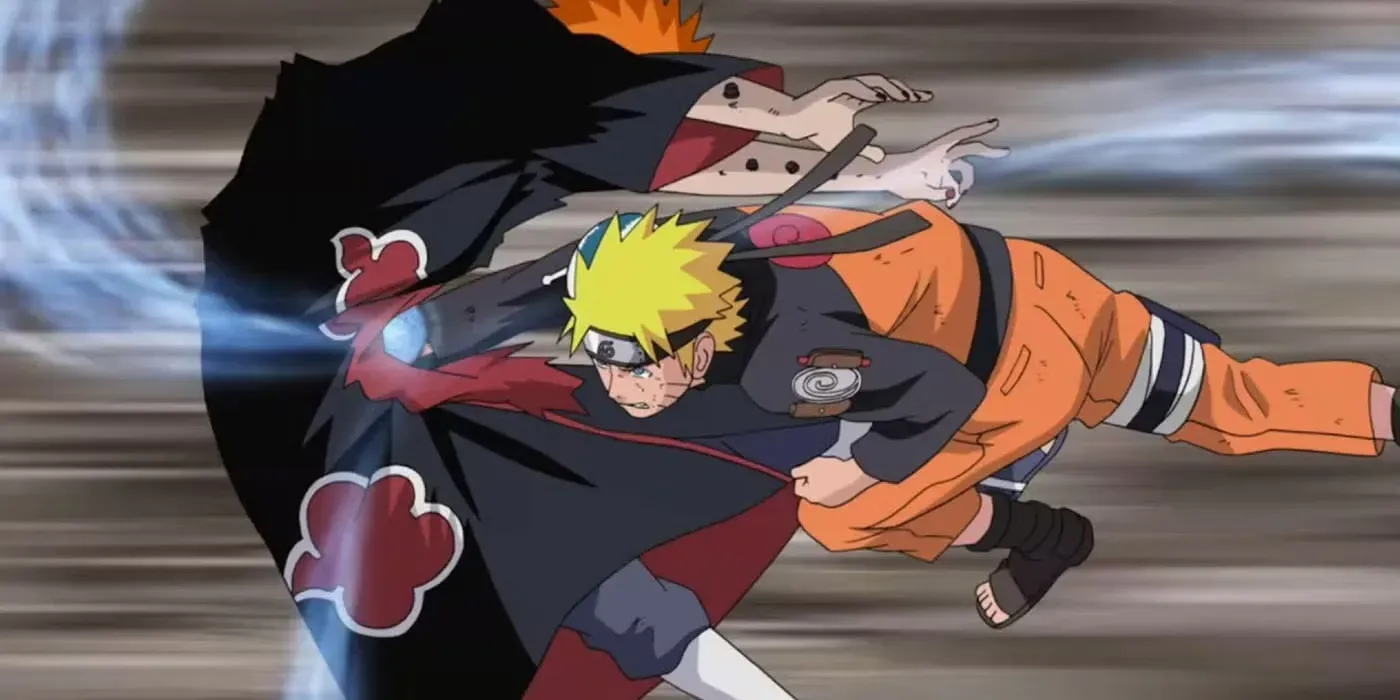 Also ReadNaruto vs Pain: Full Episode Breakdown & Attacks
What Makes an Annoyed Anime Character?
What exactly transforms a fictional person into a frustrating anime protagonist or an irritating side character? Usually, it is a combination of personality traits that clash with the tone of the story or the expectations of the audience. Frequent crying, excessive arrogance, and a lack of self-awareness are the three pillars of an annoying character design.
Sometimes, the annoyance comes from the "power of friendship" being used as a literal get-out-of-jail-free card, making the character feel unearned. Other times, it is a specific vocal performance—a voice that is too high, too loud, or too repetitive. In many cases, an annoyed anime character is defined by their inability to grow, remaining stagnant in their flaws while the world around them evolves.
Furthermore, the "Mary Sue" or "Gary Stu" trope plays a significant role. When a character is perfect at everything without trying, they often become obnoxious anime leads because they lack the relatability of struggle. Conversely, characters who are purely dead weight in high-stakes situations often draw the ire of fans who want to see the plot move forward without constant interruptions for rescue missions.
The Evolution of Annoying Tropes in Anime
The tropes that define annoying characters have shifted significantly over the decades. In the 80s and 90s, the "useless female lead" or the "perverted comic relief" were the standard sources of irritation. While some of these persist, modern audiences have become more sensitive to characters who hinder narrative progress or exhibit toxic behaviors disguised as humor.
 Also ReadHow Many Seasons Does Naruto Have? Complete Season Breakdown
In the 2010s and leading into 2026, we have seen the rise of the "overpowered isekai protagonist" who lacks any personality beyond being strong. This has created a new category of hated modern anime characters: those who are boringly perfect. We have also seen a shift toward "meta-annoyance," where characters are designed specifically to subvert expectations but end up being too abrasive for the average viewer to handle.
Animation studios are now using data and fan feedback from platforms like Crunchyroll and Reddit to understand what triggers negative reactions. Interestingly, some studios now lean into these traits to generate "hate-watching" engagement, proving that being annoying can actually be a viable marketing strategy in the digital age.
Criteria for Ranking the Most Irritating Characters
To determine who ranks as the most annoying, we have established a set of criteria that goes beyond personal bias. We look at the character's impact on the overall enjoyment of their respective series and how they are perceived by the global community.
- Narrative Interference: Does the character actively hinder the plot or make scenes feel longer than they should be?
- Personality Consistency: Is their annoying behavior a part of a character arc, or is it just a stagnant, grating trait?
- Voice and Dialogue: Are their catchphrases, screaming, or vocal tics objectively difficult to listen to for multiple episodes?
- Community Consensus: How often does this character appear at the top of "most hated" polls across international fanbases?
- Lack of Redeeming Qualities: Do they offer anything to the story—be it humor, heart, or skill—to balance out their irritating nature?
15 Most Annoying Anime Characters of All Time, Ranked
15. Excalibur (Soul Eater)

Excalibur is the definition of a character designed to be annoying. His "legendary" status is completely overshadowed by his five-hour-long storytelling sessions and his strictly enforced list of 1,000 provisions. While he is a joke character, his presence is often just as exhausting for the audience as it is for the characters in the show.
14. Sakura Haruno (Naruto - Original Series)

While Sakura eventually becomes a powerful medic, her portrayal in the original Naruto series was frustrating for many. Her obsession with Sasuke and her tendency to stand on the sidelines while Naruto and Kakashi did the heavy lifting made her a divisive anime personality for years.
13. Minoru Mineta (My Hero Academia)

Mineta represents a trope that has aged poorly: the aggressive pervert. His constant obnoxious comments and lack of heroic motivation compared to his classmates make him one of the most irritating anime side characters in modern shonen.
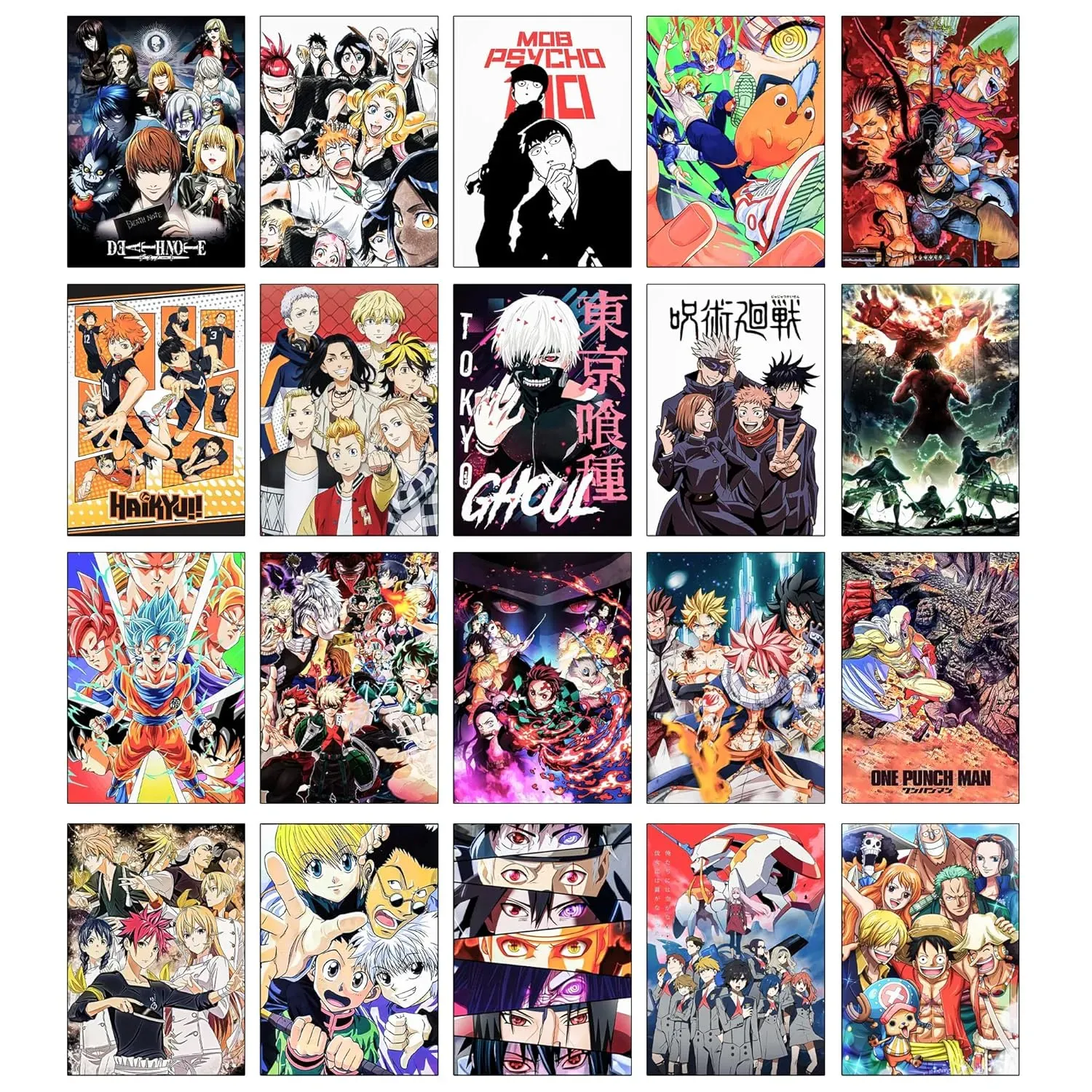
12. Misa Amane (Death Note)

Misa’s high-pitched devotion to Light Yagami often felt out of place in the grim, intellectual thriller that is Death Note. While her powers were useful, her screaming and childish behavior often grated on fans who preferred the cat-and-mouse game between Light and L.
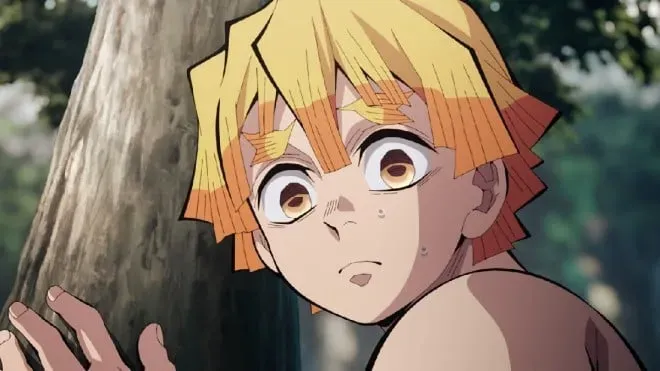
11. Zenitsu Agatsuma (Demon Slayer)

Zenitsu is a controversial entry. When he is asleep and fighting, he is incredible. However, his constant screaming, crying, and desperate pursuit of every woman he sees makes him a difficult "annoyed anime character" to tolerate during the series' quieter moments.
10. Nina Einstein (Code Geass)
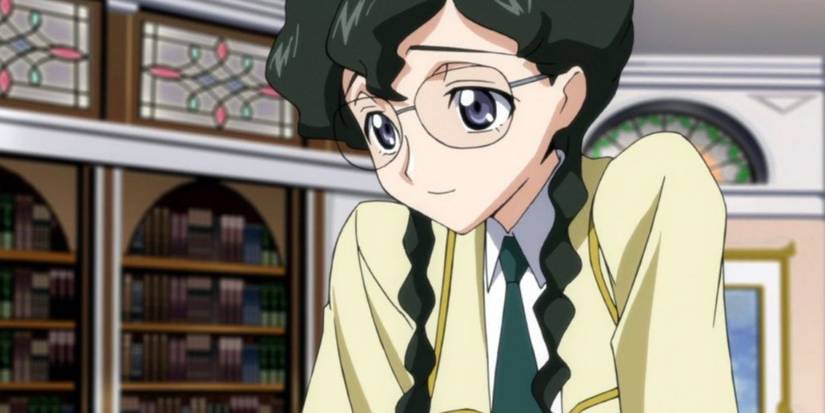
Nina’s character arc is fueled by extreme obsession and xenophobia. Her actions throughout the series, particularly her irrational hatred and the infamous "table scene," solidified her as one of the most hated modern anime characters in the mecha genre.
9. Gabi Braun (Attack on Titan)
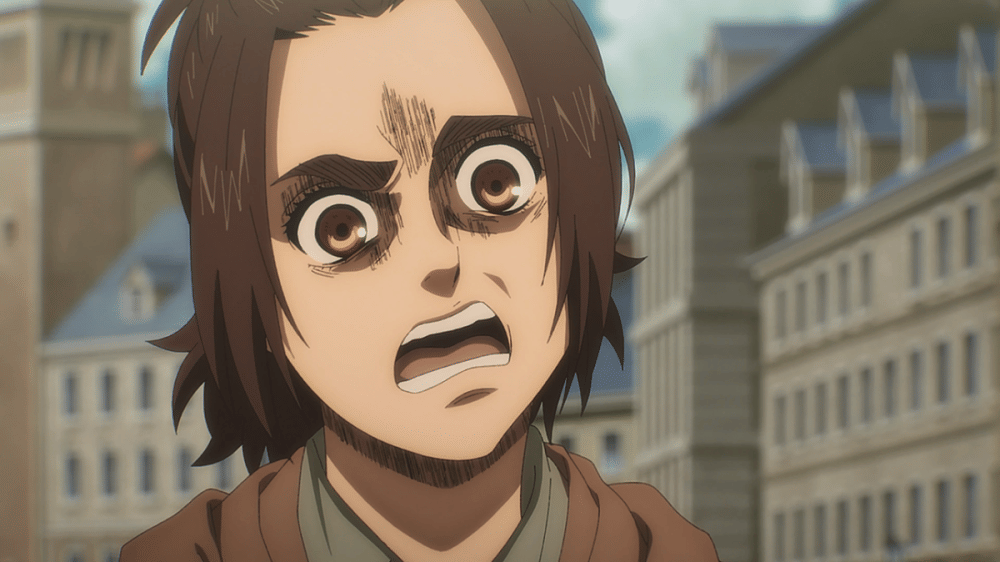
Gabi was designed to be the foil to Eren, but her introduction and the tragedy she caused made her immediately loathed by the fanbase. Her stubbornness and refusal to see the truth for much of the final season made her a very frustrating anime protagonist to follow.
8. Happosai (Ranma 1/2)
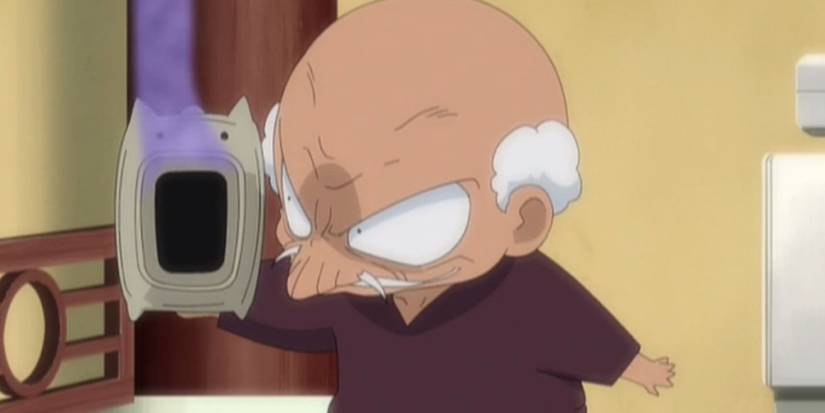
A classic example of the perverted old man trope taken to the absolute extreme. Happosai’s constant theft and harassment aren't just annoying; they often derail the plot of Ranma 1/2 entirely, making him an endurance test for viewers.
7. Rachel (Tower of God)

Rachel is perhaps the most "successful" annoying character. She is written to be despised, and her betrayal of Bam earned her a permanent spot in the hall of fame for obnoxious anime leads who pretend to be the victim.
6. Teru Mikami (Death Note)

While Misa was annoying in a "childish" way, Mikami was irritating due to his repetitive chanting of "Delete\!" and his rigid, cult-like obsession with Light. His inclusion in the final arc of the series is often cited as a low point for character writing.
5. Boruto Uzumaki (Boruto: Naruto Next Generations)

Taking over for a legendary father is hard, but Boruto’s initial bratty attitude and lack of respect for the struggles of the previous generation made him a hated figure for long-time Naruto fans.
4. Shinji Ikari (Neon Genesis Evangelion)
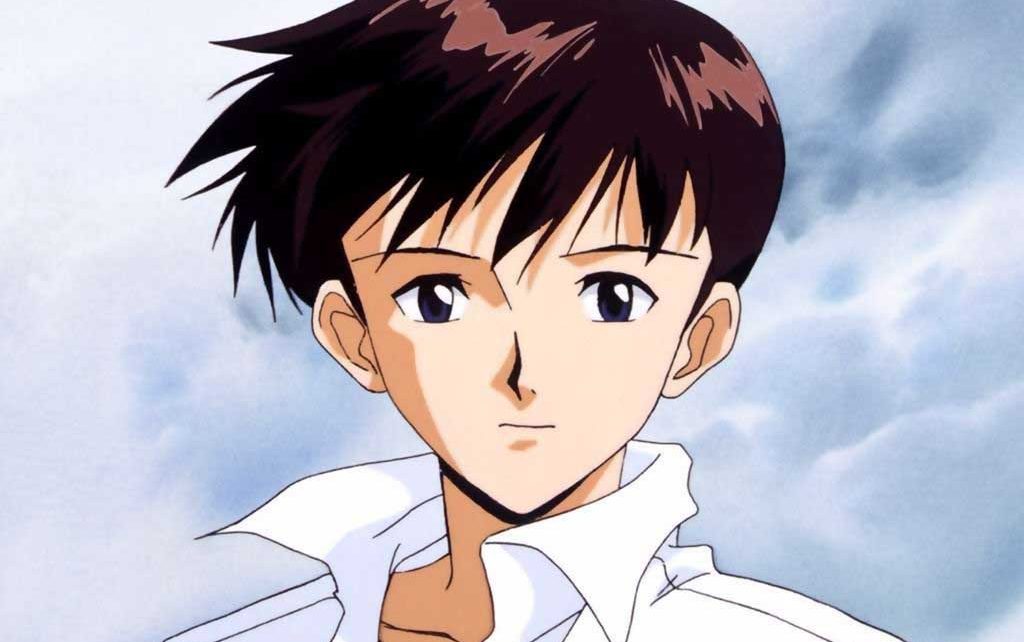
Shinji is a complex character suffering from severe trauma, but that doesn't stop him from being one of the most frustrating anime protagonists in history. His refusal to "get in the robot" and his constant whining are iconic examples of realistic but irritating character traits.
3. Princess Malty/Myne (The Rising of the Shield Hero)
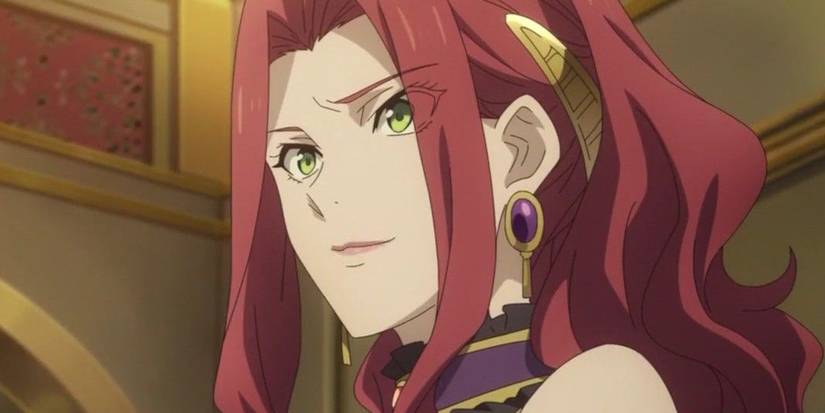
Few characters have managed to unite an entire community in hatred like Myne. Her false accusations and constant plotting against the protagonist make her an insufferable presence, which is exactly what the author intended.
2. Black Star (Soul Eater)
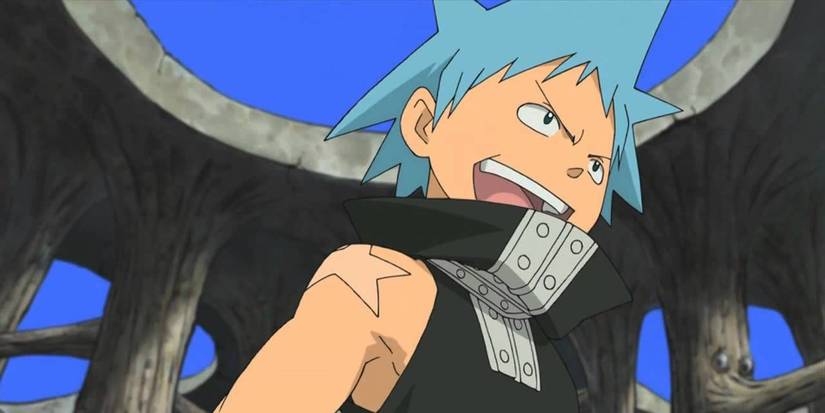
While he has his fans, Black Star’s constant shouting about "surpassing God" and his extreme arrogance make him an obnoxious lead for many. He frequently ruins stealth missions and makes every situation about himself, regardless of the danger.
1. Shou Tucker (Fullmetal Alchemist)

While many on this list are annoying because of their voices or habits, Shou Tucker is the most "annoying" in the sense that his existence is a stain on the soul. His soft-spoken, pathetic demeanor masks a monster, making every second he is on screen an exercise in visceral discomfort and hatred.
Honorable Mentions: Characters We Love to Hate
Not every annoying character is a failure of writing. Some, like Team Rocket from Pokémon, have become beloved icons precisely because their repetitive failures and over-the-top personalities are so predictable. Similarly, characters like Buggy the Clown in One Piece are technically irritating side characters, yet their "annoyance" adds a layer of levity and charm to the world-building.
Then there are the "nuisance" characters who exist purely to challenge the hero's patience. These characters often serve as the "annoyed anime character" that the protagonist has to deal with, creating a relatable dynamic for anyone who has ever had a difficult coworker or sibling. You can find more lists of polarizing figures on Wikipedia.
Impact of Annoying Characters on Plot Development
Believe it or not, an irritating character is often a vital narrative tool. A frustrating anime protagonist can provide a high ceiling for character growth. If a character starts off as a brat (like Luke fon Fabre in Tales of the Abyss), their eventual maturity feels much more rewarding for the audience.
Annoying characters also act as "heat magnets." By giving the audience someone to collectively dislike, the author can protect the hero from scrutiny or create a common enemy for the fanbase to rally against. In many ways, the most hated modern anime characters are the glue that holds the community discussion together, providing endless fodder for memes and debates.
Fan Reactions to Infamous Anime Personalities
The 2026 anime community is more vocal than ever. Through social media and live-streaming, fan reactions to obnoxious anime leads can trend worldwide in minutes. This immediate feedback loop has led to some characters being written out of shows or receiving "redemption arcs" to appease the audience.
However, there is also a "cult of the annoying" where fans ironically embrace the most irritating characters. This subversive fandom often celebrates the very traits that others find grating, proving that in the world of anime, there truly is a niche for everyone. Whether it's a petition to remove a character or a fan-club dedicated to their worst moments, the impact of these personalities is undeniable.
Conclusion: Why We Need Annoying Characters in Stories
While we might complain about the latest annoyed anime character, they are a necessary part of the storytelling ecosystem. A world filled only with cool, competent, and stoic heroes would be incredibly boring. We need the whiners, the screamers, and the arrogant brats to provide contrast and conflict.
The most annoying anime characters challenge our empathy and force us to engage with the story on a deeper level. Whether they serve as a cautionary tale or a source of comedic relief, their presence ensures that the narrative remains dynamic. So, the next time a character makes you want to turn off the TV, remember: they might just be doing their job perfectly. Fans seeking emotional depth can also explore the best anime movies that focus on character connections rather than irritation.







// Comments