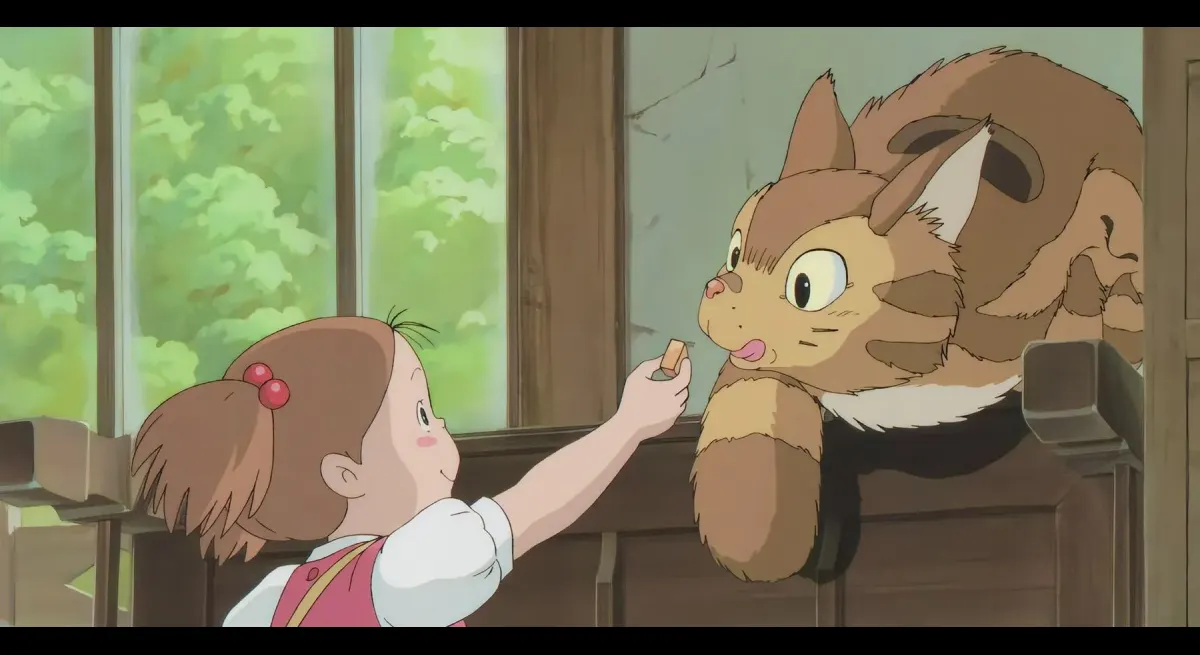
Podcast Unearths a Hidden Totoro Tale
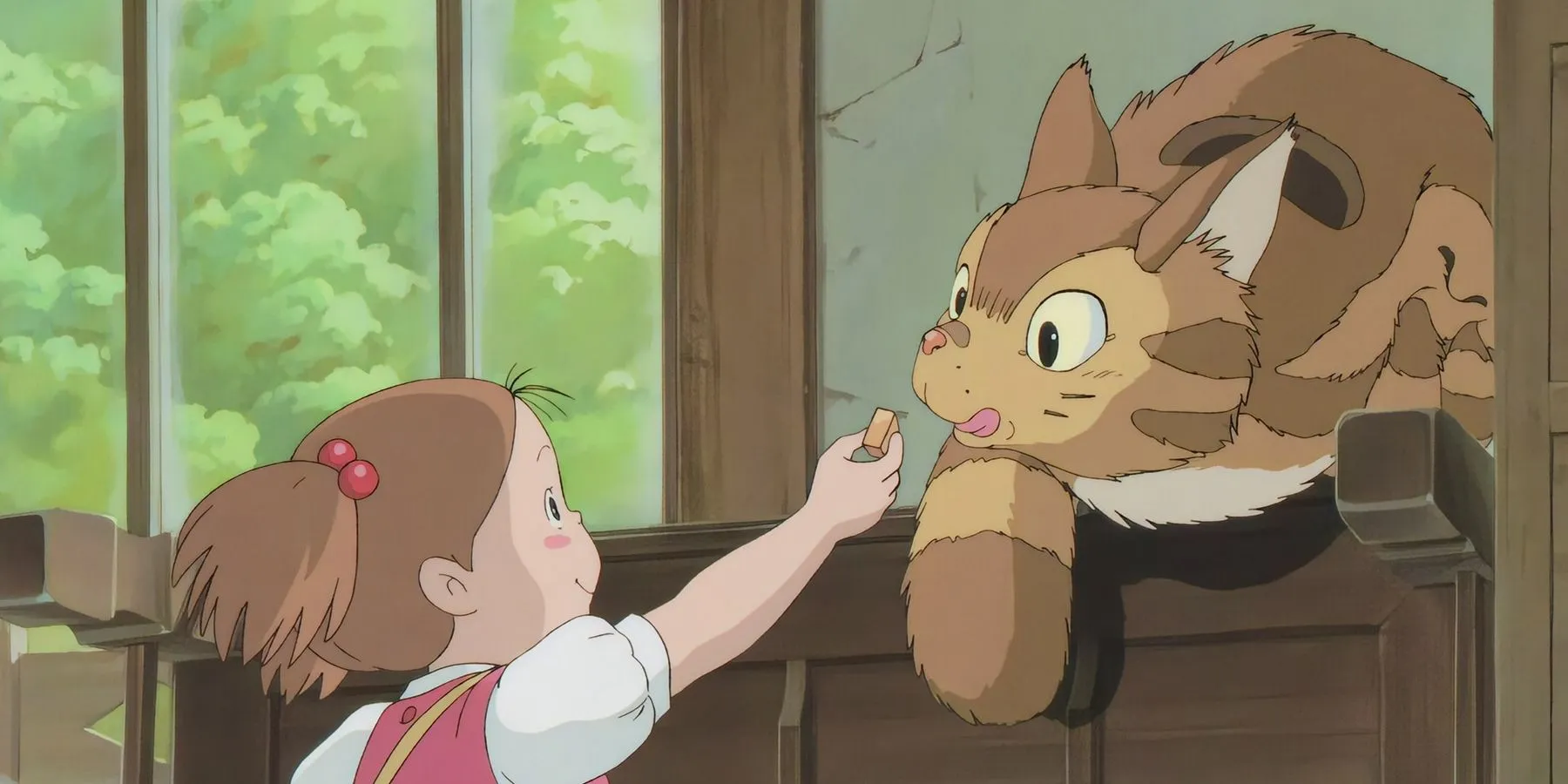
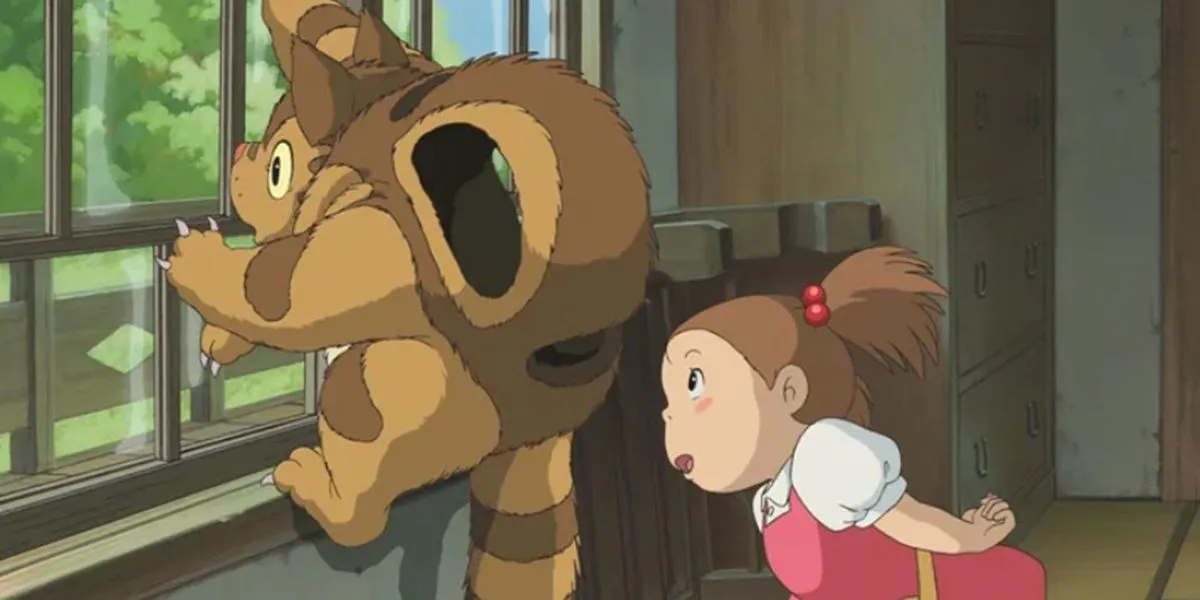
During a September 29 episode of The Anime Business, host Justin Sevakis sat down with former Tokuma International executive Steve Alpert. Alpert, who distributed Ghibli abroad for fifteen years, revealed that Miyazaki needed a gentle push to green‑light the whimsical short Mei and the Kittenbus, a sequel that many fans barely know exists.
Catbus: The Unexpected Muse
Alpert explained that a longtime friend casually mentioned Miyazaki’s lingering affection for sketching the Catbus. That reminder sparked the idea for a brief adventure featuring Mei, the tiny kitten‑bus, and the beloved forest spirits. Despite Miyazaki’s general aversion to sequels, the nostalgic draw of the Catbus proved persuasive enough to produce the 14‑minute piece.
Why Miyazaki Shuns Sequels
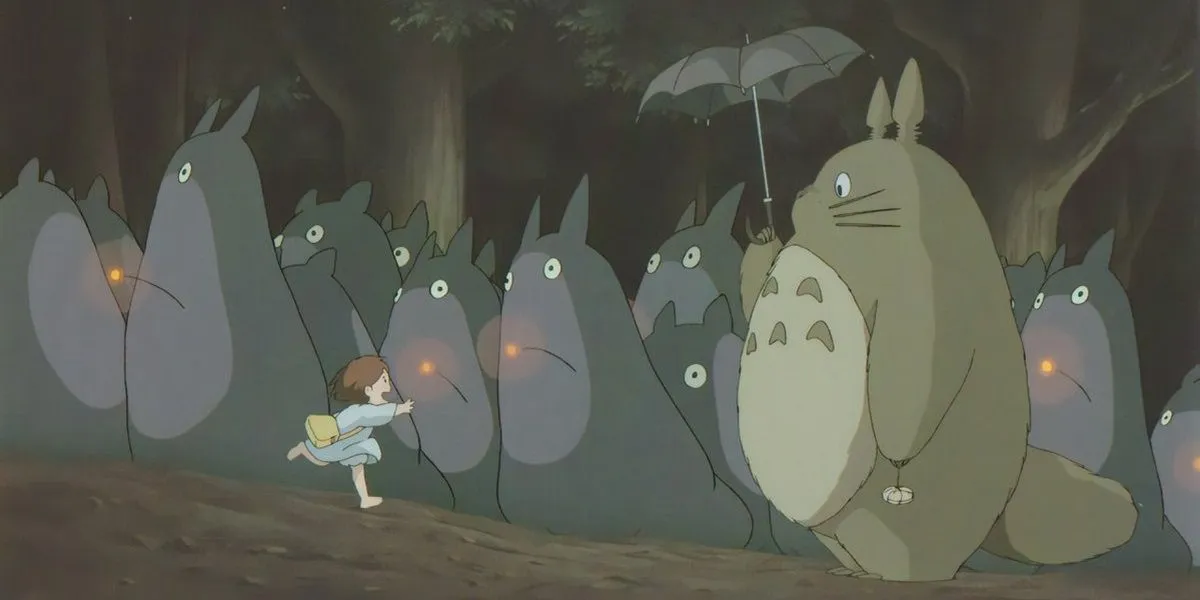
Throughout his career, Miyazaki has treated each project as a stand‑alone work, resisting the notion of repeating himself. He once declined Disney’s home‑video offers, preferring theatrical “theatrical animation” that lives on the big screen. This mindset extends to Totoro; Alpert notes Miyazaki sees value in moving forward rather than revisiting past successes.
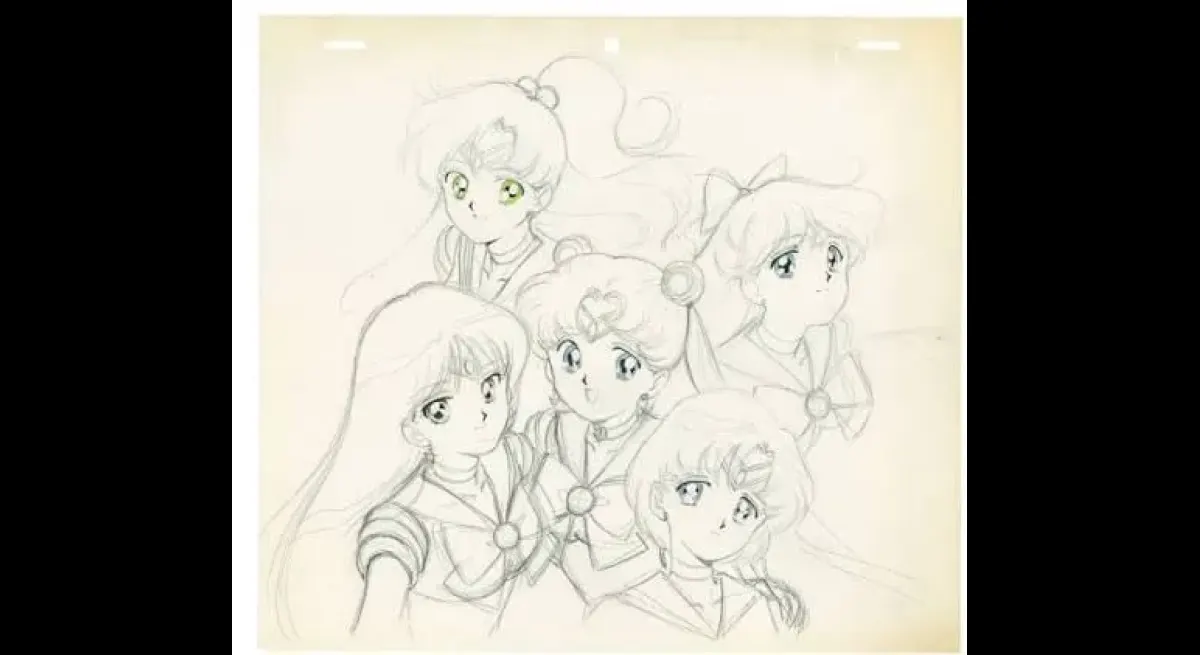 Also ReadSailor Moon Heads Back to Christie’s NY Auction October After $89K Sale
Limited Access and Museum Exclusivity
Since its 2002 debut at the Ghibli Museum in Mitaka, the short has only been shown there and at the studio’s official theme park. Unlike feature‑length Ghibli titles that stream on HBO Max or Netflix, the museum shorts remain locked away, a deliberate choice that aligns with Miyazaki’s hands‑off approach to commercial distribution.
Corporate Stance on a Totoro Sequel
Even after Nippon Television acquired Ghibli in 2023, Toho CEO Hiroyasu Matsuoka echoed Alpert’s sentiment: no plans for a full‑blown My Neighbor Totoro 2. The studio appears content to let the original film breathe, while exploring other formats like stage adaptations.
Ghibli’s most recent theatrical effort, The Boy and the Heron, arrived in July 2023. Though a new Miyazaki original is rumored, no details have emerged. Meanwhile, the Totoro legacy lives on through successful stage productions, including a London West End run produced by Joe Hisaishi and the Royal Shakespeare Company.





// Comments