

What Are Devil Fruits?
In the vast and mysterious world of One Piece, Devil Fruits are legendary treasures that grant their eaters incredible, superhuman abilities in exchange for their ability to swim. Known as the "Treasures of the Sea," these fruits are shrouded in myth, with some claiming they are the incarnations of sea demons. There are hundreds of different Devil Fruit types One Piece characters have encountered, each offering a unique power that can range from simple body alterations to the manipulation of fundamental natural forces. While they provide immense power, the core trade-off remains the same: the sea hates those who eat them, rendering them "anchors" who lose all strength when submerged in water. Understanding the distinction between Paramecia Zoan Logia is essential for any fan looking to master the lore of this epic series.
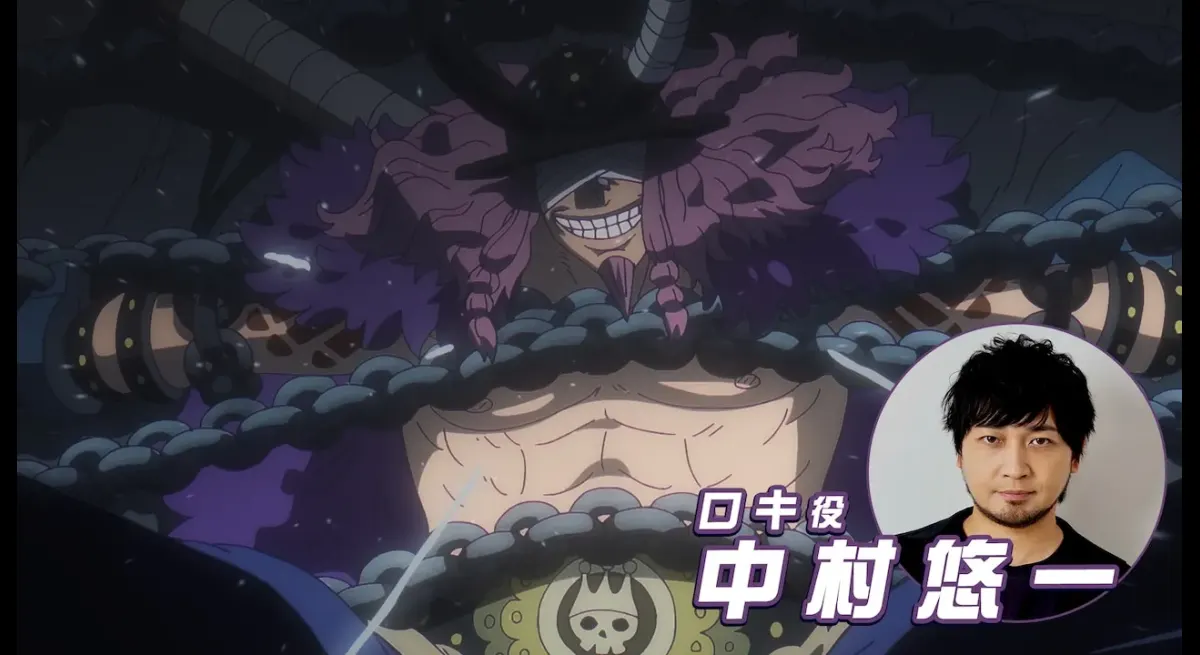 Also ReadYuichi Nakamura as Loki in "ONE PIECE": Elbaf Edition OP by Aina The End
Paramecia Type
The Paramecia type is the most common of all Devil Fruit types One Piece features. These fruits grant the user "superhuman" abilities that don't fit into the animal transformation or elemental categories. Paramecia powers are incredibly diverse and can be broadly categorized into three effects:
- Body Alteration: Fruits like Luffy’s Gomu Gomu no Mi (initially classified as Paramecia) or Buggy’s Bara Bara no Mi permanently change the user's physical makeup.
- Environmental Manipulation: Some users can affect the world around them, such as Whitebeard’s Gura Gura no Mi, which allows him to create earthquakes, or Shiki’s Fuwa Fuwa no Mi, which lets objects float.
- Substance Generation: Users can produce and control substances, such as Magellan’s Doku Doku no Mi (Poison) or Mr. 3’s wax powers.
Because of their unpredictability, Paramecia users are often the most creative fighters, finding unique ways to utilize seemingly odd powers to dominate their opponents.
Zoan Type
Zoan Devil Fruits allow the user to transform into another species, significantly boosting their physical attributes. When analyzing Paramecia Zoan Logia, Zoans are best known for their raw power and combat efficiency in close quarters. A Zoan user typically has three forms: their human form, a hybrid form, and a full animal form. The hybrid form is usually the most effective for combat, as it combines human intelligence and technique with animalistic strength and speed.
Zoan fruits are further divided into sub-classes:
 Also ReadGege Akutami Returns for Jujutsu Kaisen Final Exhibition Starting Dec 25
- Regular Zoan: Based on common animals like wolves, leopards, or birds.
- Ancient Zoan: Based on extinct creatures like dinosaurs (e.g., King’s Pteranodon or Queen’s Brachiosaurus). These offer much higher durability.
- Mythical Zoan: The rarest type, based on legendary creatures like the Phoenix or the Sun God Nika. These often grant additional "Paramecia-like" abilities.
Logia Type
Considered the rarest and most powerful of the three main Devil Fruit types One Piece introduces, Logia fruits allow the user to create, control, and transform their entire body into a natural element. This transformation grants them "intangibility"; since their body is made of fire, lightning, or light, physical attacks simply pass through them without causing harm. Notable Logia users include Admiral Kizaru (Light), Akainu (Magma), and Enel (Lightning).
A Logia user is nearly invincible against anyone who does not know how to use Haki. However, they can be hit if the opponent uses Armament Haki or exploits a specific elemental weakness—such as using rubber to strike a lightning user or water to strike a sand user.
Devil Fruit Awakening
Once a user reaches the absolute peak of their mastery, they may experience a "Devil Fruit Awakening." This state significantly enhances the fruit's inherent power. For Paramecia users, awakening usually allows them to transform the environment into their specific element (e.g., Doflamingo turning buildings into string). For Zoan users, awakening provides immense recovery speed and physical toughness, though it carries the risk of the animal spirit consuming the user's personality. Logia awakenings are still somewhat mysterious but are theorized to permanently alter the climate of an area, as seen in the frozen and burning landscape of Punk Hazard after the battle between Aokiji and Akainu.
Strengths and Weaknesses
While the Paramecia Zoan Logia categories offer incredible advantages, every fruit shares a universal set of vulnerabilities. The primary strength is the "unfair" advantage in combat; a fruit user can often defeat hundreds of normal soldiers with ease. However, the weaknesses are absolute. Beyond the loss of swimming ability, users are vulnerable to "Sea Prism Stone" (Kairoseki), a rare substance that radiates the same energy as the sea, draining a user's strength and nullifying their powers upon contact. Additionally, the mastery of Haki has leveled the playing field, allowing non-users to compete with even the most powerful Devil Fruit eaters.
Sea Water Weakness
The most famous drawback of all Devil Fruit types One Piece presents is the "Curse of the Sea." If a user is submerged in standing water—be it the ocean, a lake, or even a deep bathtub—they lose all their energy and the ability to voluntarily activate their powers. While "splashing" water or rain doesn't affect them much, being waist-deep is usually enough to render a powerful pirate helpless. This makes naval combat particularly dangerous for fruit users, as a single fall overboard could mean certain death without a crewmate to rescue them.
FAQ
Which is the strongest Devil Fruit type?
Logia is generally considered the strongest due to intangibility, but Mythical Zoans are currently seen as the most versatile and powerful in the late-game of the series.
Can a person eat two Devil Fruits?
No. Standard lore states that eating a second fruit will cause the user's body to explode. Marshall D. Teach (Blackbeard) is the only known exception to this rule for reasons yet to be fully explained.
Do Devil Fruits reappear after the user dies?
Yes. When a user dies, the essence of the fruit reincarnates into the nearest compatible piece of normal fruit, which then transforms into that specific Devil Fruit.









// Comments