
Introduction: The Legacy of Ben 10 and the Arrival of the 2016 Reboot
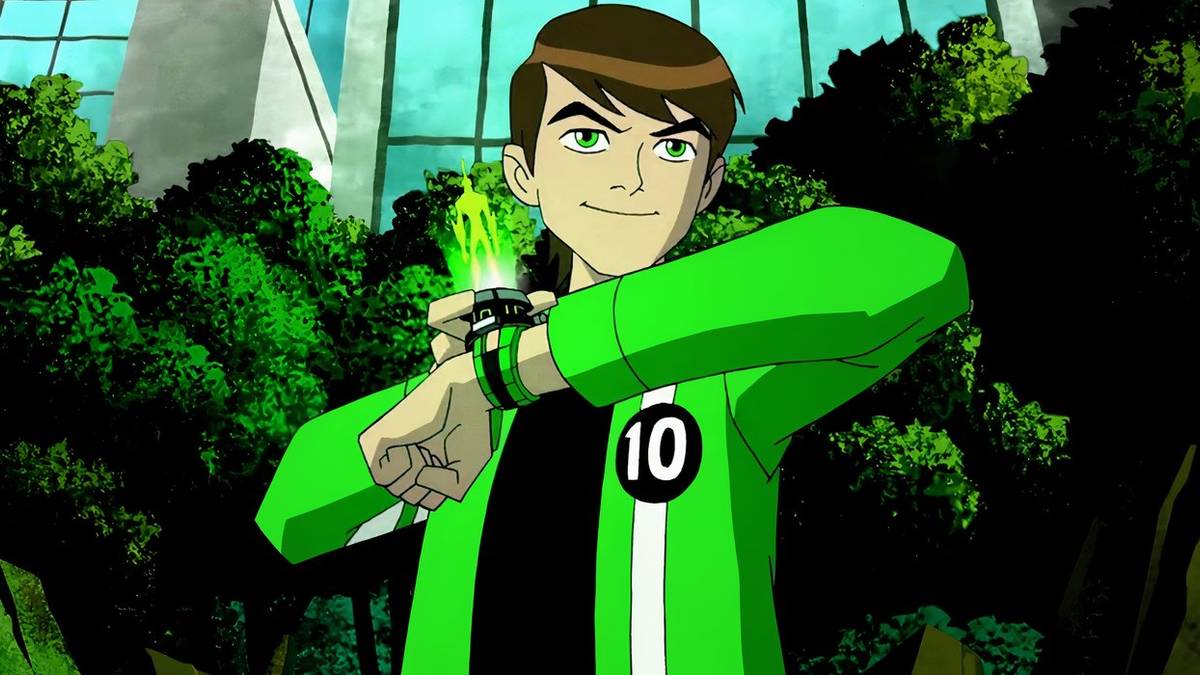
For over a decade, the Ben 10 franchise stood as a titan of Cartoon Network’s programming. From the original 2005 series through the maturing arcs of Alien Force, Ultimate Alien, and the stylistic experimentation of Omniverse, the "Prime Continuity" built a massive, interconnected lore. However, in 2016, the franchise took a sharp turn. Rather than continuing the story of a teenage Ben Tennyson, Cartoon Network opted for a complete reset. The 2016 Ben 10 reboot was designed to introduce the shapeshifting hero to a new generation of younger viewers. This decision immediately sparked a divide in the fanbase, leading many to ask: ben 10 reboot was it a mistake?
 Also ReadWhere to Watch Ben 10 for Free Legally in 2026
Shifting Tones: Addressing the 2016 Reboot Criticism
The most immediate point of contention was the drastic shift in tone. The original franchise had gradually aged with its audience, moving from a fun summer adventure to high-stakes intergalactic warfare with complex themes of sacrifice and responsibility. In contrast, the reboot returned to a 10-year-old Ben and leaned heavily into 11-minute episodic comedy. This choice is at the heart of most ben 10 2016 criticism. Older fans felt alienated by the slapstick humor and the perceived "dumbing down" of the narrative. While the original series balanced humor with genuine tension, the early seasons of the reboot often prioritized gags over gravity, leading to a rocky start in the eyes of long-time supporters.
Visual Evolution: The Controversial New Art Style
Accompanying the tonal shift was a radical change in art style. Following the trend of "CalArts" style animation seen in other contemporary reboots, the 2016 version featured softer lines, simpler character designs, and a brighter color palette. Compared to the detailed, often sharp-edged designs of the UAF (Ultimate Alien/Alien Force) era, or even the stylized vibrancy of Omniverse, the reboot looked distinctly more "juvenile." While this simplified style allowed for more fluid, expressive animation during high-speed action sequences, it remained a focal point for fans who believed the franchise had lost its visual identity and "cool" factor.
 Also ReadBen 10 Timeline & Chronological Order Explained
Analyzing the Plot: Ben 10 Reboot Problems and Storytelling Changes
When examining ben 10 reboot problems, the narrative structure is a significant factor. By moving to an 11-minute format, the show initially struggled to develop the deep, multi-season story arcs that fans had come to expect. The "monster of the week" formula felt repetitive to those used to the Highbreed Invasion or the Malware arc. Furthermore, the reboot reimagined iconic villains like Vilgax and Kevin Levin in ways that felt inconsistent with their legendary status. Vilgax, once a terrifying conqueror, was introduced much later and with a different dynamic, while Kevin’s origin was shifted from an Osmosian mutant to a rival kid with his own DIY "Antitrix." While these changes allowed for fresh stories, they often felt like they were discarding years of carefully built world-building for the sake of simplicity.
Character Development: How Ben, Gwen, and Max Changed
The core trio of Ben, Gwen, and Grandpa Max also underwent significant changes. In the original series, the bickering dynamic between Ben and Gwen was a staple that eventually evolved into a deep, supportive bond. In the reboot, their relationship is much friendlier from the start, which some felt removed a layer of realistic sibling-like conflict. Grandpa Max was also reimagined; while still a former Plumber, his role as a mentor was often played for laughs, and he felt less like the legendary intergalactic hero of the past. While these versions of the characters were charming and accessible for children, they lacked the gritty history and progressive growth that made the original trio so iconic.
New Additions: Exploring Omni-Enhanced and Omni-Kix Forms
One area where the reboot undeniably succeeded was in its toyetic innovation. To keep the action fresh, the show introduced several new power-up tiers for Ben’s aliens.
- Omni-Enhanced forms: Introduced in Season 2, these forms fused Ben’s aliens with the energy of Shock Rock (a new, original alien), providing them with blue energy armor and enhanced abilities.
- Omni-Kix forms: These provided the aliens with robotic, tank-like armor, allowing for different types of combat scenarios.
- Omni-Naut forms: Space-ready versions of the aliens used for intergalactic travel.
The Verdict: Was the Ben 10 Reboot Truly a Mistake?
So, was the Ben 10 reboot a mistake? If the goal was to keep the Prime Continuity alive for older fans, then the answer might be yes. However, looking at the data, the reboot was a commercial success. it ran for four seasons and several specials, successfully capturing a new demographic that had never heard of a Pyronite or a Petrosapien. As the series progressed into its later seasons and the "Alien X-tinction" special, it began to show more respect for the franchise’s history, even featuring crossovers with previous versions of Ben. This suggests that the reboot wasn't a "mistake" so much as it was a "repositioning" of the brand for a different era of television.
Conclusion: The Reboot's Lasting Impact on the Franchise
The legacy of the 2016 Ben 10 reboot is complicated. While ben 10 2016 criticism remains prevalent in online forums, the show served its purpose by keeping the Omnitrix in the public eye. It proved that the concept of a boy with a watch that turns him into aliens is timeless and can be adapted for any generation. Whether you prefer the dark, serialized storytelling of the originals or the fast-paced comedy of the reboot, the franchise remains a cornerstone of animation history. The reboot may not have been what the "OG" fans wanted, but it ensured that Ben Tennyson would continue to go hero for years to come.














// Comments