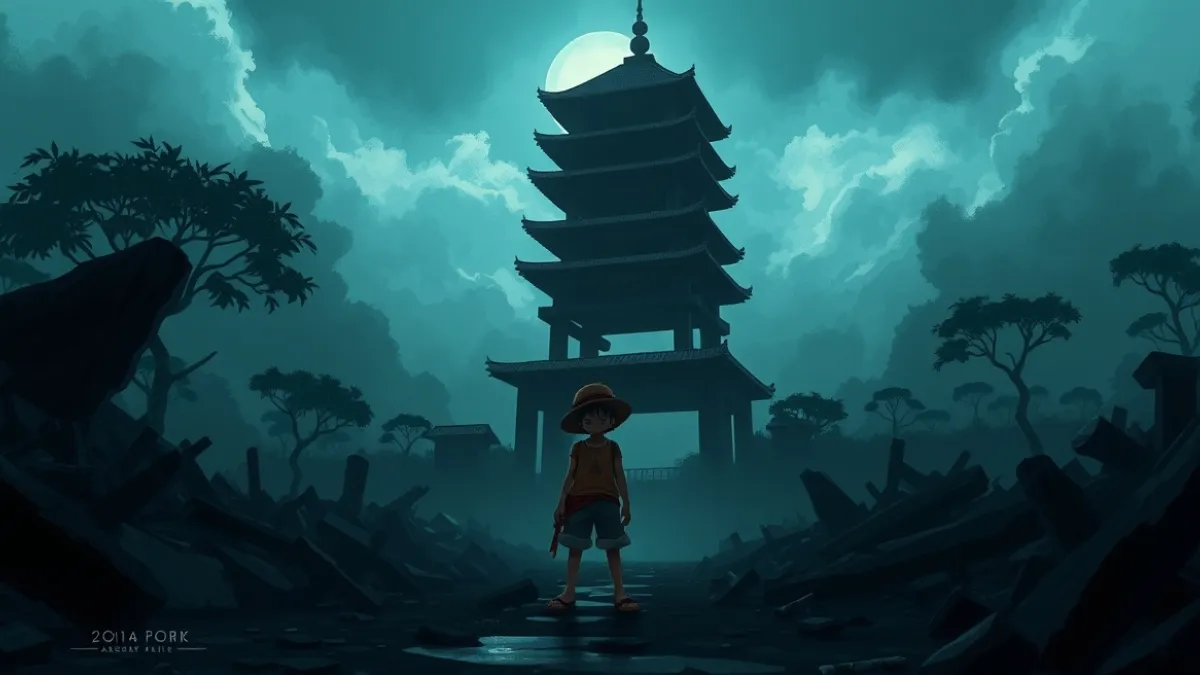

What If Luffy Never Defeated Arlong Park's Crew?
History in the One Piece world is not a straight line—it's an ocean, with currents that can shift based on the smallest change in wind direction. We all know the iconic moment: Luffy smashing through the top floor of Arlong Park, destroying the room that had been Nami’s prison for eight years. It’s the ultimate catharsis. But what if fate had a different plan? The scenario posed here—Luffy Never Defeated Arlong Park's Crew?—represents exactly such a shift. If that building never falls, the ripples across the East Blue and the Grand Line don't just change the story; they rewrite the souls of our favorite characters.
The Arlong element is the crux of the matter. In the original story, this element follows a specific trajectory. Here, that trajectory bends. The bend is small initially but becomes enormous over time, the way a degree of deviation from a compass heading means nothing over a mile and everything over a thousand. This is the timeline where the "Sun" never rises over Cocoyasi Village, and the consequences of Luffy experiencing his first major failure would be devastating.
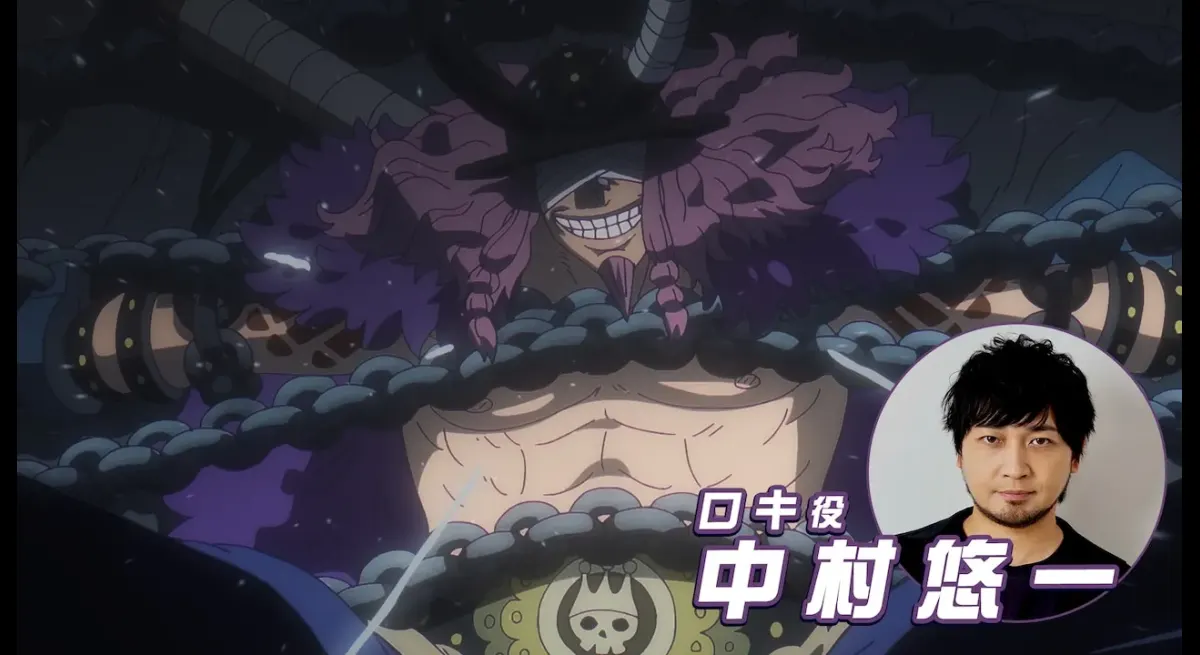 Also ReadYuichi Nakamura as Loki in "ONE PIECE": Elbaf Edition OP by Aina The End
The Crushing Weight of Failure in the East Blue
Pirates talk about fate a lot. Luffy dismisses it entirely—he goes where he wants and does what he wants and the universe adapts to him, not the other way around. But even Luffy operates within a web of circumstances he didn't choose. He didn't choose to be Garp's grandson. He didn't choose to eat the Gomu Gomu no Mi. He didn't choose for Shanks to lose his arm. These unchosen circumstances shaped who he became.
Imagine a scenario where the defeat of Arlong never happens. Maybe Luffy gets trapped in the concrete longer, or Arlong’s sheer fishman durability proves too much for the young rubber man. A Luffy who loses at Arlong Park is a boy who realizes his "reckless freedom" has a body count. If he can't save his navigator, his dream of being Pirate King starts to taste like ash. In the canon, Luffy is almost psychotically confident. But a failure here? It forces him to grow up too fast. He might seek out training earlier, or worse, he might become a darker, more desperate version of himself, realizing that in this world, "Freedom" is something you have to be strong enough to protect.
The Tragedy of Nami: A Navigator Lost
If Arlong remains in power, Nami stays a slave. This is the darkest part of this "What If." Without the Straw Hats' victory, Nami likely stays in that map room until her spirit finally breaks. We’ve seen her resilience, but everyone has a limit. Without her, the Straw Hats probably never make it to the Grand Line—or if they do, they get swallowed by the first cyclone. Nami is the literal brains of the ship; without her, the crew is just a group of strong guys lost at sea. It’s a sobering thought that the entire One Piece character tier list would look different because many of the top players wouldn't even have a story without Nami’s navigation skills getting them to the right islands.
Crew Dynamics: The Broken Dreamers
Change one thing, and the Luffy who reaches the Grand Line is meaningfully different. Not worse, not better—different in ways that matter. His battles require different solutions. His weaknesses present differently. His victories have different flavors. How do the others react to a loss at Arlong Park?
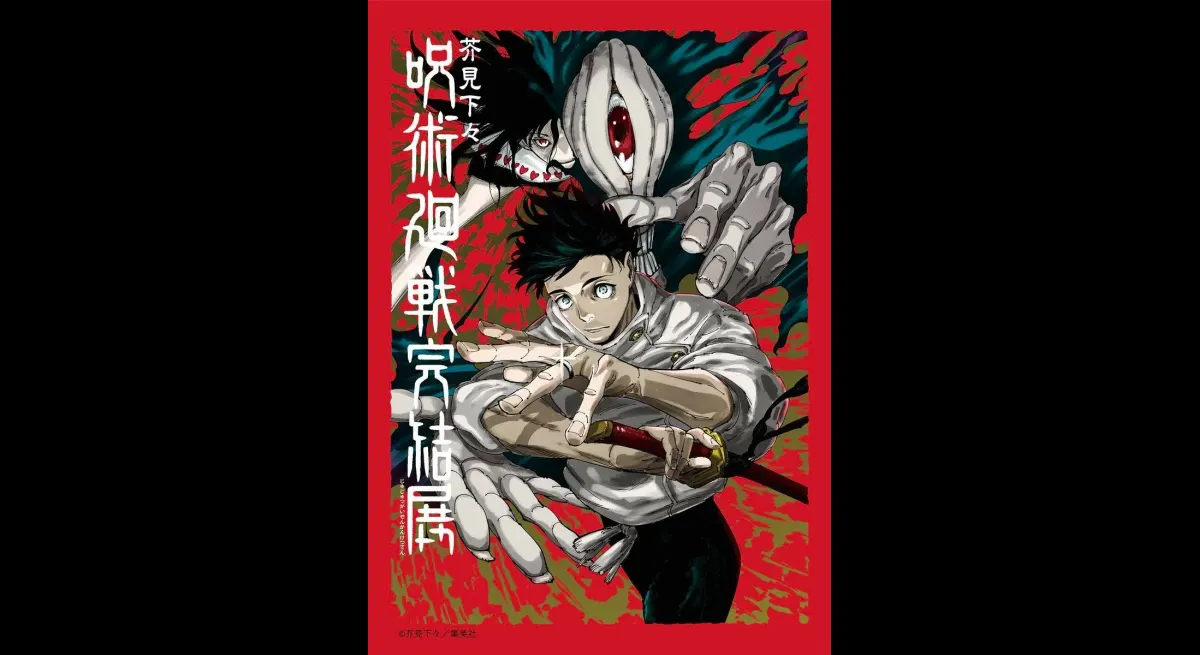 Also ReadGege Akutami Returns for Jujutsu Kaisen Final Exhibition Starting Dec 25
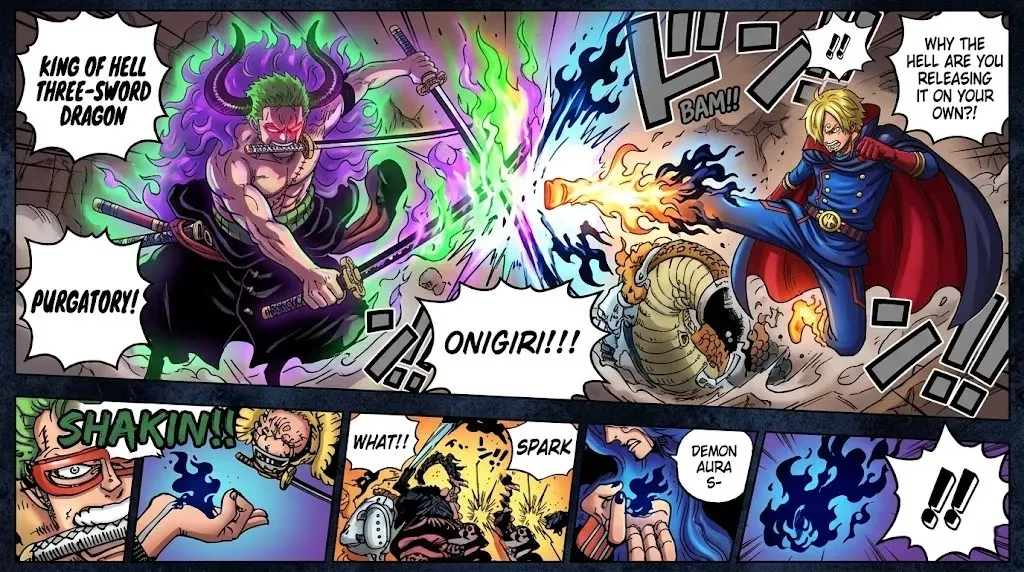
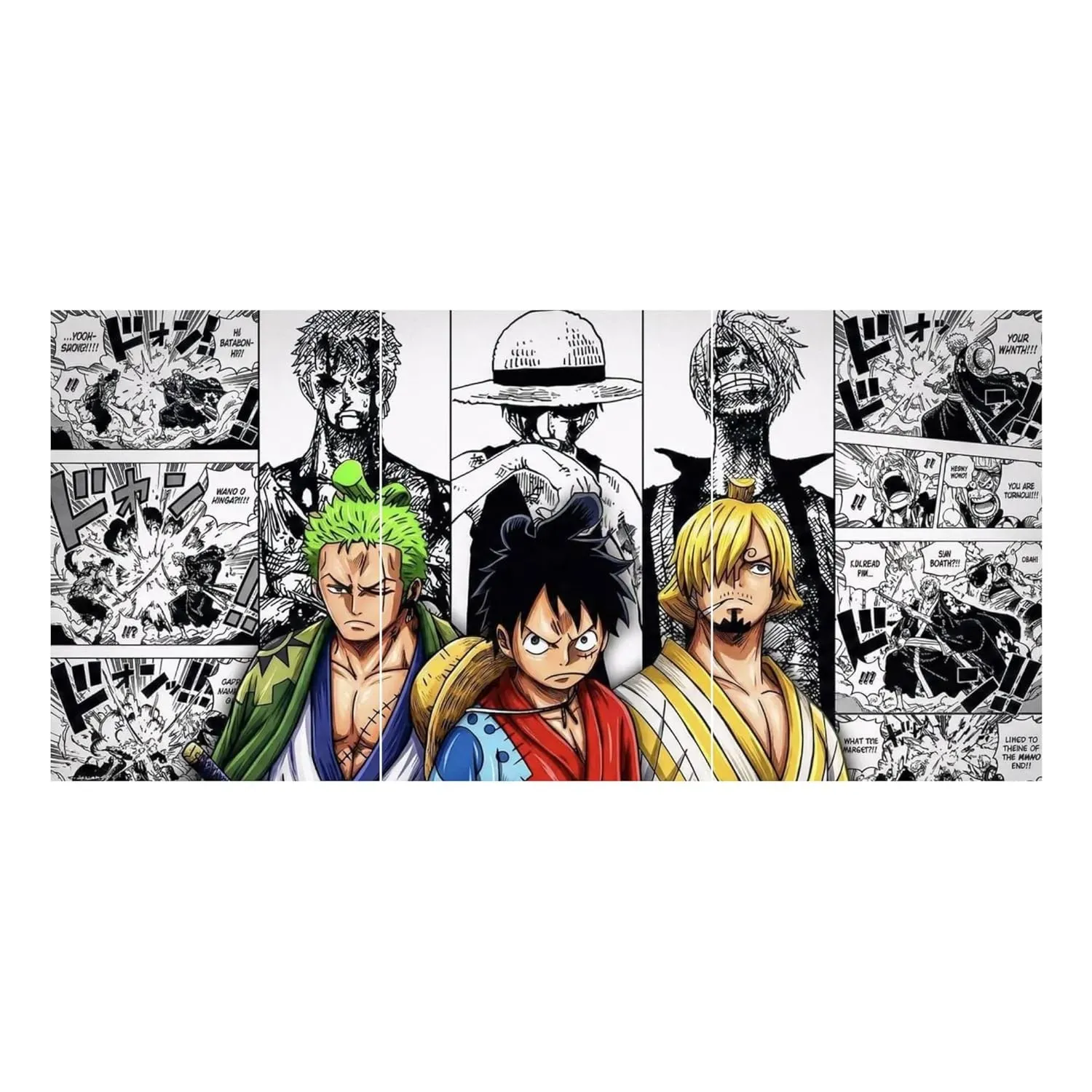
- Zoro: His loyalty is based on Luffy’s strength. If Luffy fails to protect a crewmate, Zoro might take the burden upon himself. We might see a version of Zoro who pushes himself to even more insane limits, becoming a "demon" much sooner to compensate for his captain's perceived failure.
- Sanji: He joined because he saw Luffy’s unyielding spirit. A defeat at the hands of Arlong would crush Sanji, who just left Baratie to follow a dream. He might return to the restaurant, thinking the "Blue Sea" is too cruel for dreamers.
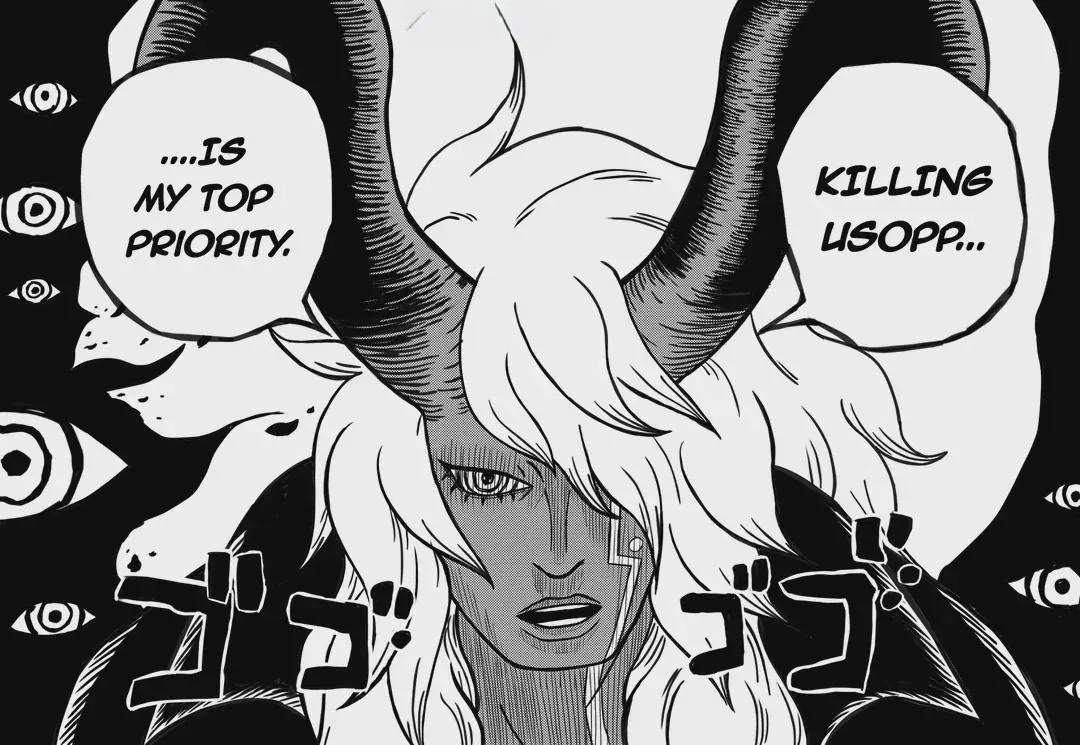
- Usopp: Poor Usopp. He was just starting to find his courage. If the "Arlong Empire" stands, Usopp probably flees back to Syrup Village, his stories of adventure replaced by the cold reality of Fishman supremacy.
The defeat angle is particularly interesting to consider. In the original timeline, this element served a specific narrative and strategic function. Remove or alter it, and a gap opens in the story's architecture that gets filled by something else. Nature abhors a vacuum. So does a good adventure. In this vacuum, Arlong's "East Blue Empire" would grow. With the Marines like Nezumi in his pocket, Arlong could have become a "Warlord of the East," creating a wall that no new pirate could ever pass. Check out every Straw Hat Devil Fruit explained and you'll realize that most of these powers only reached their peak because the crew was forged in the fire of these early victories.
The Global Ripple: A World Government Without the Straw Hat Threat
The World Government, which has always played a long game measured in centuries rather than years, doesn't find its core strategy disrupted by individual timeline variations. The Poneglyphs remain. The ancient weapons remain hidden or located as the altered circumstances dictate. The Void Century waits for someone brave enough to read it. However, without the Straw Hats causing chaos, things like the Enies Lobby raid might never happen. Robin would eventually be caught by CP9 and likely executed or used as a tool, with no one to scream "I want to live!" for her.
The East Blue factor changes the texture of day-to-day life in this alternate Grand Line. Small moments that were once unremarkable become critical pivot points. Imagine if Chopper is never recruited because the crew never makes it to Drum Island. The sick and the dying on the crew wouldn't have a doctor. Or if they never meet Brook, who would remain trapped in the fog for eternity, singing his lonely song. These are the "hidden potentials" that never get a chance to develop. The world accommodates the change by generating new conflicts, but they are bleaker, more cynical ones.
Conclusion: All Paths Lead to the End
And yet, somewhere out there, there is an island called Laughtale, and on it rests something called the One Piece, and everything that has happened or hasn't happened is really just different paths to that same destination—or different reasons to forge a path at all. Even in a world where Luffy tastes failure early, the pull of the One Piece is inevitable. Maybe a grizzled, older Luffy eventually comes back to finish Arlong years later, but the cost would be the loss of that "pure" era we all love.
It’s a reminder that Luffy isn't just a hero because he’s strong; he’s a hero because he refuses to let the defeat of his friends become a reality. If he had failed that day, the "Joy Boy" we know might have never smiled again. While he might have eventually unlocked insane final saga powerups, they would be born of trauma rather than the joy of freedom. It makes you appreciate those early East Blue arcs so much more, doesn't it? Without that win at Arlong Park, the world stays a much darker place for everyone.







// Comments