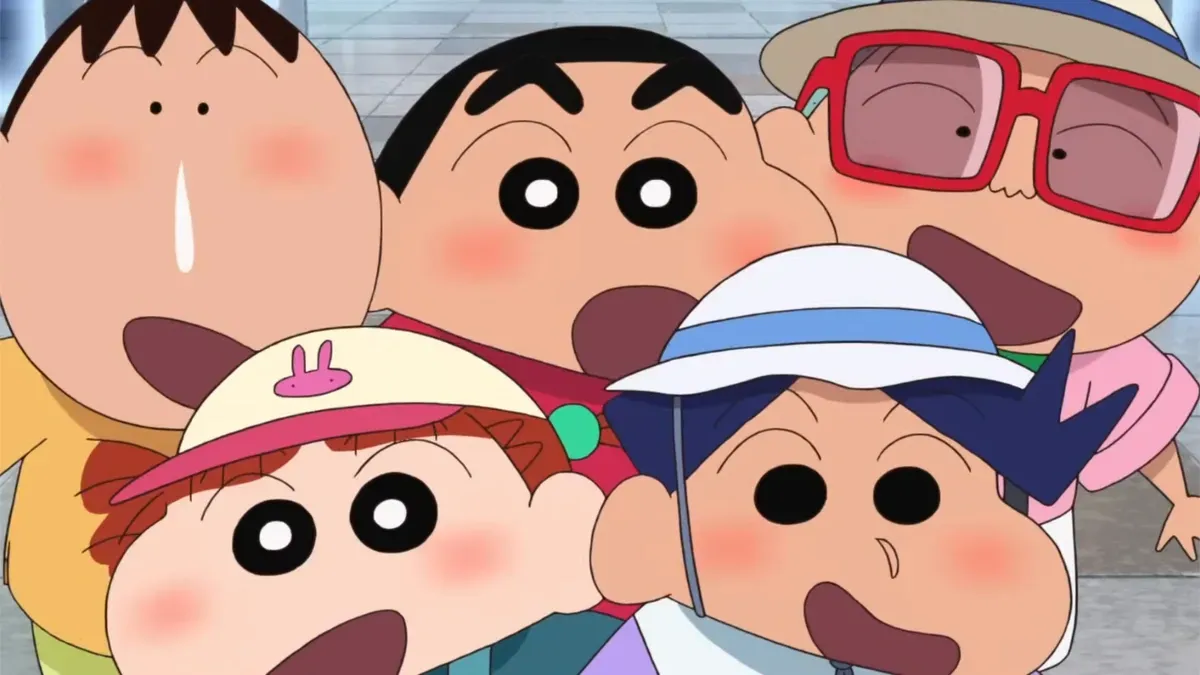
Shinchan Explained: Real Story, Death Rumor Truth, Characters, Movies & Where to Watch (Complete Guide)
For an entire generation of Indian kids, 4 PM meant one thing: a mischievous five-year-old in a red t-shirt and yellow shorts, wiggling his hips, embarrassing his mother, and flirting with every "pretty didi" in Kasukabe. Shinchan isn't just a cartoon in India — it's a childhood institution, a source of a thousand memes, and, thanks to the internet, the subject of some of the most persistent rumors in cartoon history.
Is Shinchan a real story? Did Shinchan actually die? Why was it banned in India? Who is that mysterious girl Shinko? And with over three decades of episodes and 33 movies, where do you even watch it all today?
This complete guide answers every single one of those questions — the facts, the myths, the characters, the movies, and the truth behind the viral "real story" that has fooled millions. Let's settle everything, once and for all.
 Also ReadHow Anime Is Changing Generations Worldwide in 2026
What Is Shinchan? The Basics
Shinchan — officially Crayon Shin-chan (クレヨンしんちゃん) — is a Japanese comedy manga and anime series created by Yoshito Usui. The manga began in 1990 in the Japanese magazine Weekly Manga Action (published by Futabasha), and the anime adaptation premiered on April 13, 1992 on TV Asahi, produced by Shin-Ei Animation — the same studio behind Doraemon. More than three decades later, it is still airing new episodes in Japan every week, making it one of the longest-running animated series in the world.
So to answer several common questions at once: yes, Shinchan is an anime (a Japanese animated series, not an American-style cartoon), it was made in Japan, and it is very much still ongoing — the show never ended, and there is no "last episode."
What does "Shinchan" mean?
The protagonist's full name is Shinnosuke Nohara. In Japanese, "-chan" is an affectionate suffix used for children and loved ones — so "Shin-chan" simply means something like "little Shin" or "dear Shin," the way Indian families use pet names. The "Crayon" in the original title refers to the childlike, crayon-drawing art style and the kindergarten world the series lives in. So "Crayon Shin-chan" roughly translates to the scribbled world of little Shin.
Who is Shinchan? The character in one paragraph
Shinnosuke "Shinchan" Nohara is a five-year-old kindergartner living in Kasukabe, Saitama Prefecture, Japan — a real city, incidentally, which has embraced the show so completely that the fictional Nohara family was granted honorary residency there. He lives with his short-tempered but loving mother Misae (Mitzi in some dubs), his salaryman father Hiroshi, his baby sister Himawari, and the family dog Shiro. Shinchan is brutally honest, endlessly curious, completely shameless, obsessed with the superhero Action Kamen and Chocobi snacks, and blessed with the vocabulary and flirting instincts of a middle-aged man in a five-year-old's body. That gap — a small child saying things no child should — is the engine of every joke the series has told for thirty years.
Is Shinchan an adult show or a kids' show?
Here's a fact that surprises many Indian fans: the original Japanese manga was written for adults. Yoshito Usui's comic ran in a seinen (adult) magazine, and early chapters were full of crude humor, innuendo, and jokes aimed squarely at grown-ups. The anime gradually softened into family entertainment, and international dubs — including the Hindi version — are edited to be child-friendly. So Shinchan is both: an adult comedy at its roots, and a kids' show in the form most of the world knows. That dual identity is exactly what got it into trouble in India, which we'll get to shortly.
Is Shinchan Real? The Viral "Real Story" and Death Rumor, Debunked
This is the single most-searched question about the series, so let's be absolutely clear from the first sentence: No. Shinchan is not real, Shinchan is not based on a real story, and Shinchan did not die. Shinnosuke Nohara is a fictional character invented by manga artist Yoshito Usui in 1990. There was no "real Shinchan," no real accident, and no grieving mother who drew the comics in her dead son's memory.
The fake story that fooled millions
If you grew up in India in the 2010s, you almost certainly heard some version of this tale: Shinchan was a real boy in Japan, born in the 1980s, who died saving his little sister Himawari from a car accident (or, in other versions, from drowning, or in a fire). His heartbroken mother, Misae, began drawing his daily antics in crayon to cope with the loss — and those crayon drawings became the cartoon we watch today.
It's an emotionally powerful story. It is also completely fabricated — a classic piece of internet creepypasta that spread through YouTube videos, WhatsApp forwards, and blog posts across India and Southeast Asia. Every detail collapses under the lightest scrutiny:
- Shinchan was created by Yoshito Usui, a male manga artist, not by a mother named Misae. Misae Nohara is a fictional character he wrote.
- The manga began as an adult comedy in a seinen magazine — hardly a grieving memorial.
- Himawari didn't even exist when the series began; she was born in the story itself in 1996, six years into the manga's run, as a major plot event.
- No Japanese source — not the publisher Futabasha, not TV Asahi, not Usui himself — has ever mentioned any real-life basis. The "real story" exists only in recycled viral videos.
So when videos ask "how did Shinchan die in real life" or "which year did Shinchan die," the honest answer is: he didn't, because he was never alive. The character has been cheerfully causing chaos, uninterrupted, since 1992.
Where the confusion probably comes from: the real tragedy of Yoshito Usui
There is a genuine death in Shinchan's history — and it likely fuels the rumor's persistence. On September 11, 2009, creator Yoshito Usui died at the age of 51 in a fall from Mount Arafune during a solo hiking trip in Japan. His death shocked fans worldwide and briefly left the franchise's future uncertain.
But here's the part the rumor videos never tell you: Usui's death did not end Shinchan. Futabasha continued the manga as New Crayon Shin-chan, produced by Usui's longtime team of assistants (credited as Usui Yoshito & UY Studio), and the anime never stopped airing. The confusion between the creator's real death and the character's fictional "death" is almost certainly how the hoax gained its emotional credibility. To be equally clear on a related search: there is no "last episode of Shinchan" where he dies. The show is ongoing; every viral "Shinchan last episode" video is fan-made fiction.
Why is Shinchan always 5 years old?
Because the series runs on what's called a floating timeline — the same device Doraemon, The Simpsons, and virtually every long-running cartoon uses. Time passes within episodes (festivals, seasons, even Himawari's birth), but the characters never age past their fixed points. Shinchan stays five, Himawari stays a baby, and Kasukabe stays frozen in an eternal present, because the comedy depends on that kindergarten world. As for "when was Shinchan born" — within the story his birthday is celebrated, but no canonical birth year exists, precisely because he's designed never to turn six.

Why Was Shinchan Banned in India?
Yes, this really happened — and it's a defining chapter of Shinchan's Indian story.
Shinchan premiered in India on Hungama TV in 2006, dubbed into Hindi, and became an instant phenomenon. Kids adored him. Parents… did not. Within two years, complaints piled up: Shinchan was rude to his elders, called his parents by nicknames, made crude jokes, and — the biggest fear — Indian kids had started imitating him at home. Parent groups argued the show was corrupting children, and in 2008 the Information and Broadcasting Ministry took Shinchan off Indian airwaves.
The ban didn't last. The show returned around 2009 in a heavily censored form: nudity gags removed (goodbye, the original butt-dance), dialogue rewritten, and the more adult humor of the Japanese version sanded down into family-safe mischief. That censored Hindi version is the Shinchan Indian audiences have watched ever since — and ironically, the controversy made him bigger than ever. Today Shinchan is one of the most popular animated characters in India, wins Indian animation industry awards, and — in a full-circle moment — the franchise's 2025 theatrical film was literally set in India, sending Shinchan and his friends to an Indian dance festival.
Shinchan vs Doraemon: which is more popular?
The eternal Indian playground debate. Both are Shin-Ei Animation productions, both are after-school royalty, and honestly, both are giants. Doraemon generally edges ahead in kids' TV ratings and merchandise reach in India, while Shinchan dominates meme culture, quotable dialogue, and the affection of viewers who grew up and kept watching. Doraemon is the show parents approve of; Shinchan is the one everyone actually quotes. Call it a tie with different trophies.
Shinchan Characters: The Complete Guide
Time to answer every "who is…?" question in one place.
The Nohara family
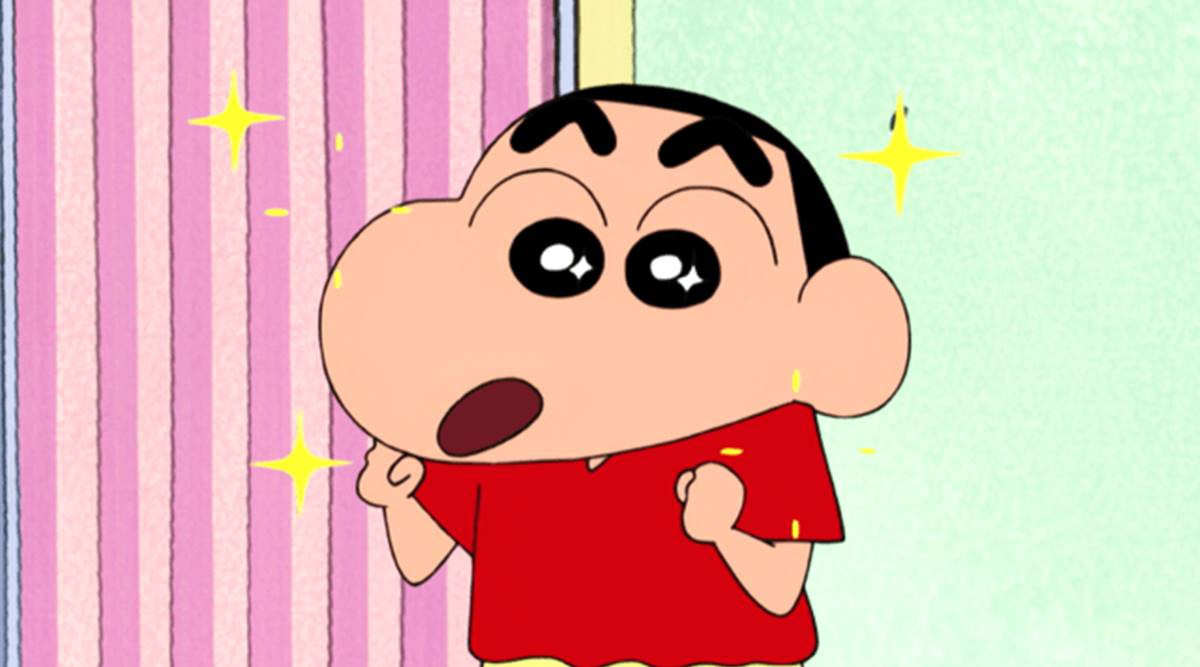
Shinnosuke "Shinchan" Nohara — Our five-year-old hero. Real name Shinnosuke; "Shinchan" is the pet name. His special moves include the butt dance, the elephant gag (censored in India), and instantly proposing to any pretty woman he meets.

Misae Nohara — Shinchan's mother (so if you've searched "what is the name of Shinchan's mom" — it's Misae, called Mitzi in some international dubs). A 29-year-old housewife with a legendary temper, a love of sales and naps, and knuckles that have met Shinchan's head more times than anyone can count. Underneath the shouting, one of anime's most genuinely loving mothers.

Hiroshi Nohara — The father: a hardworking Tokyo salaryman famous for his smelly socks, his devotion to his family, and quietly being one of the most respected "ordinary dad" characters in all of anime.

Himawari Nohara — Shinchan's baby sister, born during the series' run. Despite being an infant, she has fully formed obsessions: sparkly jewelry, money, and handsome men — proving the Nohara genes run strong.
Shiro — The family dog, and one of the most patient creatures in fiction. If you've wondered what breed Shiro is: the show never officially says. He's a small, fluffy white dog of unspecified mixed breed, famous for his "cotton candy" curl-up trick and for being routinely forgotten by the family he loyally serves.
The Kasukabe Defense Group (Shinchan's friends)
Toru Kazama — The rich, intelligent, English-learning perfectionist of the group who dreams of elite schools and secretly loves a magical-girl anime. Shinchan's habit of calling him just "Kazama" (without the polite '-kun') drives him insane. Their frenemy chemistry is the heart of the friend group.

Nene Sakurada — The self-appointed leader of playtime, famous for her "realistic house-house" games and the rabbit doll she punches when life becomes too much. Sweet exterior; volcanic interior.

Masao Sato — The timid, round-headed worrier of the group, a gentle boy with zero confidence and occasional flashes of hidden talent. (For artists searching "how to draw Masao" — he's the easiest of the group: a potato with a bowl cut, and we say that with love.)

Bo-chan — The quiet one with the eternal nose-drip, who speaks rarely and thinks deeply. Collects strange stones. Possibly the wisest character in the series.
Ai-chan (Ai Suotome) — A later addition to the class: an ultra-rich, ultra-elegant little heiress who fell hopelessly in love with the one boy immune to her charm — Shinchan. Her rivalry with Nene and her one-sided pursuit of Shinchan fuel some of the show's best episodes.
Kindergarten & neighborhood characters

Action Kamen — Shinchan's beloved TV superhero (a parody of Japanese tokusatsu heroes like Kamen Rider), whose merchandise consumes the Nohara family budget. Within the story he's an actor named Go Kuroiwa who has met Shinchan in several movies.

The Principal — The kindergarten principal whose intimidating face makes everyone mistake him for a gangster boss; the kids (Shinchan loudest of all) treat him like a mafia don, which secretly breaks his gentle heart. One of the show's longest-running gags.

Nanako Ohara — The kind college student Shinchan is devotedly in "love" with — his "Nanako onee-san," and the reason he practices his best flirting lines.
The mystery characters everyone searches for
Who is Shinko-chan? The single most-debated character in modern Shinchan. Shinko is a strange little girl who appears in newer episodes, seemingly arriving from the future via time machine, knowing impossible details about the Nohara household.
The show has never officially confirmed her identity, which has split fans into two great theories: (1) she is Himawari from the future, visiting her own family's past; or (2) she is Shinchan's future daughter — supporters note her name reads like a fusion of Shinnosuke and Tamiko, his fiancée from the future shown in the 2010 movie. Every "Shinko explained" video online is theory, not canon — and that unsolved mystery is exactly why she fascinates fans.
Who is Tamiko Kaneari? The answer to Shinko theory #2. Tamiko is Shinchan's fiancée from the future, the co-star of the 2010 film Super-Dimension! The Storm Called My Bride (released in Hindi as the "villain aur dulhan" movie).
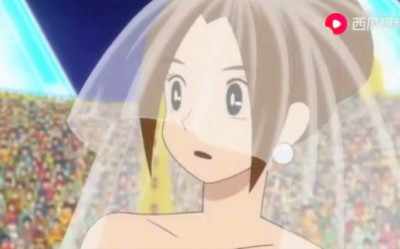
She travels back in time to recruit five-year-old Shinchan to rescue his own imprisoned adult self from her tyrannical father. The film strongly implies that grown-up Shinnosuke marries Tamiko — fuel for a decade of Shinko speculation.
Who is Lemon? "Lemon" — full alias Lemon Sunomono — is the mysterious child spy from the golden-spy movie (aired in Hindi as the Shinchan spy film). Her real name is never revealed; "Lemon Sunomono" is a codename (literally a Japanese pun — sunomono is a vinegared dish).

Some fans theorize she's connected to Tamiko because their designs and fathers look similar, but like Shinko, it's pure theory. If a video promises you Lemon's "real name," it's guessing.
Who Created Shinchan? Creator, Voice Actors & Production
The creator and writer: Yoshito Usui
Shinchan was created, written, and drawn by Yoshito Usui (born 1958), who launched the manga in 1990 after working odd jobs and drawing gag comics. His genius was simple: he wrote a child the way children actually are — shameless, honest, and accidentally profound — rather than the way adults wish they were. Usui led the series for nearly two decades until his death in a mountain-climbing accident on September 11, 2009. Since 2010, the manga has continued as New Crayon Shin-chan, produced by his trained team at UY Studio with the blessing of his family, while Shin-Ei Animation continues the anime under a rotating team of directors. So "who made Shinchan cartoon" has a two-part answer: Yoshito Usui created it; Shin-Ei Animation and TV Asahi have produced the anime since 1992.
Who voices Shinchan?
In Japanese, Shinchan's unmistakable nasal drawl was performed by Akiko Yajima from 1992 to 2018 — twenty-six years — after which she passed the role to Yumiko Kobayashi, who voices him today. In India, the iconic Hindi voice belongs to Akshay Anand Kohli, whose delivery of Shinchan's dialogue is so beloved that for millions of Indian fans, his voice — not the Japanese one — is simply what Shinchan sounds like.
How Many Episodes and Movies Does Shinchan Have?
Episodes: over 1,200 and counting
Because Shinchan has aired weekly in Japan since April 1992, the episode count is enormous — more than 1,200 numbered broadcasts, each typically containing two or three short segments, which means the total number of individual stories runs into several thousand. No complete official episode-by-episode count exists for the Hindi dub, since Indian broadcasts mix eras and reruns freely. The practical answer: more Shinchan exists than any human could binge, and Japan adds more every week. And to repeat the important part: there is no final episode — every "last episode of Shinchan" video circulating online is fan fiction.
Movies: 33 theatrical films (and one set in India!)
Shinchan's movie tradition is one of anime's great annual rituals: since 1993, a new theatrical film has released nearly every year, all distributed by Toho. As of 2026, the count stands at 33 feature films. The movies are where Shinchan goes big — time travel, kingdoms, aliens, samurai wars — while somehow always ending on a surprisingly emotional note about family. Highlights every fan should know:
- Action Kamen vs Haigure Demon (1993) — the first movie ever.
- The Adult Empire Strikes Back (2001) — widely considered one of the greatest anime films ever made, period; a comedy that ends as a meditation on nostalgia and parenthood that reduces grown adults to tears.
- The Battle of the Warring States (2002) — the samurai time-travel epic, another critical masterpiece.
- Super-Dimension! The Storm Called My Bride (2010) — the future-fiancée Tamiko film central to the Shinko mystery.
- New Dimension! Battle of Supernatural Powers (2023) — the franchise's first 3DCG film and its highest-grossing entry ever.
- Super Hot! The Spicy Kasukabe Dancers (2025) — the historic 32nd film, in which Shinchan and friends travel to India for a dance festival — the franchise's first Indian setting, and a landmark moment for his massive Indian fanbase.
- Kiki Kaikai! Ora no Yokai Vacation (2026) — the 33rd and newest film, releasing in Japanese theaters in summer 2026, sending the Nohara family into a land of yokai (Japanese spirits) where Shinchan transforms into a tengu.
The latest movie of Shinchan, then, depends on when you ask: the Yokai Vacation film is the newest release, with the India-set Kasukabe Dancers right before it.
Where to Watch Shinchan: All Episodes & Movies (India Guide 2026)
Now for the most practical question of all. Here's the legal viewing map for Indian fans as of 2026:
Television: Shinchan's Indian home remains Hungama TV (with reruns across Disney India's kids' channels), airing the censored Hindi dub that made him a household name. Tamil, Telugu, and other regional dubs have also aired across southern feeds of these kids' networks — which answers the "which channel telecasts Shinchan in Tamil" question: check Hungama/Super Hungama's regional audio feeds.
Streaming the series: The Shinchan TV series currently streams in India on JioHotstar, with episodes available in Hindi and other languages depending on the title. Availability rotates, so search "Shin chan" (with the space) if the app's search plays hide and seek.
Streaming the movies: Shinchan films are scattered across platforms and rotate frequently — select dubbed movies have appeared on Netflix India, Amazon Prime Video, and JioHotstar at various times. The reliable strategy: search the specific movie title in each app rather than browsing, since licensing changes season to season.
About "downloading Shinchan episodes/movies in Hindi/Tamil": the legal route is the offline download feature inside JioHotstar, Netflix, or Prime Video with an active subscription. The APK-and-Telegram route that dominates search results carries real malware risk and hurts the official viewership numbers that decide whether more dubbed Shinchan content comes to India — including films like the India-set 2025 movie getting proper Indian releases. Watch legal; it genuinely matters.
Old episodes: For the classic 2006-era Hungama episodes specifically, streaming platforms carry mixed-era libraries rather than a chronological archive — old and new segments air together, just as they always have on TV. There is no official chronological "Season 1, Episode 1" viewing experience in Hindi, and honestly, Shinchan doesn't need one: it's a show you can enter anywhere.
Shinchan's World: Fun Facts & Questions Fans Keep Asking
Where does Shinchan live? In Kasukabe, Saitama Prefecture — a real commuter city north of Tokyo. The real Kasukabe has leaned in completely: the Nohara family holds honorary residency, and the city uses Shinchan in local branding. Fans visiting Japan actually make Kasukabe pilgrimages.
What is Shinchan's phone number? He's five, and fictional — no phone, no number. Any "Shinchan's real phone number" video is bait; please don't call strangers because YouTube told you to.
What does Shinchan call his principal? He treats the poor man like a gangster boss — the principal's intimidating face has the whole kindergarten convinced he's a mafia don, a gag the Hindi dub carried over gleefully. Behind the scary face is the gentlest soul in the school, which is the entire joke.
How does Shinchan look in the future? The 2010 Tamiko movie gives the canonical glimpse: adult Shinnosuke is a tall, spiky-haired young man — unmistakably his father Hiroshi's son — who grows up kind, brave, and still fundamentally ridiculous. It remains the fandom's favorite "what if" and the foundation of every Shinko theory.
Which Shinchan character are you? The eternal quiz question. The honest cheat sheet: the perfectionist planner is a Kazama, the drama-realist is a Nene, the anxious sweetheart is a Masao, the silent philosopher is a Bo, the label-loving royal is an Ai-chan — and if you've ever embarrassed your family in public and felt zero shame, congratulations, you're Shinchan.
What can we actually learn from Shinchan? Beneath thirty years of butt jokes sits a surprisingly warm philosophy. The Noharas are a middle-class family who argue constantly and would walk through fire for each other — the movies especially return, again and again, to the idea that an ordinary loving family is the most valuable thing a person can have. Shinchan himself, for all his shamelessness, is fearless, honest, loyal to his friends, and completely immune to social pressure. The show's real lesson has always been hiding in plain sight: laugh loudly, love your family, and never pretend to be someone you're not.
Is Shinchan available on Amazon Prime? Select movies, yes, rotating by season — the series itself lives primarily on JioHotstar in India. Check both before subscribing for Shinchan alone.
Final Thoughts: Why Shinchan Endures
Strip away the rumors, the ban, and the memes, and what remains is remarkable: a gag manga from 1990 that became one of the longest-running, most beloved animated series on Earth. It survived the death of its creator, a national ban in one of its biggest markets, three decades of changing tastes, and an internet determined to kill off its hero with fake sob stories — and it answered all of it by simply staying funny.
Shinchan is not real, and that's the best part: no real child could get away with any of this. He is fiction doing exactly what great fiction does — telling the truth about families, childhood, and embarrassment through a five-year-old who fears nothing. Thirty-three movies in, with new episodes still airing weekly and his biggest film yet having just visited India itself, the kid in the red t-shirt isn't going anywhere.
He'll be five years old forever. Lucky him — and lucky us.
format(webp))






// Comments