Introduction to the Abe Clan and Angel
In the intricate lore of Jujutsu Kaisen, the Heian Era stands as the "Golden Age of Jujutsu," a time when sorcery reached its absolute peak. Among the legendary figures of this period is Angel, an ancient sorcerer whose existence is inextricably linked to the mysterious Abe clan JJK. Unlike many other sorcerers who sought power for personal gain or destruction, Angel represents a unique, quasi-religious faction dedicated to the eradication of those who defy the laws of nature—most notably the "Disgraced One," Ryomen Sukuna. This exploration into the Abe clan and Angel's history reveals the foundational conflicts that continue to shape the modern jujutsu world.
 Also ReadSukuna's World-Cutting Slash Explained
Angel's Origins in the Heian Era
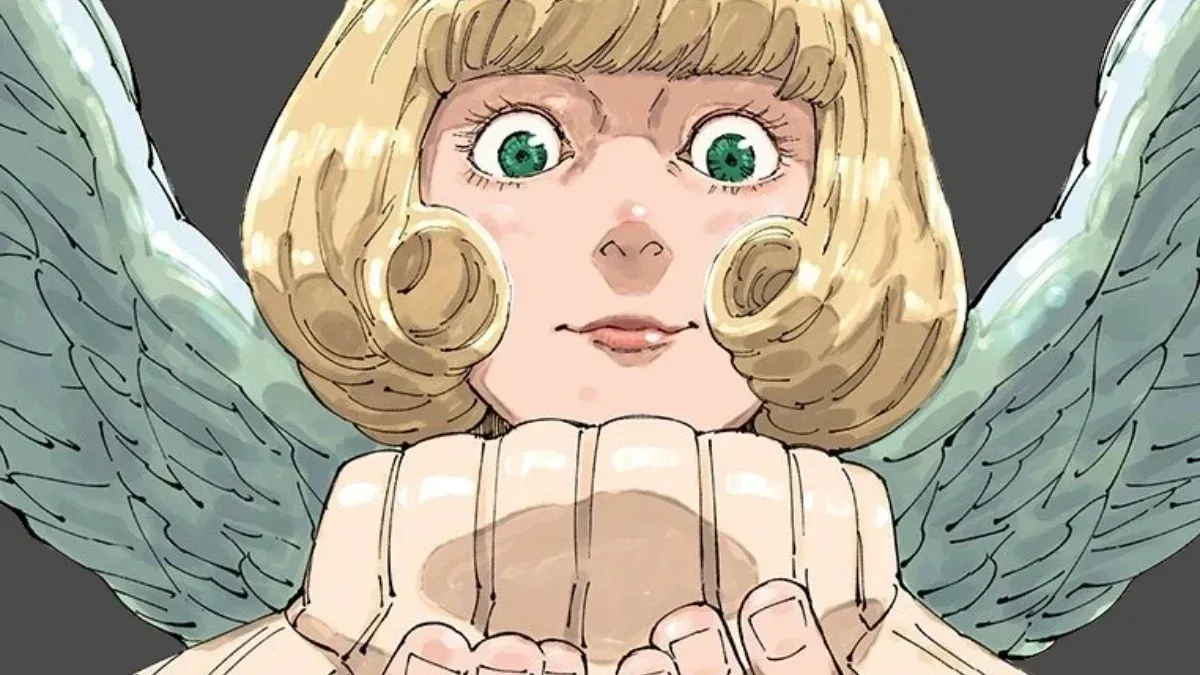
The Angel Heian Era origins are rooted in a period of extreme supernatural activity. During this time, Angel was not merely a lone sorcerer but a member of a group of sorcerers who followed a strict moral and religious code. Angel’s physical appearance, often depicted with wings and a halo, reflects the spiritual nature of her power. In the Heian Era, Angel existed as a peer to Sukuna, witnessing his rise from a "rejected child" to a calamitous deity. Her decision to become a cursed object was driven by a singular purpose: to pursue Sukuna across time and ensure his ultimate destruction, viewing him as a stain on the world that must be purged.
The History and Legacy of the Abe Clan in JJK
The Abe clan JJK is one of the most significant yet enigmatic lineages in the series. Historically, the Abe clan is associated with the real-world figure Abe no Seimei, Japan's most famous onmyoji. Within the narrative of Jujutsu Kaisen, this clan held immense influence during the Heian Era, serving as the vanguard of spiritual protection and refinement. While the "Big Three" families—Gojo, Zenin, and Kamo—are the most prominent in the modern era, the Abe clan provided the ideological and technical groundwork for many high-level techniques. Angel’s affiliation with the Abe clan suggests a heritage of high-output, light-based sorcery that was specifically designed to counter malicious cursed energy.
 Also ReadThe Mahoraga Ritual Rules Explained
Understanding Jacob's Ladder and its Origins
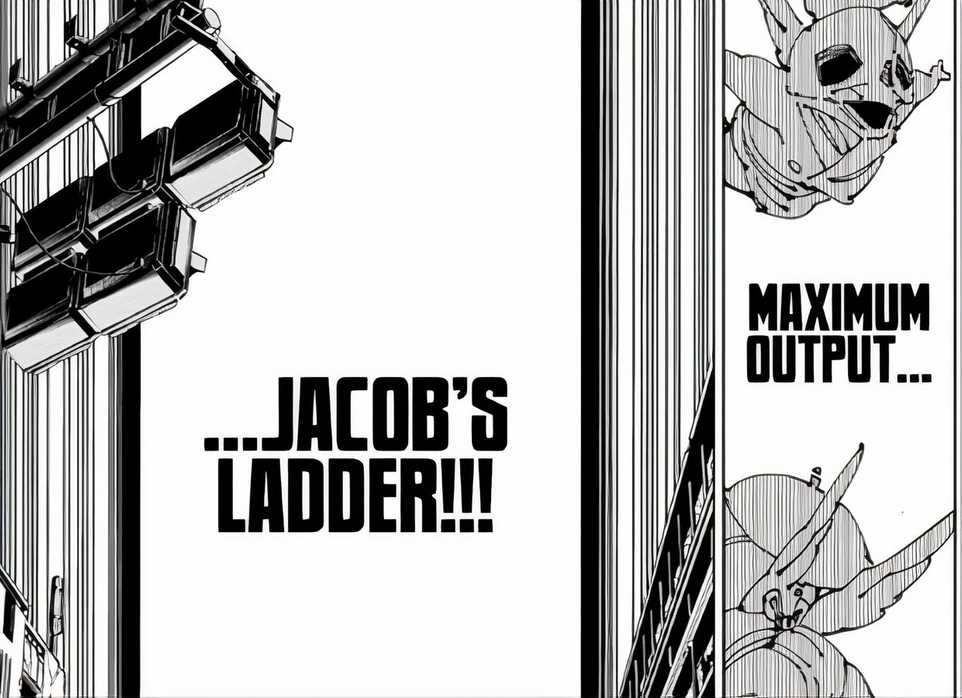
At the heart of Angel’s arsenal is the devastating technique known as Jacob's Ladder. When examining the Jacob's Ladder origins, we see a blend of Abrahamic religious symbolism and traditional Japanese sorcery. This technique functions as an "Evil-Expelling Repentance," projecting a massive pillar of all-purifying light from a celestial magic circle. The mechanics of Jacob's Ladder are unique in JJK:
- Technique Extinguishment: It neutralizes and erases any cursed technique it touches, making it the ultimate counter to barrier techniques and innate powers.
- Cursed Object Destruction: It has the specific capability to strip a cursed spirit from its vessel, a feat few other sorcerers can achieve.
- Sin Purging: Beyond physical damage, the technique is framed as a spiritual judgment, reflecting Angel's role as a divine arbiter.
The Ancient Rivalry: Angel vs. Ryomen Sukuna
The Sukuna rivalry is the defining characteristic of Angel’s character. Angel refers to Sukuna as "The Fallen" or "The Disgraced One," implying that Sukuna was once part of their religious or social circle before choosing a path of unbridled hedonism and slaughter. This ancient rivalry suggests that Sukuna may have even belonged to or was adopted by the Abe clan before his transformation into the King of Curses. Angel views Sukuna’s existence as a violation of the natural order, leading to a millennia-long hunt. Their conflict is not just one of physical strength, but a clash of philosophies: Angel's rigid adherence to divine law versus Sukuna's absolute individualistic freedom.
Angel's Role in Modern Jujutsu Kaisen
In the modern era, Angel survives by inhabiting the body of Hana Kurusu. Unlike Sukuna, who forcibly subverts his vessel, Angel chose a path of coexistence, allowing Hana to retain control while providing her with the power of the Heian Era. This partnership became vital during the Culling Games and the battle against Sukuna. Angel's ability to use Jacob's Ladder provided the only viable means to free Satoru Gojo from the Prison Realm and offered a tactical opportunity to separate Sukuna from Megumi Fushiguro. Despite the vast power gap, Angel remains the most potent ideological and technical threat to Sukuna’s reign.
Conclusion: The Impact of Heian Era Lore
The history of the Abe clan and Angel provides essential context for the power dynamics of Jujutsu Kaisen. By looking back at the Angel Heian Era roots and the Jacob's Ladder origins, fans gain a deeper understanding of why Sukuna is so feared and how the ancient sorcerer families laid the groundwork for modern jujutsu society. The Sukuna rivalry serves as a reminder that the current conflicts are merely the latest chapters in a war that has lasted over a thousand years. As the series reaches its climax, the legacy of the Abe clan continues to be a beacon of light against the overwhelming shadow of the King of Curses.
















// Comments