Introduction to Bratty and Annoying Anime Characters
In the vast and colorful world of Japanese animation, characters are often designed to evoke strong emotional responses. While we usually flock to the heroic leads or the tragic villains, there is a specific category that consistently gets under the skin of the audience: the anime brat. These characters are defined by their high-pitched demands, inflated egos, and a general lack of regard for anyone else's patience.
Whether they are pulling on a protagonist's cape or screaming for the latest toy, annoying anime kids have become a staple of the medium. In 2026, as storytelling becomes more nuanced, these characters serve a vital purpose beyond just being a nuisance. They challenge our favorite heroes and often represent the most human, albeit frustrating, flaws of the cast.
From spoiled royalty to immature prodigies, the spectrum of bratty anime characters is wide. Understanding why these personalities exist and how they impact our viewing experience is key to appreciating the complexity of anime character design. Today, we are diving deep into the most exasperating individuals to ever grace the screen, ranking them based on their ability to test a viewer's resolve.
 Also ReadHunter x Hunter Dark Continent Arc: Everything to Know
Defining the Anime Brat Archetype
The "brat" is not just a character who is occasionally mean; it is a full-blown archetype rooted in specific childish anime tropes. At its core, the anime brat is characterized by a sense of entitlement and a refusal to acknowledge social boundaries. These characters often believe the world revolves around them, a trait frequently amplified by their upbringing or unique powers.
We often see spoiled anime archetypes in the form of the "Ojou-sama" (the rich, haughty girl) or the "Gaki" (the troublesome young boy). These tropes utilize specific visual and auditory cues—such as the iconic "ohohoho" laugh or frequent temper tantrums—to immediately signal their personality to the viewer. This shorthand allows creators to establish conflict quickly within a group dynamic.
However, being a brat isn't limited to age. Immature anime leads can also fall into this category if they prioritize their own whims over the safety or well-being of their comrades. By defining this archetype, we can better distinguish between a character who is simply a villain and one whose primary weapon is their sheer, unadulterated annoyance.
Why Fans Love to Hate Childish Characters
There is a unique psychological phenomenon in the anime community: the "love to hate" relationship. While we might complain about top bratty anime girls or loud-mouthed kids, their presence often makes the payoff of a story much more satisfying. Seeing a character who has been nothing but a headache finally face the consequences of their actions is a powerful narrative tool.
 Also ReadBlack Clover Season 2 Episode 2 Pushes the Underworld Gate Closer
Furthermore, childish characters often act as a mirror for the audience. They represent the unfiltered impulses we are taught to suppress as adults—greed, impatience, and vanity. By projecting these traits onto an anime brat, the story allows us to explore these negative emotions in a safe, often comedic environment. This is why many "annoying" characters actually have dedicated fanbases who find their antics entertaining rather than purely grating.
In the context of 2026 SEO trends and viewer engagement, these characters generate significant "discourse." Fans love to debate which characters are truly irredeemable and which are just misunderstood. This engagement keeps series relevant in the cultural zeitgeist, proving that sometimes, being annoying is the best way to stay memorable.
Criteria for Ranking the Most Annoying Personalities
To create a fair and comprehensive list, we have established specific criteria for our ranking. Not all annoying characters are created equal, and we want to highlight those who truly embody the spirit of the anime brat. Our ranking is based on the following factors:
- Level of Entitlement: How much does the character expect others to do for them without offering anything in return?
- Frequency of Outbursts: How often does their behavior disrupt the flow of the story or the peace of other characters?
- Lack of Self-Awareness: Is the character aware of how frustrating they are, or do they truly believe they are in the right?
- Impact on the Protagonist: To what degree does their bratty nature hinder or complicate the journey of the lead characters?
- Aural Annoyance: Factors like voice acting choices (high-pitched screaming or repetitive catchphrases) that contribute to the viewer's desire to hit the mute button.
By using these metrics, we can move beyond personal bias and look at how these spoiled anime archetypes function within their respective series to create the ultimate "annoyance" factor.
10 Best Bratty and Annoying Anime Characters, Ranked
10. Excalibur (Soul Eater)

While technically a legendary sword, Excalibur is the personification of annoyance. He forces anyone who wants to wield him to follow 1,000 ridiculous provisions, including five-hour storytelling sessions. His signature song and constant "Fool\!" interjections make him a classic example of an annoying entity that everyone in the show—and the audience—wants to avoid.
9. Hiyori(Bleach)
Hiyori is the definition of a short-tempered anime brat. Despite her power, her primary interaction with others involves screaming, kicking Shinji Hirako in the face, and being generally unpleasant. Her refusal to show respect to anyone makes her a standout in the "immature leads" category, even if she is technically an ally.
8. Meryem (Hunter x Hunter - Early Stages)

Before his incredible character arc, the Chimera Ant King was the ultimate spoiled archetype. Born with absolute power, he viewed all other life as insignificant insects. His initial bratty behavior was dangerous rather than just annoying, as his tantrums resulted in literal decapitations, showing a darker side to the "spoiled" trope.
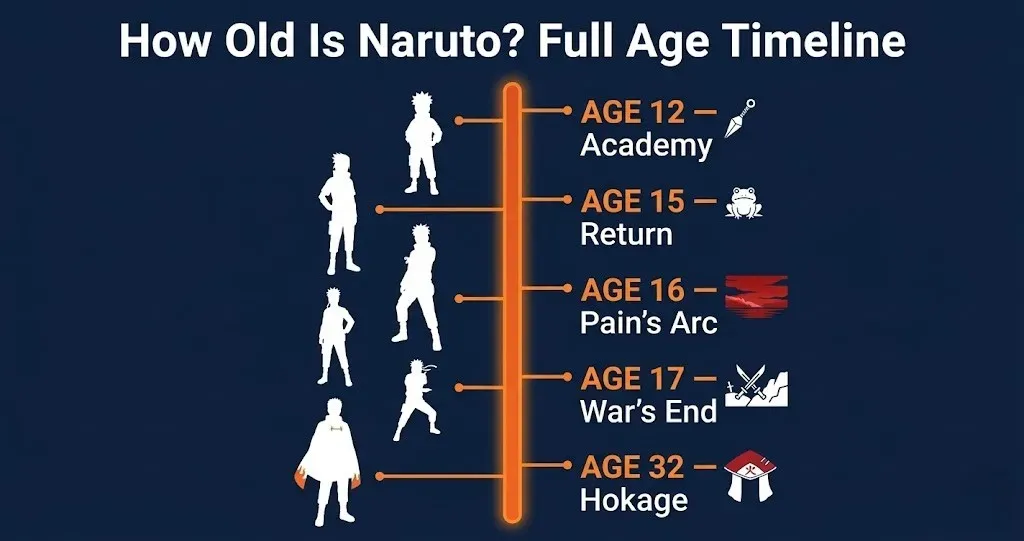
7. Boruto Uzumaki (Boruto: Naruto Next Generations - Early)

In the early episodes, Boruto was often criticized for being a spoiled anime lead. Unlike his father, who grew up with nothing, Boruto had a family and status but spent his time complaining about Naruto's busy schedule. His childish rebellion and "cheating" during the Chunin exams cemented his status as a divisive anime brat for many long-time fans.
6. Umaru Doma (Himouto\! Umaru-chan)

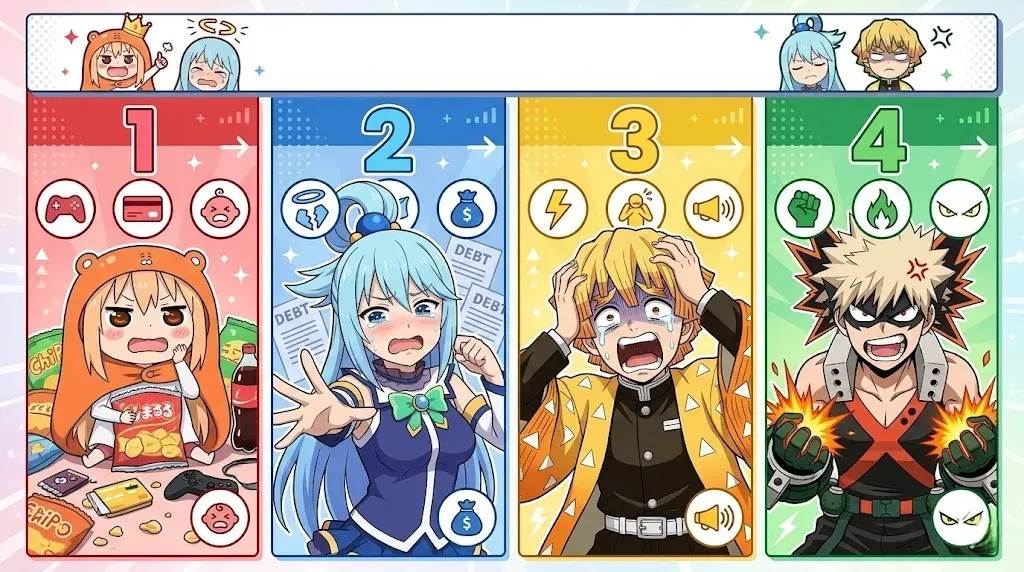
Umaru is a fascinating case of the "dual personality" brat. While she is perfect in public, at home she becomes a junk-food-obsessed, gaming addict who treats her brother like a servant. Her constant whining for cola and games makes her one of the top bratty anime girls in modern history.
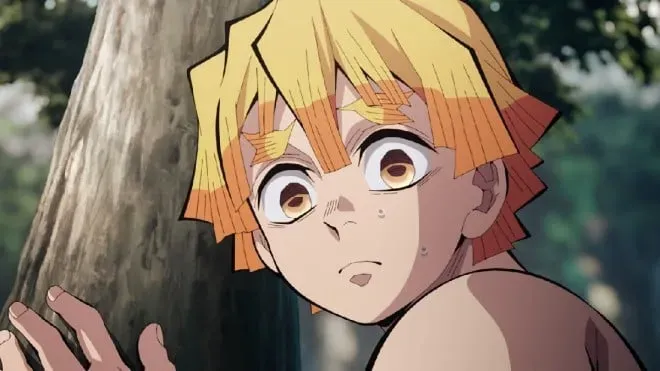
5. Zenitsu Agatsuma (Demon Slayer)
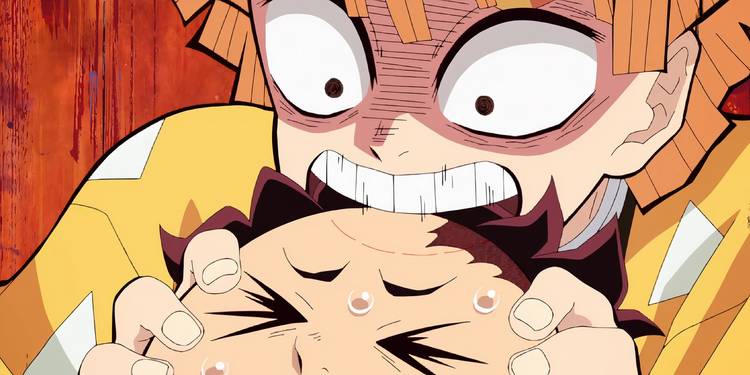
Zenitsu is beloved by many, but his constant high-pitched screaming and cowardice can be incredibly grating. His tendency to cling to girls and sob about his impending death makes him a primary example of how voice acting can amplify the "annoying" trait of a character, even when they are heroic.
4. Rachel (Tower of God)
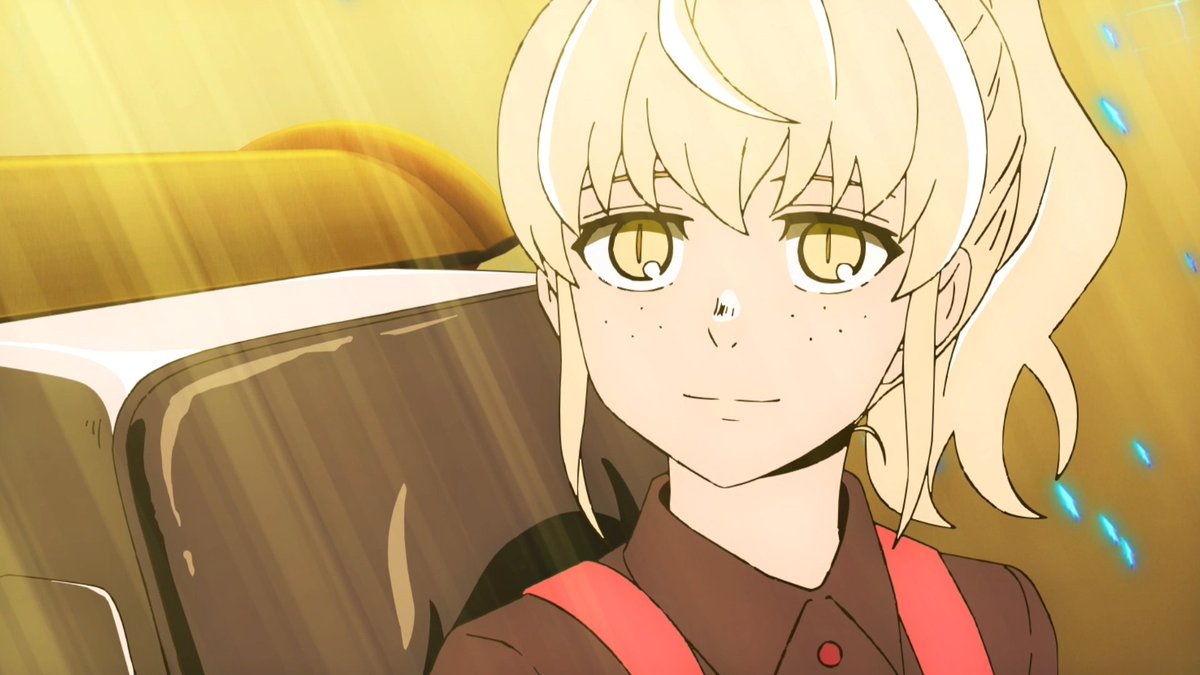
Rachel is perhaps the most "hated" character on this list. Her bratty nature comes from a place of intense jealousy and entitlement. She believes she deserves to see the stars more than anyone else and is willing to betray and manipulate those who love her to get what she wants. She is the ultimate "spoiled" character who refuses to do the work herself.
3. Bakugo Katsuki (My Hero Academia - Early)

In the beginning of the series, Bakugo was an insufferable brat fueled by a massive ego. His constant bullying of Midoriya and his "superiority complex" made him a character that many fans found genuinely annoying. His growth is legendary, but his start was the epitome of an immature anime lead.
2. Aqua (Konosuba)

Aqua is a literal goddess, yet she is one of the most childish characters ever conceived. She is lazy, spends all her money on booze, cries whenever things don't go her way, and constantly demands praise from Kazuma. Her "useless goddess" status is a perfect subversion of the divine archetype, turning it into a hilarious anime brat trope.
1. Asta (Black Clover - Early Stages)

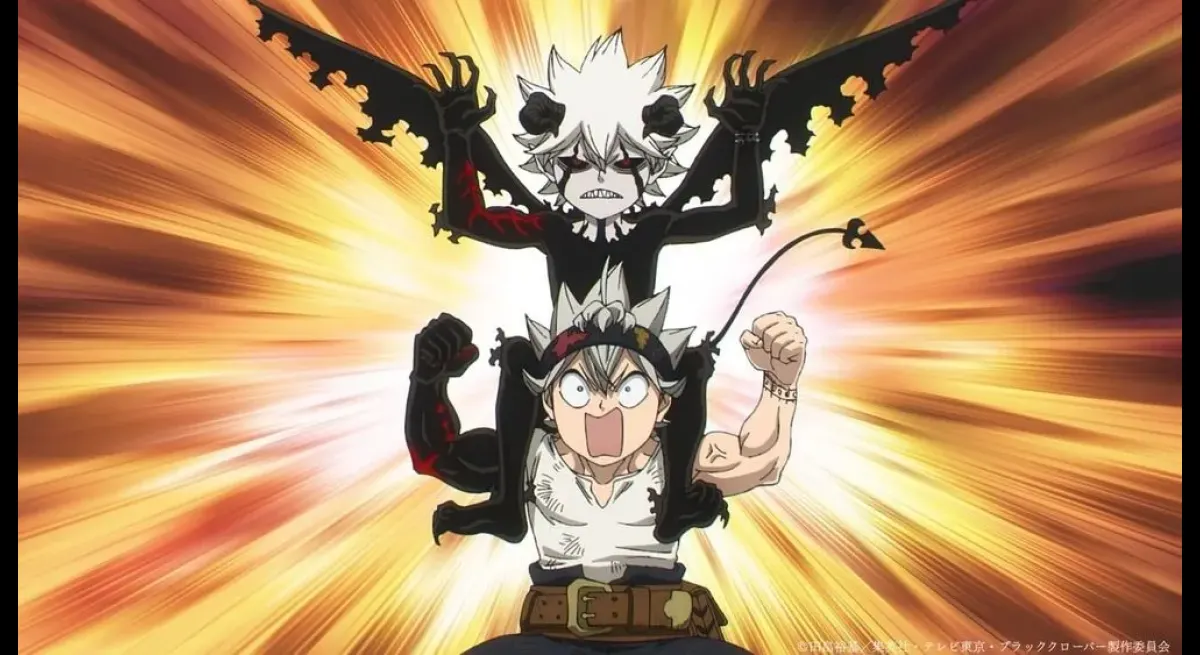
Before fans got used to him, early Asta was notorious for constantly screaming at the top of his lungs. His unwavering, loudmouthed stubbornness and refusal to use an inside voice made him a grating presence for many during the first dozen episodes.
Impact of Bratty Characters on Plot Development
It is easy to dismiss an anime brat as a waste of screen time, but they often serve as the primary engine for plot development. These characters act as catalysts for change. Because they are unpredictable and self-centered, they often create "incidents" that the protagonist must then resolve. This forces the main cast into action, leading to new environments or combat scenarios.
In many series, the annoyance caused by a childish character serves as a test for the hero's patience and leadership. For example, a protagonist who can successfully manage a bratty teammate demonstrates a level of maturity that elevates them above their peers. This dynamic is a staple in the shonen genre, where social navigation is just as important as physical strength.
Furthermore, spoiled anime archetypes often hold the key to political or social themes within a story. A bratty noble character can be used to highlight the systemic issues of a fantasy world, making the audience root for a revolution. In this way, their annoying traits are a direct reflection of the world-building, providing depth to the setting through their individual flaws.
Iconic Examples of Growth and Redemption
One of the most rewarding aspects of the anime brat archetype is the potential for growth. Many of the characters we initially find annoying are designed that way specifically to facilitate a "redemption arc." Watching a spoiled, immature child transform into a responsible, empathetic adult is one of the most powerful narrative journeys in media.
- Bakugo Katsuki: Perhaps the gold standard for growth. He moved from a screaming bully to a hero capable of apologizing and self-sacrifice.
- Luke fon Fabre (Tales of the Abyss): While originally from a game, his anime adaptation perfectly captures his transition from a sheltered, arrogant brat to a selfless hero.
- Meryem: His evolution through his relationship with Komugi changed him from a genocidal monster into a character who valued the beauty of human connection.
These arcs prove that the "bratty" phase is often just the starting point. By making a character initially insufferable, creators give themselves more room to show significant change. This makes the eventual payoff feel earned, as the audience has suffered through the character's worst traits alongside the cast.
Conclusion: The Role of the Anime Brat in Storytelling
While they may test our patience and make us cringe, the anime brat is an essential component of the medium's DNA. They provide conflict, comedy, and a unique form of emotional engagement that keeps viewers coming back. Whether they are spoiled anime archetypes or just loud-mouthed kids, these characters remind us that everyone has the capacity for frustration—and for growth.
As we look forward to the releases of 2026, we can expect creators to continue refining this trope, giving us characters that are more complex and perhaps even more annoying than ever before. But as any seasoned fan knows, the most bratty characters are often the ones who leave the biggest impact on our hearts by the end of the series. For more in-depth character analysis and the latest updates, you can always check out the latest features on Crunchyroll News.
Ultimately, the "best" bratty characters are the ones who make the story feel alive. They remind us that the world of anime isn't just filled with perfect heroes, but with flawed, childish, and sometimes truly annoying people who are all just trying to find their way in their respective universes.






// Comments