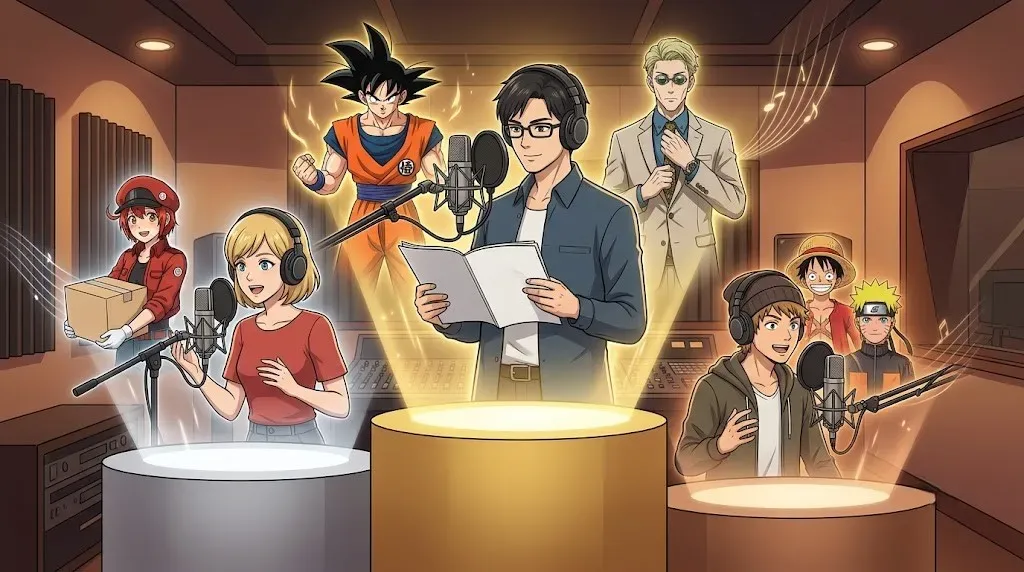

Introduction to Most Popular Voice Actors in Anime
The magic of anime often lies in the seamless blend of breathtaking visuals and evocative soundscapes. At the heart of this experience are the performers who breathe life into hand-drawn characters. The most popular voice actors anime fans follow today are more than just behind-the-scenes talent; they are global superstars whose voices are synonymous with our favorite heroes and villains.
In 2026, the appreciation for voice acting has reached an all-time high. Fans no longer just watch a series for the plot; they follow specific "seiyuu" (Japanese voice actors) across different projects, much like one might follow a Hollywood A-lister. This deep connection has turned the industry into a cornerstone of modern pop culture, bridging the gap between animation and reality.
Whether it is the gravelly determination of a shonen protagonist or the delicate cadence of a slice-of-life lead, these performers define the emotional core of the medium. In this guide, we dive into the world of legendary seiyuu rankings and explore the voices that have shaped the history of Japanese animation.
 Also ReadNaruto vs Pain: Full Episode Breakdown & Attacks
The Role of Seiyuu in Anime Culture
In Japan, the term "seiyuu" carries a weight that transcends simple voice work. Unlike the traditional perception of voice acting in some Western markets, seiyuu are multifaceted entertainers. They often host radio shows, perform in live concerts, and maintain active presences in the fashion and music industries.
The role of iconic Japanese voice actors is pivotal to a show's commercial success. A high-profile casting can drive pre-orders for Blu-rays and boost manga sales. This cultural phenomenon has led to the "Idol Seiyuu" era, where the performer's personality is as much a draw as their vocal range. This unique environment ensures that only the most dedicated and versatile talents rise to the top.
Furthermore, seiyuu are responsible for the "soul" of the character. Because Japanese animation often relies on distinct archetypes, the voice actor must find subtle ways to make their performance stand out. It is this dedication to the craft that creates the most recognizable anime voices that fans can identify within seconds of hearing a single syllable.
Criteria for Ranking Iconic Japanese Voice Actors
Ranking the most popular voice actors anime has produced is no small feat. To provide a comprehensive and fair list, we have evaluated these performers based on a specific set of criteria that reflects both historical significance and current 2026 industry trends.
 Also ReadSailor Moon Heads Back to Christie’s NY Auction October After $89K Sale
Our ranking factors include:
- Versatility: The ability to play vastly different roles, from young children to elderly villains, with convincing emotional depth.
- Consistency: Maintaining high-quality performances over several decades and across multiple genres.
- Cultural Impact: How much the actor has influenced the industry or helped popularize anime on a global scale.
- Fan Recognition: The "instant recognition" factor and the size of their dedicated international following.
- Award Recognition: Success at prestigious events like the Seiyu Awards in Japan.
10 Most Popular Voice Actors in Anime, Ranked
1. Mamoru Miyano
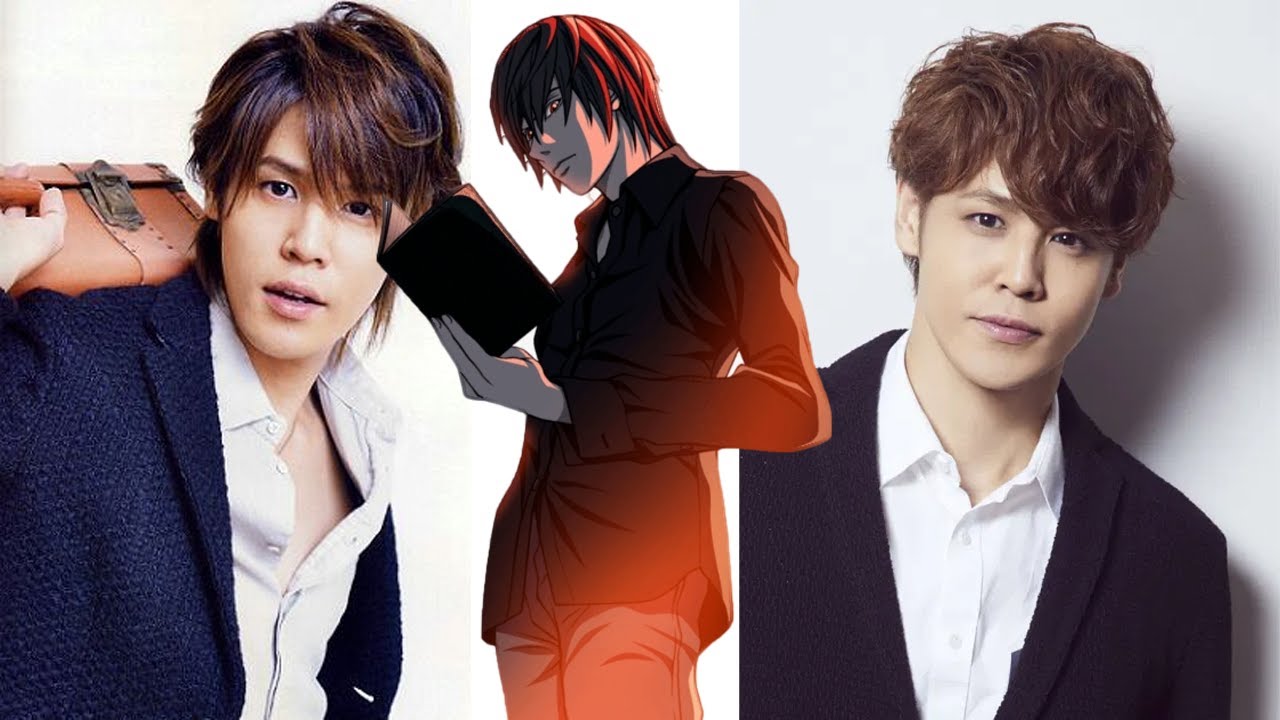
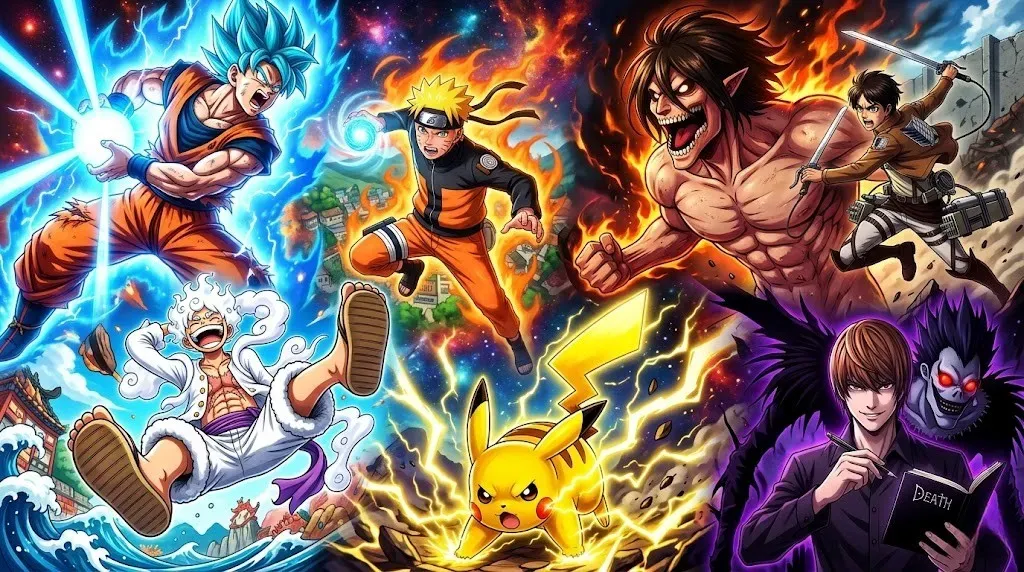
Often considered the face of the modern seiyuu industry, Mamoru Miyano is a powerhouse of talent. Best known for his role as Light Yagami in Death Note, he perfectly captures the descent from a brilliant student to a megalomaniacal god. His ability to balance intense drama with comedic timing makes him a favorite for directors across the board.
2. Hiroshi Kamiya
If there were a hall of fame for legendary seiyuu rankings, Hiroshi Kamiya would be at the center. With a voice that exudes intelligence and dry wit, his performances as Levi Ackerman in Attack on Titan and Araragi in the Monogatari series have cemented his status as one of the best anime voice performances of the 21st century.
3. Megumi Hayashibara

A true pioneer, Megumi Hayashibara defined the "90s era" of anime. As the voice of Rei Ayanami in Evangelion and Faye Valentine in Cowboy Bebop, she proved that a single voice could embody both haunting silence and fiery independence. She remains an inspiration for every aspiring female seiyuu today.
4. Yuki Kaji

Yuki Kaji is the undisputed king of the "shonen scream." His role as Eren Yeager required an emotional evolution that few could pull off, transitioning from a desperate child to a complex antagonist. His vocal strain and raw passion make him one of the most recognizable anime voices in the world.
5. Nana Mizuki

Blending the worlds of an idol singer and a top-tier voice actress, Nana Mizuki is a force of nature. While she is iconic as Hinata Hyuga in Naruto, her work in the magical girl and mecha genres has earned her a spot among the top-rated anime cast members of all time.
6. Takehito Koyasu

Specializing in villains and eccentric characters, Takehito Koyasu possesses a voice that is both silky and terrifying. His performance as Dio Brando in JoJo's Bizarre Adventure is legendary, spawning countless memes and setting a high bar for antagonistic portrayals in anime.
7. Maaya Sakamoto

Starting her career as a child, Maaya Sakamoto has grown into one of the most respected figures in the industry. From the stoic Motoko Kusanagi in Ghost in the Shell to the ethereal Ciel Phantomhive, her range is virtually limitless. She is also a highly accomplished musician, often singing the themes for her shows.
8. Kenjiro Tsuda
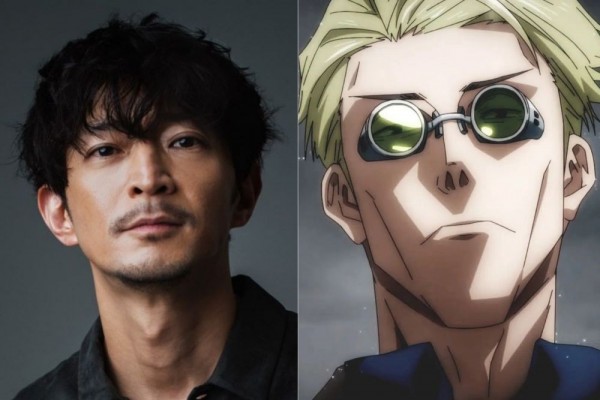
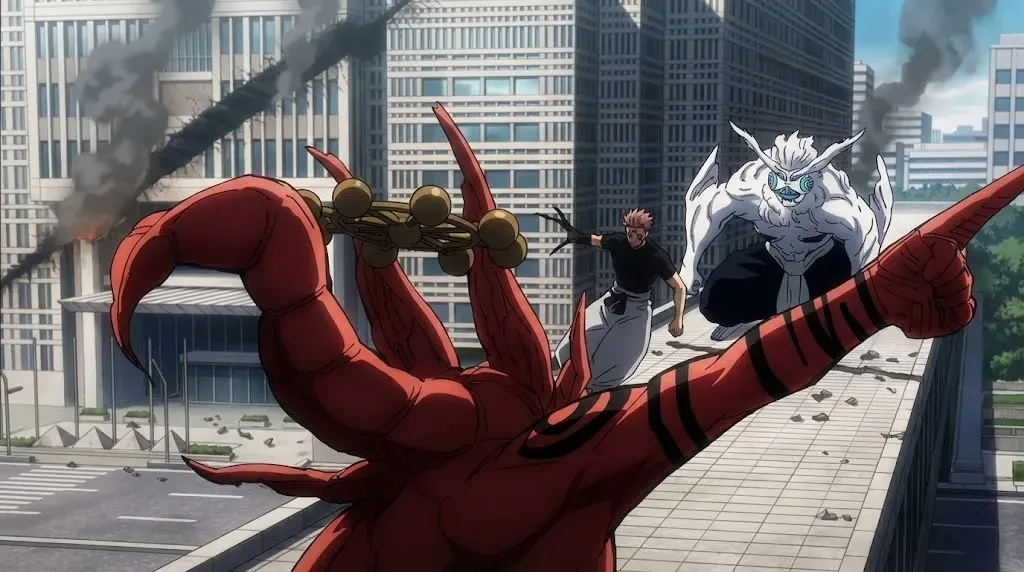
With a low, raspy register that is instantly identifiable, Kenjiro Tsuda has seen a massive surge in popularity in recent years. His roles as Nanami in Jujutsu Kaisen and Joker in Fire Force have made him the go-to choice for "cool and collected" mentors or enigmatic rogues.
9. Masako Nozawa
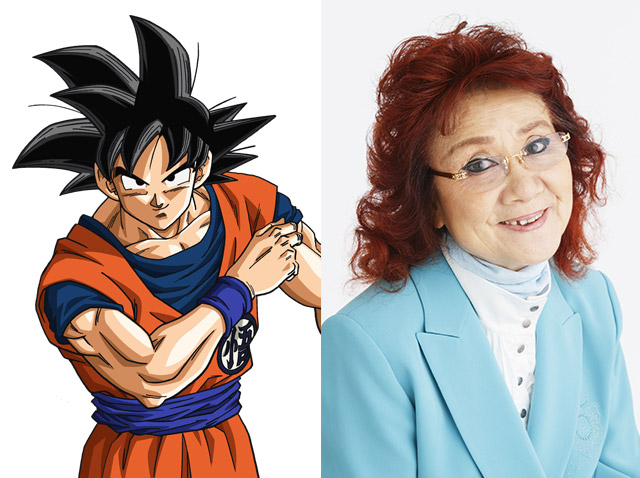
No list of famous anime dub actors or seiyuu is complete without the legend herself. Masako Nozawa has voiced Goku since the beginning of Dragon Ball. Her energy and dedication, even in her 80s, are a testament to the longevity and passion inherent in the Japanese voice acting profession.
10. Hana Kanazawa
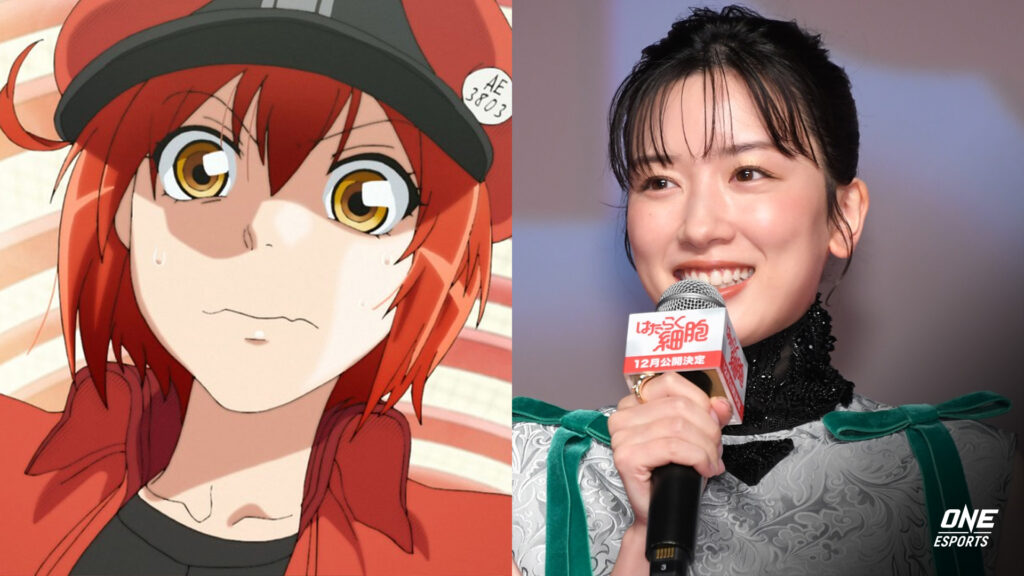
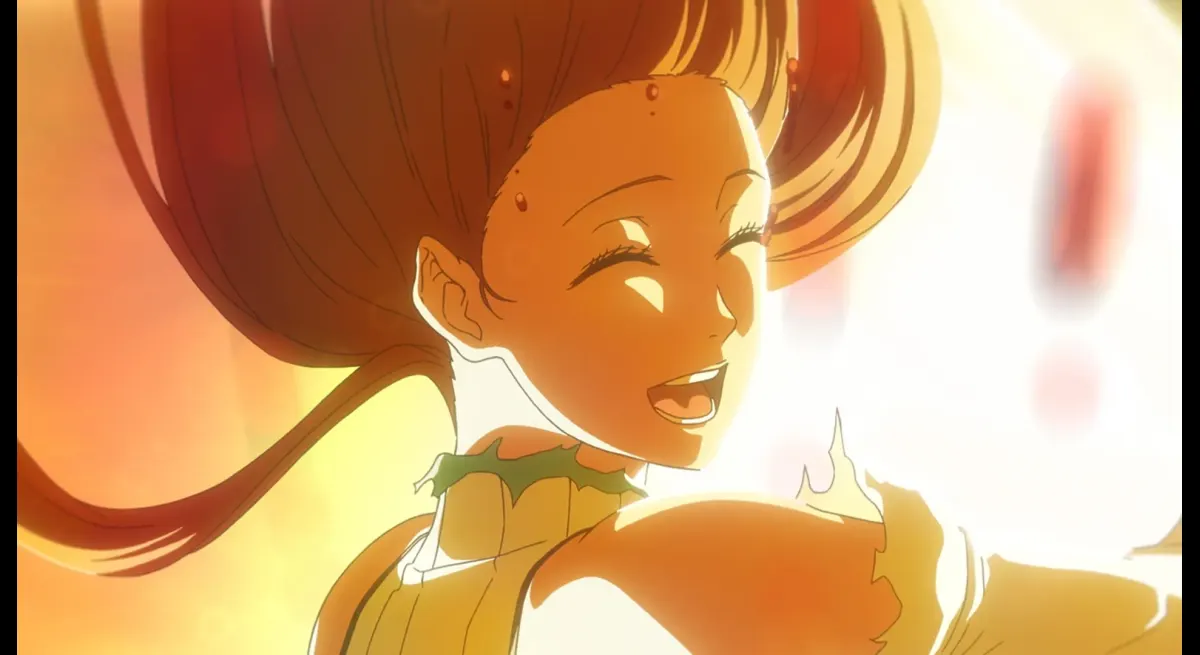
Known for her soft, angelic voice, Hana Kanazawa has voiced some of the most beloved "moe" and dramatic characters of the last decade. Her performance as Nadeko Sengoku and Red Blood Cell in Cells at Work\! highlights her ability to bring charm and relatability to any role.
Impact of Famous Voice Actors on Character Popularity
The relationship between a character and their voice actor is symbiotic. In many cases, a character becomes a fan favorite specifically because of the nuances provided by the seiyuu. For instance, the popularity of characters like Levi Ackerman or Dio Brando is inextricably linked to the vocal choices made by Hiroshi Kamiya and Takehito Koyasu, respectively.
A great performance can turn a minor side character into a series mainstay. Famous anime dub actors and Japanese seiyuu often bring their own "star power" to a role, which encourages writers to expand that character's presence. This phenomenon is why certain voices are sought after during the pre-production of major blockbuster series.
In 2026, we also see the rise of "voice-first" marketing. Trailers often focus on the vocal delivery of a key line to build hype. This underscores the fact that in the eyes of the fans, the voice actor doesn't just play the character—they are the character.
Global Recognition of Top Anime Voice Talent
The digital age has erased the borders that once kept seiyuu popularity confined to Japan. Through platforms like Crunchyroll and social media, international fans now have direct access to the people behind the mic. This has led to seiyuu appearing at major global conventions like Anime Expo in Los Angeles and Japan Expo in Paris.
The global recognition of top anime voice talent has also changed how we view "dub vs. sub." While many fans still prefer the original Japanese audio, the quality of English voice acting has also skyrocketed. Famous anime dub actors like Matthew Mercer and Laura Bailey have become icons in their own right, creating a dual-layered fandom where both the original and the localized voices are celebrated.
This international fame has practical benefits, such as larger budgets for voice production and more opportunities for seiyuu to work on international video game titles. The "seiyuu" brand is now a global export, as valuable as the anime itself.
Evolution of the Voice Acting Industry
The voice acting industry has undergone a radical transformation since the early days of Astro Boy. Historically, voice work was a secondary job for stage or film actors. However, the 1970s and 80s saw the emergence of dedicated voice acting schools, turning the craft into a specialized discipline.
In the 2020s, technology has further pushed the boundaries. Remote recording sessions and AI-assisted vocal cleaning have allowed for higher productivity. However, the industry has also faced challenges, such as the debate over AI-generated voices. Most fans and creators agree that the human element—the "soul" of the seiyuu—cannot be replaced by an algorithm.
Another significant shift is the focus on mental and physical health. The grueling schedules of top-rated anime cast members are now being addressed with better labor laws and more supportive agency environments. This ensures that the legendary talents we love can continue to perform for decades to come.
Future Stars of Japanese Voice Acting
As the veterans of the industry continue to shine, a new generation of talent is rising to meet the challenges of 2026 and beyond. These future stars often come from diverse backgrounds, including musical theater and online content creation. They are more tech-savvy and more connected to their audience than ever before.
Names to watch include performers who are already making waves in breakout hits. These individuals prioritize versatility, often switching between singing, live-streaming, and voice work within a single week. The barriers to entry are higher, but the potential for stardom is greater.
The future of the most popular voice actors anime will likely involve more interactive media. We are seeing more seiyuu involved in VR experiences and "virtual YouTuber" (VTuber) collaborations, expanding the definition of what it means to be a voice actor in the modern age.
Conclusion: The Lasting Legacy of Anime Seiyuu
The most popular voice actors anime fans admire are the unsung architects of our favorite stories. From the early legends who built the foundation to the modern stars who carry the torch, their contributions are immeasurable. They provide the emotional bridge that allows us to connect with 2D drawings on a deeply human level.
As we look toward the future of animation, one thing remains certain: the voice will always be the heart of the medium. Whether you are a fan of subbed or dubbed versions, the passion and skill of these performers deserve our highest respect. Their legacy is etched into every iconic line and every unforgettable scream that has ever echoed through our speakers.
To learn more about the history of the industry and the specific biographies of these talented individuals, you can visit comprehensive resources like Wikipedia's entry on Japanese Voice Acting. The world of seiyuu is vast, and there is always a new voice waiting to be discovered.













// Comments