
Hashira Training Arc: Forging Demon Slayer's Next Generation
The Hashira Training Arc in Demon Slayer is more than a transitional chapter — it's the crucible where raw talent is hammered into something extraordinary. As Muzan Kibutsuji's threat looms larger than ever, the Demon Slayer Corps faces a sobering truth: individual strength alone won't be enough. What follows is a rigorous, often brutal, and deeply emotional journey that redefines what it means to be a demon slayer.
Whether you're a longtime fan or just catching up, this arc delivers some of the most meaningful character development in the entire series.
 Also ReadWho Is Zenitsu Agatsuma? The Ultimate Guide
What Is the Hashira Training Arc?
The Demon Slayer Hashira Training Arc takes place after the explosive events of the Swordsmiths' Village Arc. With the Upper Moons still active and Muzan's endgame drawing near, Kagaya Ubuyashiki — the fragile but wise leader of the Corps — issues a sweeping directive: every active Demon Slayer must complete training under each of the Hashira.
This isn't optional. Every slayer, regardless of rank, must push through rotations with the nine Hashira, each of whom specializes in different techniques, disciplines, and physical philosophies.
The goal? To close the enormous gap between average slayers and the elite — and to awaken Slayer Marks in as many fighters as possible before the final battle.
Why This Arc Matters for the Story
Bridging Two Worlds of Strength
One of the most compelling aspects of Demon Slayer Season 3 training is how it forces the supporting cast into the spotlight. Characters like Zenitsu, Inosuke, and the Wind Hashira trainees are no longer just backup — they're being forged into genuine threats.
 Also ReadThe Blue Spider Lily: Muzan's Obsession in Demon Slayer
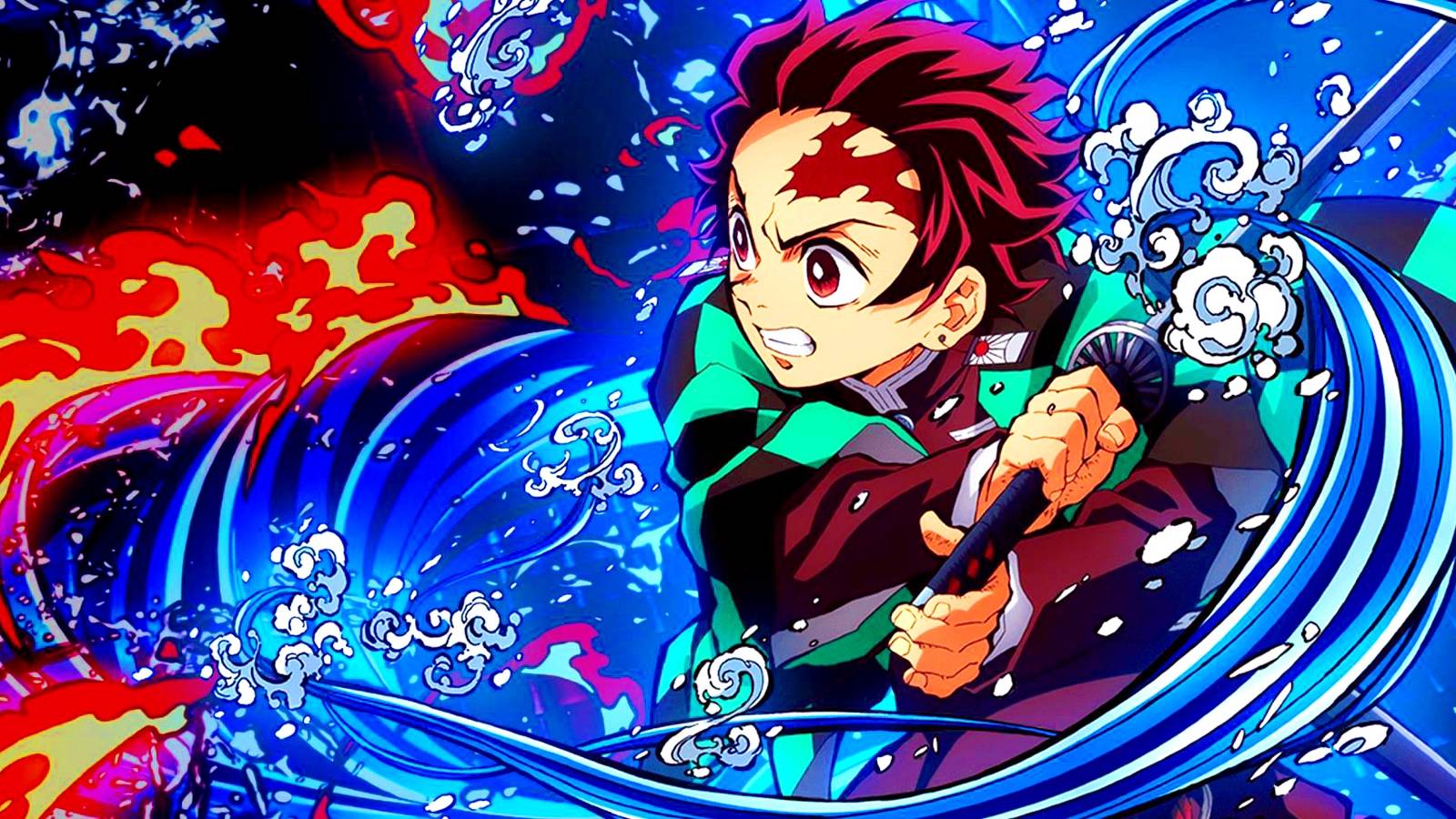
For Tanjiro, the arc is particularly transformative. His Tanjiro Hashira training experience pushes him to physical and emotional limits he hasn't faced before. Every session is a reminder that surviving isn't the same as being ready.
The Hashira as Teachers — and as People
The arc strips the Hashira of their invincible image and shows them as mentors with flaws, histories, and scars. Fans get extended time with figures like:
- Tengen Uzui — the retired Sound Hashira who brings his flair and precision to physical conditioning
- Muichiro Tokito — cold on the surface, but whose brief interactions carry unexpected weight
- Sanemi Shinazugawa — brutal, harsh, and deeply protective of those he trains
Each Hashira's training style reflects their personality, making the sessions feel authentic rather than mechanical. This is elite Hashira mentorship in action — not just power transfer, but character transmission.
The Slayer Mark Awakening — A Game Changer
Perhaps the most pivotal element introduced here is the concept of slayer marks awakening. These marks, which first appeared on Tanjiro during the Swordsmiths' Arc, are revealed to be a transformative phenomenon that dramatically amplifies a slayer's abilities.
But there's a cost.
According to Demon Slayer's official lore coverage on Fandom Wiki, those who awaken the mark are believed to die before the age of 25 — a haunting trade-off that adds moral weight to every awakening.
The Hashira Training Arc actively works toward triggering these marks in more slayers. It's a calculated risk by the Corps — sacrifice longevity for the power needed to defeat Muzan now.
How the Training Actually Works
A Rotating System of Mastery
The structure of Demon Slayer Corps strength building here is methodical. Slayers rotate through each Hashira's program in sequence:
- Flexibility and joint conditioning under one Hashira
- Stamina and endurance circuits under another
- Combat refinement and sparring under the more combat-oriented trainers
- Mental fortitude woven throughout every session
This isn't a single boot camp — it's a multi-disciplinary gauntlet designed to leave no weakness unaddressed.
Tanjiro's Unique Challenge
While others struggle with the physical toll, Tanjiro carries the additional burden of his developing connection to the Hinokami Kagura — and the whispers of his Demon Slayer Mark responding to stress and proximity to death. His arc within the arc is about learning not just how to fight, but why he must become something greater.
For a deeper breakdown of where this arc sits in the overall timeline, Crunchyroll's Demon Slayer series guide is a solid reference for episode structure and pacing.
The Emotional Core: Why Fans Connect
The Demon Slayer anime arc resonates because it's honest about sacrifice. These aren't invincible heroes — they're young people shortening their lives for the chance to protect others.
There's a quiet devastation in watching Himejima Gyomei — arguably the strongest Hashira — train slayers knowing what awaits them. His stoic compassion becomes one of the arc's emotional anchors.
The Hashira power levels aren't just about who can hit hardest anymore. They're about who carries the heaviest burden and still shows up.
What the Arc Sets Up
The Hashira Training Arc isn't meant to resolve — it's meant to prepare. Every callus, broken bone, and awakened mark is an investment in the final confrontation. By its end:
- Several new slayers show signs of mark awakening
- The Corps is measurably stronger, and measurably more vulnerable
- Tanjiro stands at the edge of something he can't fully understand yet
It's the deep breath before the storm, and Demon Slayer earns every second of it. According to Anime News Network's coverage, the arc's adaptation was praised for its pacing and emotional faithfulness to the manga.
Conclusion
The Hashira Training Arc is a masterclass in how to prepare an audience — and an army — for what's coming. By investing in both physical growth and emotional depth, Demon Slayer doesn't just forge stronger fighters. It forges characters worth caring about when the final battle arrives.
Forging the next generation was never just about power. It was always about heart.







format(webp))














// Comments