

Introduction to Shonen Power Systems
In the realm of action-oriented manga and anime, a well-defined power system is the backbone of a compelling narrative. It provides the logic behind battles, the limitations of characters, and the stakes of every confrontation. While many series rely on simple energy blasts or physical prowess, two titles stand out for their intellectual depth and mechanical complexity: Jujutsu Kaisen (JJK) and Hunter x Hunter (HxH). When conducting a JJK vs HxH comparison, it becomes clear that these series have moved away from traditional power scaling in favor of strategic, rule-based systems that reward ingenuity over raw power.
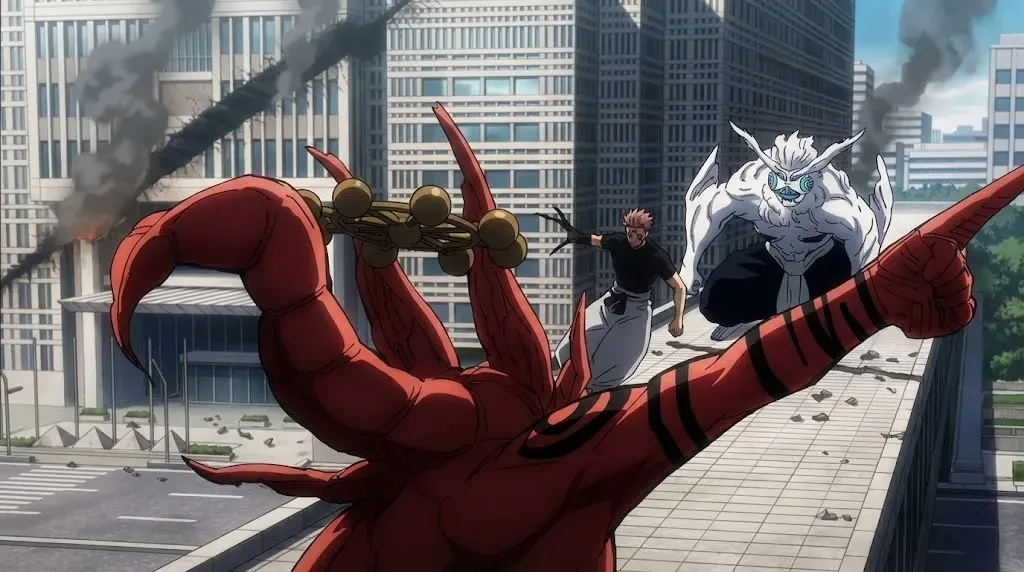 Also ReadSukuna's World-Cutting Slash Explained
Cursed Energy vs. Nen: Core Fundamentals
The debate of Cursed Energy vs Nen begins with their origins. In Jujutsu Kaisen, Cursed Energy is born from negative human emotions—fear, anger, and grief. It is a volatile force that leaks from ordinary humans and is harnessed by sorcerers to fuel specific techniques. It is often likened to electricity: a raw, dangerous fuel that requires a "device" or technique to be used effectively.
In contrast, Nen is the ability to manipulate one's own life energy or aura. Unlike Cursed Energy, which is fueled by external negativity, Nen is an internal discipline. It is categorized into six distinct types—Enhancement, Transmutation, Conjuration, Emission, Manipulation, and Specialization. While Cursed Energy is largely hereditary and tied to specific "innate techniques," Nen is a highly customizable system where a user’s personality and training dictate their unique abilities.
Togashi’s Influence on Gege Akutami’s World-Building
It is no secret that Gege Akutami, the creator of Jujutsu Kaisen, is a massive fan of Yoshihiro Togashi, the mastermind behind Hunter x Hunter. The Togashi influence is evident in how Akutami structures combat. Both authors treat battles like high-stakes puzzles rather than simple contests of strength. The influence extends to character archetypes and the willingness to subvert traditional shonen tropes. Just as Togashi introduced the idea that a weaker opponent could defeat a stronger one through superior strategy and specialized rules, Akutami employs a "no-nonsense" approach to lethality and tactical complexity, ensuring that every victory feels earned through intellectual superiority.
 Also ReadThe Mahoraga Ritual Rules Explained
The Strategic Depth of Binding Vows in JJK and HxH
One of the most striking similarities between the two series is the use of Binding Vows. In both worlds, a character can increase their power exponentially by placing restrictions on themselves. This mechanic introduces a layer of psychological warfare to the combat. In Jujutsu Kaisen, a sorcerer might reveal how their technique works—a vow known as "Showing One's Cards"—to boost the effectiveness of that technique. In Hunter x Hunter, this is mirrored by "Covenants and Restrictions," where a Nen user sets strict conditions on when or how they can use their power to gain a massive boost in aura output. These vows ensure that power is never "free"; it always comes with a calculated risk.
Constraints and Conditions: Risk vs. Reward
The brilliance of these systems lies in the "Risk vs. Reward" factor. The more dangerous or restrictive a condition is, the more powerful the resulting ability.
- JJK Example: Nanami’s "Overtime" binding vow restricts his cursed energy during normal work hours but grants him a massive surge once his shift officially ends.
- HxH Example: Kurapika’s "Chain Jail" is incredibly powerful against the Phantom Troupe, but if he uses it on anyone else, he will forfeit his own life.
These constraints prevent the "power creep" common in other shonen series. Instead of simply getting stronger, characters must find creative ways to work within the confines of their self-imposed rules or exploit the rules of their opponents.
Comparative Analysis: Which System is More Complex?
When asking which system is more complex, the answer depends on the type of depth you prefer. Nen is arguably the more mathematically and structurally sound system. It offers a universal framework that any human can theoretically learn, with clear categories and sub-techniques like Gyo, En, and Ko. It allows for near-infinite customization, making it a "hard" magic system with very few inconsistencies.
Cursed Energy, however, excels in its thematic weight and unpredictability. Because techniques are innate and often tied to bloodlines, the "complexity" comes from how sorcerers interpret and evolve their inherited powers. The inclusion of Domain Expansions—the pinnacle of jujutsu—adds a spatial and metaphysical layer to the combat that is unique to JJK. While Nen is more versatile, Cursed Energy feels more integrated into the dark, emotional themes of its world.
Conclusion: The Legacy of Innovative Power Mechanics
Ultimately, the JJK vs HxH discussion highlights the evolution of shonen manga. By focusing on Cursed Energy vs Nen, both Gege Akutami and Yoshihiro Togashi have created worlds where the mind is the greatest weapon. The Togashi influence on modern manga has paved the way for series like Jujutsu Kaisen to thrive by prioritizing Binding Vows and tactical constraints over simple power-ups. Whether you prefer the refined, disciplined nature of Nen or the raw, emotional intensity of Cursed Energy, both systems represent the pinnacle of innovative storytelling in the medium.



















// Comments