

Introduction to Gege Akutami’s Inspirations
In the landscape of modern manga, few series have achieved the meteoric rise and cultural impact of Jujutsu Kaisen. While the series is celebrated for its unique power system and dark, visceral storytelling, its creator, Gege Akutami, has been remarkably transparent about the works that paved the way for his success. Akutami’s creative DNA is a tapestry of various influences, ranging from classic horror films to the legendary shonen titles of the past. However, one name stands above the rest when discussing the structural and aesthetic foundation of JJK: Tite Kubo. Understanding these inspirations provides fans with a deeper appreciation for how Jujutsu Kaisen honors its predecessors while carving out its own distinct identity in the supernatural battle genre.
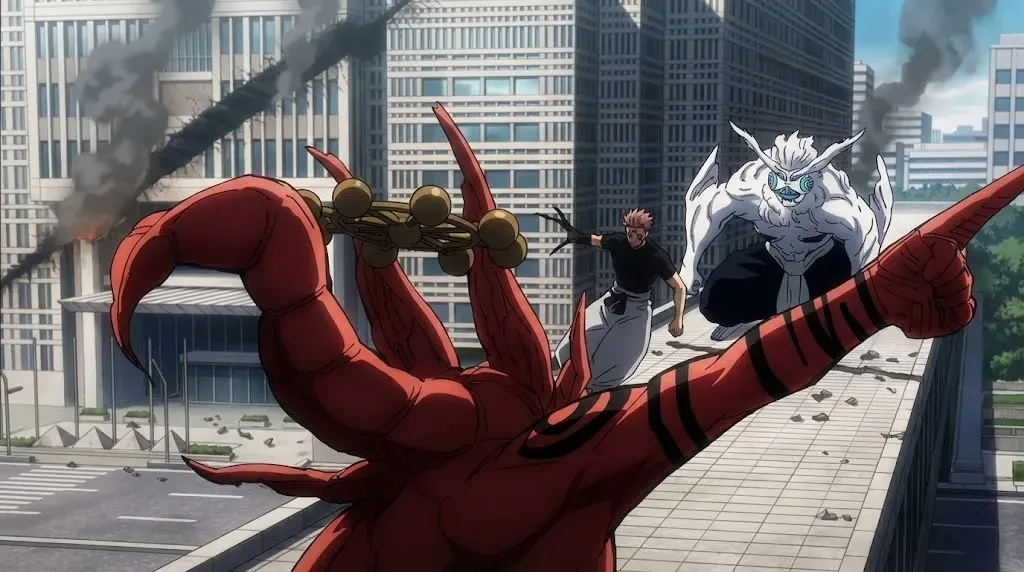 Also ReadSukuna's World-Cutting Slash Explained
Tite Kubo’s Influence on Jujutsu Kaisen
The JJK Bleach inspiration is not merely a fan theory; it is a fact frequently acknowledged by Gege Akutami himself. Akutami has cited Tite Kubo as one of his primary influences, particularly regarding the atmosphere and the "coolness" factor that defined the early 2000s manga era. Tite Kubo’s work is renowned for its stylish art, sharp dialogue, and urban-fantasy setting, all of which are echoed in the world of Jujutsu Kaisen. Akutami’s choice to set his story in a modern-day Tokyo plagued by invisible supernatural threats directly mirrors the setup of the Soul Society’s interactions with the living world. Furthermore, the emphasis on high-stakes, high-fashion combat and the philosophical weight given to every strike are hallmarks of Kubo's style that Akutami has successfully modernized for a new generation of readers.
Comparing Bankai and Domain Expansions
Perhaps the most direct mechanical connection between the two series is the concept of Bankai vs Domain Expansion. In Bleach, a Bankai represents the ultimate release of a Soul Reaper's weapon, fundamentally changing the scale of a battle and reflecting the user’s true self. Similarly, a Domain Expansion in Jujutsu Kaisen is the absolute pinnacle of jujutsu sorcery, where a sorcerer projects their inner territory into the physical world. Both techniques share several core similarities:
- Manifestation of the Soul: Both abilities are unique to the individual and serve as a visual representation of their personality and inner power.
- Tactical Endgames: These techniques are rarely used at the start of a fight; they are finishers or strategic counters used to turn the tide of a losing battle.
- The "Sure-Hit" Factor: Much like how certain Bankai create inescapable conditions, a Domain Expansion guarantees that the user’s technique will hit the opponent.
While Domain Expansions involve more complex barrier techniques and cursed energy math, the visceral excitement of seeing a character "expand their domain" mirrors the iconic hype of a Bankai reveal.
 Also ReadThe Mahoraga Ritual Rules Explained
Character Design and Narrative Parallels
Beyond the power systems, the character design and narrative beats in Jujutsu Kaisen often pay homage to Tite Kubo’s character-driven storytelling. For instance, the dynamic between a mentor and a rebellious student is a staple of both series. While Satoru Gojo is a unique entity, his status as the "strongest" and his playful yet untouchable demeanor often draw comparisons to the charismatic captains of the Gotei 13. Additionally, the concept of "Special Grade" curses and sorcerers mirrors the hierarchical power structure of the Espada and Captains. Gege Akutami utilizes sharp lines and heavy contrast in his art, a technique popularized by Kubo to give characters an edgy, formidable presence even when they are standing still.
The Legacy of Bleach in Modern Shonen
Tite Kubo’s legacy is felt throughout the entire "Dark Trio" of modern shonen, but it is most pronounced in Jujutsu Kaisen. By taking the foundation of a hidden supernatural world and infusing it with higher stakes and more consequences, Gege Akutami has ensured that the spirit of the Heian era and the Soul Society live on. The success of JJK has reignited interest in the themes Kubo championed, such as the relationship between the soul and the physical body, and the burden of absolute power. This continuity shows that the impact of a great creator like Tite Kubo doesn't end when their series does; it evolves through the hands of those they inspired.
Conclusion: The Evolution of Supernatural Battle Manga
The relationship between Jujutsu Kaisen and Bleach is a testament to the healthy cycle of inspiration within the manga industry. Gege Akutami took the stylistic seeds planted by Tite Kubo and grew them into a complex, modern masterpiece that stands on its own merits. Whether it is the strategic depth of Bankai vs Domain or the shared aesthetic of urban supernatural horror, the connection between these two giants is undeniable. As Jujutsu Kaisen reaches its own climax, it does so as a proud successor to the legends of the past, proving that the King of Curses and the Soul Reapers share a legacy of excellence that will continue to define the genre for years to come.



















// Comments