Introduction
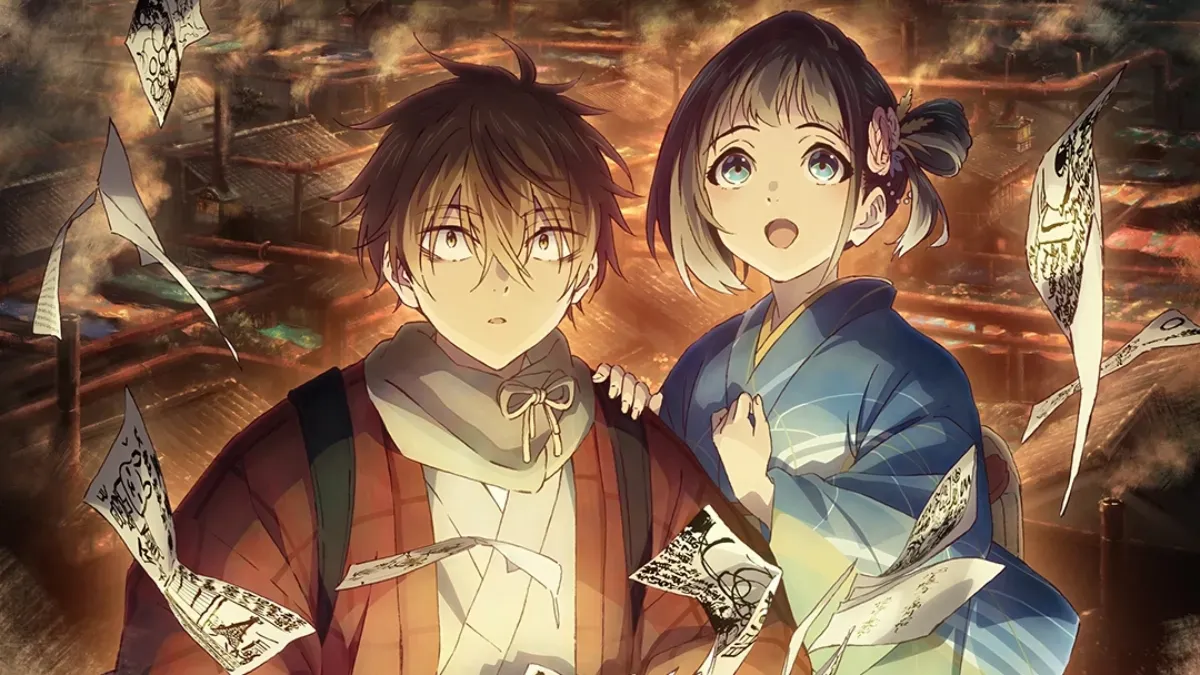
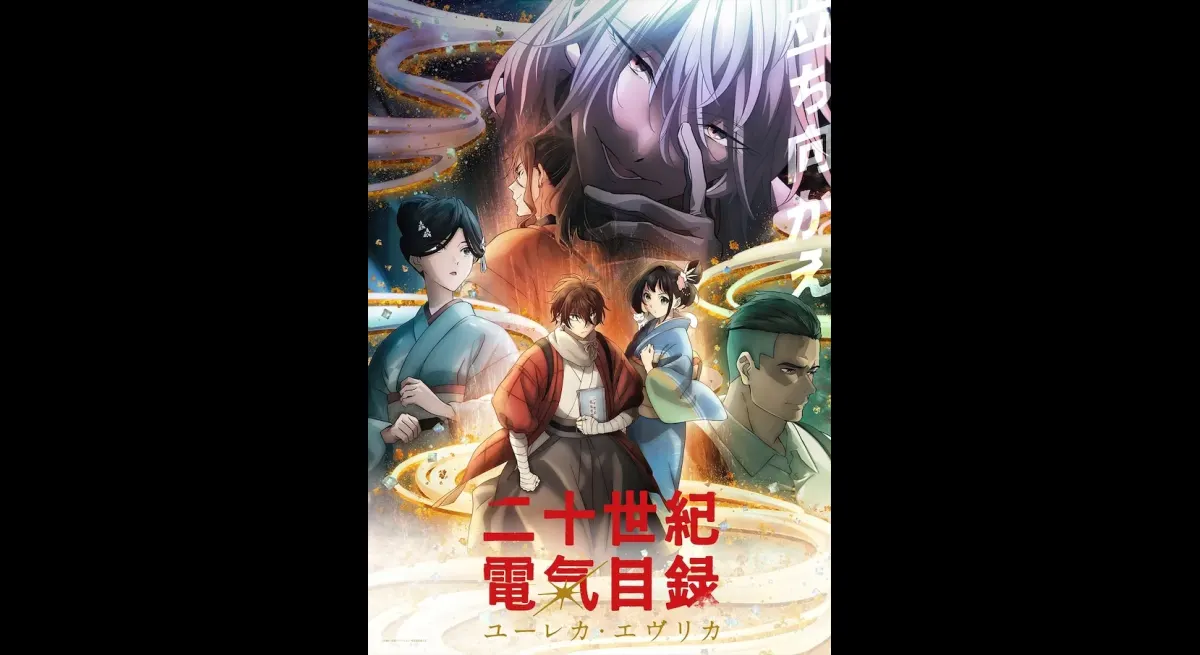
Sparks of Tomorrow, known in Japanese as 20 Seiki Denki Mokuroku: Eureka Evrika, is a 2026 steampunk romance anime produced by Kyoto Animation and released exclusively on Netflix. The series is based on the novel 20 Seiki Denki Mokuroku by Hiro Yuki and is set in an alternate version of the early 20th century where Kyoto is blanketed in constant smoke because technological progress evolved around steam power instead of electricity. Directed by Minoru Ota, with series composition by Tatsuhiko Urahata, character designs by Kohei Okamura, and music composed by Hitomi Koto, the anime blends impressionistic, painterly backgrounds with intricate character animation to depict two young dreamers navigating an era of upheaval and innovation. The anime carries special emotional weight for fans, since its adaptation was first announced in 2018 and delayed for years following the tragic 2019 arson attack on Kyoto Animation's studio, making its eventual release feel like a symbol of the studio's resilience.
The Main Character: Kihachi Sakamoto


The story's protagonist is Kihachi Sakamoto, voiced by Yuma Uchida. Kihachi is introduced as a suspicious, guarded young man who loves tinkering with machines and inventing things. As a child, Kihachi documented future electrical inventions in a journal called the 20th Century Electric Catalog alongside his older brother, Seiroku, who shared his dream of ushering in an "Age of Electricity." That dream is shattered when Seiroku leaves for war carrying the catalog and never returns, leaving Kihachi to abandon his dreams in disillusionment. Years later, a chance encounter reignites everything he had buried.
Kihachi's arc is fundamentally about rediscovering hope after loss. He begins the story as a cynic who no longer believes in the future he once imagined, but the return of the catalog — and the girl who brings it to him — forces him to confront both his grief over his brother and the possibility that his childhood dream might still be worth chasing.
format(webp)) Also ReadSparks of Tomorrow: The Retro Sci-Fi Manga to Read
Also ReadSparks of Tomorrow: The Retro Sci-Fi Manga to Read
The Story: A Steam-Powered World Searching for Electricity
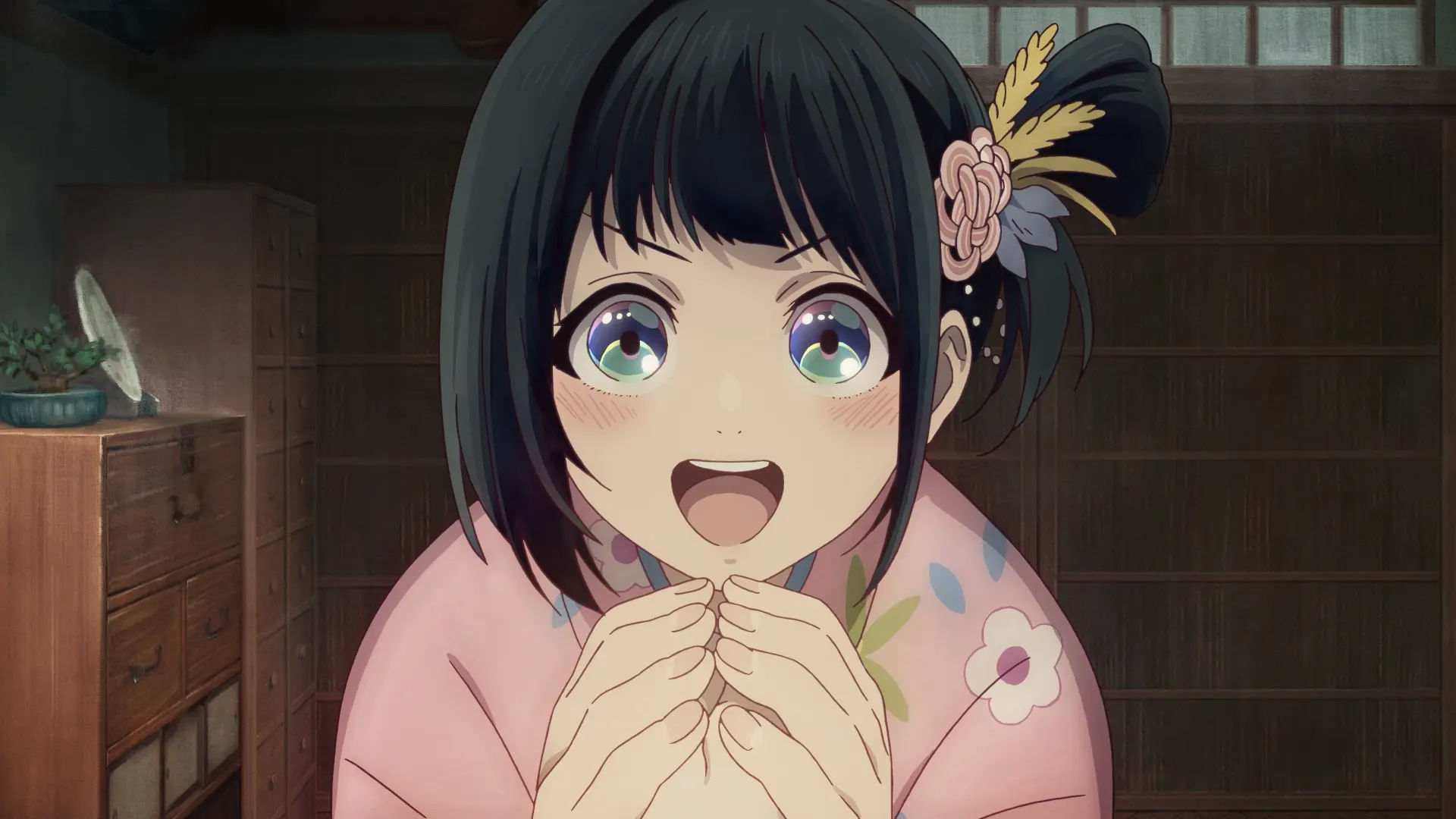
The events unfold in the summer of 1907, during the 40th year of the Meiji era, a period when Japan was opening its doors to the Western world and electricity was just beginning to reach Japanese cities. Against this backdrop, the plot's female lead, Inako Momokawa, enters the picture. Inako is a fifteen-year-old girl living in Fushimi, Kyoto, and the second daughter of a sake-brewing family. She is a clumsy, self-doubting girl who nonetheless excels at trusting others, and she secretly dreams of becoming a master sake brewer like her late mother.
Inako appears before Kihachi and, for reasons initially unclear, hands him the very catalog his brother disappeared with — setting the central mystery of the series into motion. Around the same time, pressure mounts at Inako's home as talk of an arranged marriage begins, with her father making the decision entirely on his own, pushing Inako closer to accepting a fate she never wanted. Kihachi convinces her to run away from home, and the two set out together across the Kyoto and Shiga prefectures in search of answers tied to the mysterious Electrical Catalog. As they travel, the reunited catalog causes the long-dormant dreams of both Kihachi and Inako to resurface and collide.
Structurally, the anime plays as a road-trip romance layered over a mystery: what happened to Seiroku, why did Inako have the catalog, and can the "Age of Electricity" the brothers once imagined still come to pass in a world content with steam?
Side Characters Who Shape the Journey
The world around Kihachi and Inako is filled with richly drawn supporting characters:
 Also ReadYosuke Mizoe: The Main Villain of Sparks of Tomorrow, Explained
- Seiroku Sakamoto — Kihachi's older brother, an inventor passionately devoted to bringing electricity into the world. Though absent for much of the present-day story, his disappearance is the emotional engine driving Kihachi forward.

- Noriko Momokawa — Inako's older sister, described as dependable and highly skilled in martial arts. She represents the more composed, capable side of the Momokawa family that Inako often feels she cannot live up to.

- Kengo Kuga — A sturdy, physically powerful former soldier who is also Noriko's fiancé. His military background adds a grounded, protective presence to the supporting cast.
- Jinemon and Naeko Momokawa — Inako's parents, whose traditional expectations around marriage and family duty create much of the domestic tension that pushes Inako to leave home in the first place.
Together, these characters flesh out the Momokawa and Sakamoto households, giving the central romance a believable social world to push against.
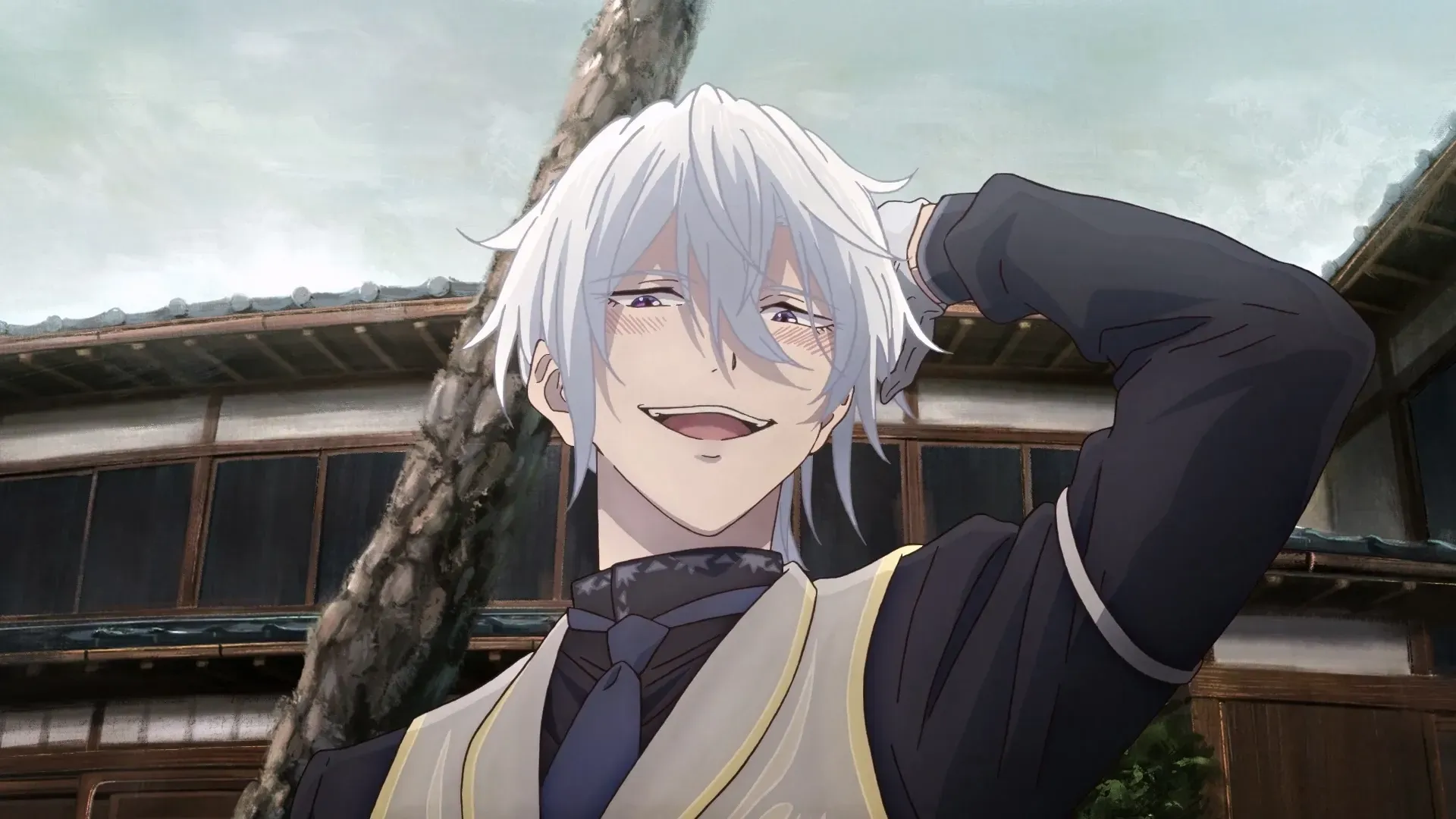
The Main Villain: Yosuke Mizoe

The story's primary antagonist is Yosuke Mizoe, voiced by Koki Uchiyama. Yosuke is introduced as the heir to the wealthy Mizoe Company, a business empire built on steam engine technology. He pursues Kihachi and Inako throughout the story because he is seeking a politically advantageous marriage to Inako, one that would serve his family's business interests rather than her happiness.
What makes Yosuke compelling as a villain isn't brute force but institutional power: he embodies the steam-powered establishment that has every incentive to keep the old order intact and Kihachi's dream of an electrical future suppressed. His pursuit of Inako is as much about controlling the narrative of progress as it is about the marriage itself, positioning him as the human face of everything Kihachi and Inako are running from — tradition, commerce, and a future dictated by wealth rather than invention or love.
Conclusion
Sparks of Tomorrow stands out in 2026's anime lineup for pairing Kyoto Animation's signature visual craftsmanship with a story about grief, reinvention, and the courage to dream again after loss. At its heart is Kihachi Sakamoto's journey from a boy who gave up on the future to one willing to fight for it, alongside Inako Momokawa's quiet rebellion against a life chosen for her. Supported by a cast of loyal family members and threatened by Yosuke Mizoe's old-money ambitions, the series uses its steampunk setting as more than aesthetic — it's a metaphor for the choice between clinging to a familiar past and chasing an uncertain, brighter tomorrow.
format(webp))





// Comments